



Alumni communities represent tremendous assets for educational institutions—networks of accomplished graduates positioned to mentor current students, contribute philanthropically, enhance institutional reputation, and maintain lifelong connections to their alma maters. Yet countless schools watch these valuable communities remain dormant, with alumni disengaged, disconnected, and unlikely to participate in institutional life beyond receiving occasional newsletters they rarely open.
The difference between cold, inactive alumni networks and warm, active communities comes down to consistent, meaningful engagement opportunities. Alumni who regularly participate in well-designed events develop stronger institutional connections, increased giving likelihood, active mentorship involvement, and enthusiastic advocacy. These engaged alumni transform from passive bystanders into active community participants who strengthen institutions in countless ways.
This comprehensive guide presents 100 high-impact alumni event ideas spanning private high schools, public high schools, charter schools, colleges, universities, and graduate programs. Each idea includes actionable implementation guidance helping advancement professionals, alumni directors, and school administrators create the engaging experiences that activate dormant communities and maintain momentum in already-active networks.
Alumni engagement creates what we call “digital warming”—transforming cold, disconnected networks into warm communities where members feel personally welcomed, discover relevant connections, and participate actively in institutional life. Strategic events serve as catalysts for this transformation, providing the touchpoints that remind alumni why their schools matter while creating the social bonds that sustain long-term engagement.
According to alumni engagement research, institutions with comprehensive event programs report significantly higher participation rates across all metrics including annual giving, volunteer involvement, student recruitment referrals, and career mentorship. The correlation between event attendance and broader engagement proves consistently strong—alumni who attend just one event annually demonstrate 3-4 times higher engagement across other dimensions compared to non-attendees.
Effective alumni events serve multiple purposes simultaneously: reconnecting graduates with institutions and each other, presenting institutional excellence and progress, facilitating meaningful networking and mentorship, celebrating achievements and milestones, and generating philanthropic support. The best events accomplish several objectives within single gatherings rather than treating each purpose as requiring separate occasions.

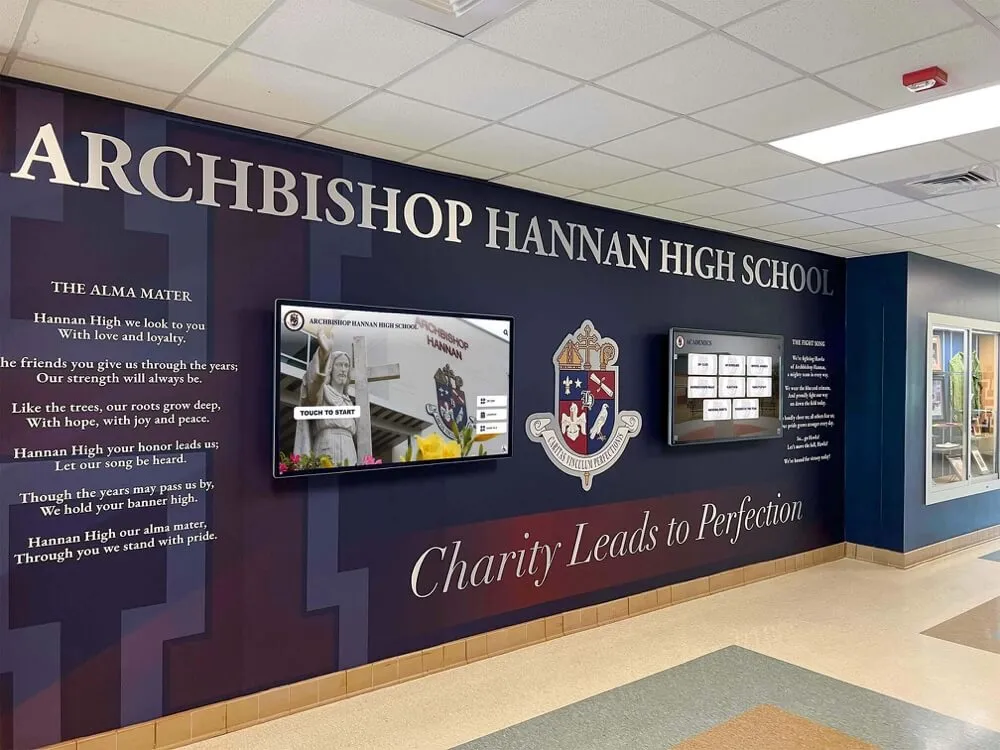
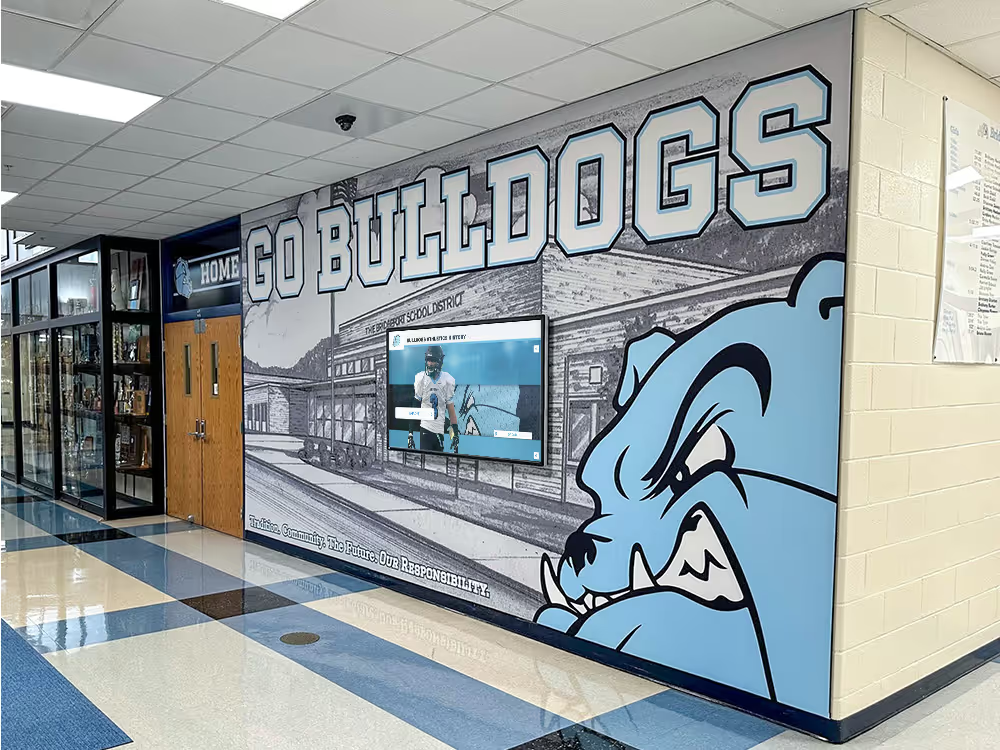
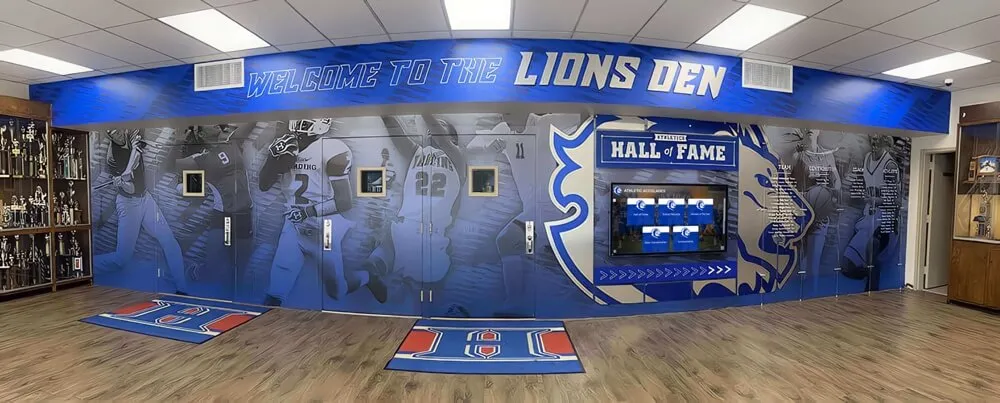
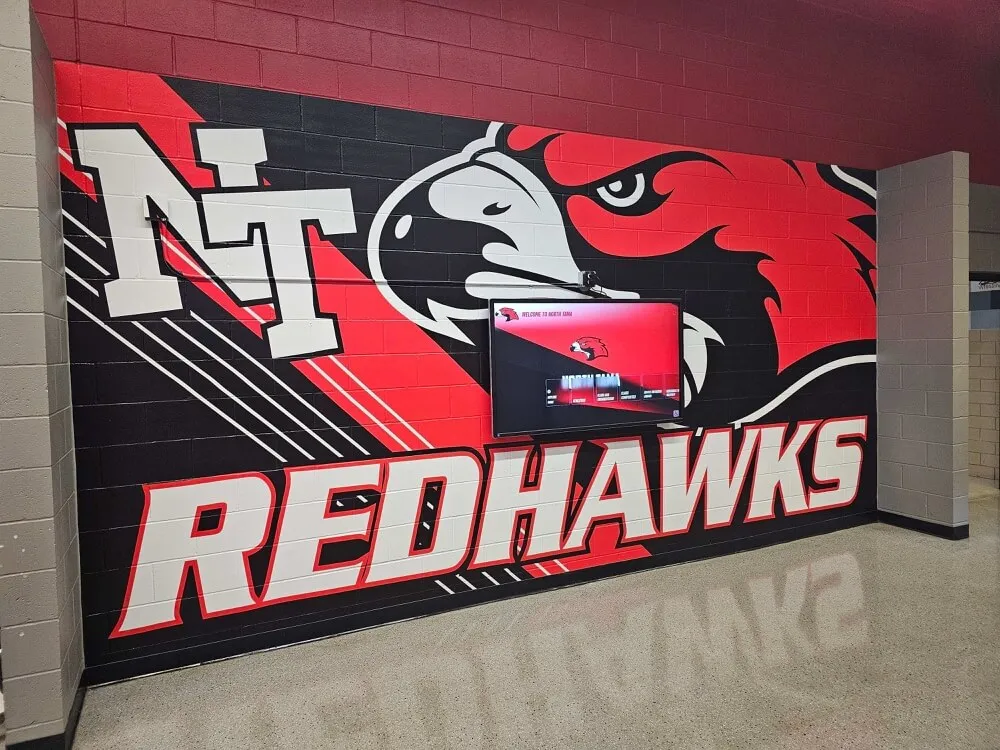
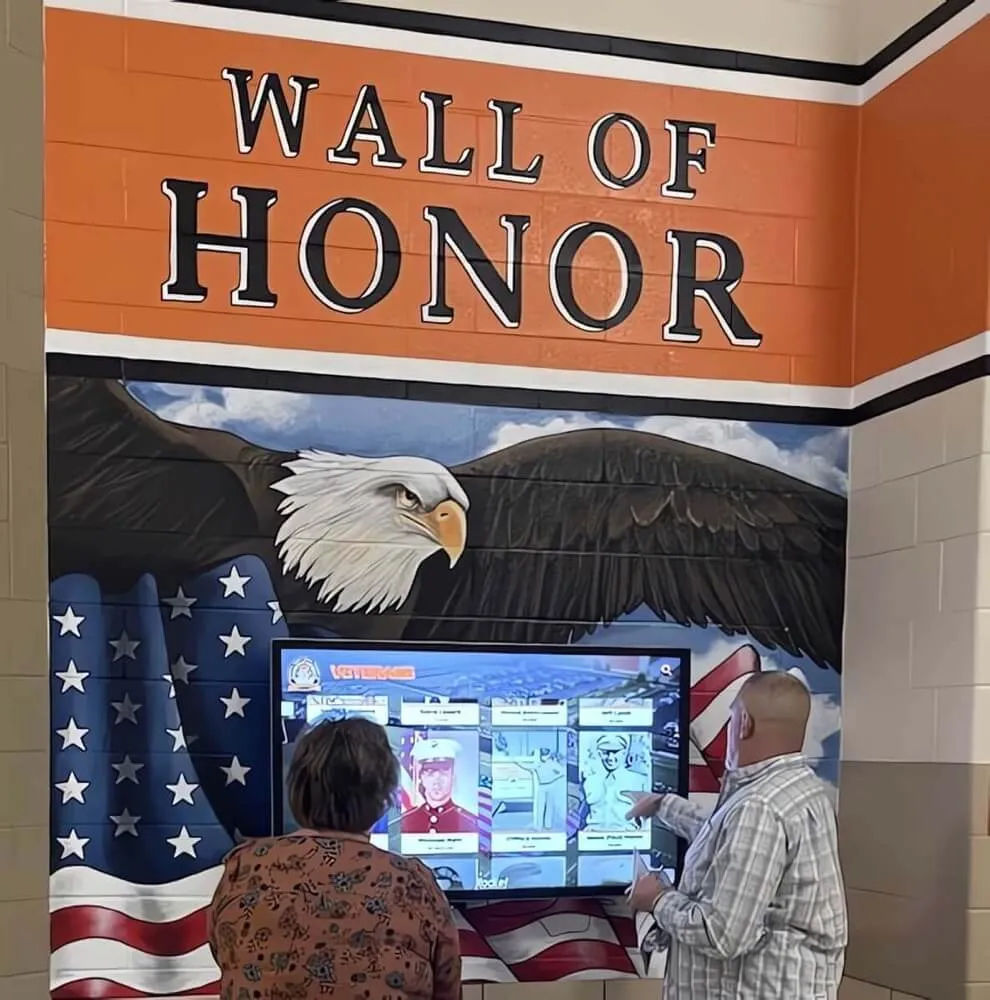
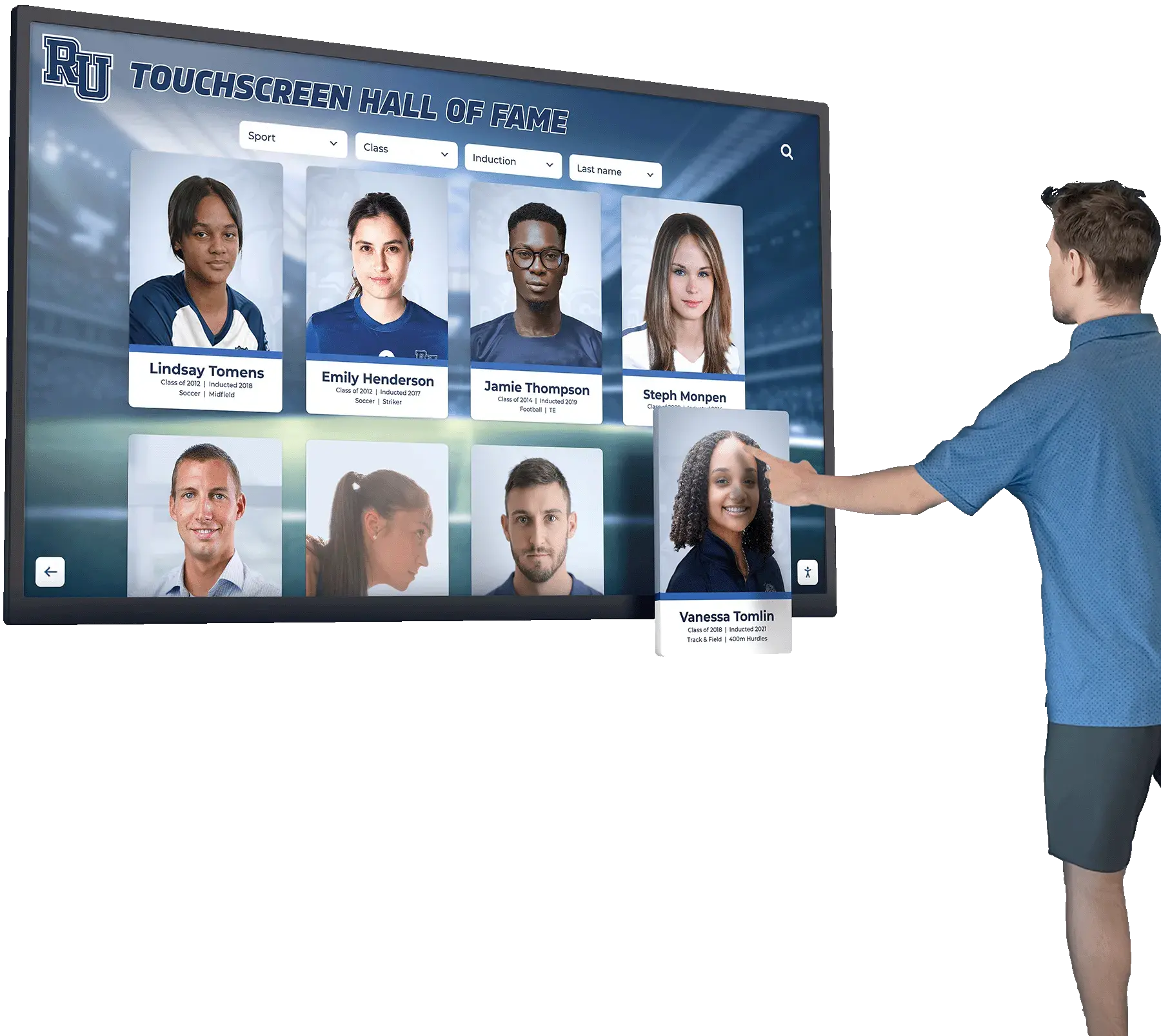
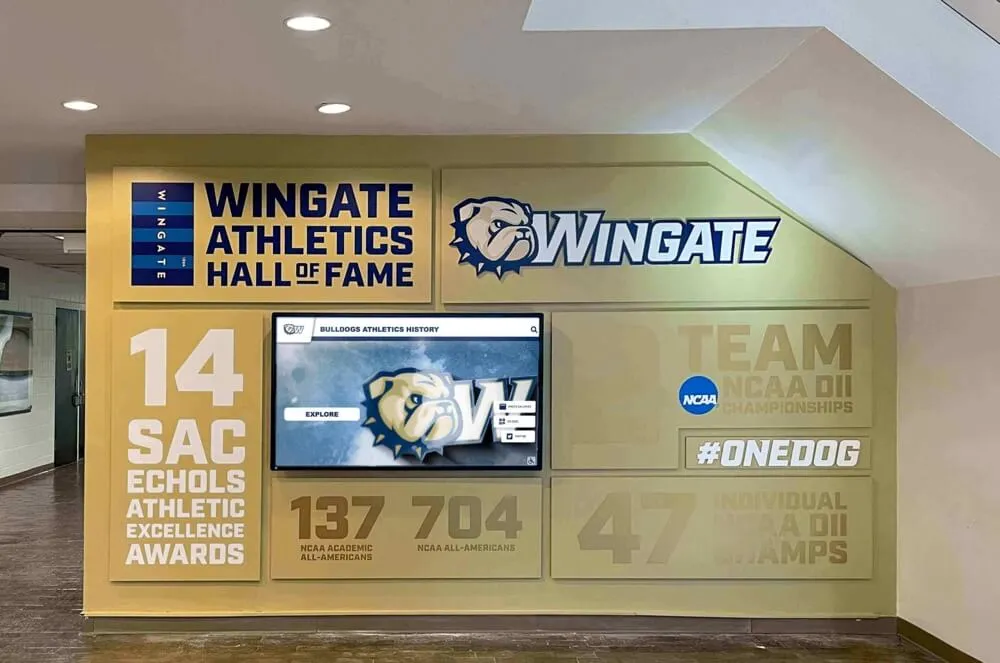
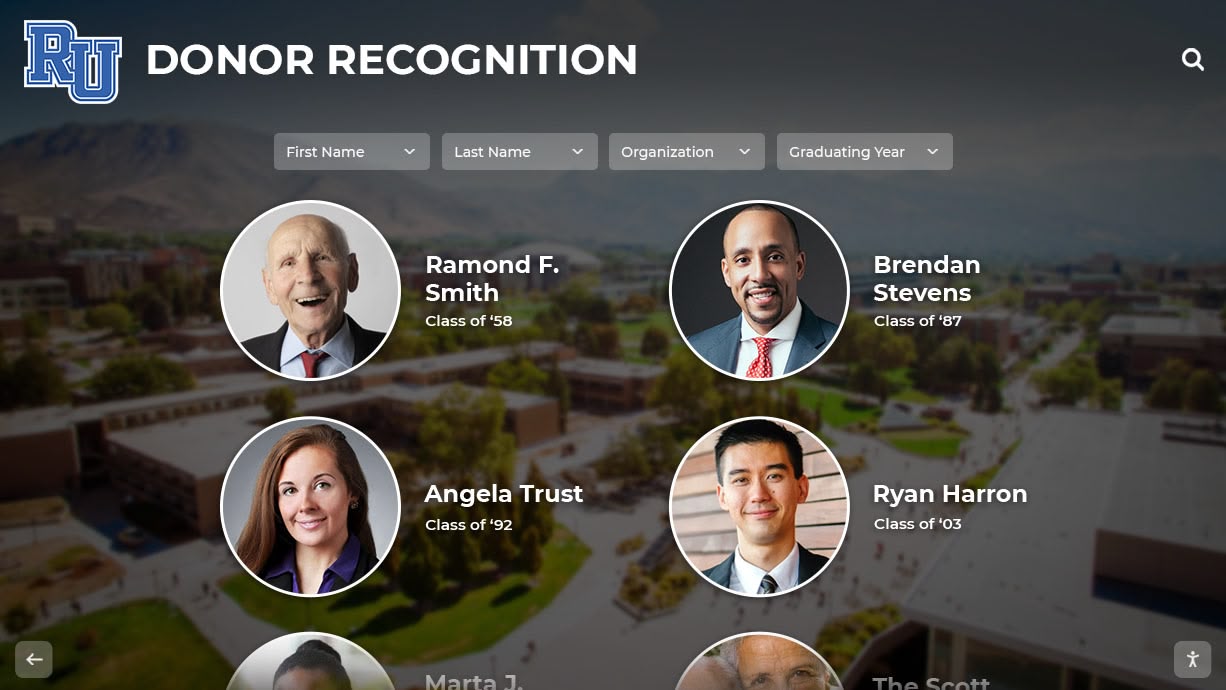
Recognition displays create natural gathering points where alumni reconnect while celebrating institutional heritage
Understanding Alumni Event Strategy Across Institution Types
Different educational contexts require tailored approaches reflecting unique community characteristics, resources, and objectives.
High School Alumni Events: Building Lifelong Communities
High school alumni programs face distinct challenges compared to higher education counterparts:
Smaller Operating Budgets and Staff Most high schools lack dedicated alumni relations departments, relying instead on advancement officers juggling alumni engagement with fundraising, communications, and other responsibilities. This resource constraint necessitates efficient events delivering maximum engagement impact with minimal staff time and budget investment.
Charter schools and smaller private schools face particularly acute resource limitations. Events must use volunteer committees, minimize expensive venue rentals, and focus on experiences that alumni themselves help create rather than requiring extensive professional production.
Broader Socioeconomic Diversity Public high schools serve entire communities regardless of family income, creating alumni populations with vast economic diversity. Event pricing and accessibility must accommodate this reality—exclusive high-cost gatherings alienate significant portions of alumni communities while suggesting institutions care only about wealthy graduates.
Successful high school alumni programs offer free or low-cost events ensuring participation barriers remain low, seek sponsorships covering event costs rather than passing expenses to attendees, and create diverse event portfolios including both informal gatherings and special occasions.
Younger Alumni Networks High school graduates range from recent 18-year-old graduates to octogenarians, but the bulk of living alumni remain relatively young compared to university networks where many members pursued decades-long careers before retirement. High school events must appeal across vast age spans while recognizing that younger alumni have different availability, interests, and financial capacity than established professionals.
Events targeting specific decade cohorts work well for milestone reunions, while multi-generational gatherings celebrate shared school identity transcending graduation years. Successful programs balance both approaches rather than exclusively focusing on either reunion classes or all-alumni events.
Geographic Concentration and Dispersion Community high schools maintain concentrated alumni populations with many graduates remaining in local areas, while prestigious private and boarding schools draw students from wide geographic regions with alumni scattering globally after graduation. Event strategies must reflect these geographic realities.
Local public schools can emphasize frequent casual gatherings leveraging geographic proximity, while institutions with dispersed alumni invest in occasional destination events, comprehensive virtual programming, and regional chapters enabling connection regardless of location.
College and University Alumni Events: Engaging Diverse Networks
Higher education alumni programs typically enjoy greater resources while managing more complex constituencies:
School and Department-Level Segmentation Large universities comprise multiple colleges, schools, and departments creating natural alumni subdivisions. Engineering alumni have different interests than liberal arts graduates. Business school networks prioritize career networking while education school alumni focus on teaching profession connections.
Sophisticated university programs balance institution-wide events building overall school spirit with targeted programming serving specific academic communities, interest groups, and affinity networks. This segmentation enables more personally relevant experiences than generic all-alumni gatherings.
Professional Networking Emphasis College and graduate school alumni particularly value career networking opportunities. Professional events connecting alumni for business development, career advancement, and industry insights represent primary engagement drivers for many graduates, especially younger professionals establishing careers.
Universities use alumni networks as career resources for current students and recent graduates, with events facilitating mentorship connections, informational interviews, internship opportunities, and job placements. This career focus benefits both alumni and institutions.
Regional Alumni Chapters Universities with national or international student recruitment maintain alumni chapters in major metropolitan areas enabling local connection among graduates who may have attended campus during different decades but share geographic proximity and institutional affiliation.
Chapter programming typically includes professional networking events, social gatherings, volunteer opportunities, and watching sports competitions together. Strong chapter networks create active local communities that sustain engagement for alumni unable to return to campus frequently.
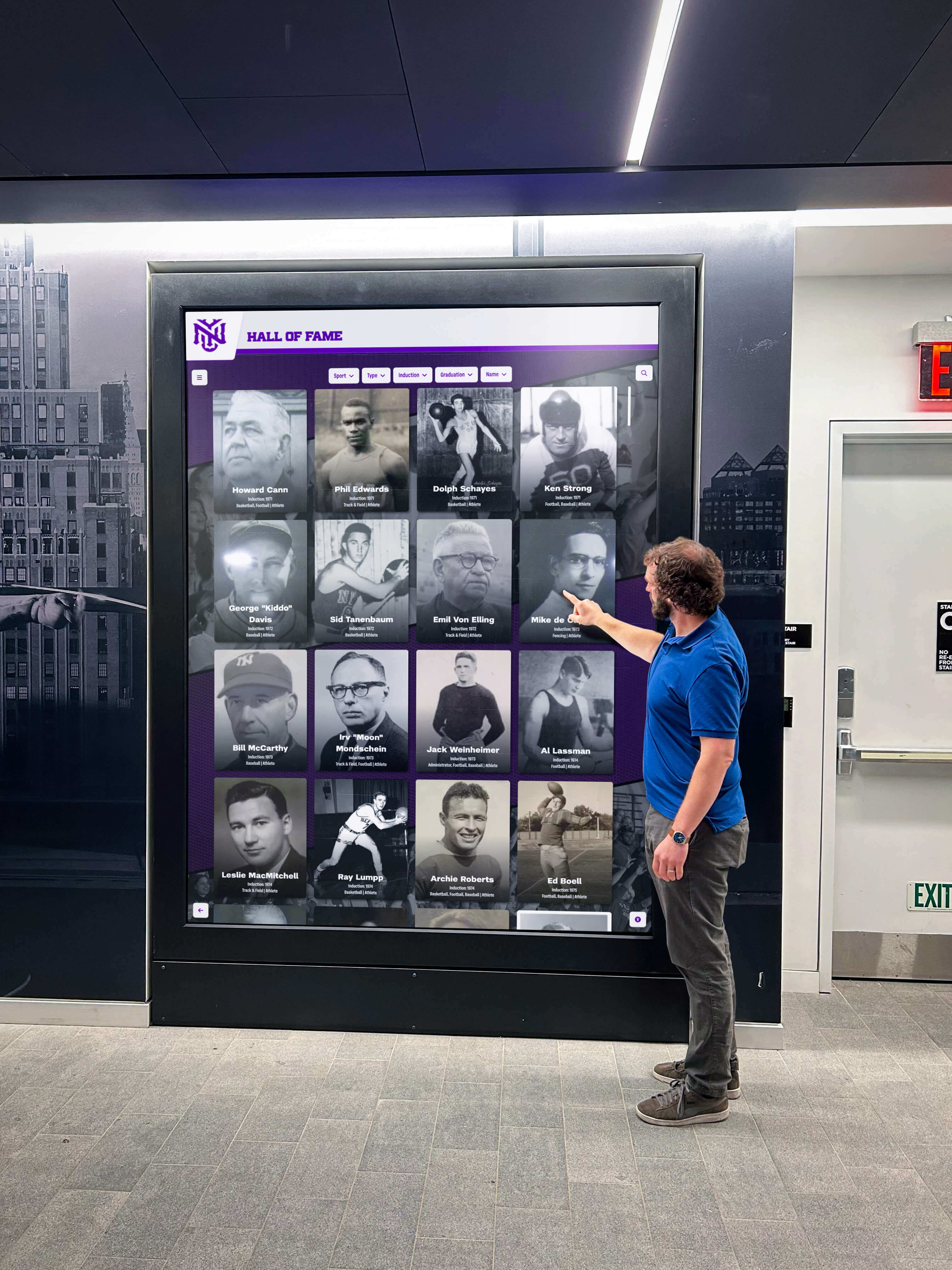
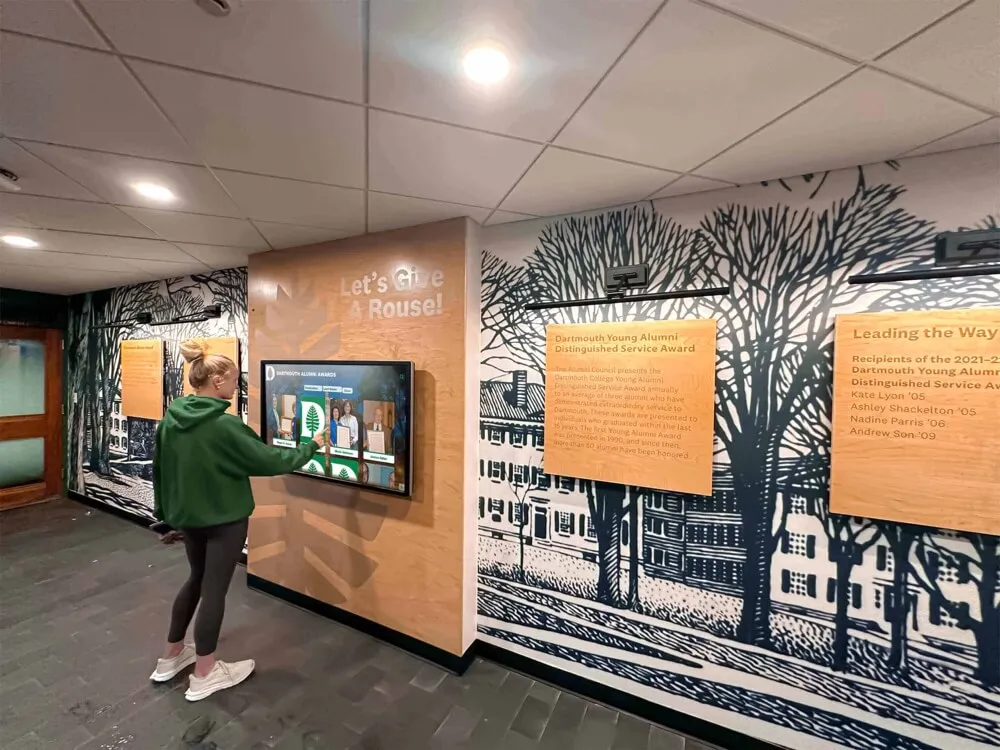
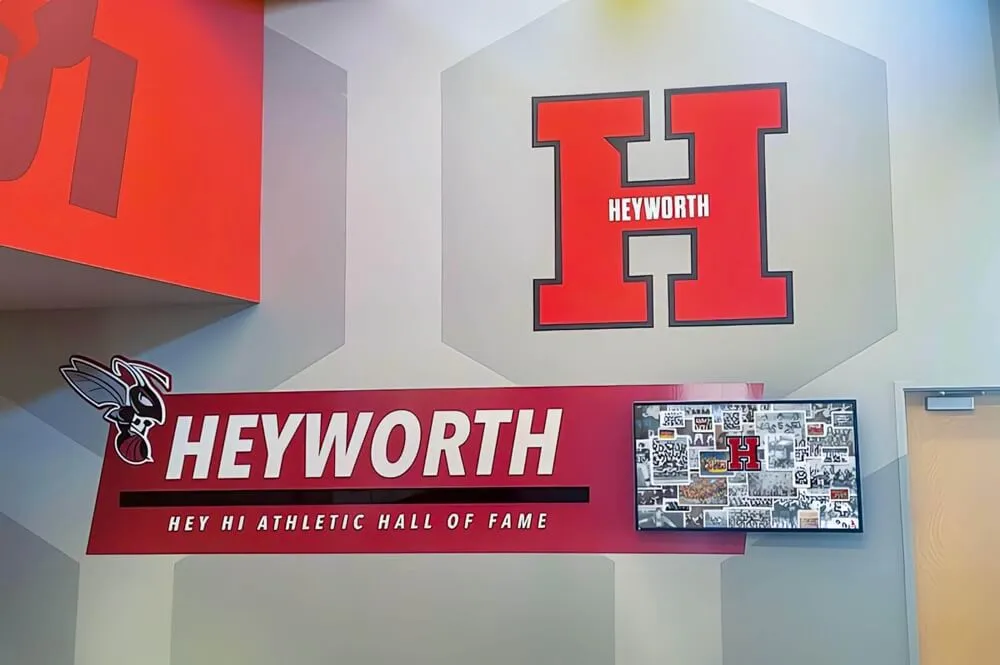
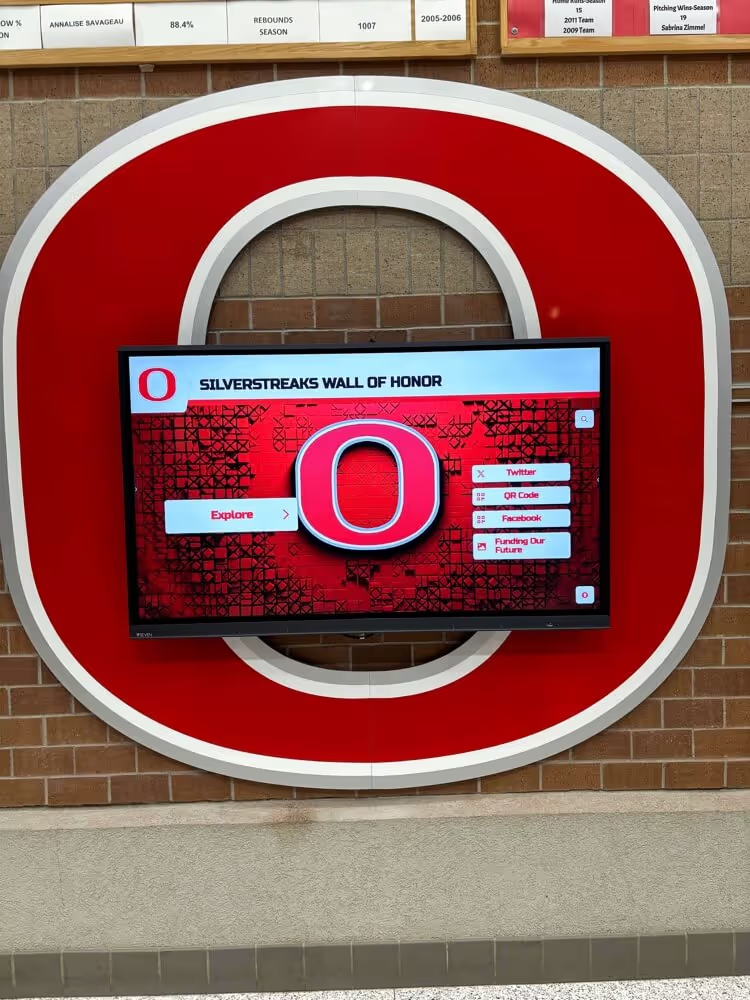
Interactive displays facilitate conversation and connection at alumni gatherings
Graduate Program Alumni: Specialized Professional Communities
Graduate and professional school alumni represent particularly engaged segments:
Strong Professional Network Focus MBA programs, law schools, medical schools, and other professional degree programs create powerful career networks. Alumni view these connections as primary program benefits, often valuing network access even above academic content. Events facilitating professional connections drive high attendance and satisfaction.
Graduate program events frequently emphasize industry trends, professional development content, and structured networking rather than purely social gatherings. Alumni expect to leave events with tangible professional value beyond mere socializing.
Higher Giving Capacity Professional degree holders typically earn higher incomes than bachelor’s degree alumni, creating greater philanthropic capacity. Events targeting these populations can include higher price points when delivering commensurate value, with proceeds supporting program scholarships and development.
However, busy professionals have limited time. Events must respect demanding schedules through efficient formats, clear value propositions, and convenient timing and locations. A rushed professional networking reception often succeeds where a lengthy dinner program fails.
Continuing Education Integration Graduate and professional programs increasingly offer continuing education, certifications, and executive education creating ongoing relationships extending beyond initial degree completion. Alumni events integrated with these educational offerings deliver immediate professional value while maintaining institutional connections and generating non-philanthropic revenue.
Alumni Event Ideas by Category
The following 100 event ideas span diverse formats, purposes, and resource requirements. Mix and match approaches creating balanced event portfolios serving different alumni segments, achieving varied objectives, and accommodating realistic resource constraints.
Classic Reunion Events (Ideas 1-15)
Reunion gatherings remain alumni engagement foundations:
1. Traditional Class Reunions Milestone reunions (5th, 10th, 25th, 50th) bring graduation classes together for nostalgic celebration. Successful reunions balance structured programming with casual mingling time, include campus tours showing institutional evolution, and feature compelling displays or presentations honoring class heritage.
2. All-Class Reunion Weekends Rather than individual class events, consolidate multiple milestone classes into single weekend creating critical mass and operational efficiency. Shared activities build cross-generational connections while class-specific programming honors unique cohort identities.
3. Reunion Tailgates and Athletic Events Schedule reunions around homecoming football games, basketball tournaments, or other competitions attracting alumni attendance regardless of reunion programming. Pre-game tailgates and post-game receptions create natural gathering opportunities around existing attendance drivers.
4. Family-Friendly Reunion Picnics Casual outdoor events welcoming spouses, children, and extended families create comfortable atmospheres where alumni bring personal communities into institutional settings. Picnics, BBQs, and park gatherings minimize formal barriers while maximizing inclusion.
5. Virtual Reunion Options Not all alumni can attend in-person events due to distance, health, cost, or schedule conflicts. Virtual alumni event platforms enable remote participation ensuring geographic barriers don’t prevent reunion engagement.
6. Reunion Giving Campaigns Structure reunions around class giving challenges with participation goals and friendly competition between classes. Public recognition for high participation rates and total giving creates positive peer pressure while supporting institutional priorities.
7. Memory Wall and Archive Displays Deploy interactive digital displays featuring reunion class photographs, yearbook pages, and submitted memories. Touchscreen technology enables attendees to search for themselves and classmates while submitting stories and updates for permanent archives.
8. Distinguished Alumni Recognition Ceremonies Honor accomplished class members during reunions through awards recognizing professional achievement, community service, or institutional support. Recognition ceremonies provide programming substance while celebrating individual excellence.
9. Legacy Building Activities Organize class service projects, tree plantings, or facility naming opportunities creating physical legacies marking reunion attendance. These activities generate meaning beyond social gathering while potentially supporting fundraising objectives.
10. “Then and Now” Campus Tours Guide reunion attendees through campus highlighting changes since graduation while honoring traditions and familiar spaces. Tours educate alumni about institutional progress while triggering nostalgia for remembered locations.
11. Faculty and Administrator Panels Feature beloved teachers, coaches, or administrators (retired or current) for Q&A sessions sharing institutional history and answering alumni questions. These sessions create meaningful intergenerational connections while honoring influential educators.
12. Reunion Class Video Compilations Collect video messages from classmates unable to attend, compile into presentation screening during events. Remote alumni feel included while attendees discover absent classmates’ current lives and accomplishments.
13. Decade Dance Parties Theme reunion parties around music and culture from graduation decades. ’80s parties, ’90s throwbacks, and disco nights create fun atmospheres celebrating shared generational experiences.
14. Classmate Spotlight Presentations Feature brief presentations from classmates with interesting careers, unique life paths, or compelling stories. These spotlights educate attendees about impressive peers while potentially identifying future speakers, donors, or volunteers.
15. Reunion Memory Books Create commemorative books featuring attendee photographs, submitted memories, class statistics, and historical content. Physical or digital books become treasured keepsakes while documenting reunion gatherings for historical records.
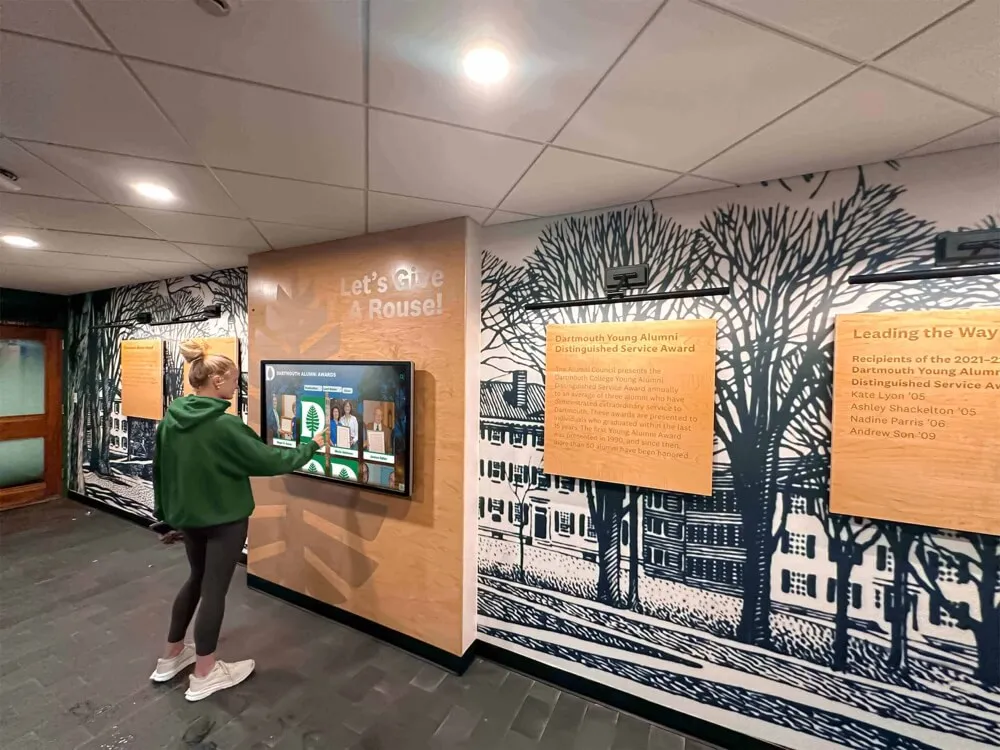
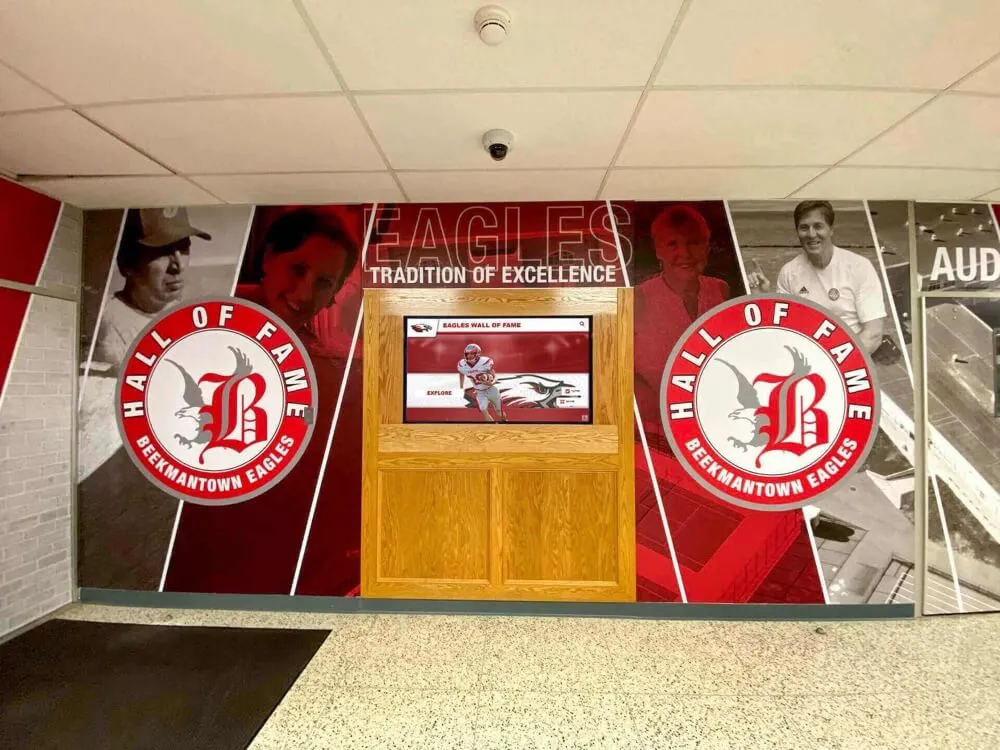
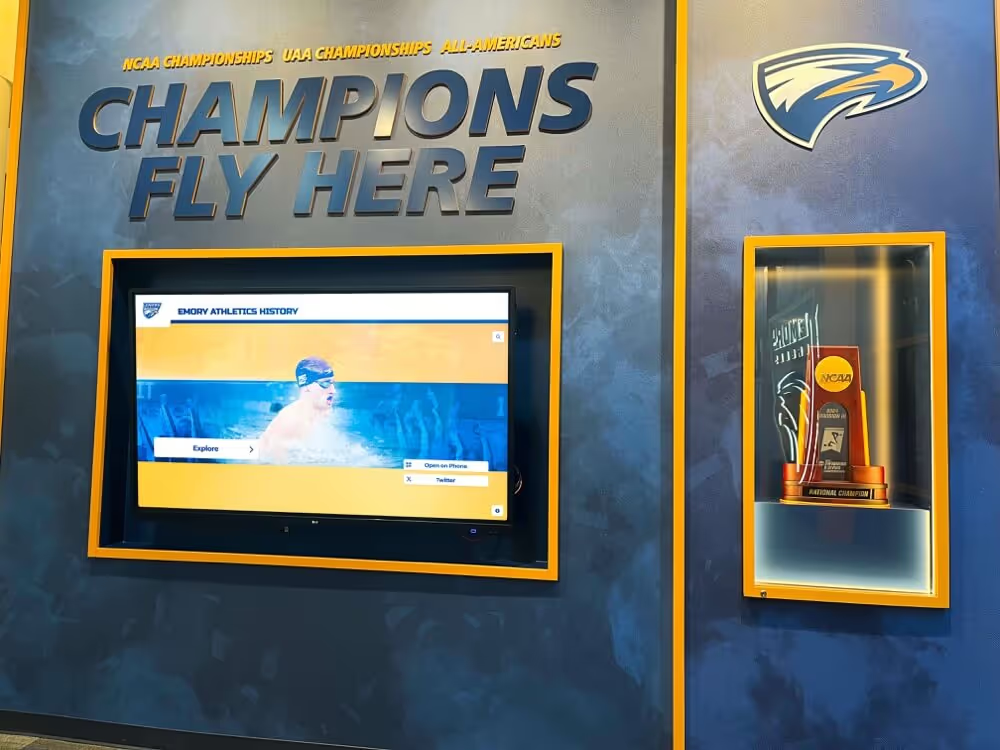
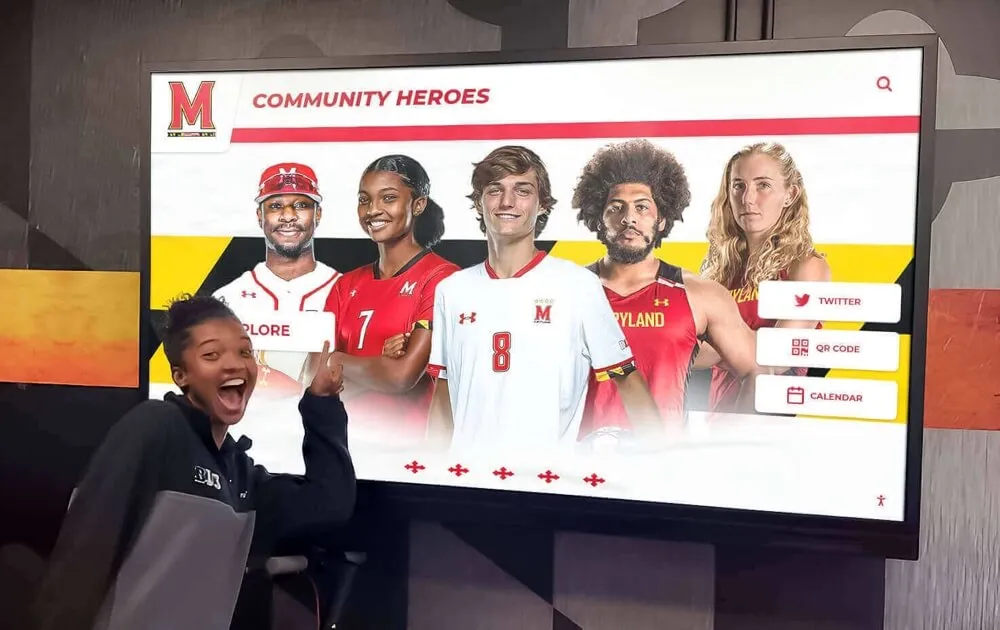
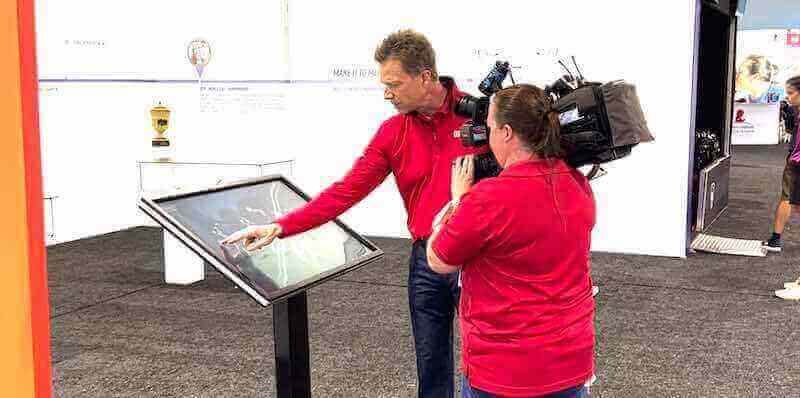
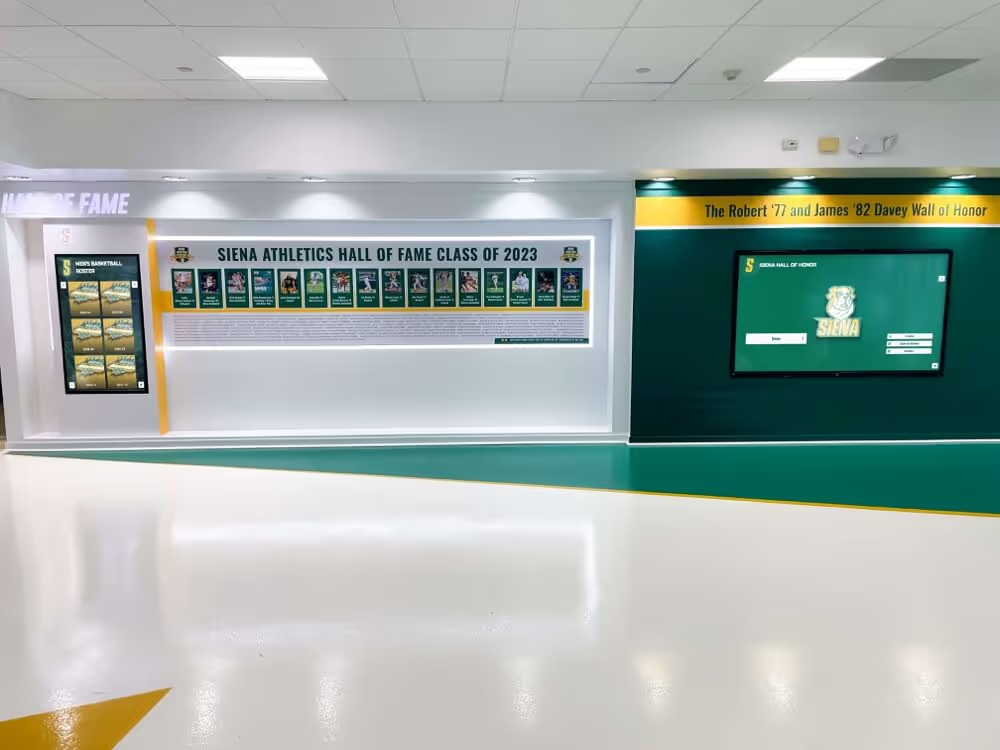
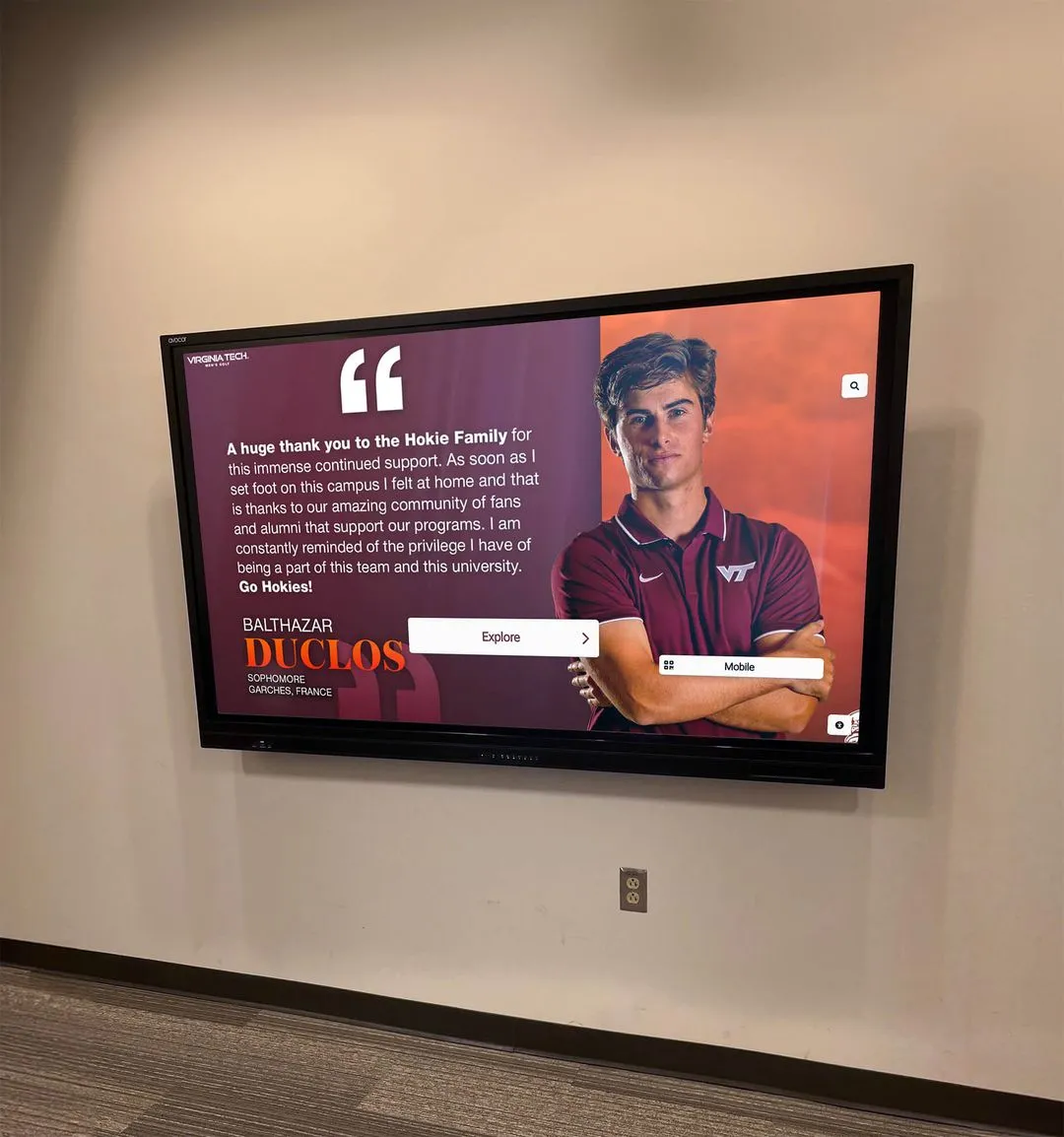
Strategic display placement creates engaging experiences throughout campus visits
Professional Networking Events (Ideas 16-30)
Career-focused programming drives alumni engagement, particularly for universities and professional programs:
16. Industry-Specific Networking Receptions Organize events bringing together alumni working in specific industries—finance, technology, healthcare, education, entertainment. Focused gatherings enable substantive professional conversations impossible at general mixers.
17. Alumni Career Mentor Panels Panel discussions featuring successful alumni sharing career journeys, industry insights, and advice create value for attendees while identifying potential student mentors. Follow panel discussions with networking time enabling one-on-one connections.
18. Young Alumni Professional Development Series Recent graduates (within 10 years) particularly value career development programming. Workshop series covering negotiation skills, career transitions, leadership development, and workplace challenges serve this population while building engagement habits lasting throughout alumni life.
19. Regional Chapter Professional Mixers Alumni chapters in major cities host regular networking events—monthly happy hours, quarterly breakfast meetings, annual receptions—maintaining active local communities facilitating professional and social connections.
20. Alumni-Student Networking Events Connect current students with alumni professionals for informational interviews, industry insights, internship discussions, and mentorship. These events benefit both constituencies while demonstrating tangible alumni network value to prospective students and families.
21. Executive Roundtables Intimate gatherings of senior-level alumni executives discussing leadership challenges, industry trends, and business strategy create high-value networking for accomplished professionals. Limited capacity and careful curation ensure productive peer exchanges.
22. Entrepreneurship and Startup Showcases Events featuring alumni entrepreneurs pitching ventures, discussing startup challenges, and seeking advice or investment create engaging programming while potentially facilitating business connections and investment opportunities.
23. LinkedIn and Social Media Strategy Workshops Practical sessions teaching professional online presence optimization, LinkedIn networking strategies, and personal branding help alumni while demonstrating institutional commitment to career success beyond graduation.
24. Industry Expert Speaker Series Invite prominent alumni or external experts presenting on relevant professional topics. Speakers attract attendance while providing substantive content creating genuine value justifying time investment. Solutions like digital recognition systems can showcase speaker accomplishments and connect attendees with featured professionals.
25. Corporate Partner Networking Events Collaborate with companies employing alumni or recruiting graduates for co-hosted events. Corporate partners often cover costs while alumni gain direct access to hiring managers and company representatives.
26. Alumni Board Member Networking Connect alumni serving on corporate or nonprofit boards for peer networking focused on governance, board service, and organizational leadership. Board member networks represent particularly influential alumni segments.
27. Professional Skill-Building Workshops Offer practical workshops teaching specific skills—public speaking, financial planning, negotiation, data analytics—providing tangible value that enhances careers while demonstrating ongoing institutional investment in alumni success.
28. Women in Leadership Gatherings Affinity-based networking events for female alumni create supportive communities addressing gender-specific career challenges while building networks that facilitate mentorship and professional advancement.
29. Diversity, Equity, and Inclusion Professional Forums Events addressing workplace DEI challenges, creating minority professional networks, and discussing diversity in various industries serve underrepresented alumni while advancing important institutional values.
30. International Alumni Business Connections For institutions with global alumni, facilitate international business networking connecting graduates across borders for global career opportunities and cross-cultural professional relationships.
Social and Entertainment Events (Ideas 31-45)
Pure enjoyment creates community bonds and positive associations:
31. Game Watching Parties Host gatherings at sports bars, alumni centers, or homes for watching important athletic competitions. Championship games, rivalry matchups, and tournament appearances attract passionate fans creating emotional shared experiences.
32. Alumni Wine Tastings and Brewery Tours Social events at wineries, breweries, or distilleries (particularly alumni-owned) create relaxed networking in interesting settings. Tastings provide conversation starters while supporting alumni businesses.
33. Cultural Event Group Outings Organize group attendance at museums, theaters, concerts, or exhibitions. Shared cultural experiences create connection while introducing alumni to local attractions they might not otherwise visit.
34. Alumni Book Club Regular virtual or in-person meetings discussing selected books create intellectual communities. Feature books written by alumni authors or related to institutional history, academic disciplines, or social issues.
35. Cooking Classes and Culinary Events Interactive cooking demonstrations or classes taught by chef alumni create fun, hands-on experiences fostering connection through shared activity. Virtual cooking classes enable broad geographic participation.
36. Alumni Adventure Outings Organize hiking trips, kayaking excursions, cycling tours, or other outdoor activities appealing to active alumni. Adventure outings attract different demographics than traditional receptions while building camaraderie through shared challenge.
37. Trivia Nights School-themed trivia competitions testing institutional knowledge create fun competitions while educating participants about history and traditions. Combine general trivia with school-specific categories ensuring broad appeal.
38. Alumni Travel Programs Educational tours to interesting destinations—guided by alumni experts or featuring institutional representatives—create unique experiences while generating revenue through trip fees. Virtual reality historical experiences can complement physical travel programs.
39. Holiday Social Events Seasonal gatherings around major holidays create festive atmospheres while providing natural scheduling hooks. Annual holiday parties become traditions alumni anticipate and prioritize.
40. Alumni Art Exhibitions Showcase artwork created by alumni artists in campus galleries, alumni centers, or virtual exhibitions. Receptions celebrating featured artists create networking opportunities while honoring creative accomplishment.
41. Musical Performances by Alumni Concert events featuring alumni musicians, from classical recitals to rock bands, celebrate artistic talent while attracting audiences interested in live music. Performances create memorable experiences while potentially generating ticket revenue.
42. Comedy Nights with Alumni Performers Comedy shows featuring alumnus comedians or improv groups create entertaining evenings attracting younger alumni and creating lighthearted fun differentiating programs from typical receptions.
43. Film Screenings Show films directed by alumni, documentaries about institutional history, or movies filmed on campus with post-screening discussions featuring relevant guests. Digital archives can provide historical context for older institutional films.
44. Golf Tournaments and Sports Leagues Annual golf tournaments, softball leagues, or basketball competitions create regular engagement opportunities for athletically inclined alumni while potentially serving as fundraisers through entry fees and sponsorships.
45. Family Day Events Large-scale gatherings welcoming entire families with children’s activities, campus tours, and informal socializing create inclusive atmospheres recognizing alumni as whole people with family commitments influencing participation decisions.
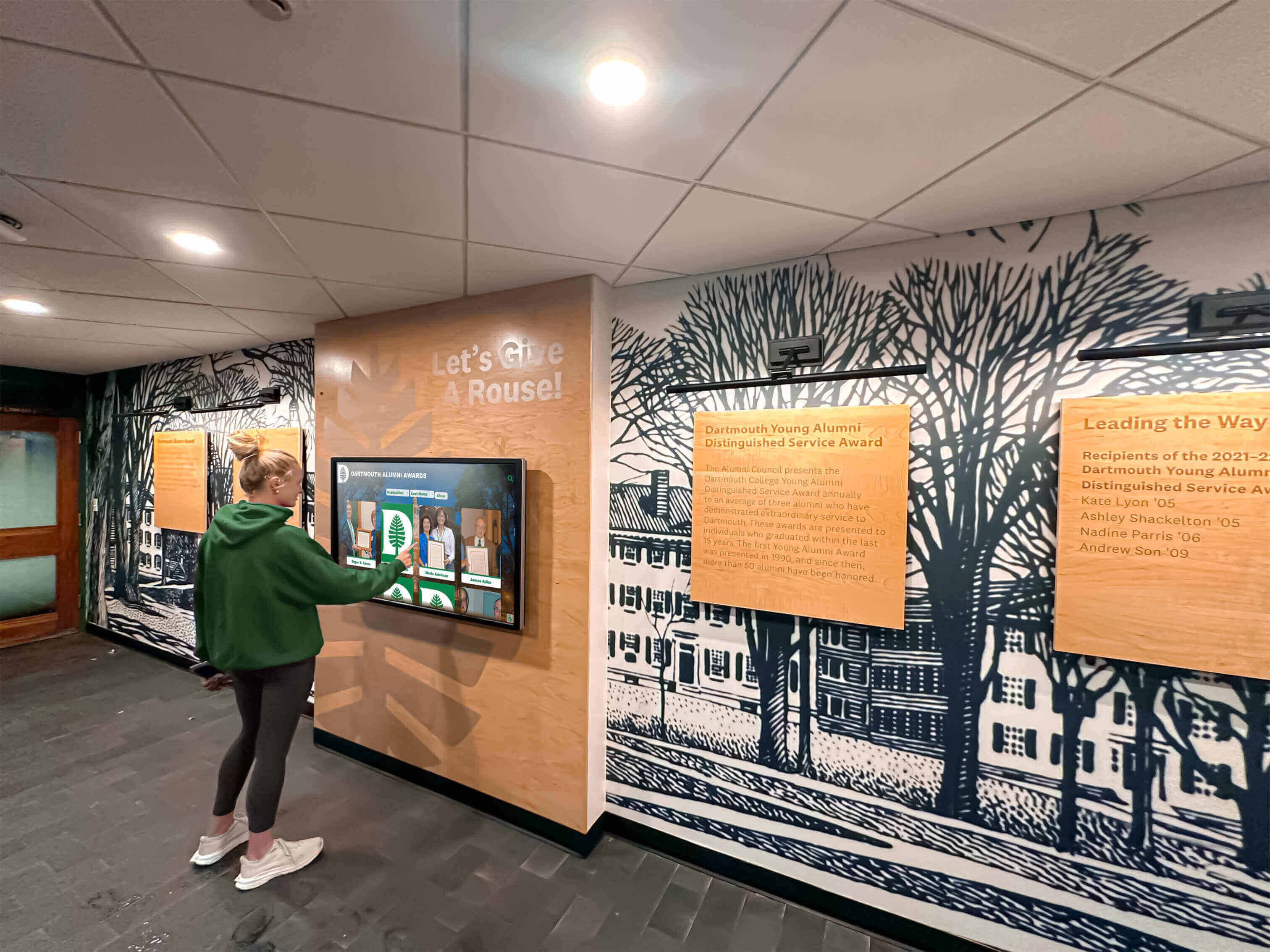
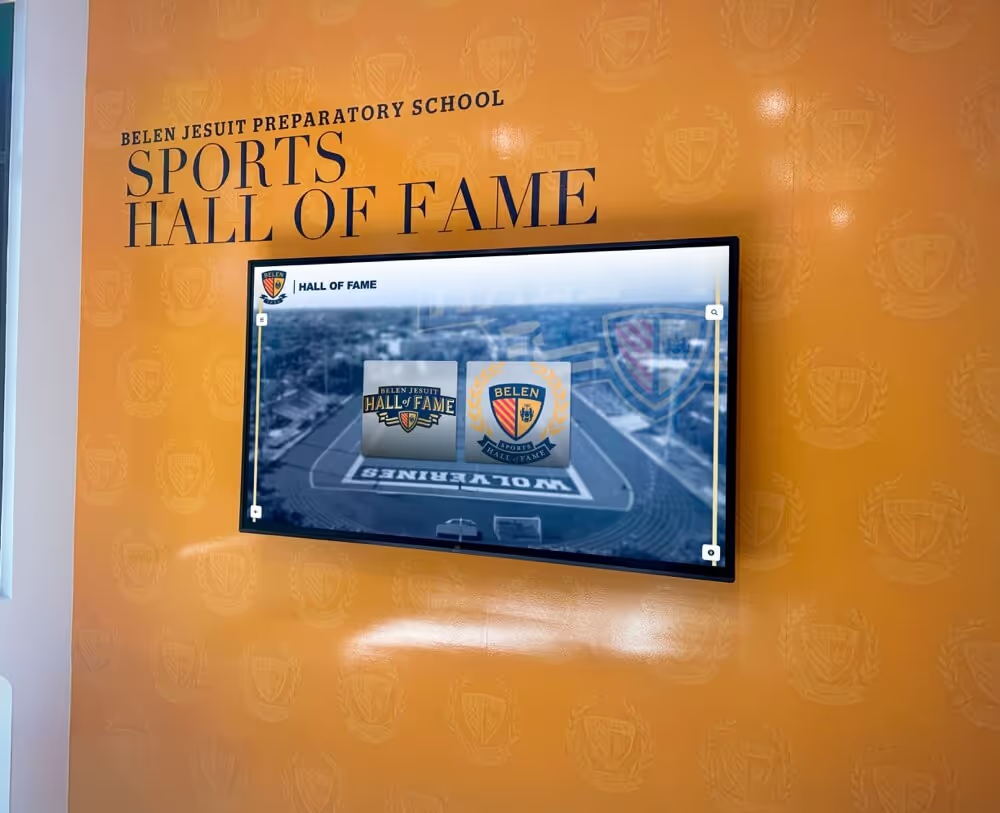
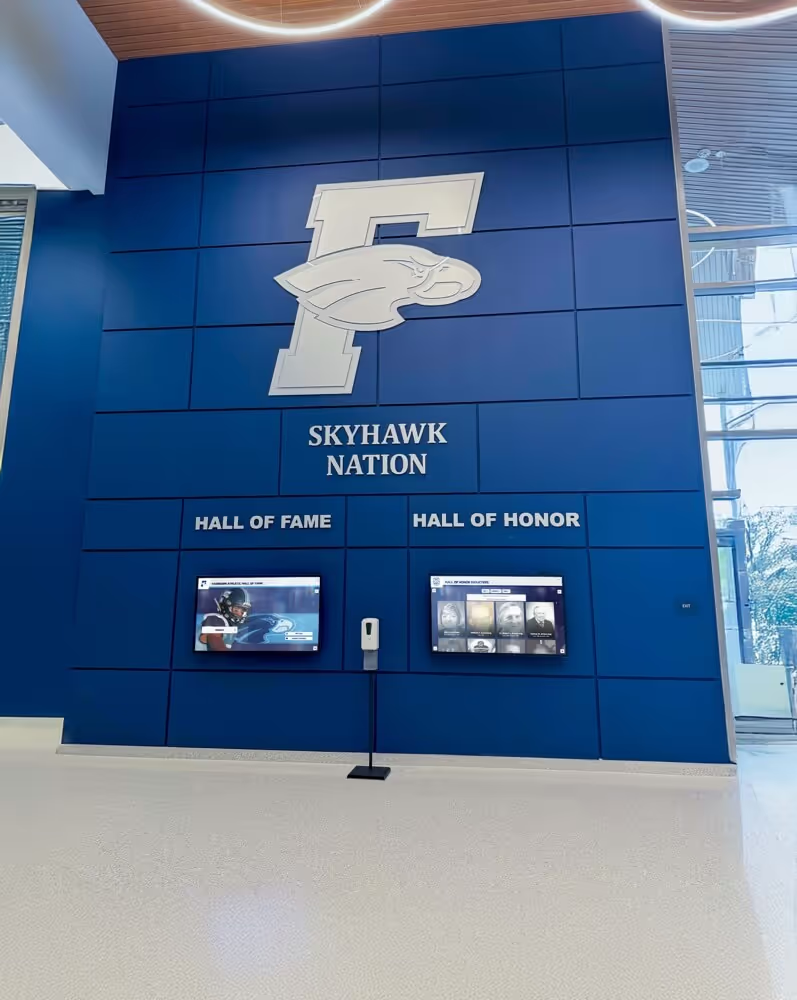
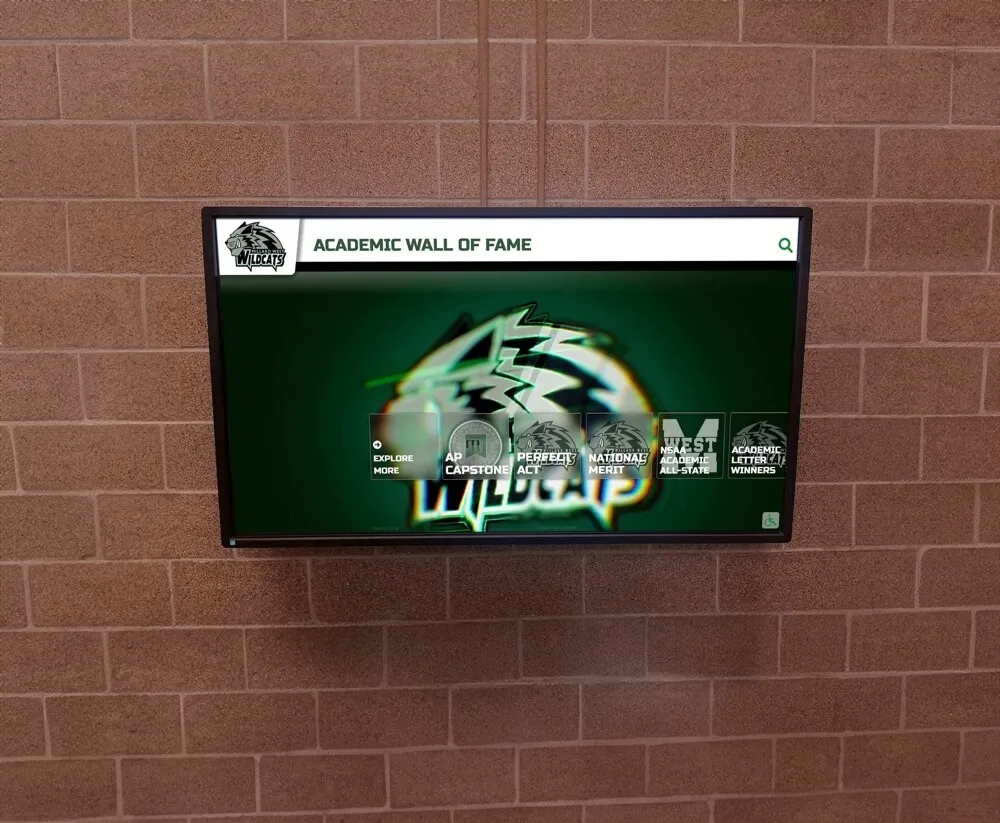
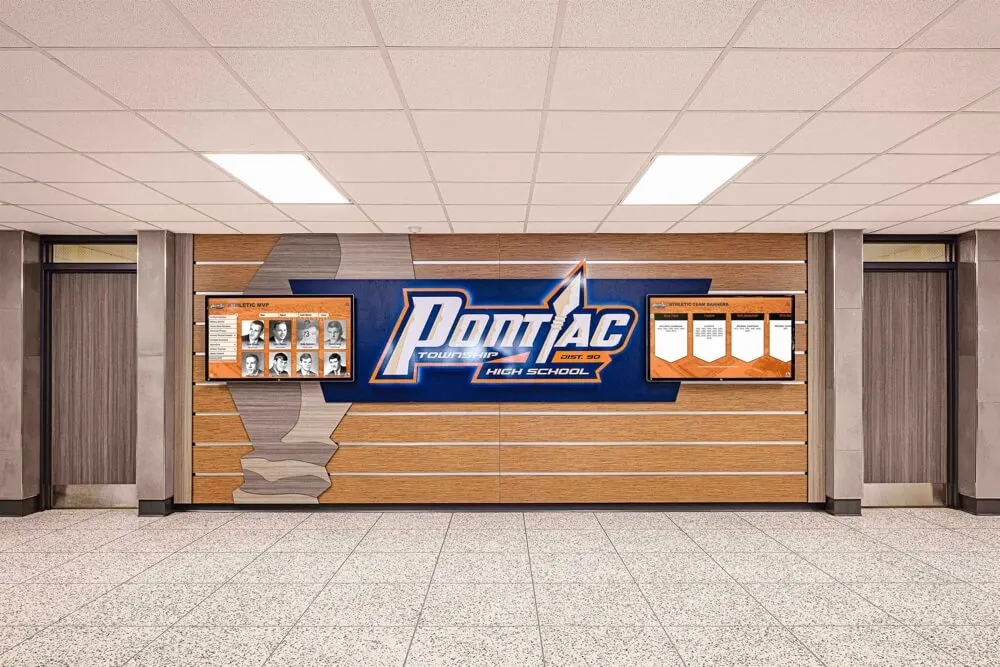
Alumni displays inspire current students while honoring graduate accomplishments
Educational and Intellectual Events (Ideas 46-60)
Substantive programming engages curious minds:
46. Faculty Research Presentations Faculty members present research to alumni audiences in accessible formats presenting institutional academic excellence while educating supporters about scholarly work their philanthropy enables.
47. Alumni Expert Lectures Feature accomplished alumni presenting on professional expertise—legal trends, medical advances, technological innovations, policy developments—positioning graduates as thought leaders while providing genuine intellectual value.
48. Continuing Education Seminars Offer professional development or personal enrichment courses taught by faculty or alumni experts. Credit-bearing programs create ongoing relationships while generating revenue through enrollment fees.
49. Current Events Discussion Forums Facilitate moderated discussions about significant current events bringing diverse alumni perspectives to complex issues. Civil discourse around challenging topics builds intellectual community while modeling productive dialogue.
50. Alumni Author Readings Authors presenting recently published books create intimate events celebrating literary accomplishment while providing interesting content. Readings work particularly well in campus libraries or bookstores.
51. TED-Style Talks Series “Ideas Worth Spreading” events featuring short, compelling presentations from diverse alumni on fascinating topics create engaging formats appealing to intellectually curious audiences.
52. Documentary Film Screenings About Important Issues Educational documentaries followed by discussions featuring expert alumni or faculty create meaningful dialogues about significant social, environmental, or political issues.
53. Historical Lectures and Archive Presentations Institutional historians or archivist-led presentations exploring school history educate alumni about heritage they may not fully appreciate while honoring traditions and evolution. Digital historical archives make rare materials accessible.
54. Science Demonstrations and Lab Tours Hands-on science experiences in institutional laboratories create memorable experiences while presenting facilities and research capabilities impressing alumni and potentially inspiring philanthropic support.
55. Language and Culture Workshops Interactive sessions teaching languages or exploring cultural traditions create engaging learning experiences connecting alumni through shared educational pursuit.
56. Philosophy and Ethics Roundtables Discussion groups exploring philosophical questions and ethical dilemmas attract thoughtful alumni interested in meaningful intellectual exchange beyond professional networking.
57. Alumni Thesis and Dissertation Symposiums Recent graduate students present thesis or dissertation research in accessible formats, celebrating scholarly achievement while educating audiences about diverse research happening at institutions.
58. Interdisciplinary Panel Discussions Panels featuring alumni from diverse fields addressing single complex topic from multiple perspectives demonstrate how liberal education creates flexible thinkers able to address challenges from varied vantage points.
59. Online Learning Communities Virtual platforms facilitating ongoing discussion, resource sharing, and intellectual exchange among alumni create continuous engagement between in-person events while enabling participation regardless of geography.
60. Alumni University or College Comprehensive continuing education programs offering courses, certificates, and degree completion opportunities create ongoing institutional relationships extending far beyond typical alumni engagement while serving educational missions and generating revenue.
Service and Volunteer Events (Ideas 61-70)
Shared service creates purpose and community:
61. Community Service Days Organize group volunteer activities—park cleanups, food bank service, habitat construction—creating meaningful shared experiences advancing community welfare while building alumni relationships through common purpose.
62. Alumni Mentorship Program Launches Formal mentorship programs connecting experienced alumni with recent graduates, current students, or career-transitioning peers require launch events and ongoing touchpoints creating structured engagement opportunities serving multiple constituencies.
63. Career Day Volunteer Opportunities Alumni return to campus for career days, speaking to classes about professional paths, conducting informational interviews, or reviewing resumes. Volunteering serves students while creating meaningful institutional connection for participants.
64. Scholarship Fundraising Events Fundraisers explicitly supporting student scholarships—benefit dinners, charity auctions, giving days—attract alumni motivated by educational access and student support. Transparency about fund purpose increases giving likelihood.
65. Alumni Admissions Volunteer Recruitment and Training Events recruiting and training alumni volunteers for admissions interviewing, student recruitment, and yield programming create productive volunteer corps while educating participants about current institutional realities.
66. Board Service Information Sessions Informational gatherings explaining nonprofit board service opportunities help interested alumni develop governance skills while potentially recruiting qualified board members for institutional or affiliated organization service.
67. Phonathon and Annual Giving Campaigns Alumni volunteer to call fellow graduates during annual giving campaigns. Volunteer participation creates personal outreach more effective than professional calling centers while building skills and institutional knowledge.
68. Young Alumni Community Building Early-career graduates organize service projects, social events, and professional programming for recent alumni, with institutional support but significant graduate leadership developing future volunteer leaders.
69. Legacy Family Engagement Special programming for families with multi-generational institutional connections honors tradition while cultivating next-generation engagement. Legacy families often demonstrate highest loyalty and giving patterns.
70. Reunion Giving Committee Service Alumni volunteer on reunion giving committees coordinating classmate outreach, solicitation, and recognition. Committee participation creates meaningful volunteer roles while advancing fundraising objectives.

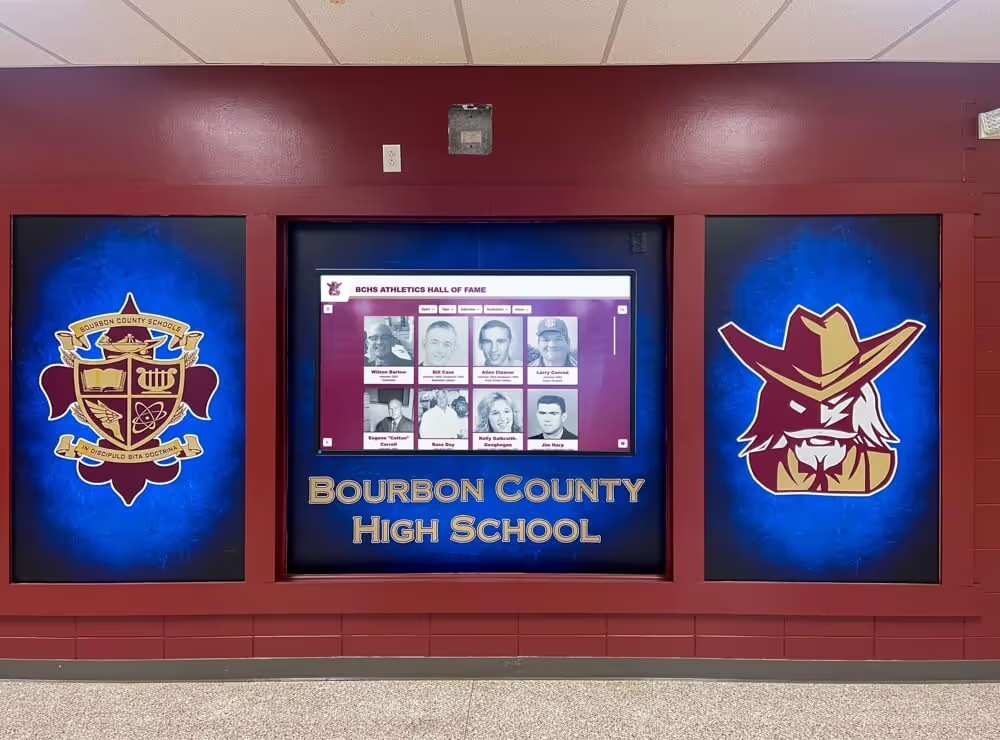
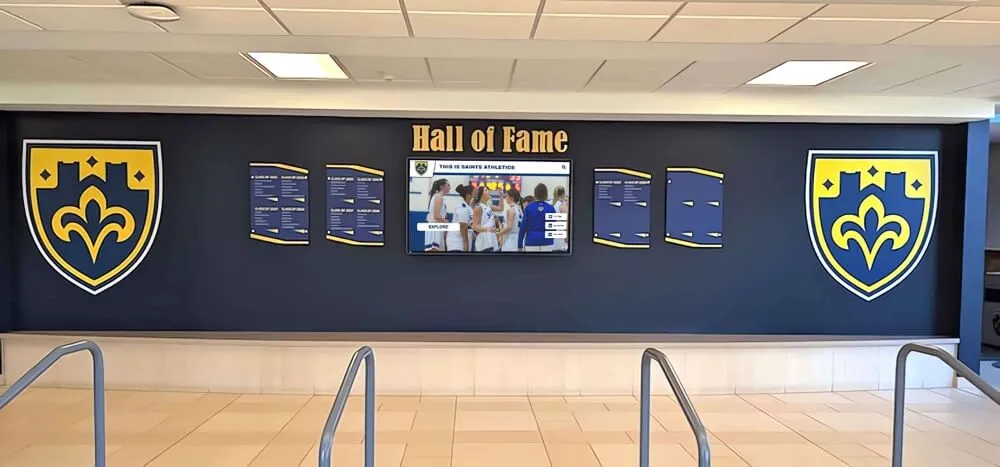
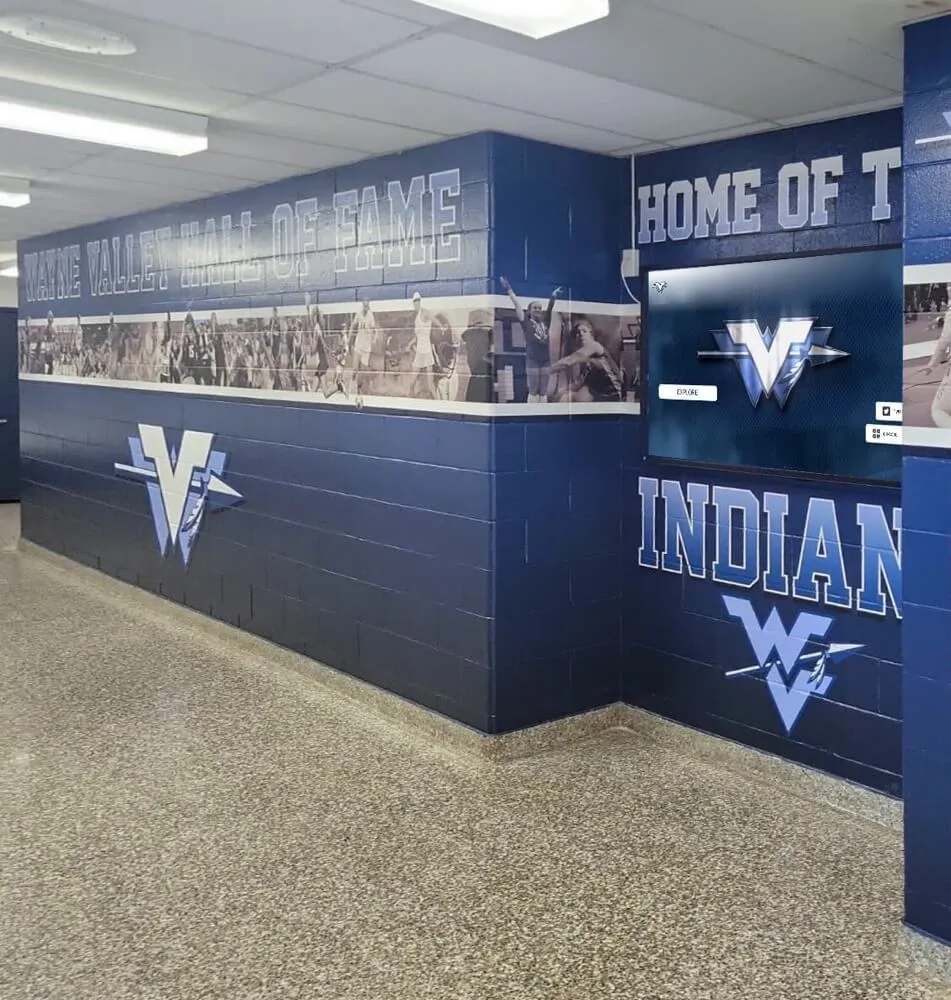
Recognition walls create gathering spaces strengthening community identity and shared values
Virtual and Hybrid Events (Ideas 71-80)
Digital platforms expand reach and accessibility:
71. Virtual Homecoming Celebrations Livestream homecoming athletic events, speeches, and performances enabling remote alumni participation. Virtual attendees feel connected to campus festivities despite geographic separation.
72. Online Panel Discussions and Webinars Professional development or topical discussions conducted via video conference enable participation regardless of location. Recording sessions creates on-demand content for alumni unable to attend live.
73. Virtual Campus Tours Interactive online tours presenting campus evolution, new facilities, and institutional progress keep distant alumni connected to physical spaces they remember while demonstrating growth and investment.
74. Alumni Social Media Takeovers Feature alumni “taking over” institutional social media accounts for days, sharing their lives and perspectives. Takeovers create engaging content while profiling diverse graduates.
75. Virtual Fitness Classes Alumni instructors leading online yoga, HIIT, or meditation sessions create wellness-focused community building accessible to all regardless of location or fitness level.
76. Online Networking Platforms Purpose-built alumni networking platforms enable ongoing connection, mentoring, and professional networking between events. Platforms create infrastructure for self-organized engagement complementing institutional programming.
77. Hybrid Event Models Simultaneous in-person and virtual participation options maximize inclusion. Interactive displays can feature remote participants alongside physical attendees.
78. Virtual Happy Hours and Social Gatherings Informal video gatherings with structured conversation starters create casual socializing opportunities for dispersed alumni. Themed discussions or activities provide light structure preventing awkward silence.
79. Online Game Competitions Virtual trivia competitions, online gaming tournaments, or word game challenges create fun engagement requiring minimal organization while enabling broad participation across time zones.
80. Virtual Giving Days with Social Media Amplification 24-hour fundraising campaigns leveraging social media sharing, challenge matches, and alumni ambassadors create momentum and excitement around annual giving while enabling remote participation in fundraising events.
Affinity and Identity-Based Events (Ideas 81-90)
Targeted programming serves specific alumni populations:
81. LGBTQ+ Alumni Networking and Support Create inclusive spaces for LGBTQ+ identifying alumni to connect, network, and build community. Affinity programming acknowledges that not all alumni feel equally comfortable in general gatherings.
82. Black Alumni Association Events Programming specifically for Black graduates creates culturally affirming spaces while building networks supporting professional advancement and institutional advocacy.
83. Latino/Hispanic Alumni Community Gatherings Cultural celebrations, professional networking, and community service events serve Latino/Hispanic alumni while potentially supporting recruitment of Latino students through visible graduate communities.
84. Asian American and Pacific Islander Alumni Networks Affinity programming for AAPI graduates recognizes diverse Asian and Pacific Islander cultures while creating communities addressing specific cultural experiences and professional challenges.
85. International Alumni Regional Events Chapter events in major international cities serve alumni living abroad, maintaining institutional connections despite geographic distance while potentially supporting international student recruitment.
86. Veteran Alumni Networking Military veteran graduates share unique experiences and challenges transitioning to civilian careers. Veteran-specific programming creates peer support networks while honoring military service.
87. First-Generation Graduate Celebrations Events honoring first-generation college graduates recognize significant achievement while building networks supporting students from similar backgrounds. First-gen alumni often demonstrate strong institutional loyalty.
88. Alumni Parent Networks Programming for alumni whose children currently attend creates natural engagement opportunities while leveraging parental institutional involvement typically highest during children’s enrollment.
89. Religious and Faith-Based Gatherings For faith-affiliated institutions, religious observances, spiritual discussions, or service projects aligned with religious values create meaningful engagement reflecting institutional missions.
90. Alumni Athletics Associations Former student-athletes maintain strong institutional identity. Athletic alumni events—games, recognition ceremonies, sports participation opportunities—use particularly engaged alumni segments.
Campus Visit and Immersion Events (Ideas 91-100)
On-campus experiences create powerful reconnection:
91. Homecoming Weekend Traditional homecoming celebrations combining athletic competitions, class reunions, campus tours, student performances, and social gatherings create critical mass attracting diverse alumni segments simultaneously.
92. Leadership Weekend or Alumni College Multi-day immersive programs bringing alumni to campus for learning, service, and community building create deep engagement impossible in single-evening events.
93. Commencement and Reunion Combination Invite reunion classes returning for milestone celebrations to attend commencement ceremonies, creating intergenerational connections while exposing graduates to institutional vitality and new student enthusiasm.
94. Athletic Hall of Fame Induction Ceremonies Annual ceremonies inducting distinguished athletes create special occasions attracting honorees’ families, former teammates, and fans. Digital athletic recognition systems can preserve inductee stories permanently.
95. Special Campus Building Dedications Major facility openings, renovations, or dedications provide natural gathering occasions celebrating institutional progress while potentially recognizing major donors and generating excitement about growth.
96. Academic Department or Program Anniversaries Milestone celebrations for specific academic departments bring alumni from particular majors together for specialized programming honoring program histories while potentially supporting department-specific fundraising.
97. Guest Lecture Series Featuring Distinguished Alumni Returning successful graduates as guest lecturers serves current students while creating special recognition for featured alumni. Lectureships can become named honors for particularly distinguished speakers.
98. Student Performance Showcases Invite alumni to theater productions, musical performances, art exhibitions, or athletic competitions presenting current student talent. These events demonstrate institutional excellence while creating cross-generational connections.
99. Move-In Day Volunteer Opportunities Alumni volunteer helping new students move into residence halls create memorable first impressions for students and families while providing meaningful service roles for graduates wanting campus connection.
100. Campus Beautification and Improvement Projects Organize alumni volunteer days for campus improvement projects—painting, gardening, minor repairs—enabling hands-on contribution while creating visible legacy of alumni service.
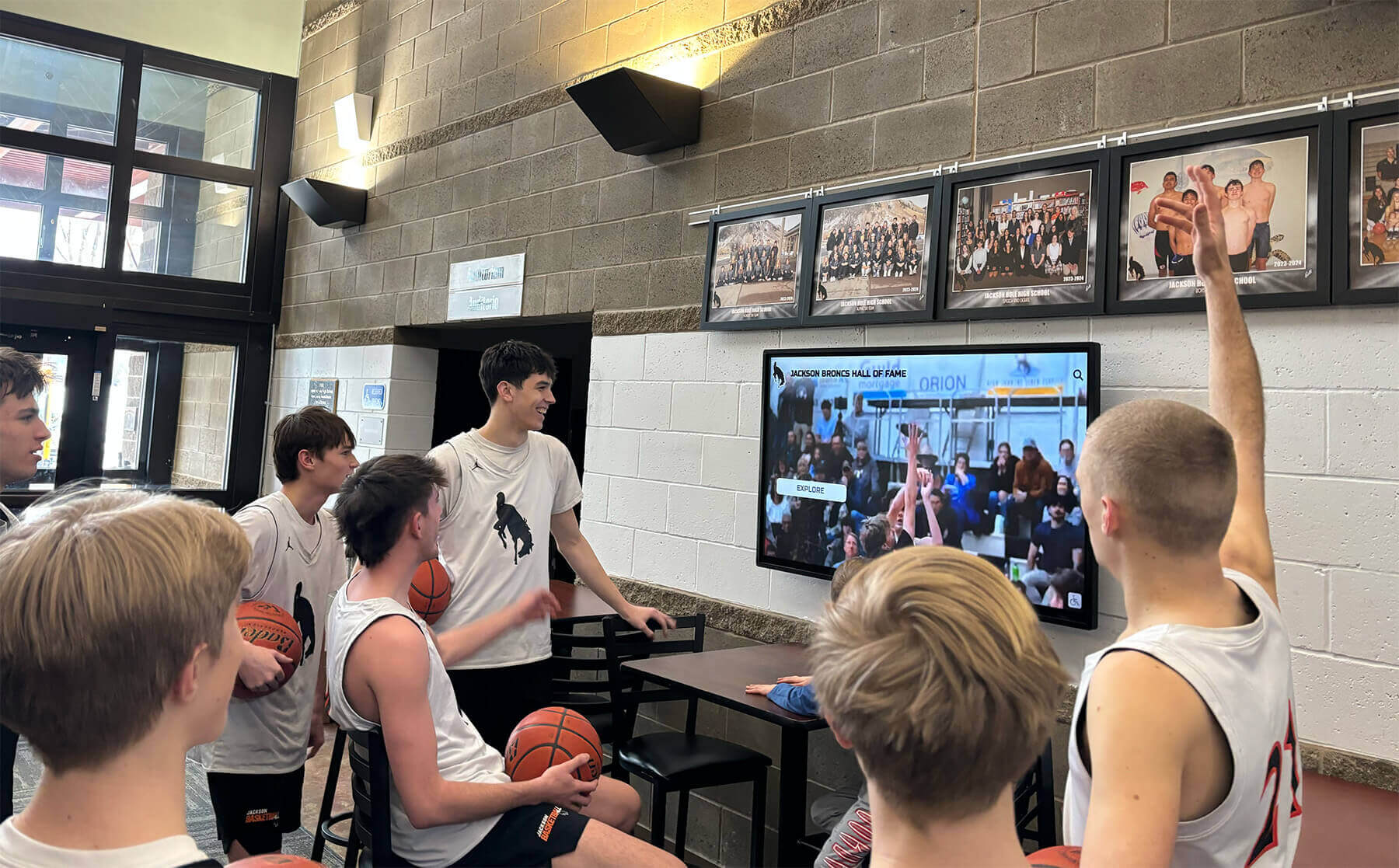
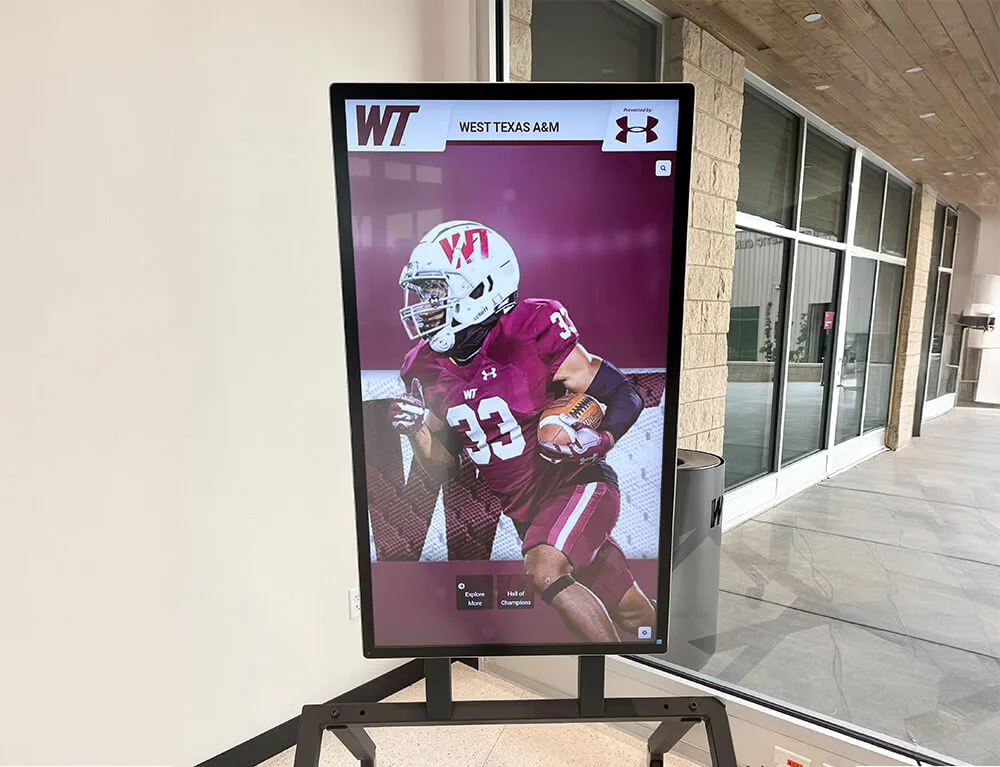
Digital displays create engagement opportunities for current students and returning alumni alike
Extra Fun and Creative Alumni Event Ideas
Push boundaries with innovative approaches that surprise and delight:
Experiential and Adventure Events
Time Capsule Opening Ceremonies Open time capsules buried decades ago by previous classes, creating nostalgic moments while potentially burying new capsules for future opening, connecting past, present, and future alumni generations.
Escape Room Challenges Organize team-based escape room experiences using school-themed puzzles and historical references. Competition between alumni teams creates fun challenge while fostering collaboration and problem-solving.
Murder Mystery Dinners Theatrical interactive dinners where alumni play characters solving fictional murders set in institutional history create entertaining evenings combining performance, history, and social interaction.
Alumni Olympic Games Multi-sport competition days featuring lighthearted athletic challenges—three-legged races, egg tosses, tug-of-war—create nostalgic fun without requiring serious athletic ability. Friendly competition builds camaraderie.
Flashmob or Dance Performances Organize surprise coordinated performances in public spaces or during campus events. Planning and execution creates shared creative experience while generating attention and social media content.
Innovative Virtual Experiences
Alumni Podcasts Launch podcast series featuring alumni interviews, discussions of institutional history, or explorations of timely topics. Ongoing content creates continuous engagement touchpoints between live events.
Virtual Reality Campus Experiences Create VR campus tours enabling immersive exploration of facilities, historical sites, and new buildings from anywhere. Technology makes physical campus accessible to those unable to visit.
Online Classes Taught by Alumni Experts Series of virtual courses taught by accomplished alumni on diverse topics—cooking, photography, business skills, wellness—provide genuine value while creating instructor-participant connections.
Alumni Talent Shows Virtual or in-person showcases of alumni talents—musical performances, comedy, magic, spoken word—celebrate diverse abilities while creating entertaining evenings presenting community talent.
Digital Scavenger Hunts Online challenges requiring participants to research institutional history, discover alumni accomplishments, or explore digital archives create engaging competitive experiences driving interaction with heritage content.
Unique Recognition and Celebration
Alumni Awards Galas Formal ceremonies recognizing distinguished alumni across categories—professional achievement, service, young alumni, arts—create aspirational recognition programs while generating fundraising through table sales and sponsorships.
Surprise and Delight Pop-Up Events Unannounced gatherings in unexpected locations—flash alumni meetups in public places, surprise appearances at alumni workplaces—create memorable moments while generating social media excitement.
“Where in the World” Alumni Edition Social media campaign featuring photos of alumni holding institutional banners or wearing branded items in exotic locations worldwide. Submissions create engaging content while celebrating geographic diversity.
Alumni Time Travel Themed Events “Return to [Decade]” parties where attendees dress in period-appropriate attire, enjoy music and food from specific eras, and share memories from particular time periods create immersive nostalgic experiences.
Legacy Stone or Brick Campaigns Sell engraved bricks, stones, or tiles installed in prominent campus locations enabling alumni to create permanent physical presence on campus while raising funds for specific projects.
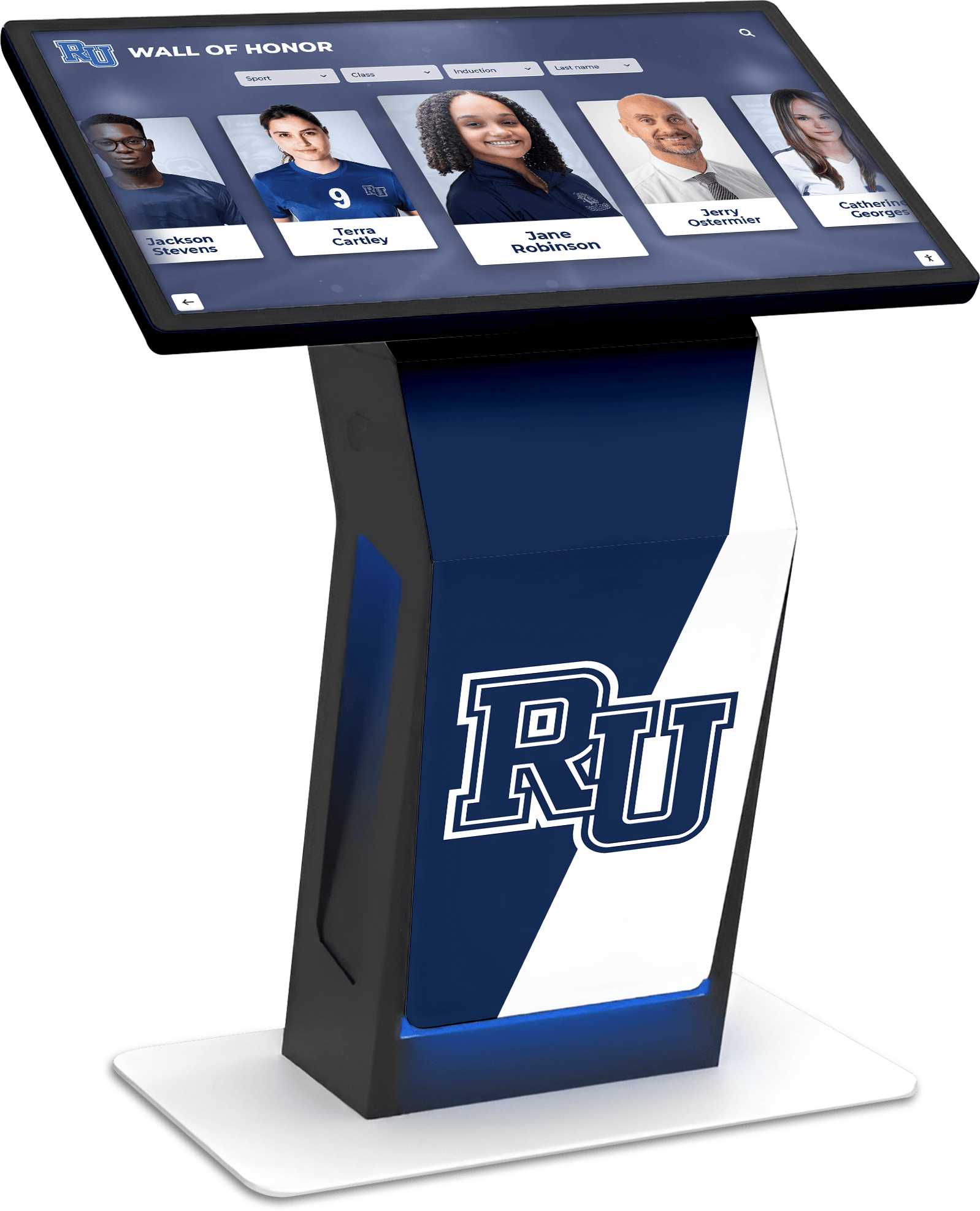
Professional displays enhance event atmospheres while providing engaging experiences
Implementing Successful Alumni Events: Strategic Considerations
Creative ideas matter little without effective execution. Successful implementation requires addressing practical realities:
Understanding Your Alumni Demographics
Effective programming reflects community composition:
Age Distribution Analysis Young alumni (0-10 years post-graduation) prefer casual social events, professional networking, and affordable gatherings. Mid-career alumni (10-30 years) balance professional networking with family-friendly events. Senior alumni (30+ years) particularly value nostalgia, recognition, and campus visits.
Programming portfolios should serve all segments rather than over-emphasizing any single cohort. New graduates need engagement building lifelong habits, while established alumni provide experience and resources supporting institutional advancement.
Geographic Concentration Map alumni locations identifying population concentrations warranting targeted programming. Major metropolitan areas with significant alumni populations justify regular chapter events, while dispersed alumni require comprehensive virtual programming and occasional destination gatherings.
Professional Fields and Industries Understanding alumni career paths enables relevant professional networking events. Engineering school alumni networks differ from liberal arts graduates. Business school alumni value different programming than education school graduates.
Interest and Affinity Segmentation Not all alumni relate to institutions identically. Athletes maintain sports connections. Performing arts alumni engage around cultural events. Greek life participants maintain fraternity and sorority bonds. Recognize diverse engagement pathways rather than assuming single programming approach serves all.
Resource Planning and Budgeting
Ambitious programming requires realistic resource assessment:
Staff Capacity Alumni relations offices range from single part-time coordinators to comprehensive teams of professionals. Programming scale must match available staff time for event planning, marketing, logistics, and follow-up. Overambitious calendars lead to poorly executed events damaging rather than building engagement.
Volunteer committees extend capacity by distributing work among engaged alumni while building leadership pipeline. However, volunteers require staff coordination—rarely does volunteer programming reduce professional staff burden despite common assumptions.
Budget Considerations Event budgets must account for venue rental, food and beverage, marketing and promotion, technology and equipment, entertainment or speakers, staff and vendor labor, and insurance and logistics. Transparent cost accounting prevents budget overruns threatening program sustainability.
Free or low-cost events maximize accessibility but require subsidization through institutional budgets, sponsorships, or other revenue sources. Ticketed events offset costs but create participation barriers potentially excluding alumni unable or unwilling to pay.
Sponsorship Development Corporate sponsors, particularly employers hiring alumni or businesses owned by graduates, often support events through sponsorships covering costs while gaining brand visibility and recruitment access. Tiered sponsorship packages create multiple entry points accommodating diverse sponsor budgets.
Return on Investment Evaluation Event success metrics should extend beyond attendance to include subsequent engagement actions—volunteer recruitment, mentorship participation, giving increases, future event attendance. Events justify investment when creating measurable outcomes supporting advancement objectives beyond mere socializing.
Marketing and Promotion Strategies
Outstanding events fail without effective communication:
Multi-Channel Promotion Reach alumni through email campaigns featuring compelling subject lines and clear calls-to-action, social media posts and paid promotion on platforms where alumni engage, postal mail for major events or audiences less responsive to digital, alumni magazine and newsletter features, website prominence on alumni and events pages, and student and faculty ambassadors spreading word through personal networks.
Redundant communication across multiple channels increases message penetration despite potential recipient annoyance about repetition. Most alumni ignore most communications—repetition ensures eventual awareness.
Personalized Invitations Generic “all alumni invited” messages create diffusion of responsibility where recipients assume others will attend. Personalized invitations—“we especially want to see you there”—create individual ownership and attendance likelihood.
Segment messaging based on characteristics relevant to specific events. Athletic events emphasize sports affinity. Professional networking highlights career relevance. Reunion communications name specific classmates already registered creating social proof.
Early and Repeated Communication Initial “save the date” announcements six months ahead for major events claim calendar space before competing commitments arise. Follow-up reminders increase frequency as events approach—monthly updates become bi-weekly then weekly in final countdown.
Final “last chance” messaging creates urgency for procrastinators who delay registration despite genuine interest.
Social Proof and FOMO Creation Publicize early registrants, particularly prominent or popular alumni, creating bandwagon effects where others want to attend because impressive peers are attending. Share behind-the-scenes preparation content building anticipation. Create fear of missing out through exclusive or limited-capacity framing.
Measuring Success and Continuous Improvement
Systematic evaluation ensures programming improvement:
Attendance Metrics Track total attendance, attendance rates relative to invitations, no-show rates from registered attendees, and demographic characteristics of attendees versus overall alumni populations. Low attendance demands investigation—poor promotion, timing conflicts, insufficient value proposition, or inappropriate targeting.
Engagement Quality Assessment Attendance numbers alone prove insufficient. Post-event surveys measuring satisfaction, likelihood to attend future events, perceived value, and improvement suggestions provide qualitative feedback supplementing quantitative metrics.
Observation during events reveals engagement patterns—Do attendees stay for entire programs or leave early? Do they network actively or stand awkwardly? Does programming maintain interest or do audiences check phones?
Advancement Outcomes Track post-event actions including volunteer recruitment success, giving rate changes for attendees versus non-attendees, mentorship program participation, and admission yield impacts. Events justify investment when driving measurable advancement outcomes beyond immediate social experience.
Continuous Refinement Annual programming reviews identify successful events warranting continuation, struggling events requiring significant revision or elimination, and gaps in portfolio requiring new programming. Successful alumni programs evolve continuously rather than repeating identical programming indefinitely.
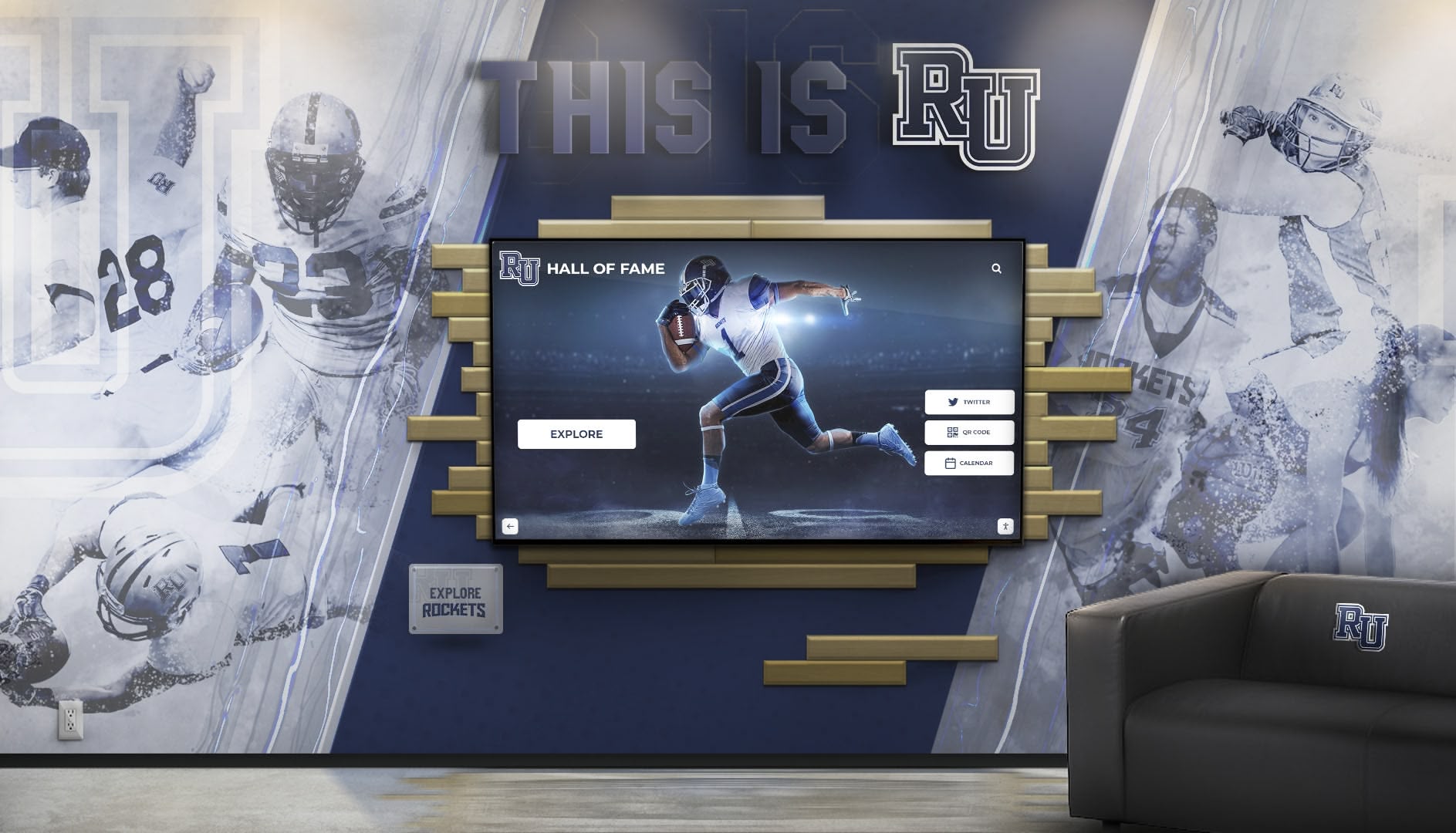
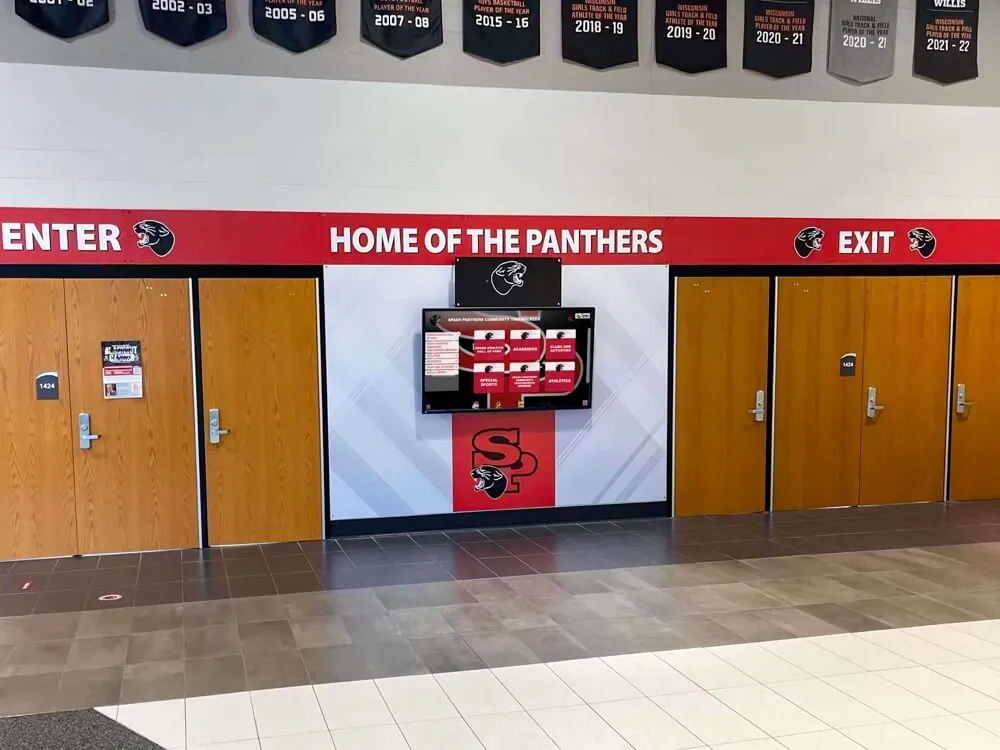
Integrated displays complement institutional branding while providing engaging functionality
Leveraging Technology for Enhanced Alumni Engagement
Digital tools amplify event impact and extend engagement beyond single occasions:
Event Registration and Management Platforms
Professional registration systems streamline logistics:
Integrated Registration Systems Purpose-built event management platforms handle registration, payment processing, attendee communication, check-in management, and post-event surveying in unified systems. Integration eliminates manual processes while providing attendee data for future marketing.
Systems should integrate with constituent relationship management (CRM) databases ensuring event participation data informs comprehensive alumni records used for segmentation and personalized outreach.
Mobile Event Applications Event-specific mobile apps provide schedules, maps, networking directories, and real-time updates enhancing attendee experience while facilitating connections. Apps particularly benefit multi-day or complex events where paper programs prove cumbersome.
Networking Facilitation Tools Digital platforms enable pre-event networking where registered attendees browse participant lists, identify interesting connections, and schedule meetings. Facilitated networking creates purposeful interaction beyond random mingling.
Recognition and Heritage Displays
Interactive displays create engaging event centerpieces:
Digital Alumni Recognition Systems Platforms like Rocket Alumni Solutions provide comprehensive databases presenting alumni achievements, career paths, and biographies accessible through intuitive touchscreen interfaces. Event attendees explore heritage content while discovering classmates and institutional history.
Unlimited capacity ensures every graduate receives appropriate recognition regardless of class size or achievement level. Digital recognition displays democratize visibility compared to physical plaques accommodating limited names.
Mobile Access and QR Integration QR codes placed near physical displays or included in event materials enable instant content access on personal devices. Attendees continue exploration after leaving event venues, share discoveries through social networks, and maintain engagement beyond immediate event duration.
Interactive Memory Walls Events featuring interactive historical content create natural gathering points where alumni discover familiar faces, submit memories and updates, and explore institutional evolution. These installations serve dual purposes as event attractions and permanent recognition systems.
Real-Time Content Updates Cloud-based systems enable immediate content addition and modification without hardware access. Add event photographs during gatherings, incorporate newly submitted biographies, or feature special recognition announcements with instant visibility.
Virtual Event Platforms
Hybrid and virtual events expand participation:
Professional Video Conferencing Enterprise video platforms provide reliability, large participant capacity, breakout room functionality for small group discussion, recording capability for on-demand viewing, and integration with registration systems for seamless access.
Streaming and Broadcast Capabilities Livestream campus events—athletics, commencement, performances—enabling remote alumni participation. Professional production quality creates viewing experiences worth watching versus amateur streams alumni ignore.
Interactive Elements Polls, Q&A features, chat functionality, and virtual networking rooms create engagement opportunities preventing passive viewing. Interactive elements acknowledge virtual attendees ensuring inclusion rather than treating remote participants as passive observers.
Ongoing Engagement Platforms
Technology maintains momentum between events:
Alumni Online Communities Purpose-built social networking platforms create spaces for ongoing discussion, resource sharing, mentorship, and relationship building between formal events. Online communities enable self-organized engagement complementing institutional programming.
Digital Newsletters and Content Regular email newsletters featuring alumni profiles, institutional updates, event recaps, and upcoming opportunities maintain communication cadence keeping institutions visible without requiring constant event production.
Social Media Engagement Active presence on platforms where alumni congregate—LinkedIn for professional connections, Instagram for visual storytelling, Facebook for broad reach—creates continuous touchpoints through interesting content, community features, and interactive campaigns.
Conclusion: From Dormant Networks to Vibrant Communities
Alumni represent every institution’s most valuable stakeholders beyond current students and families. Accomplished graduates provide mentorship guiding student career development, philanthropy supporting financial sustainability, advocacy enhancing reputation, recruitment assistance attracting prospective students, and wisdom informing institutional direction. Yet these tremendous assets remain dormant in countless schools where minimal engagement infrastructure leaves alumni disconnected and uninvolved.
The transformation from cold, inactive alumni networks to warm, active communities comes from consistent, strategic engagement programs creating meaningful touchpoints throughout alumni lifetimes. Events serve as primary engagement vehicles—occasions when institutional connection becomes tangible through face-to-face gathering, purposeful programming, and community celebration. Well-designed event portfolios deliver something for everyone: professional networking for career-focused graduates, nostalgic reunions for those seeking connection to the past, service opportunities for socially conscious alumni, and social gatherings for those simply wanting friendly community.
The 100 event ideas presented in this guide span diverse formats, purposes, and resource requirements ensuring every institution—from resource-constrained charter schools to well-funded universities—finds applicable approaches. Successful implementation requires moving beyond generic programming to thoughtful strategic planning reflecting unique institutional contexts, alumni demographics, advancement priorities, and realistic resource constraints.
Technology amplifies event impact tremendously. Digital registration systems streamline logistics while capturing participation data informing future programming. Interactive recognition displays create engaging event centerpieces while preserving comprehensive alumni heritage. Virtual participation options expand inclusion beyond geographic limitations. Online communities maintain momentum between formal gatherings. These tools extend event value far beyond immediate occasions while creating infrastructure for self-sustaining engagement.
Quality alumni events require investment—staff time, budget allocation, technological infrastructure, volunteer coordination, and sustained commitment. However, returns justify investment many times over. Engaged alumni give more generously, volunteer more actively, advocate more enthusiastically, and mentor more frequently than disengaged graduates. The differential outcomes between thriving and dormant networks prove dramatic across every advancement metric.
Your alumni community possesses tremendous potential waiting for activation. Whether beginning modest programs with limited resources or expanding already-comprehensive portfolios, strategic event programming creates the engagement touchpoints transforming passive alumni into active community participants. Start where you are, use what you have, implement what’s possible, and build systematically over time.
The most important step involves simply starting. Choose one or two event ideas matching your context and resources. Plan thoughtfully, execute professionally, evaluate honestly, and improve continuously. Build on success while learning from challenges. Engage volunteers extending capacity. Leverage technology creating efficiency. Celebrate accomplishments publicly encouraging continued participation.
Your institution deserves active alumni communities actively engaged in institutional life. Your alumni deserve meaningful engagement opportunities justifying continued investment in relationships with schools that shaped their development. Students deserve comprehensive alumni networks providing mentorship, inspiration, and support. With strategic planning, creative programming, and consistent execution, you can create the warm, active communities where alumni remain connected long after graduation.
Ready to enhance your alumni engagement infrastructure? Explore comprehensive digital recognition solutions designed specifically for schools and universities creating the engaging alumni experiences that transform dormant networks into active communities supporting institutional missions for generations.