



Intent: demonstrate — The transition from student to alumnus represents more than receiving a diploma—it marks entry into a lifelong community of shared experiences, professional networks, and opportunities for continued growth and contribution. Yet many graduates struggle to leverage their alumni status effectively, missing valuable career advancement opportunities, professional connections, and the profound satisfaction that comes from staying meaningfully engaged with institutions that shaped their journeys.
Distinguished alumni across industries consistently credit their success not just to their formal education, but to how they maintained and activated relationships within alumni networks throughout their careers. Those who treat alumni status as passive membership miss the dynamic, mutually beneficial communities where careers flourish, mentorship relationships form, and individuals discover renewed purpose through giving back to future generations.
This comprehensive guide explores practical alumni advice for maximizing career success, building powerful professional networks, finding and offering mentorship, staying meaningfully connected with your alma mater, and creating the warm, engaged relationships that transform passive alumni status into active, lifelong community membership that enriches both professional and personal dimensions of life.
The most successful alumni understand a fundamental truth: their alumni community represents not a retrospective connection to the past, but a forward-looking network that compounds in value throughout their careers and lives. Research on alumni engagement strategies consistently shows that actively engaged alumni report higher career satisfaction, stronger professional networks, and greater life fulfillment compared to those who maintain minimal institutional connection after graduation.
Educational institutions invest significant resources in cultivating vibrant alumni communities—not merely for fundraising purposes, but because engaged alumni create ecosystems where everyone benefits. Current students gain mentorship and career guidance, recent graduates access job opportunities and professional advice, mid-career alumni find peer networks and collaboration opportunities, and senior professionals discover meaningful ways to share accumulated wisdom while staying connected to evolving fields and emerging talent.

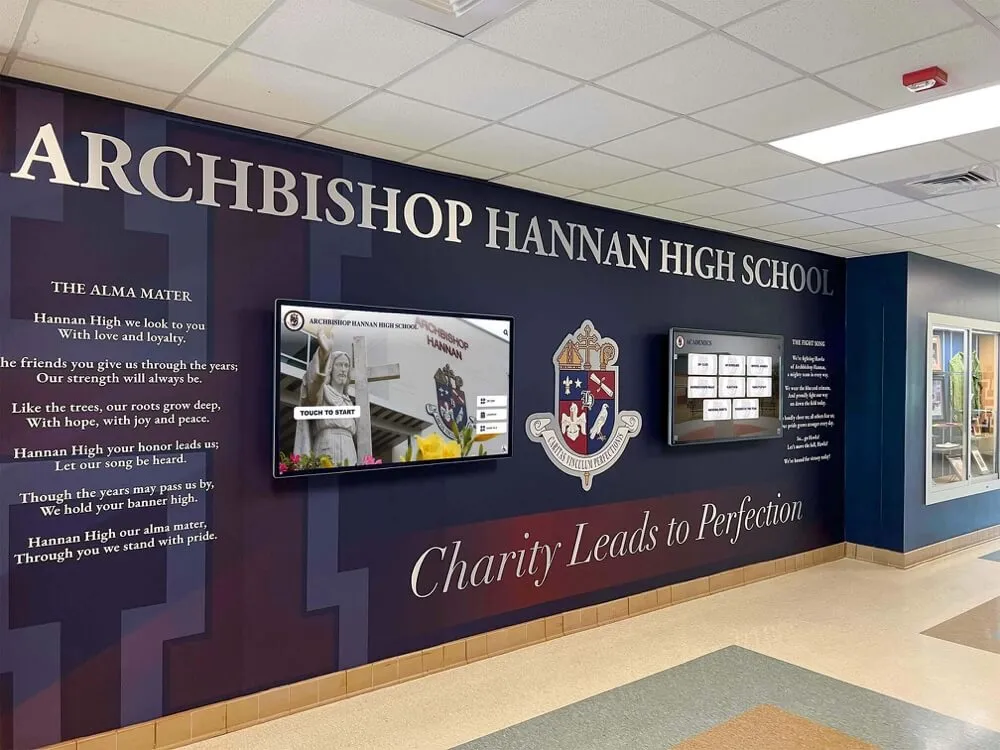
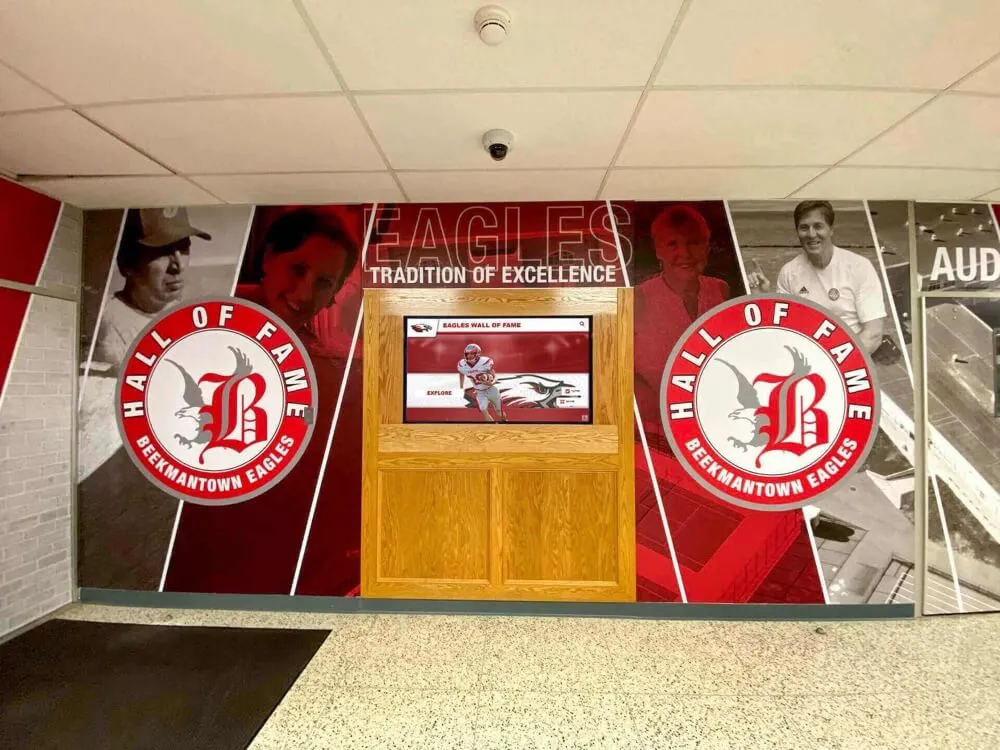
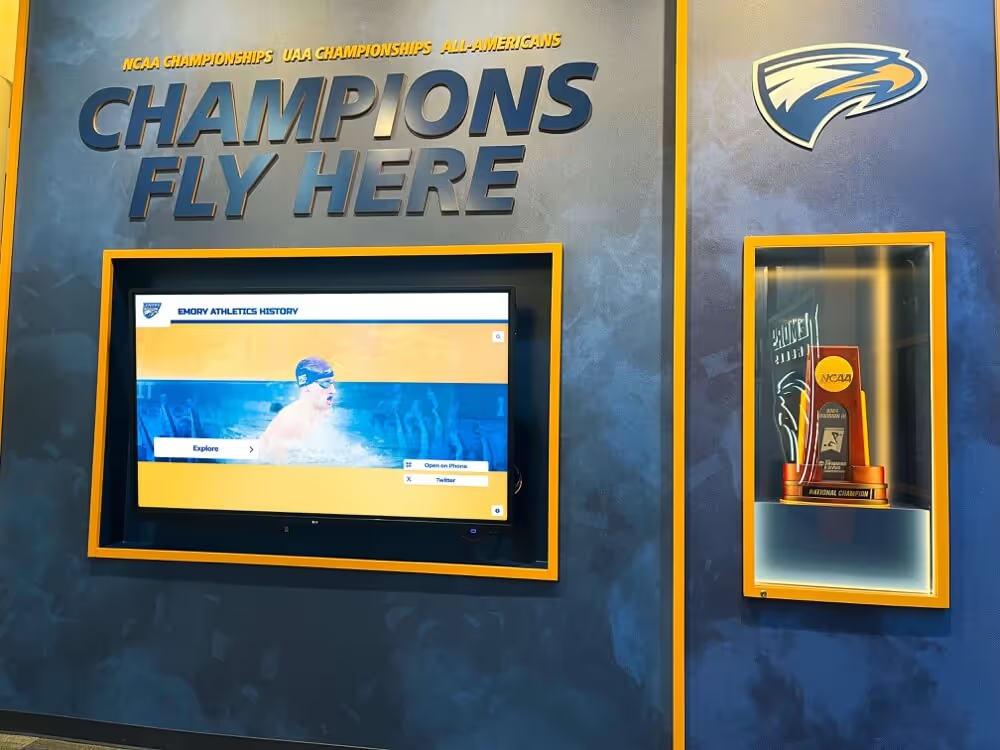
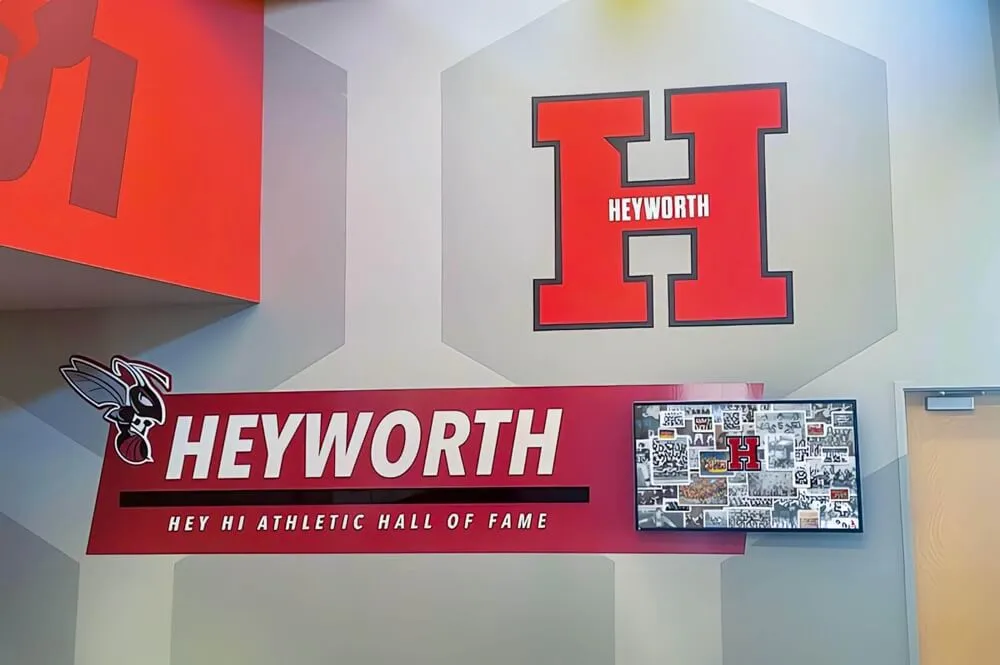
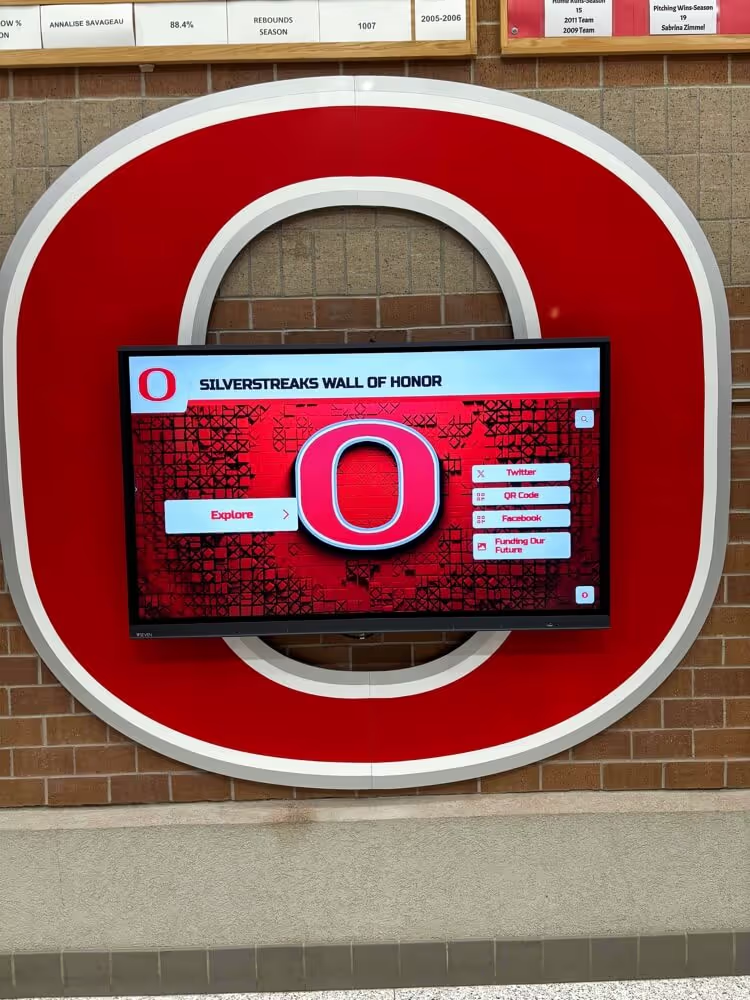
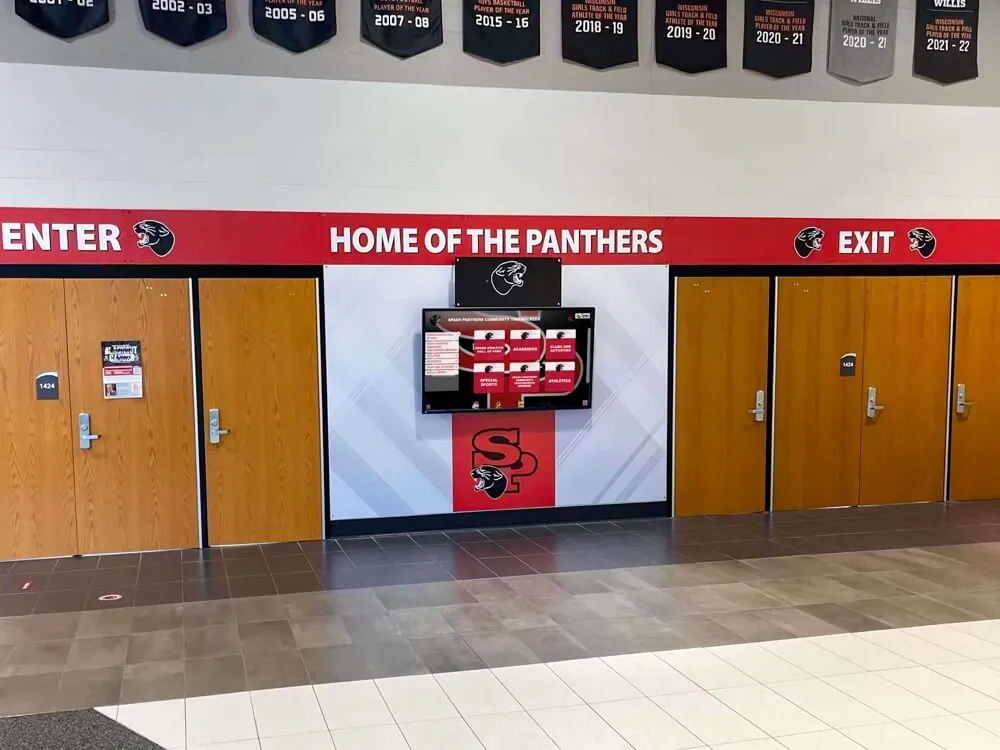
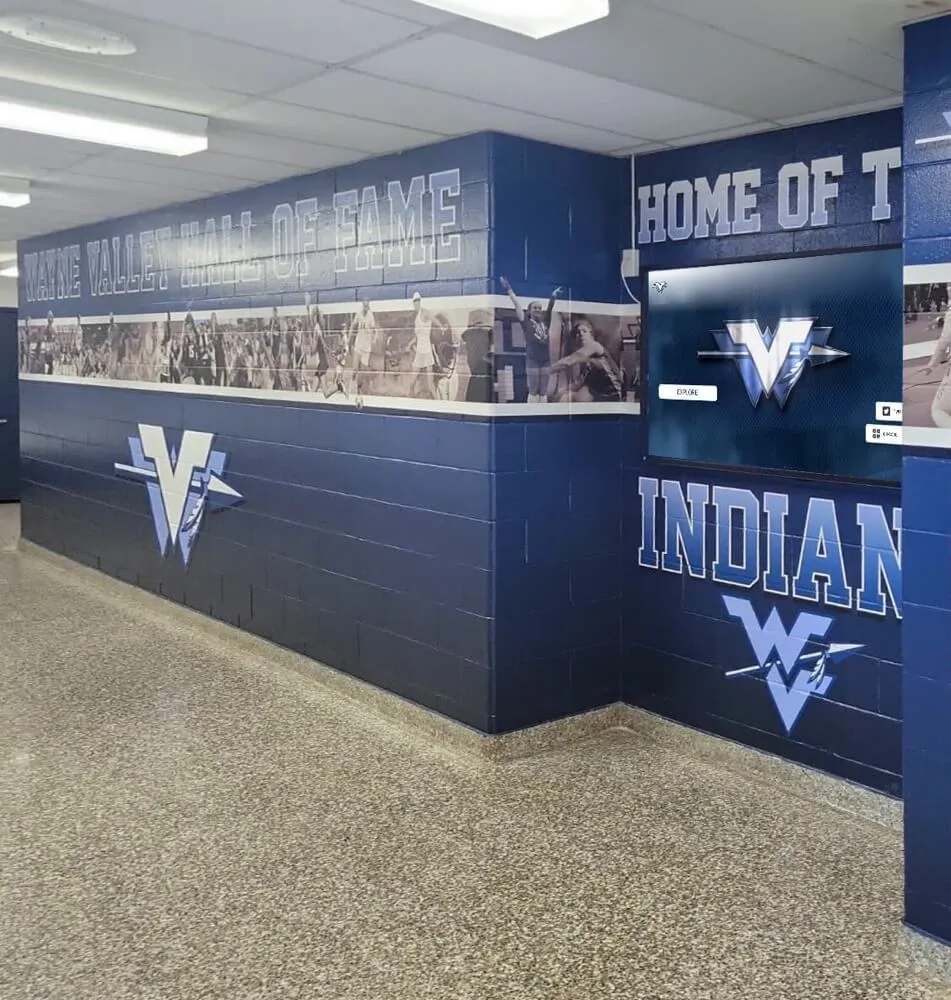
Modern alumni communities leverage technology to celebrate achievements and facilitate connections across generations
Understanding Your Alumni Network’s Value
Before exploring specific strategies, successful alumni recognize what makes alumni networks uniquely valuable compared to other professional communities.
Shared Experience Creates Instant Connection
Alumni relationships begin with built-in common ground—shared experiences at the same institution, understanding of campus culture and traditions, connection to similar educational foundations, and identification with institutional values and identity. This shared foundation accelerates trust-building and relationship formation in ways that purely professional networks cannot replicate.
The Power of Institutional Identity
When you meet fellow alumni in professional contexts, conversations begin with natural connection points: “What year did you graduate?” “Did you live in [residence hall]?” “Remember when [significant campus event] happened?” These seemingly simple exchanges establish rapport that would require months or years to develop through typical professional networking alone.
Multi-Generational Professional Resources
Unlike professional organizations focused on specific career stages or industry sectors, alumni networks span complete career spectrums—from recent graduates seeking first positions through senior executives with decades of experience. This diversity creates unique mentorship opportunities and career guidance unavailable in peer-focused professional groups.
Alumni communities at schools and universities implementing digital recognition platforms often showcase this multi-generational strength visibly, helping members discover fellow alumni across different career stages and industries who share their institutional connection.
Geographic and Industry Diversity
Most alumni communities include members distributed globally across virtually every career field and industry. This diversity means regardless of where your career takes you geographically or professionally, fellow alumni likely work in your new city or industry sector, ready to offer insights, introductions, and support based on shared institutional connection.
Obligation-Free Networking Foundation
Professional networking often carries transactional undertones—implied expectations of reciprocal favors or immediate value exchange. Alumni networking begins from place of shared community rather than immediate transaction, creating more authentic relationships where professionals genuinely want to help fellow alumni succeed because they identify with the same institutional community.
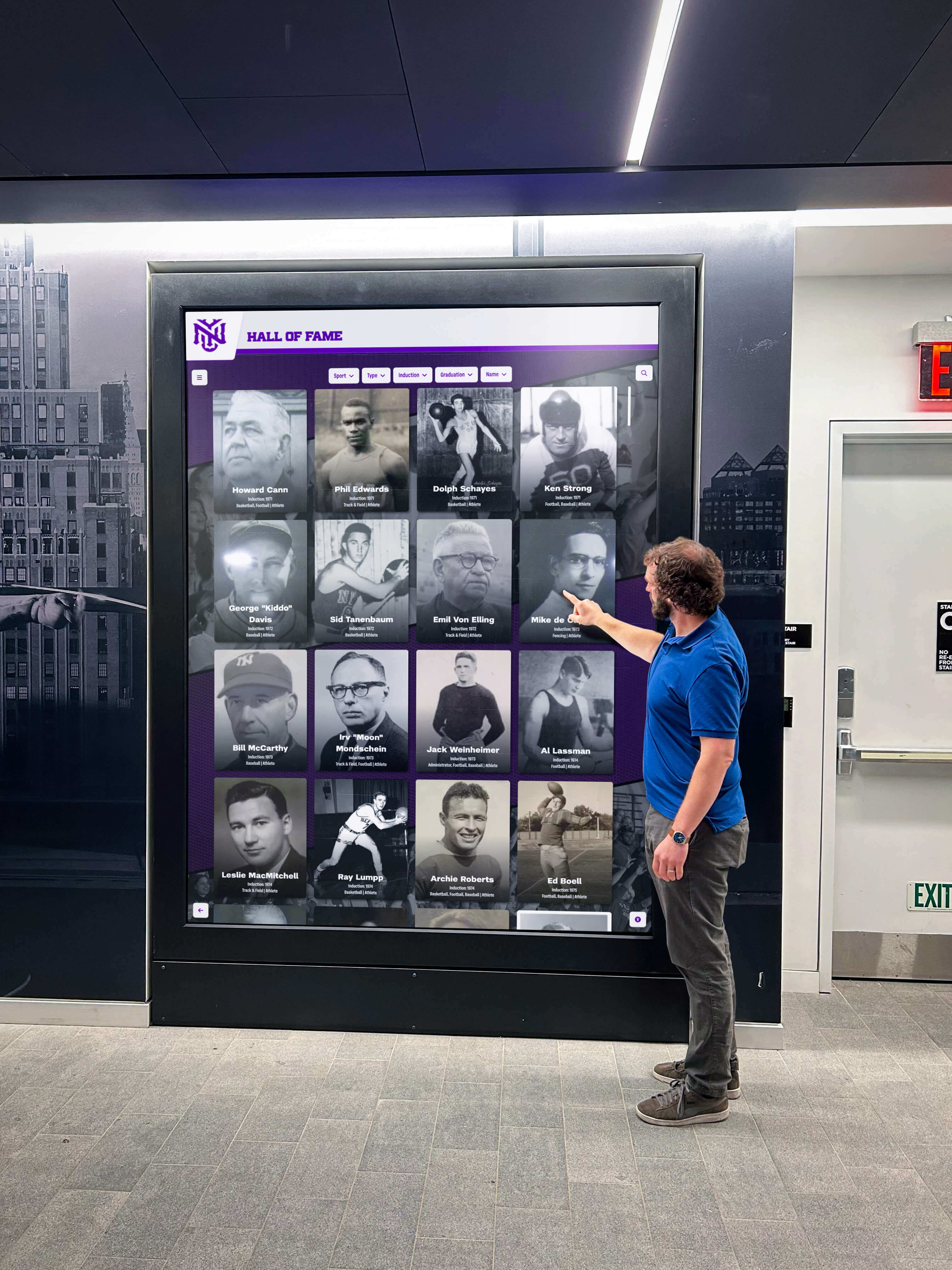
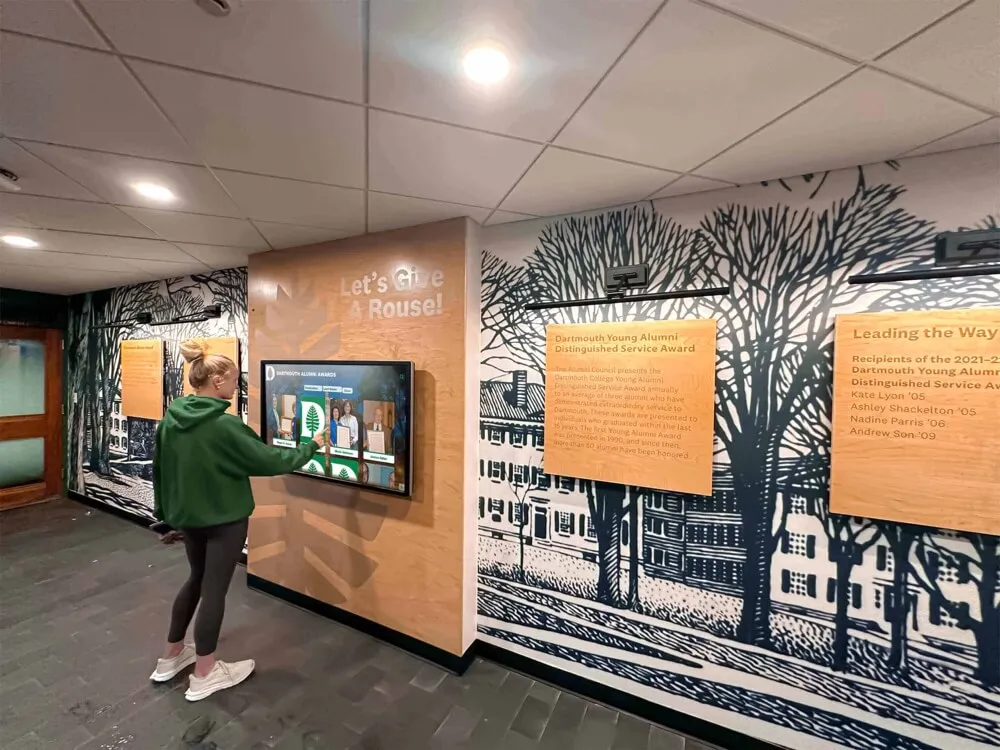
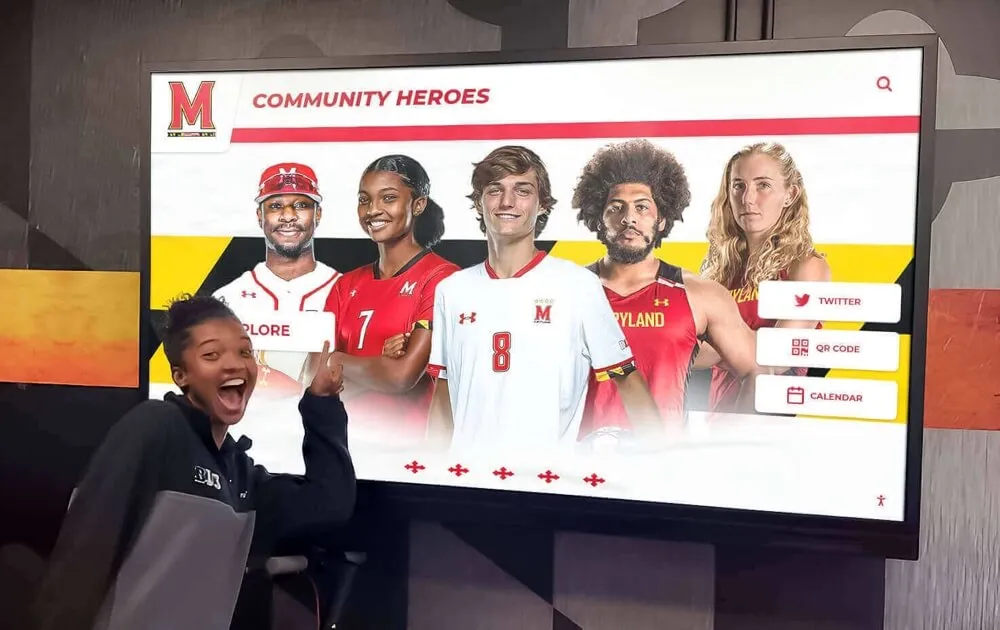
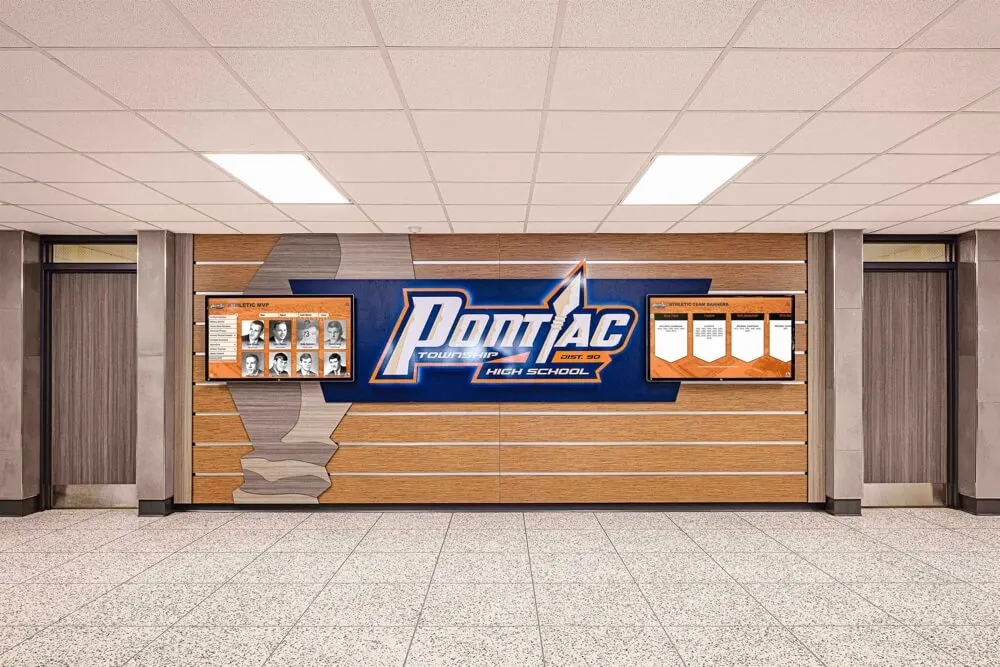
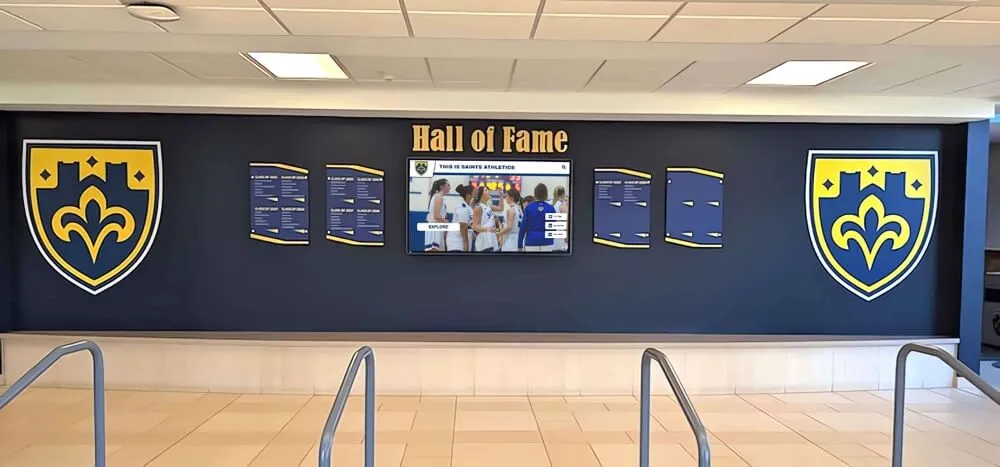
Interactive displays at alumni centers create engaging experiences that strengthen connections to institutional community
Career Advancement Through Alumni Networks
Strategic alumni network engagement accelerates career progression at every professional stage.
Early Career: Launching Your Professional Life
Recent graduates face particular challenges—limited professional experience, undeveloped networks, and uncertainty about career direction. Alumni communities provide essential resources during this critical period.
Job Search and Career Exploration
Alumni directories and networking platforms enable targeted outreach to professionals working in industries or companies matching your interests. Most alumni welcome informational interview requests from recent graduates, offering insights about career paths, industry realities, and potential opportunities that job postings and career websites cannot provide.
When reaching out to alumni for career guidance, successful approaches include:
Specific, thoughtful requests: Rather than generic “Can we talk about your career?” messages, reference specific aspects of their background that interest you: “I noticed you transitioned from consulting to nonprofit leadership—I’m considering a similar path and would value hearing about your experience.”
Respect for their time: Request brief 20-minute conversations rather than open-ended time commitments, and offer flexibility around their schedule.
Preparation and follow-through: Research their background before conversations, prepare specific questions, and send thoughtful thank-you notes afterward that reference specific advice they provided.
Long-term relationship building: Even when immediate job opportunities don’t materialize, maintain periodic contact sharing your progress and expressing continued interest in learning from their experience.
Leveraging Alumni Recruiting Networks
Many organizations actively recruit from specific alumni networks, recognizing that graduates from particular institutions often possess desired skills, cultural fit, and work ethic. Some companies maintain formal alumni recruiting programs, while others have informal patterns of hiring concentrations from certain schools.
Alumni affairs offices often maintain employer databases, host recruiting events, and facilitate introductions between job-seeking alumni and companies with active alumni representation. Engaging with these structured programs provides efficient access to opportunities aligned with your background.
Mid-Career: Building Influence and Expertise
Established professionals leverage alumni networks differently than recent graduates, focusing on peer connections, industry insights, and leadership opportunities.
Industry-Specific Alumni Groups
Many institutions organize alumni by professional field—finance alumni groups, healthcare professional networks, education alumni associations, technology industry clusters. These specialized communities provide industry-specific networking, continuing education, job opportunities, and insider perspectives on industry trends and challenges.
Active participation in industry alumni groups positions you as engaged community member while exposing you to opportunities and insights unavailable through general professional organizations. Alumni gathering areas and events designed specifically for these affinity groups strengthen connections among professionals with both institutional and industry commonalities.
Board Service and Volunteer Leadership
Mid-career professionals often possess expertise valuable to alma mater institutions—whether serving on alumni association boards, regional chapter leadership, program advisory committees, or specialized task forces addressing institutional challenges.
These volunteer leadership roles provide multiple benefits beyond institutional contribution:
- Leadership experience and governance skills transferable to professional contexts
- Expanded networks through relationships with fellow board members and institutional leaders
- Enhanced visibility within broader alumni community
- Personal fulfillment through meaningful contribution to institution that shaped your development
Strategic Mentoring Relationships
Mid-career represents ideal time for dual mentorship engagement—continuing to seek guidance from more senior alumni while beginning to mentor younger graduates. This dual positioning accelerates your learning while establishing you as community contributor rather than solely recipient of alumni network benefits.
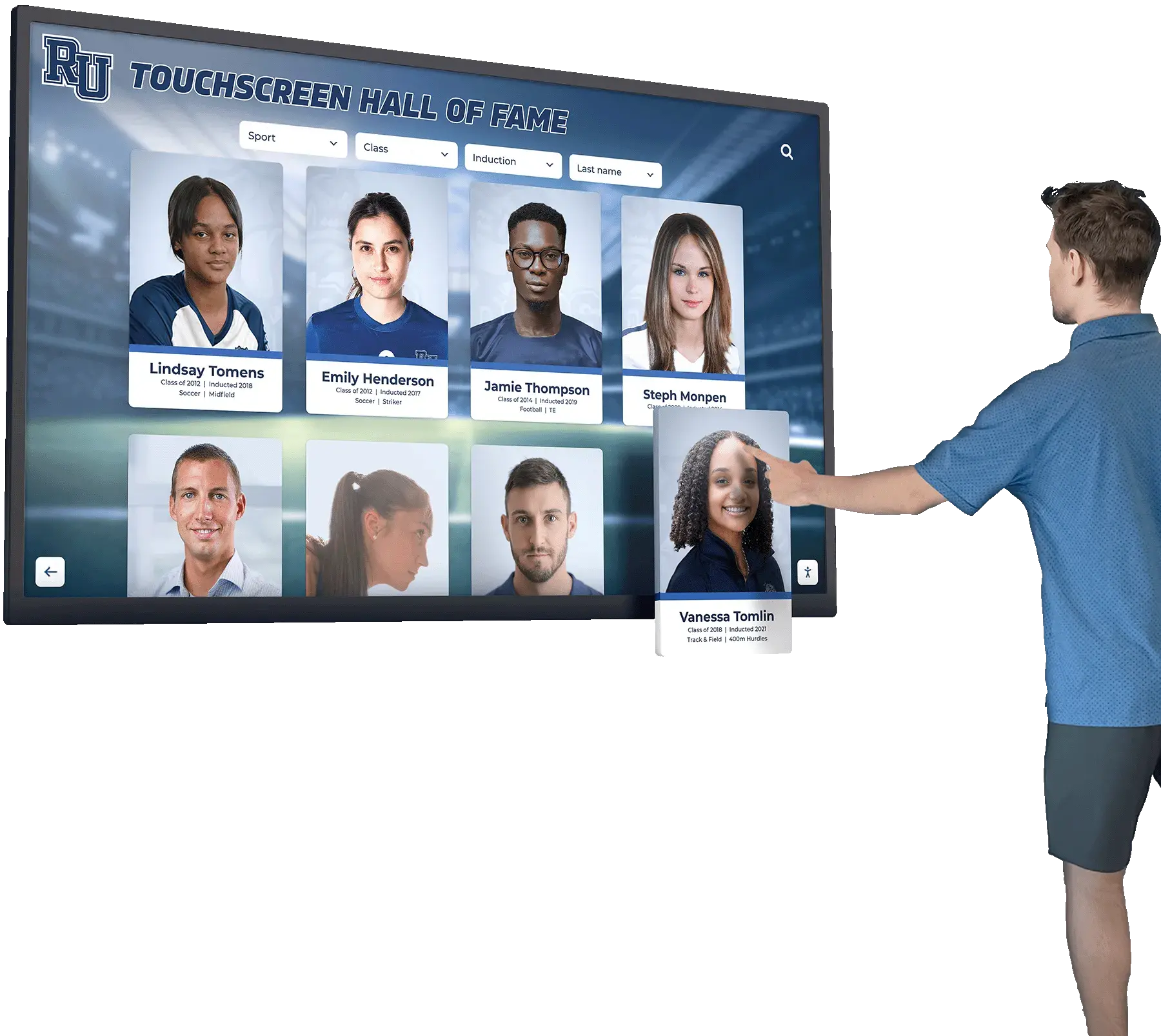
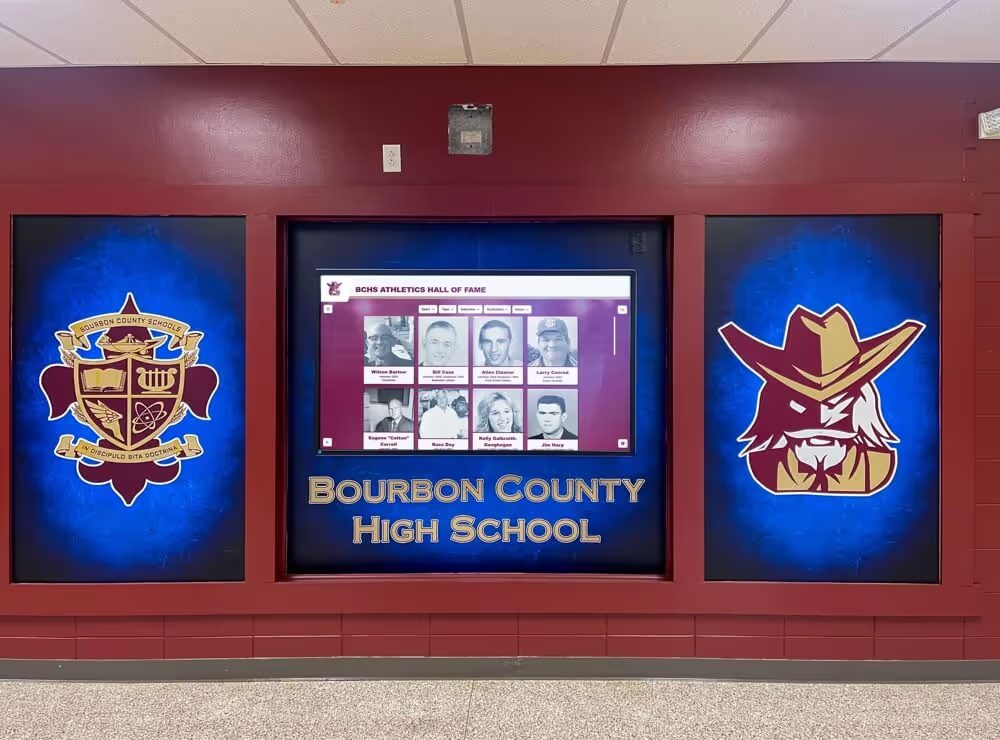
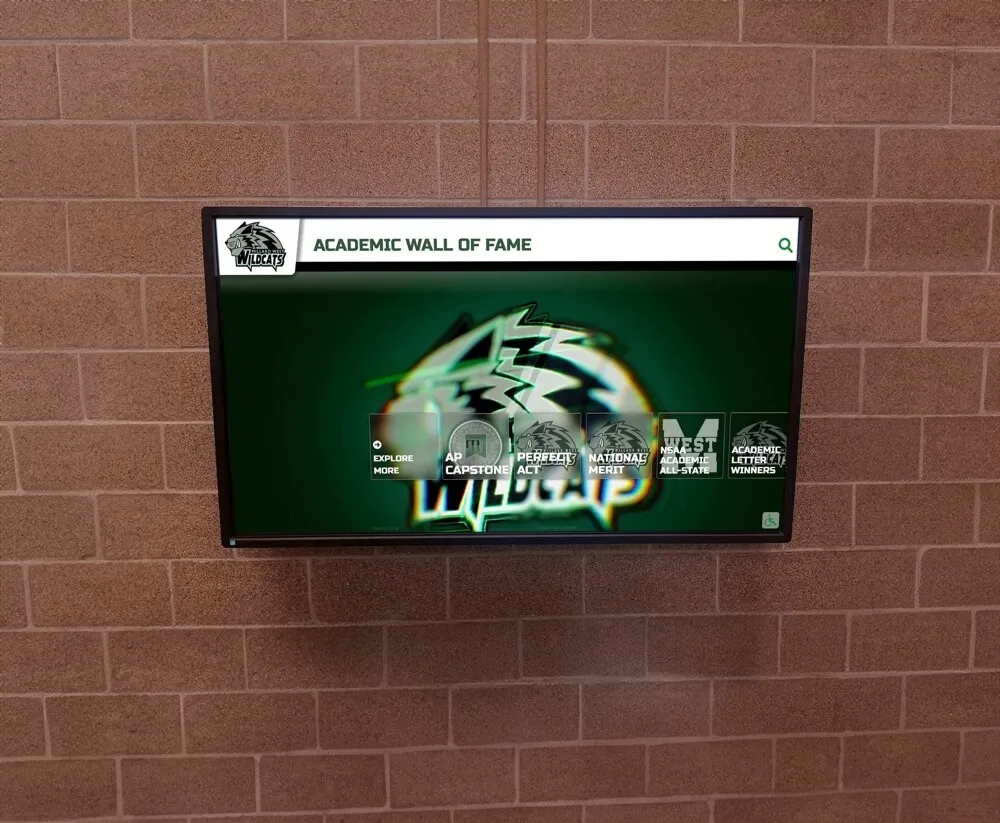
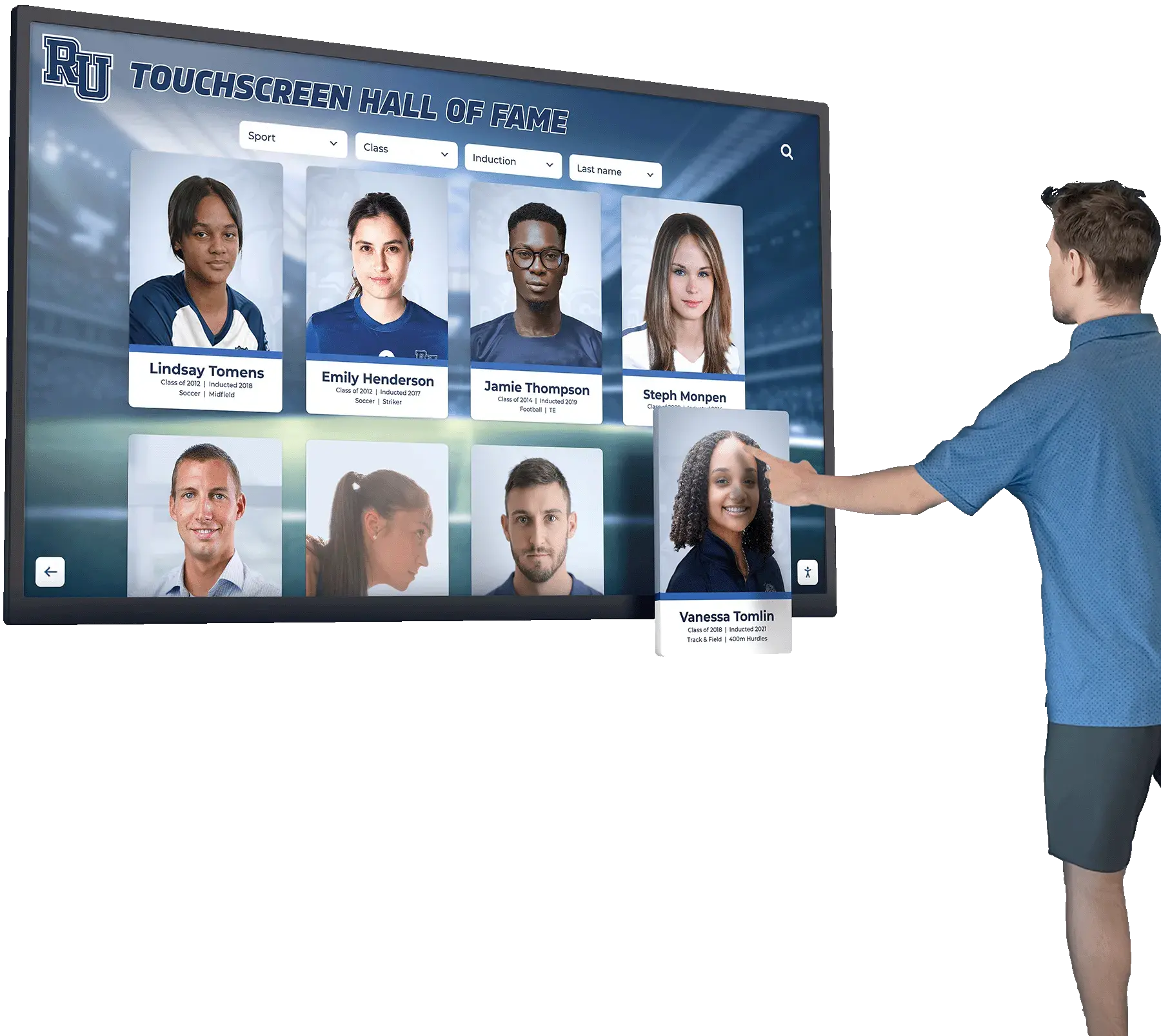
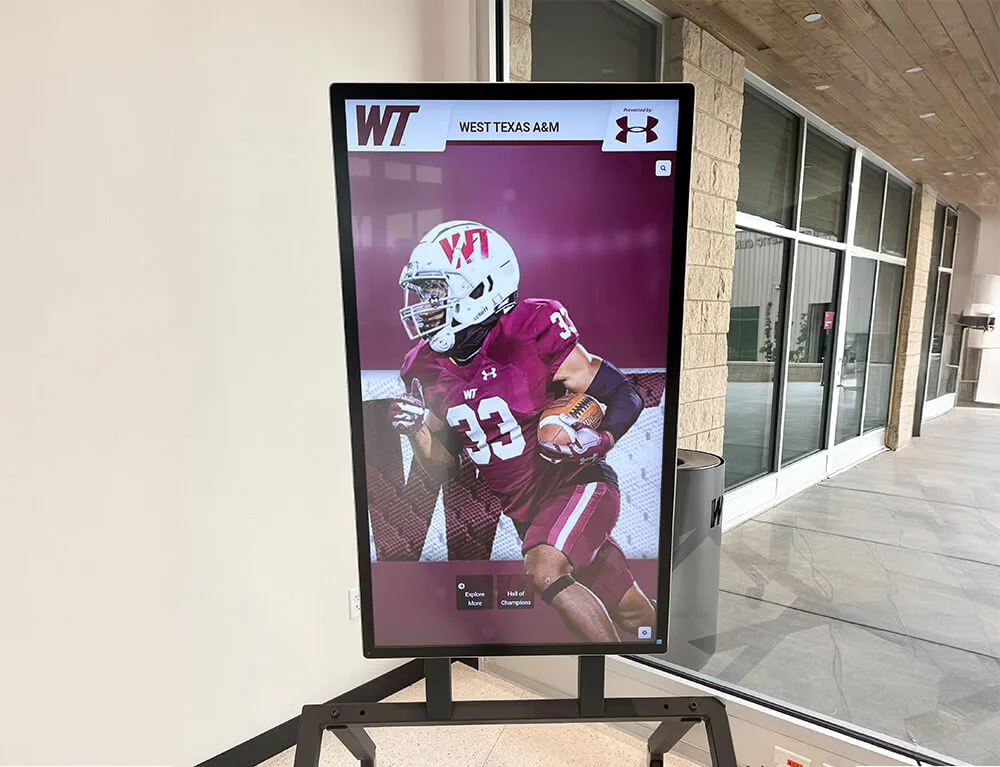
Digital platforms enable alumni to discover fellow graduates across industries and career stages, facilitating mentorship connections
Senior Career: Legacy and Continued Engagement
Experienced professionals approach alumni engagement from perspective of giving back while maintaining professional relevance and personal fulfillment.
Mentorship at Scale
Senior alumni possess accumulated wisdom, extensive networks, and career insights valuable to multiple generations of younger graduates. Systematic mentorship programs, guest speaking at alumni events, participation in career panels, and availability for informational interviews allow experienced professionals to share knowledge efficiently while identifying particularly promising younger alumni for deeper mentorship relationships.
Many institutions implement mentorship connection platforms showcasing distinguished alumni and facilitating mentorship requests, making it easy for senior professionals to offer guidance at whatever scale matches their availability and interest.
Board Leadership and Institutional Governance
Senior professionals often serve in key governance roles—alumni association presidencies, institutional board of trustees positions, capital campaign leadership, and major initiative oversight. These high-level volunteer roles leverage career expertise while providing meaningful engagement opportunities as formal careers wind down or transition to next chapters.
Maintaining Professional Relevance
Alumni engagement helps senior professionals remain connected to evolving industries, emerging trends, and younger generational perspectives as careers mature. Regular interaction with recent graduates and mid-career professionals provides windows into changing workplace dynamics, new technologies, and shifting industry paradigms that might otherwise become distant from senior executives’ daily experience.
Building and Maintaining Alumni Relationships
Effective alumni networking requires intentional strategies for initiating, developing, and maintaining relationships over time.
Starting Authentic Conversations
The best alumni relationships begin with genuine interest rather than transactional networking.
Finding Common Ground Beyond Graduation Year
While shared graduation years create natural connections, deeper relationships often form around other commonalities—similar majors or programs, shared extracurricular involvement, common career interests, geographic proximity, or mutual friends and connections within broader alumni community.
When reaching out to alumni you don’t already know, research their backgrounds to identify specific connection points beyond simply attending the same institution. Mentioning that you were also economics major, participated in same student organization a decade later, or now work in their industry demonstrates thoughtful engagement rather than generic networking.
Offering Value Before Requesting Favors
The strongest alumni relationships develop when individuals focus on mutual benefit rather than one-sided requests. Before asking for job referrals or career advice, consider what you might offer—perhaps insights about current campus trends, introduction to someone in your network who might interest them, or perspective on industries or regions where you possess expertise they lack.
This value-first approach transforms networking from transactional exchange into relationship building where both parties gain from connection.
Leveraging Alumni Events and Gatherings
Structured alumni events—regional chapter meetings, homecoming weekends, industry-specific gatherings, reunion celebrations—provide efficient opportunities to meet multiple alumni in contexts specifically designed for networking and relationship building.
Successful event participants prepare in advance by reviewing attendee lists when available, identifying specific individuals they hope to meet, preparing conversational topics and questions, and following up afterward with people they connected with to maintain momentum from initial meetings.
Schools investing in engaging alumni spaces and experiences create environments where casual encounters naturally evolve into meaningful relationships as alumni return regularly and develop familiarity with fellow community members.
Digital Alumni Community Engagement
Modern alumni relationships increasingly begin and develop through digital platforms before or instead of in-person meetings.
Alumni Directory Strategic Use
Most institutions provide searchable alumni directories enabling discovery of fellow graduates by location, industry, employer, graduation year, or other criteria. Strategic directory use involves:
- Regular searches when relocating to new cities, changing industries, or facing specific career questions
- Thoughtful profile maintenance keeping your own information current so other alumni can find and connect with you
- Appropriate outreach when contacting directory-discovered alumni, explaining your connection and specific reason for reaching out
Social Media Alumni Groups
LinkedIn alumni tools, Facebook class groups, and institution-specific social platforms create spaces for ongoing alumni interaction, information sharing, and casual networking that maintains relationships without requiring formal meetings or significant time investments.
Active participation in these digital communities—commenting on others’ posts, sharing relevant content, responding to questions within your expertise—establishes your presence and makes eventual direct outreach feel like continuation of existing relationship rather than cold contact.
Virtual Event Participation
Post-pandemic normalization of virtual events expanded alumni engagement opportunities for those unable to attend in-person gatherings. Webinars, virtual panels, online networking sessions, and hybrid events enable participation regardless of geographic location while often featuring content recording for later viewing.
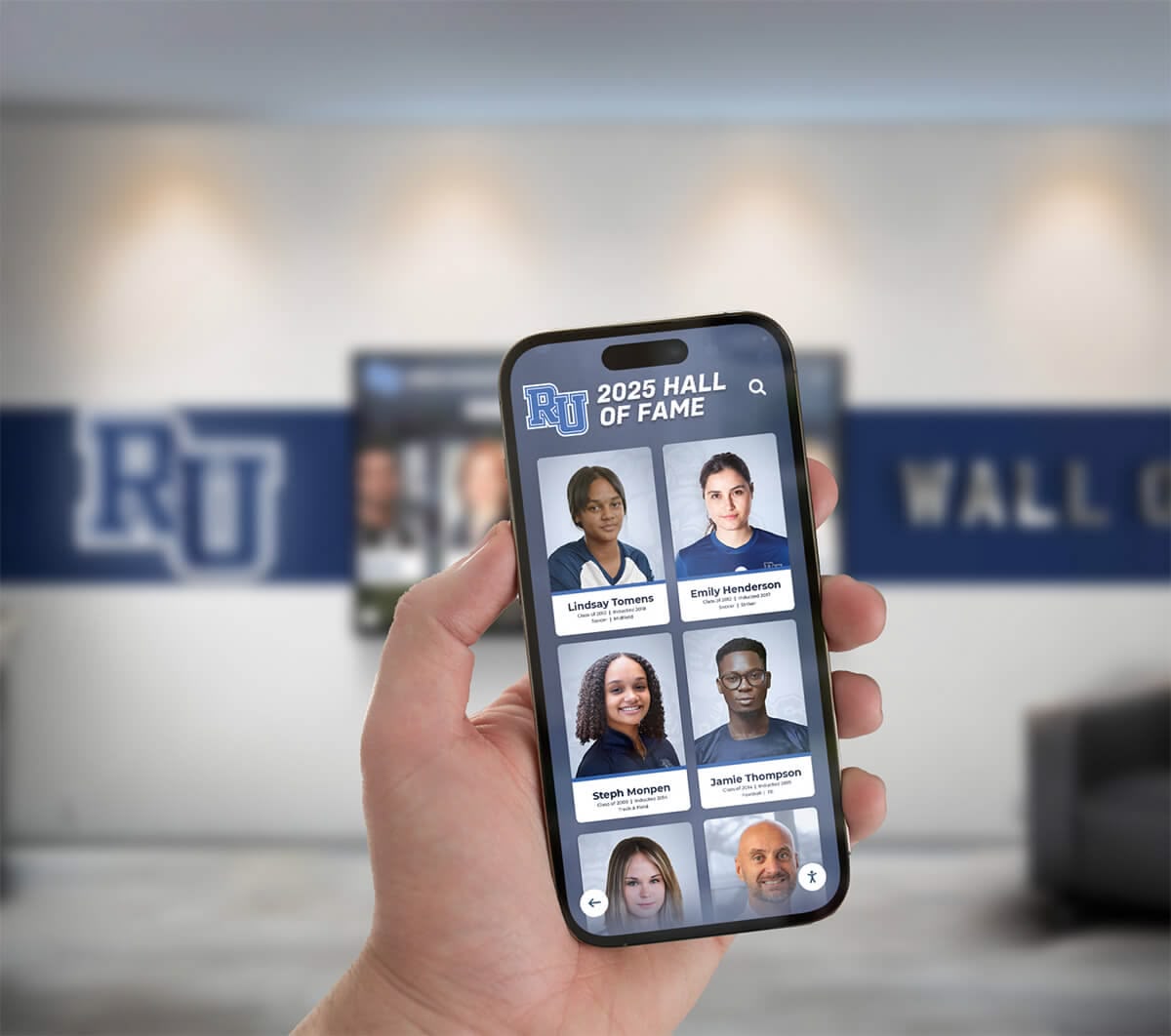
Mobile-accessible alumni platforms enable engagement from anywhere, extending community connection beyond campus visits
Maintaining Long-Term Relationships
Initial connections matter less than sustained relationships developed over years and decades.
Periodic Check-Ins Without Agenda
The strongest alumni relationships involve regular contact even when you don’t need anything. Brief emails congratulating fellow alumni on promotions or accomplishments you notice, sharing articles relevant to their interests, or simply checking in about their lives maintain warmth in relationships that might otherwise grow cold during periods when you’re not actively networking.
Reciprocal Support Over Career Spans
Career relationships evolve as circumstances change. The senior alumnus who helped you find your first job might later seek your insights when their children consider career paths in your field. The peer you supported through career transition might later serve on board that considers your nonprofit for funding. Long-term alumni relationships work because reciprocity occurs naturally over extended timeframes rather than requiring immediate quid pro quo exchanges.
Celebrating Others’ Achievements
Alumni who actively celebrate fellow community members’ successes—sharing their accomplishments on social media, introducing them to people who’d appreciate knowing about their work, nominating them for recognition and awards—strengthen entire network while building goodwill that returns to them through both direct reciprocity and enhanced reputation as generous, well-connected community member.
Mentorship: Finding and Offering Guidance
Mentorship represents one of alumni communities’ most valuable dimensions, benefiting both mentors and mentees through structured guidance relationships.
Finding Alumni Mentors
Effective mentorship rarely happens accidentally—it requires intentional seeking and relationship cultivation.
Identifying Potential Mentors
Look for alumni whose career paths interest you, who work in industries or roles you aspire to reach, who demonstrate values and approaches you admire, who have explicitly indicated openness to mentoring, or who share specific backgrounds or interests creating natural connection points.
Rather than seeking single perfect mentor, consider building informal mentorship board—several alumni offering different perspectives and expertise addressing various dimensions of your career development and professional growth.
Making Effective Mentorship Requests
When approaching potential mentors, successful requests share common characteristics:
Clarity about what you’re seeking: Specify whether you want industry insights, career path guidance, specific skill development, introduction to professional networks, or other particular support.
Reasonable time commitments: Suggest manageable structures like quarterly hour-long conversations rather than open-ended ongoing relationships that might feel overwhelming.
Demonstrated initiative: Show that you’ve already done your own research and thinking, positioning mentorship as guidance for someone actively developing rather than expecting mentors to do your career planning for you.
Specific questions: Come to initial conversations with prepared, thoughtful questions demonstrating serious engagement rather than generic “tell me about your career” inquiries.
Being Effective Mentee
Successful mentorship requires active participation and appropriate follow-through from mentees.
Preparation and Active Listening
Before mentorship conversations, prepare specific questions, current challenges you’re facing, and decisions where guidance would prove valuable. During conversations, focus on listening and understanding rather than defending current approaches or immediately explaining why suggested strategies won’t work.
Implementing Advice and Reporting Back
Mentors invest time because they want to see mentees succeed. Demonstrate respect for their investment by actually implementing suggested strategies, then reporting back about results—what worked, what you learned, how their guidance influenced your decisions. This feedback loop makes mentoring rewarding while helping mentors refine advice for future mentees.
Expressing Appropriate Gratitude
Thank mentors specifically for particular insights or assistance rather than generic appreciation. When their guidance leads to positive outcomes—successful interviews, new positions, important decisions, career breakthroughs—inform them so they understand their impact. Consider nominating particularly impactful mentors for distinguished alumni recognition when institutions offer such programs.
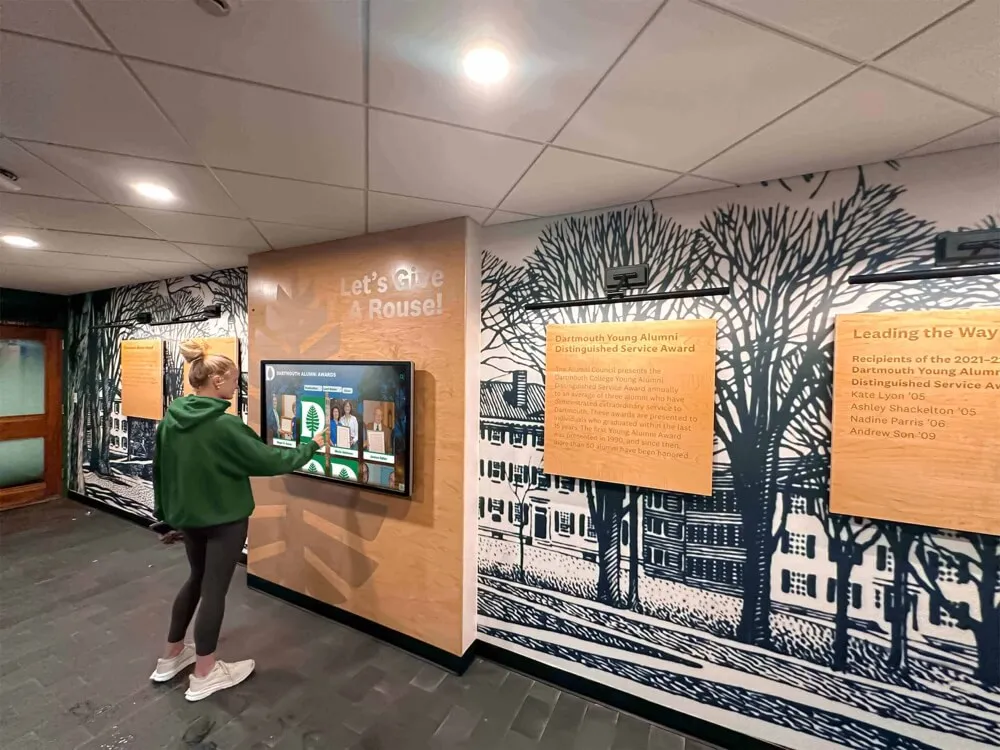
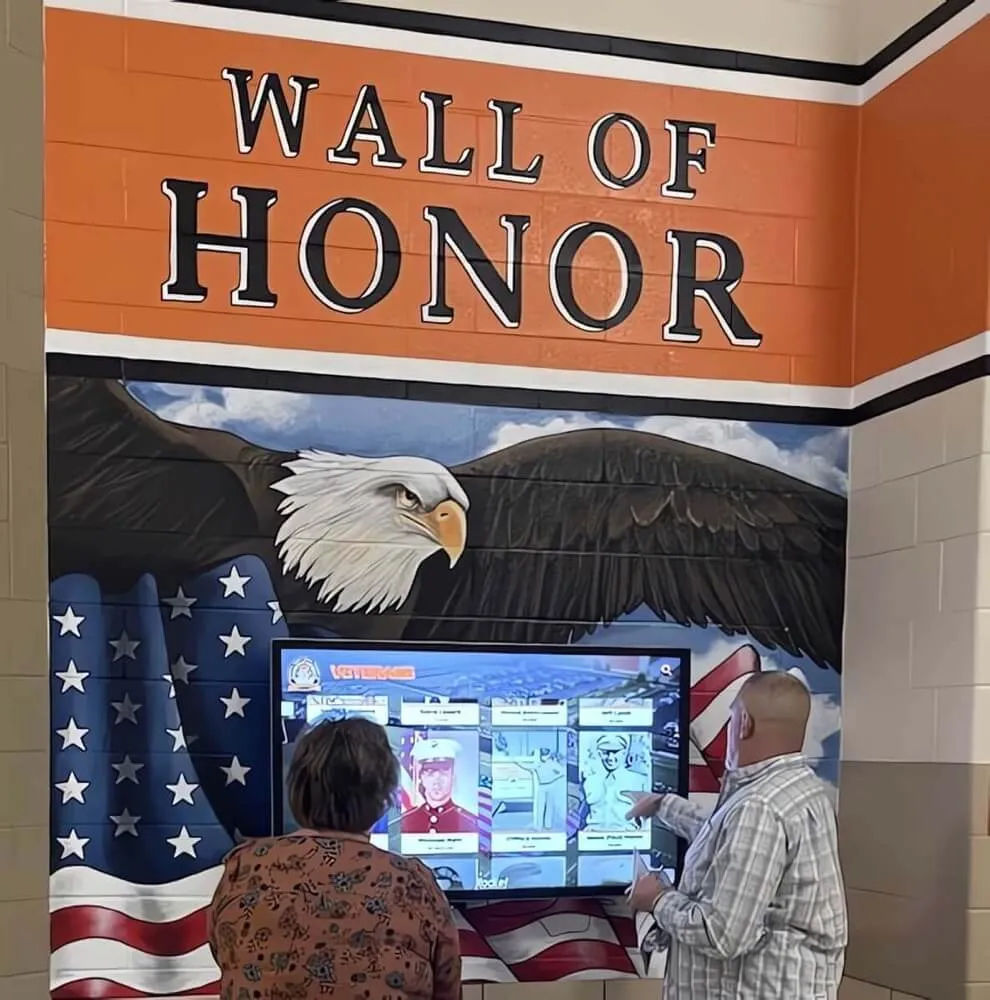
Interactive alumni displays help mentees discover potential mentors by showcasing distinguished graduates across diverse fields
Transitioning to Mentor Role
As your career develops, transitioning from mentee to mentor provides profound personal and professional satisfaction.
Recognizing When You’re Ready
You don’t need senior executive status to offer valuable mentorship. Once you’ve established yourself professionally—secured stable employment, developed industry expertise, built professional networks, learned from career successes and setbacks—you possess knowledge valuable to those a few years behind you in career progression.
Offering Accessible Mentorship
Make mentoring easy by clearly indicating your willingness to help, maintaining updated alumni directory profiles that explain your expertise and openness to outreach, participating in formal institutional mentorship programs, and responding generously when younger alumni contact you with questions.
Structured Versus Informal Mentorship
Some mentorship relationships follow formal structures with regular scheduled meetings and defined objectives. Others emerge organically through periodic conversations as questions arise. Both approaches prove valuable—formal structures ensure consistent contact and accountability, while informal relationships offer flexibility and reduced pressure. Allow relationships to find their natural rhythm rather than forcing particular formats.
Mentor Cohorts and Group Mentoring
Individual mentorship requires significant time investment. Consider offering group mentorship—hosting small cohorts of several mentees simultaneously for discussions covering common challenges and questions. This efficient approach enables mentoring multiple individuals while facilitating peer connections among mentees who may also support each other.
Staying Connected to Your Alma Mater
Beyond career networking, maintaining institutional connection enriches both alumni lives and institutional communities.
Understanding Institutional Evolution
Institutions constantly evolve—new academic programs, facility developments, leadership transitions, strategic direction shifts, and cultural changes. Alumni who remain engaged understand current institutional realities rather than maintaining frozen memories of campuses as they existed during their student years.
Campus Visit Opportunities
Regular campus visits—for homecoming, reunions, lectures, performances, athletic events—help alumni experience institutional evolution firsthand. Modern campuses often look dramatically different than alumni remember, with new facilities, renovated spaces, and updated landscaping reflecting ongoing investment and development.
Schools implementing interactive historical displays help visiting alumni understand institutional evolution while connecting current campuses to historical contexts they remember, bridging past and present in ways that strengthen rather than confuse institutional attachment.
Alumni Publications and Digital Channels
Institutional magazines, newsletters, blogs, podcasts, and social media provide windows into contemporary campus life. Regular consumption of these channels keeps alumni informed about current students, faculty research, program innovations, and institutional achievements deserving celebration and support.
Volunteer Opportunities Beyond Networking
Alumni engagement extends far beyond career networking into meaningful volunteer service supporting institutional missions.
Admissions and Student Recruitment
Many alumni assist with prospective student recruitment—conducting informational interviews, representing institutions at high school college fairs, hosting prospective students visiting their cities, and participating in alumni panels during campus visits. These contributions directly impact enrollment quality while enabling alumni to articulate what made their educational experiences valuable.
Career Services and Student Mentoring
Alumni provide invaluable career guidance to current students—hosting informational interviews, participating in career panels, offering internship opportunities, conducting mock interviews, reviewing resumes and cover letters, and facilitating introductions to employers. This direct student support creates career outcomes that shape institutional reputation while enabling alumni to influence emerging talent in their industries.
Program Advisory and Curriculum Input
Academic departments often seek alumni input regarding curriculum development, program design, and industry trend insights ensuring educational programs remain relevant to evolving professional demands. Alumni with current industry expertise provide essential perspectives helping institutions prepare students effectively for contemporary career realities.
Special Project Participation
Capital campaigns, strategic planning initiatives, diversity and inclusion efforts, student support programs, and other institutional priorities often benefit from alumni expertise and engagement. Volunteer participation in these focused initiatives provides meaningful contribution opportunities for alumni whose schedules preclude ongoing board service but who want to support specific institutional goals.

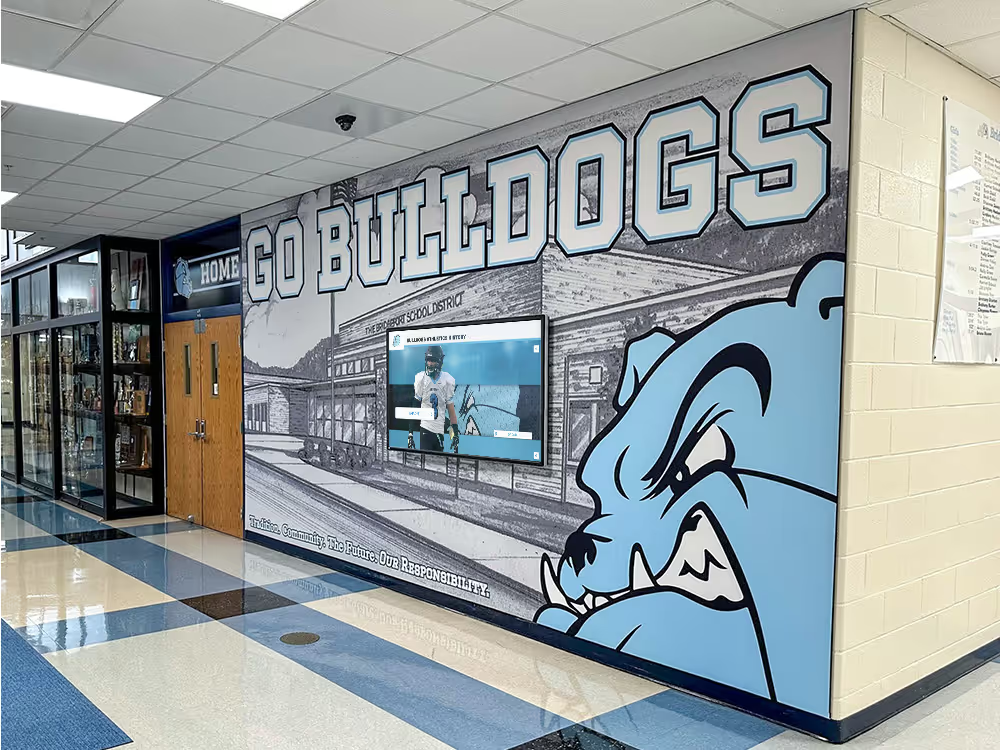
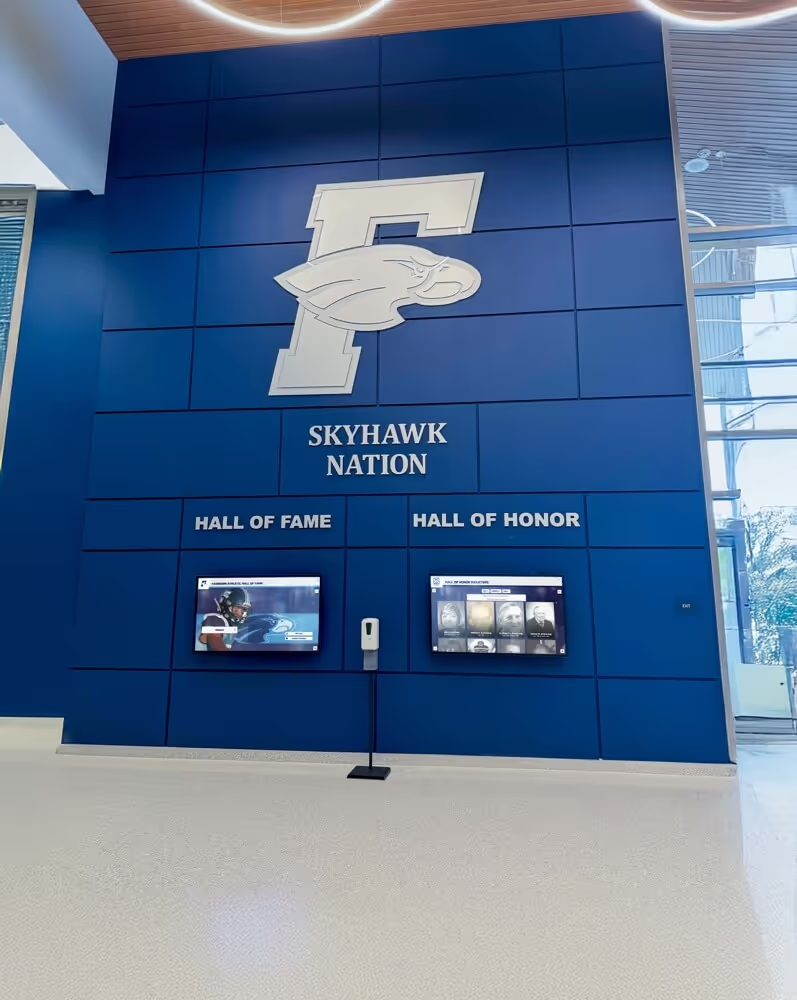
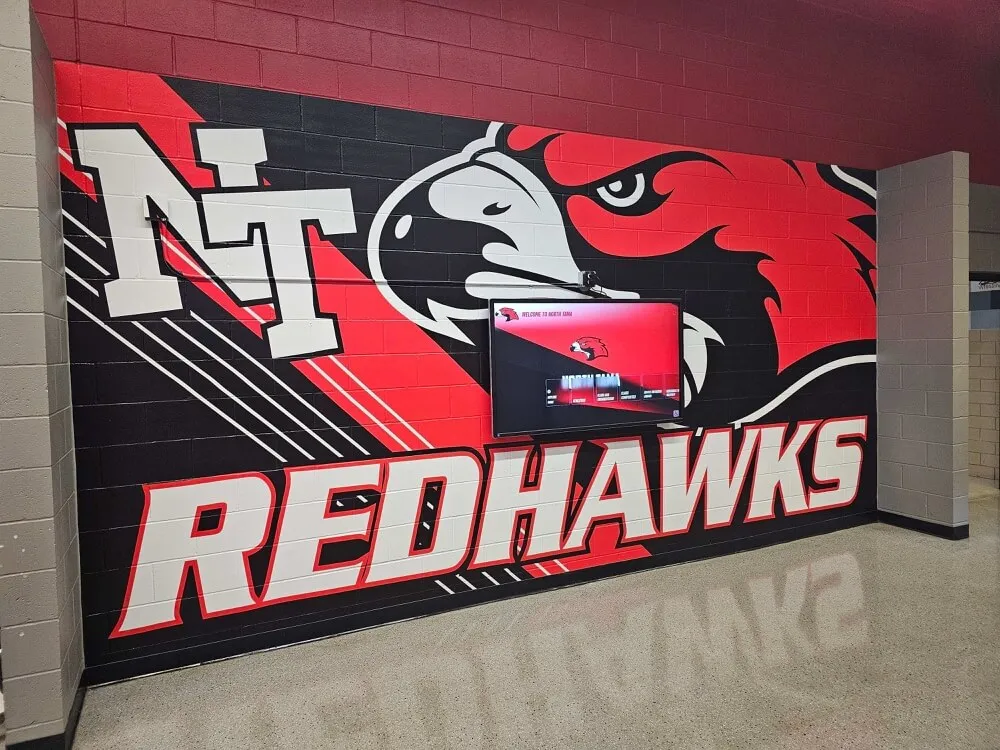
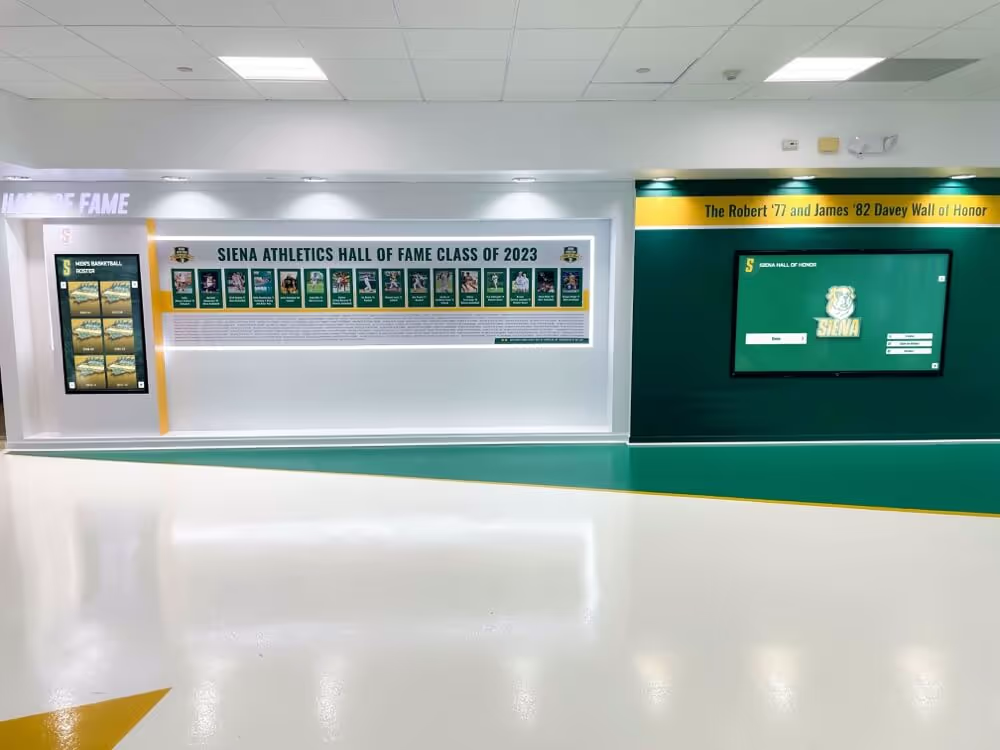
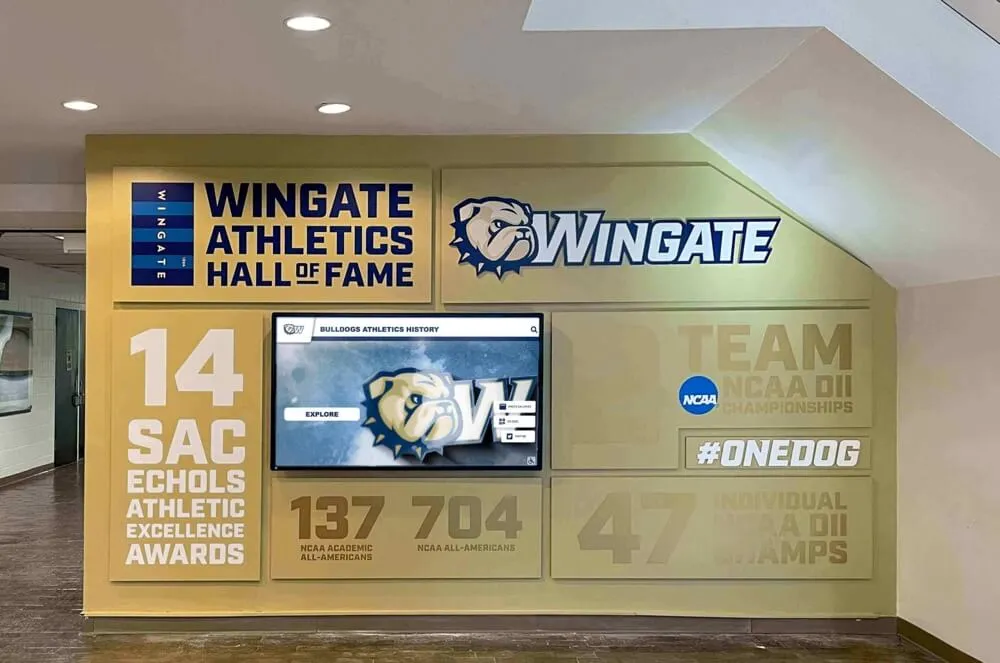
Dedicated alumni spaces featuring recognition displays create welcoming environments for continued institutional connection
Giving Back: Financial Support and Philanthropy
While alumni engagement encompasses far more than fundraising, philanthropic support represents important dimension of institutional relationship for many graduates.
Understanding Institutional Funding Realities
Most educational institutions—even wealthy universities—depend significantly on philanthropic support to maintain program quality, provide financial aid, fund facility maintenance and development, support faculty research, and deliver comprehensive educational experiences.
Annual giving programs, major gift campaigns, planned giving opportunities, and special project funding all play essential roles in institutional financial health. Alumni donations, regardless of amount, demonstrate engagement and institutional commitment that influences foundation grants, corporate partnerships, and other funding sources.
Strategic Philanthropy Aligned With Values
Thoughtful alumni donors consider where their contributions create maximum impact aligned with personal values and interests.
Unrestricted Annual Giving
General operating support—typically through annual fund donations—provides institutional flexibility to address highest priorities and respond to emerging needs. These unrestricted gifts prove particularly valuable because they enable institutional leaders to deploy resources strategically rather than within narrow designated parameters.
Designated Giving to Specific Programs
Alumni often prefer directing donations to particular programs—academic departments they majored in, student organizations they participated in, financial aid supporting students from particular backgrounds, athletic programs they competed in, or facilities they particularly valued. This targeted giving creates direct connection between donation and visible impact.
Endowment and Planned Giving
Major gifts establishing endowments—permanently invested funds supporting specific purposes through ongoing investment returns—create lasting institutional impact extending far beyond donors’ lifetimes. Planned giving through bequests, charitable trusts, and similar vehicles enables substantial philanthropic impact from alumni who couldn’t afford major gifts during working years but possess accumulated wealth in retirement or estate planning contexts.
Recognition and Donor Cultivation
Many institutions implement comprehensive donor recognition programs celebrating philanthropic support through named facilities, donor walls, giving societies, and public acknowledgment. These recognition programs honor generosity while inspiring additional giving by demonstrating community philanthropic culture.
Solutions like Rocket Alumni Solutions enable institutions to celebrate donors digitally through interactive displays that preserve recognition permanently while enabling easy updates as giving societies evolve and new donors contribute.
Non-Financial Contribution Value
Alumni who cannot contribute financially or who prefer non-monetary engagement provide tremendous value through volunteer time, professional expertise, network access, and advocacy—contributions equally important to institutional success despite not appearing on development reports.
Digital Warming: How Modern Alumni Platforms Strengthen Engagement
The most effective alumni communities leverage technology to create what we call “digital warming”—using continuously surfaced, personalized content to transform cold, disconnected relationships into warm, active engagement.
Interactive Recognition Displays
Modern institutions implement interactive touchscreen displays showcasing alumni achievements, career paths, and continued connections to institutional communities. These displays, often installed in alumni centers, campus gathering spaces, and high-traffic areas, create engaging experiences where visiting alumni discover classmates, explore institutional history, and feel connected to vibrant communities.
Digital hall of fame systems enable comprehensive alumni recognition impossible with traditional plaques limited by physical space constraints. When alumni visit campus and discover themselves recognized—whether for career achievements, volunteer service, athletic accomplishments, or other contributions—they experience validation strengthening emotional institutional bonds.
Web-Based Alumni Platforms
Cloud-based platforms extend alumni engagement beyond campus visits, enabling graduates anywhere in the world to explore institutional history, discover fellow alumni, access career resources, register for events, and maintain connections regardless of geographic distance from campus.
Effective platforms include searchable directories, event calendars, career boards, mentorship connection tools, giving portals, and rich multimedia content showcasing current institutional vitality. The best systems feel warm and personal rather than cold and transactional, using personalization and intelligent content surfacing to help each alumnus discover resources most relevant to their interests and needs.
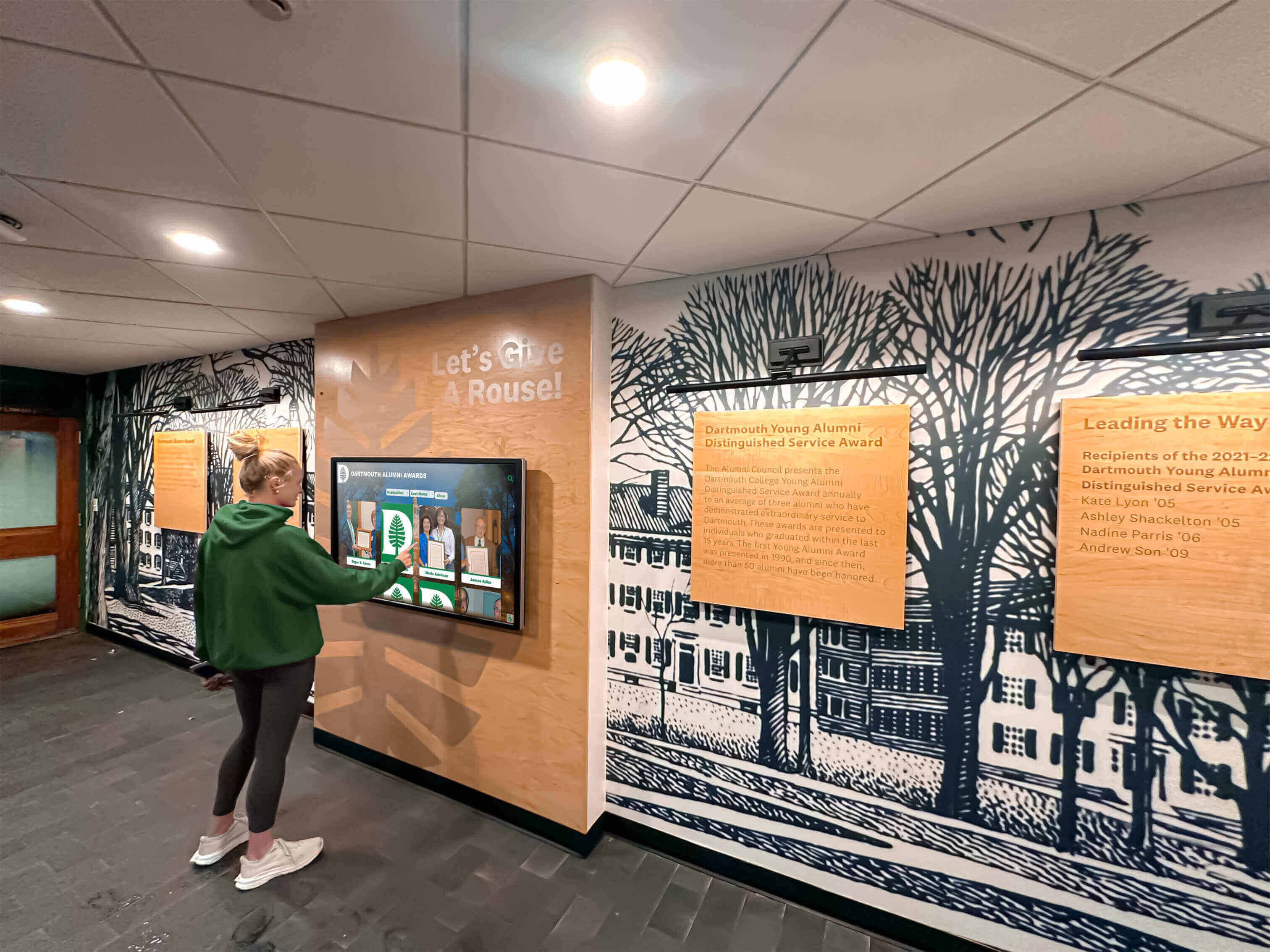
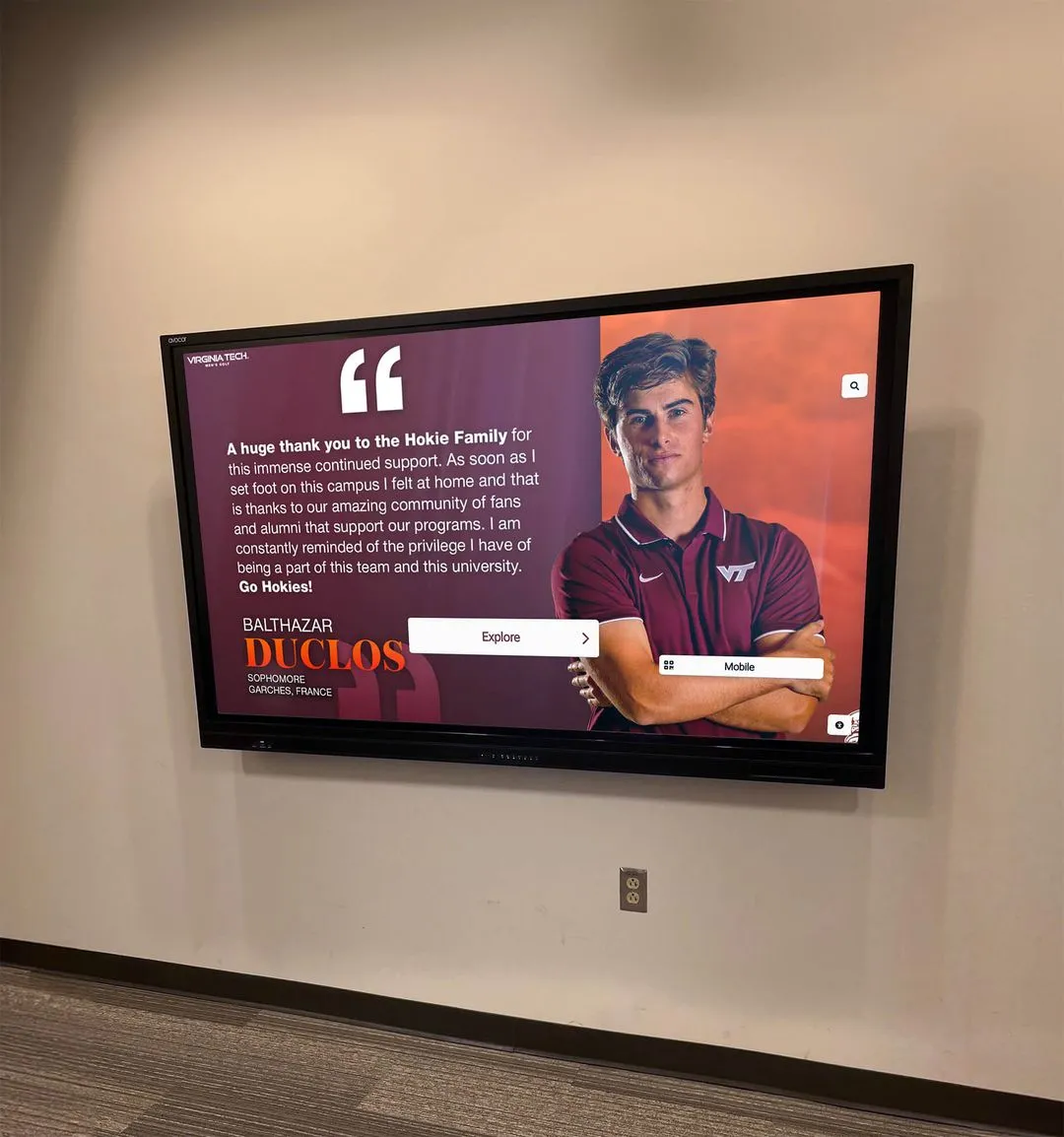
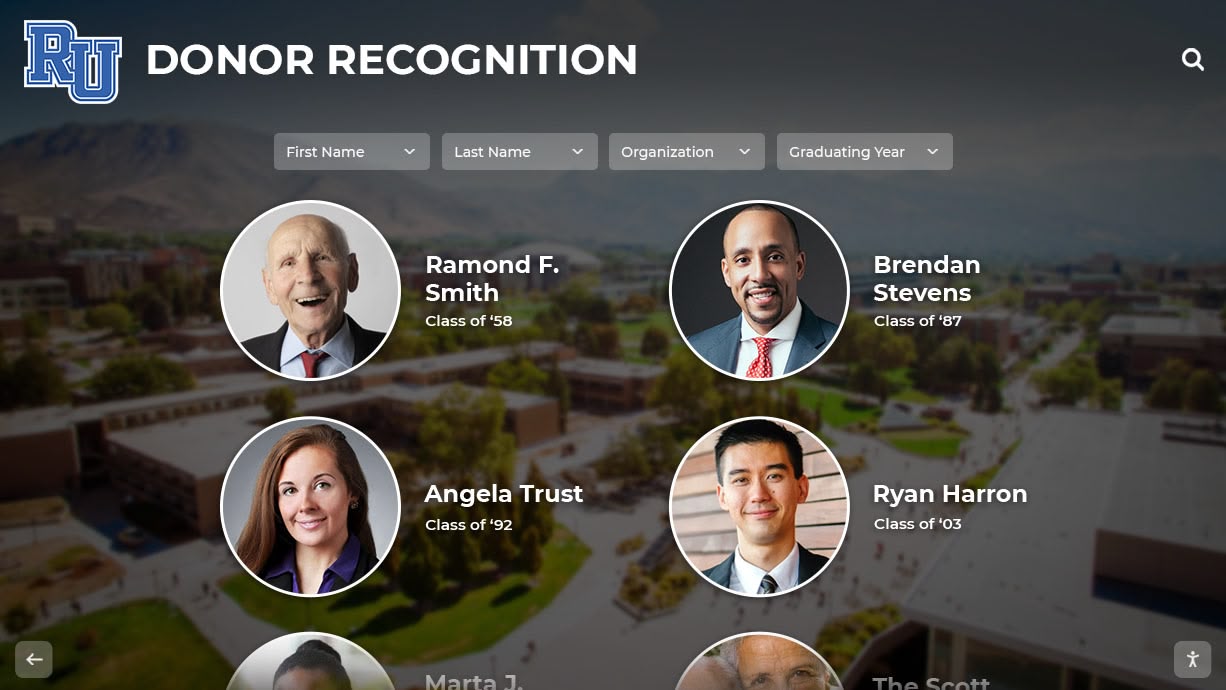
Modern students learn from alumni who came before them through interactive platforms showcasing career paths and achievements
Mobile Accessibility and Social Integration
Modern alumni expect mobile-accessible platforms enabling engagement via smartphones and tablets. QR codes at physical displays, mobile-optimized websites, and social media integration create seamless experiences where alumni move fluidly between physical and digital engagement without friction or frustration.
Social sharing features enable alumni to promote their own recognition, share classmate achievements, and extend institutional visibility throughout their personal networks—organic marketing far more powerful than institutional communications alone could achieve.
Creating Warm Digital Communities
The digital warming effect occurs when technology transforms passive alumni databases into active communities where members feel known, valued, and connected. This transformation requires:
- Personalization that makes each alumnus feel individually recognized rather than treated as undifferentiated database entry
- Fresh content through continuous updates ensuring platforms remain relevant rather than stagnant
- Easy discovery via intuitive interfaces enabling alumni to find information without frustration
- Multiple engagement paths accommodating diverse interests and engagement preferences
- Celebration and recognition that honors alumni achievements and contributions visibly
Institutions implementing comprehensive digital alumni engagement platforms through solutions like Rocket Alumni Solutions report dramatically increased alumni participation, stronger giving rates, enhanced volunteer engagement, and qualitative feedback revealing deeper emotional connections to institutional communities.
Advice for Different Life Stages and Circumstances
Alumni needs and engagement approaches vary based on life circumstances and career stages.
Recent Graduates (0-5 Years Post-Graduation)
Primary Focus: Career launch, professional network building, managing student loans, adjusting to post-college life
Engagement Priorities:
- Leverage career services and alumni mentorship intensively during critical early career years
- Attend local alumni chapter events establishing geographic connections in new cities
- Maintain campus relationships with professors and staff who may provide references and guidance
- Stay current with institutional news maintaining connection despite career demands
- Consider modest annual giving establishing philanthropic habit even before achieving financial stability
Established Professionals (6-20 Years Post-Graduation)
Primary Focus: Career advancement, potential industry transitions, family responsibilities, community involvement
Engagement Priorities:
- Shift toward peer networking through industry-specific alumni groups
- Begin mentoring younger alumni leveraging accumulated experience
- Explore volunteer leadership opportunities through regional chapters or specialized committees
- Increase financial support as career earnings grow
- Bring family to campus events introducing next generation to institutional community
Senior Professionals (20+ Years Post-Graduation)
Primary Focus: Legacy building, mentorship, preparing for career transitions, maintaining professional relevance
Engagement Priorities:
- Intensive mentorship of multiple younger alumni sharing accumulated wisdom
- Board service and high-level volunteer leadership leveraging senior expertise
- Major gifts and planned giving creating lasting institutional impact
- Regular campus engagement maintaining intellectual stimulation and generational perspective
- Considering how alumni community fits into retirement planning and next life chapters
Career Transition Periods
Alumni facing job searches, industry changes, relocations, or other career transitions particularly benefit from active alumni network engagement during vulnerable periods. Fellow alumni often prove most willing to assist during challenging times, viewing support as community responsibility rather than transactional exchange.
Don’t hesitate to reach out to alumni networks when facing career challenges—most alumni remember receiving similar assistance earlier in their careers and welcome opportunities to help others navigate difficult transitions.

Alumni communities thrive when members gather around shared institutional pride and collective achievement celebration
Creating Your Personal Alumni Engagement Strategy
Rather than passive alumni membership, approach institutional relationship strategically with clear objectives and intentional actions.
Assessing Your Current Engagement
Begin by honestly evaluating your current alumni relationship:
- When did you last attend alumni event or engage with institutional content?
- How many fellow alumni have you connected with in past year?
- Do you know where to find alumni resources and support when needed?
- Does your alma mater know your current contact information and career details?
- Have you contributed financially, through volunteer time, or in other tangible ways?
This assessment reveals engagement gaps and opportunities for enhanced connection.
Setting Engagement Goals
Establish specific, manageable goals for alumni engagement:
- Networking objectives: “Connect with three alumni working in [target industry] within six months”
- Mentorship targets: “Find mentor for career guidance” or “Mentor two younger alumni this year”
- Event participation: “Attend homecoming” or “Participate in at least two local chapter events annually”
- Volunteer commitments: “Join regional chapter board” or “Conduct five informational interviews with current students”
- Philanthropic plans: “Establish annual giving habit” or “Increase donation by 10% annually”
Specific goals enable measurement and accountability, increasing likelihood of sustained engagement rather than good intentions without follow-through.
Building Engagement Habits
The most engaged alumni develop regular habits maintaining connection without requiring constant decision-making:
- Monthly alumni publication reading during commute or leisure time
- Quarterly outreach to three fellow alumni maintaining relationship warmth
- Annual campus visit for homecoming or other signature event
- Biannual career guidance sessions with one or two younger alumni
- Consistent annual giving scheduled as routine part of yearly charitable contributions
These habits, once established, make engagement natural and sustainable rather than burdensome or easily forgotten amid busy life demands.
Help Your Alma Mater Build Vibrant Alumni Community
Institutions leveraging modern technology to celebrate alumni achievements and facilitate connections create the warm, engaged communities where careers flourish and lifelong relationships thrive. Discover how digital recognition platforms strengthen alumni engagement while preserving institutional heritage for future generations.
Explore Alumni SolutionsCommon Alumni Engagement Challenges and Solutions
Even well-intentioned alumni face obstacles to sustained engagement.
“I’m Too Busy With Career and Family”
Reality: Everyone faces time constraints. The question isn’t whether you’re busy, but whether alumni engagement provides sufficient value to justify time investment.
Solutions:
- Start with minimal commitments—single annual event attendance, quarterly email check-ins with one alumnus, monthly five-minute newsletter reading
- Leverage existing activities—bring family to campus events combining institutional connection with family time, arrange informational coffee meetings near your office requiring minimal extra travel
- Focus on highest-return engagement—identify which activities provide greatest career benefit or personal satisfaction, prioritizing those over less valuable options
“I Don’t Feel Connected to My Alma Mater”
Reality: Many alumni—particularly those who struggled during student years, felt disconnected from campus culture, or had negative experiences—lack warm institutional feelings despite valuable education received.
Solutions:
- Approach alumni engagement pragmatically—even if emotional connection feels absent, alumni networks provide career value regardless of nostalgic feelings
- Find specific connection points—perhaps particular professors, specific programs, or niche alumni groups feel more relevant than broad institutional connection
- Give institutions opportunity to earn your renewed engagement—contemporary campus may differ significantly from your student-era experience; current leadership may prioritize inclusion and community building in ways that resonate even if past campus culture didn’t
“I Can’t Afford to Donate”
Reality: Financial constraints affect many alumni, particularly recent graduates with student loans or mid-career professionals supporting families.
Solutions:
- Remember that volunteer time, expertise, and networking assistance provide tremendous value even without financial donations
- Understand that small donations matter—$25-50 annual gifts demonstrate engagement even when larger gifts aren’t feasible
- Consider philanthropic engagement as long-term relationship—establish giving habit at affordable levels now, knowing contributions can grow as financial circumstances improve
- Explore employer matching programs potentially doubling modest donations without additional personal expense
“Geographic Distance Makes Engagement Difficult”
Reality: Many alumni live far from campus, preventing participation in on-campus events and reducing sense of active community connection.
Solutions:
- Engage with regional alumni chapters bringing institutional connection to your current location
- Leverage digital platforms, virtual events, and online alumni communities enabling geographic-independent engagement
- Plan occasional campus visits around family vacations or business travel to your institution’s region
- Focus on alumni network connections independent of campus—building relationships with fellow alumni in your current city provides value regardless of distance from campus
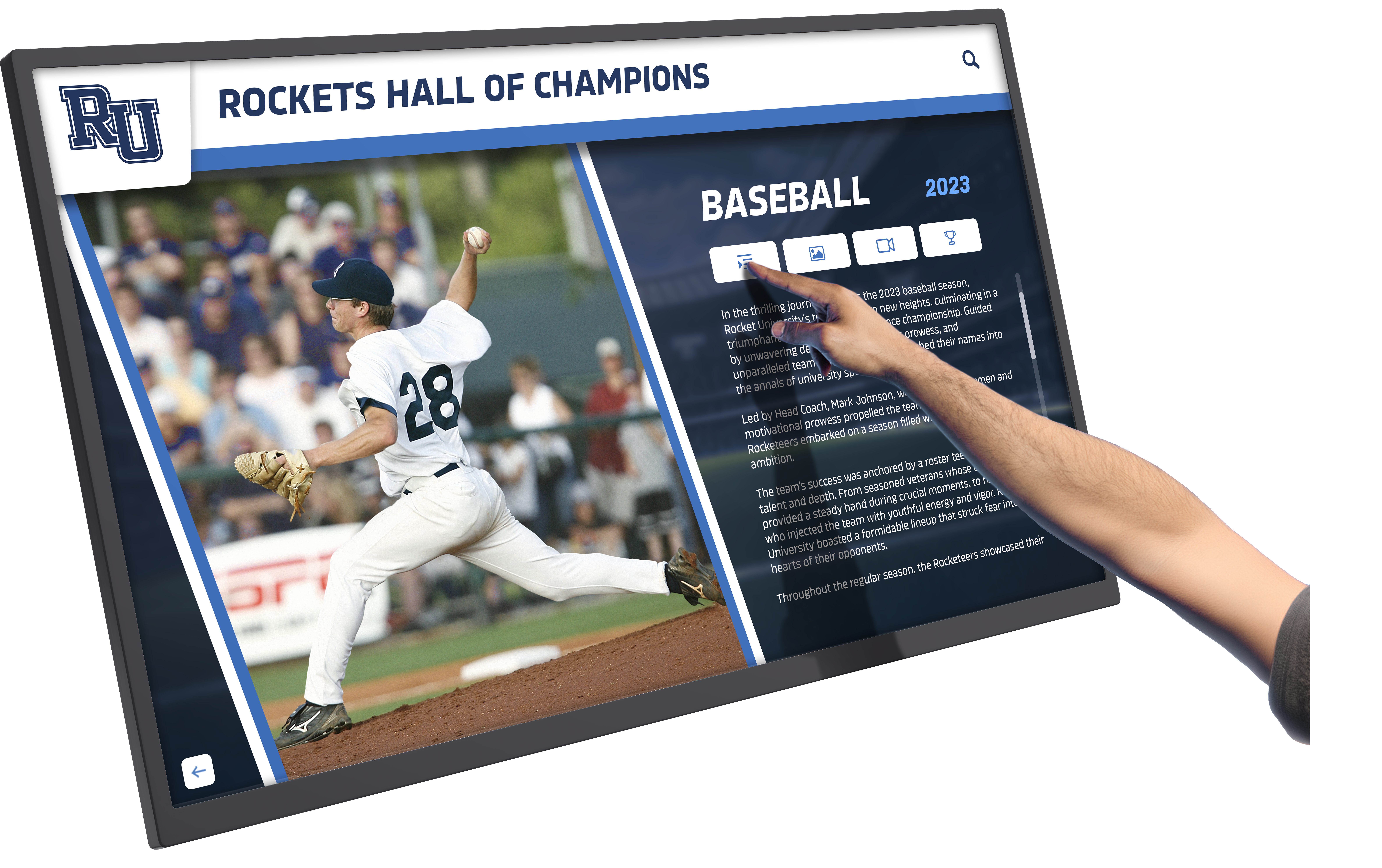
Interactive platforms enable alumni to explore achievements and discover potential professional connections
Conclusion: Alumni Advice for Lifelong Success and Meaningful Connection
Your alumni community represents far more than nostalgic connection to your student past—it comprises dynamic, forward-looking network providing career advancement opportunities, professional relationships, mentorship resources, and profound personal fulfillment through meaningful contribution to future generations and institutions that shaped your journey.
The most successful and satisfied alumni approach their institutional relationships strategically and intentionally. They leverage alumni networks throughout career progressions—accessing mentorship and job opportunities when starting professional lives, building peer connections and volunteer leadership as careers establish, and sharing accumulated wisdom while maintaining intellectual engagement as professional chapters evolve toward next life stages.
They understand that alumni engagement operates as reciprocal relationship rather than one-directional transaction. When they receive career assistance, mentorship guidance, or professional introductions from fellow alumni, they recognize obligation to provide similar support to others within shared community. This reciprocal ethic sustains alumni networks across generations, ensuring that today’s early-career professionals will, in future decades, support newer graduates just as senior alumni support them now.
They recognize that staying meaningfully connected to alma mater institutions enriches both their lives and broader institutional communities. Their career success reflects positively on educational quality, their mentorship directly influences current student outcomes, their financial support enables institutional excellence, and their continued engagement demonstrates to current students that institutional communities extend far beyond four undergraduate years into lifelong relationships providing value throughout entire life spans.
The digital warming effect—created when institutions implement thoughtful technology platforms that celebrate alumni achievements, facilitate meaningful connections, and maintain warm relationships despite geographic distances and life complexities—transforms passive alumni status into active community membership. Solutions like Rocket Alumni Solutions enable institutions to showcase alumni success stories, preserve institutional heritage, and create engaging digital experiences that strengthen emotional bonds while providing practical career resources.

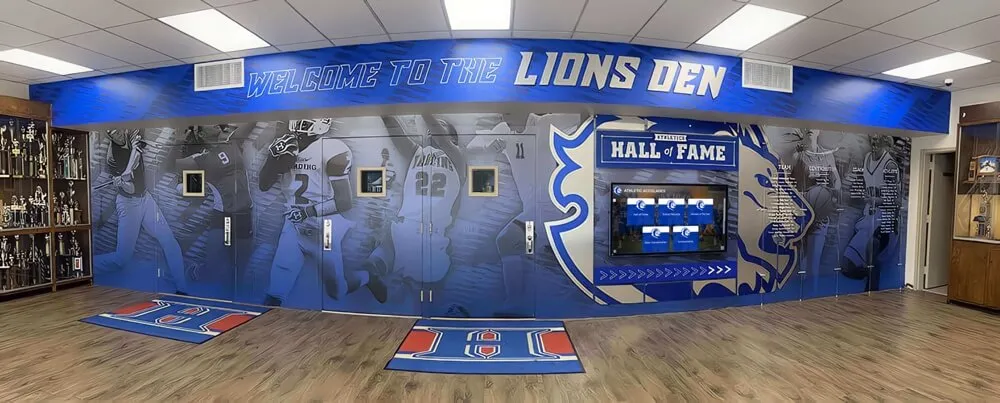
Dedicated spaces celebrating alumni achievements create physical manifestations of vibrant, engaged communities
Your alma mater and fellow alumni want you to succeed professionally and personally. They offer networks, resources, mentorship, and support specifically because you share institutional identity and belong to community extending across generations and geographies. Taking advantage of these resources isn’t imposing—it’s participating in reciprocal system designed explicitly to help all community members thrive.
Similarly, when you’ve achieved professional success and accumulated wisdom, sharing those resources with younger alumni isn’t burden—it’s fulfilling your role within sustained ecosystem where each generation lifts up those following behind, just as prior generations supported your development.
Whether you graduated last year or decades ago, whether you felt deeply connected to campus culture or maintained more distant relationship, whether you’ve stayed consistently engaged or allowed connection to fade over busy years—opportunities exist now to activate or strengthen your alumni relationships in ways that will enrich your career, expand your network, deepen your sense of purpose, and contribute to communities that extend far beyond yourself.
Your alumni community awaits your participation. The question isn’t whether you’re alumni member—graduation established that permanent status. The question is whether you’ll be passive member occasionally receiving institutional communications, or active participant fully leveraging and contributing to dynamic communities where shared institutional connections create lifelong value for everyone involved.
Begin wherever you are. Reach out to one fellow alumnus this week. Attend one event this quarter. Update your alumni directory profile. Consider modest donation. Offer to mentor current student. Whatever first step makes sense for your circumstances, take it. Then take another. Then another. Before long, you’ll discover that your alumni community isn’t abstract concept or nostalgic memory—it’s living network providing tangible value while depending on your active participation to sustain vibrant ecosystem benefiting all members across all generations.
Ready to strengthen your institutional connection while supporting your alma mater’s efforts to build warmer, more engaged alumni communities? Discover how modern recognition platforms help institutions celebrate alumni achievements while facilitating the meaningful connections that transform passive alumni databases into thriving professional networks.