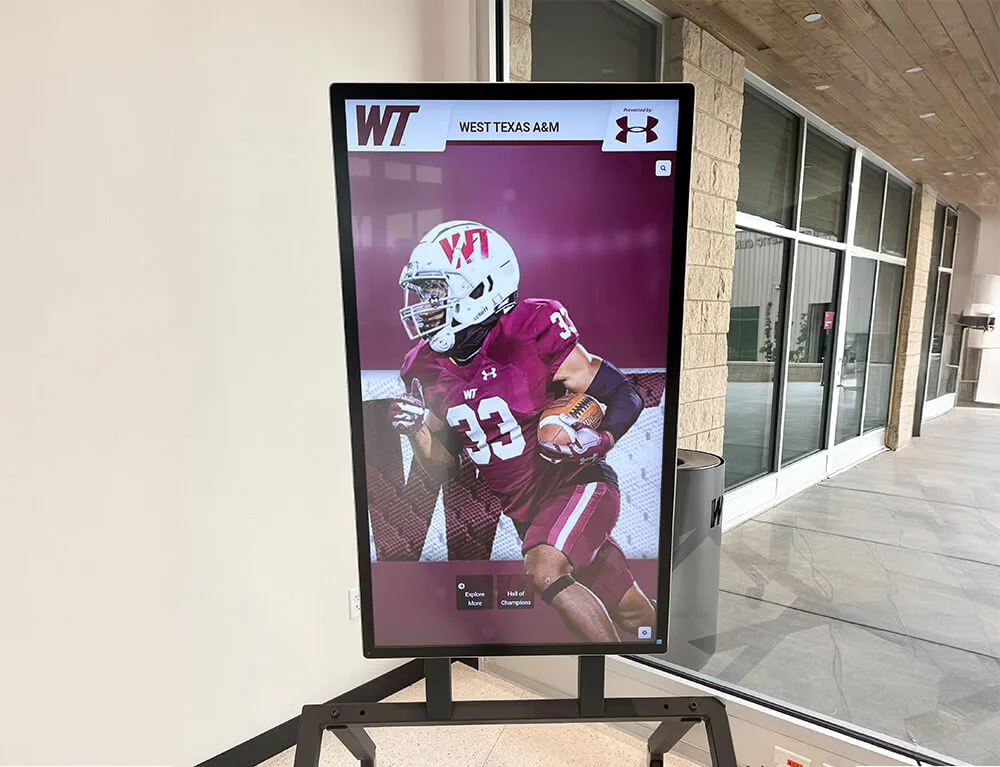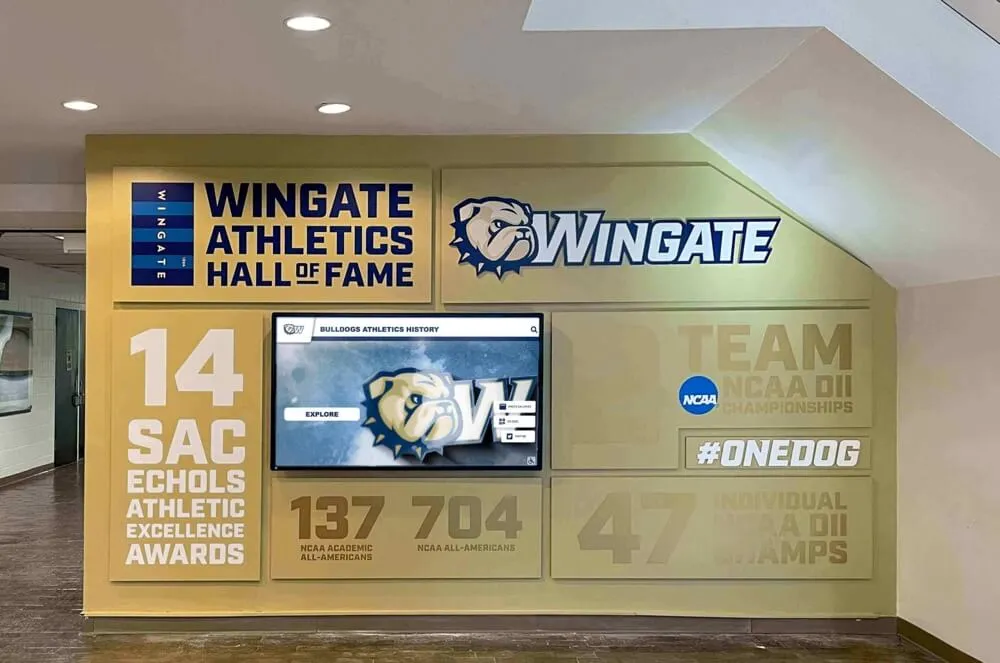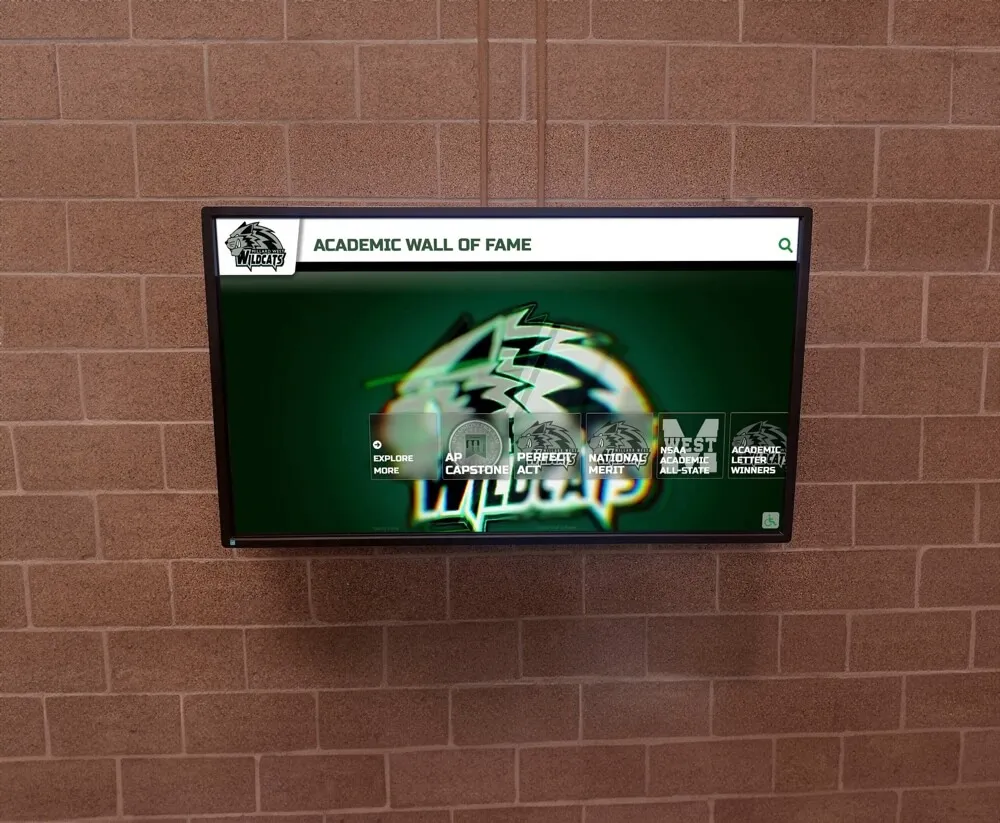




Intent: demonstrate — Achieving a composite ACT score of 30 or higher represents exceptional academic accomplishment. Students reaching this milestone place in approximately the 93rd percentile nationally, demonstrating mastery across English, mathematics, reading, and science that signals readiness for rigorous college academics. Yet many schools struggle to give these remarkable achievements the lasting recognition they deserve, often limiting celebration to brief announcements, honor roll lists that quickly disappear, or individual congratulations that miss opportunities to inspire entire communities.
When schools systematically recognize ACT 30+ Club members through visible, engaging platforms, they create what we call digital warming—transformation of cold academic statistics into vibrant celebration that builds community pride, motivates younger students, and demonstrates institutional commitment to intellectual excellence. Rather than test scores existing as abstract numbers in guidance counselor files, recognition displays make these achievements tangible, accessible, and inspirational for current students, prospective families, and entire school communities.
Traditional recognition approaches face inherent limitations—physical space constraints that prevent comprehensive multi-year archives, manual update burdens that create delays between achievement and celebration, and static formats that reduce engagement to passive viewing. Meanwhile, students earning these exceptional scores represent years of dedication, intellectual curiosity, and sustained academic excellence deserving recognition comparable to athletic championships or other celebrated accomplishments.
Digital recognition platforms transform ACT 30+ Club celebration by eliminating every constraint that limited traditional approaches. Solutions like Rocket Alumni Solutions enable schools to showcase current achievers prominently while maintaining complete historical archives documenting decades of academic excellence. Real-time updates ensure recognition appears immediately when scores arrive, flexible display options accommodate diverse presentation preferences, and interactive features create engaging experiences extending far beyond names on plaques.

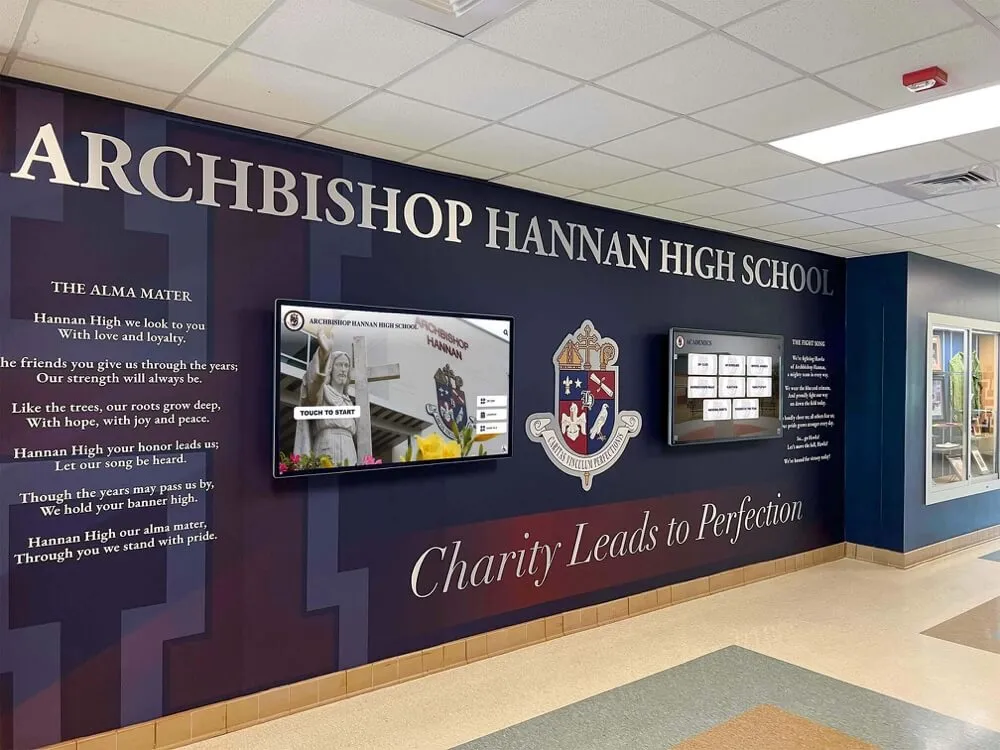
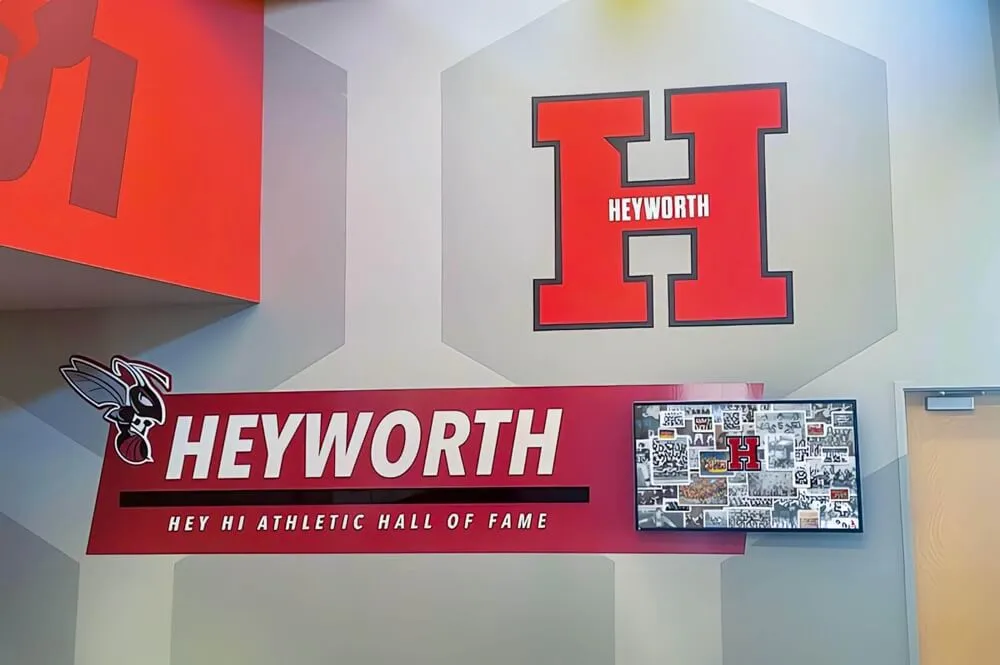
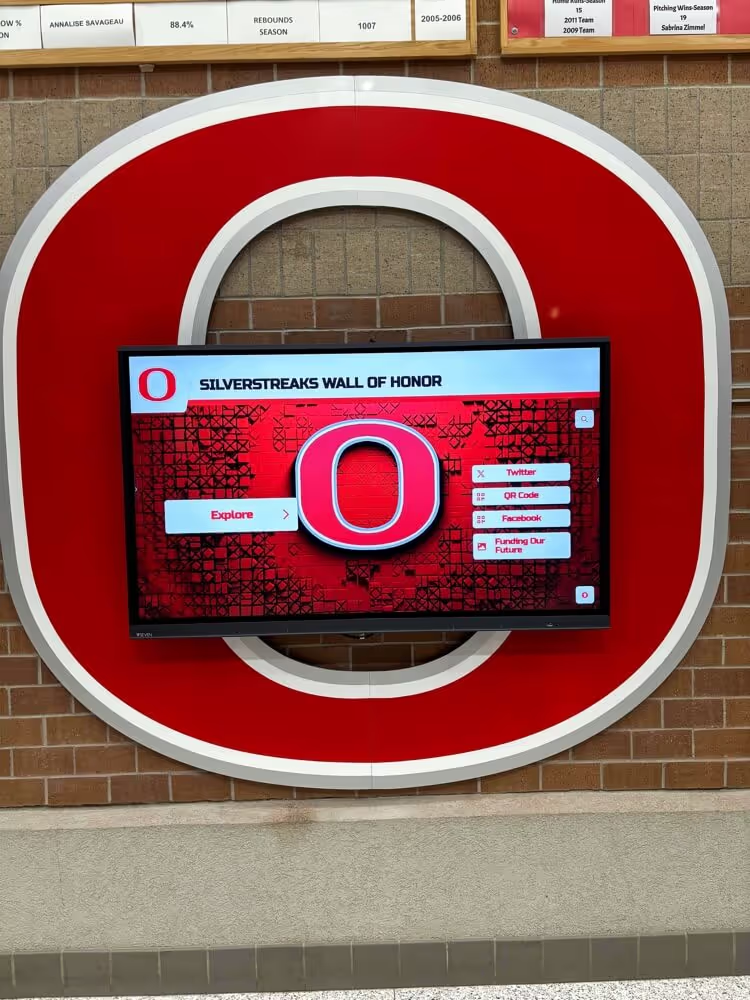
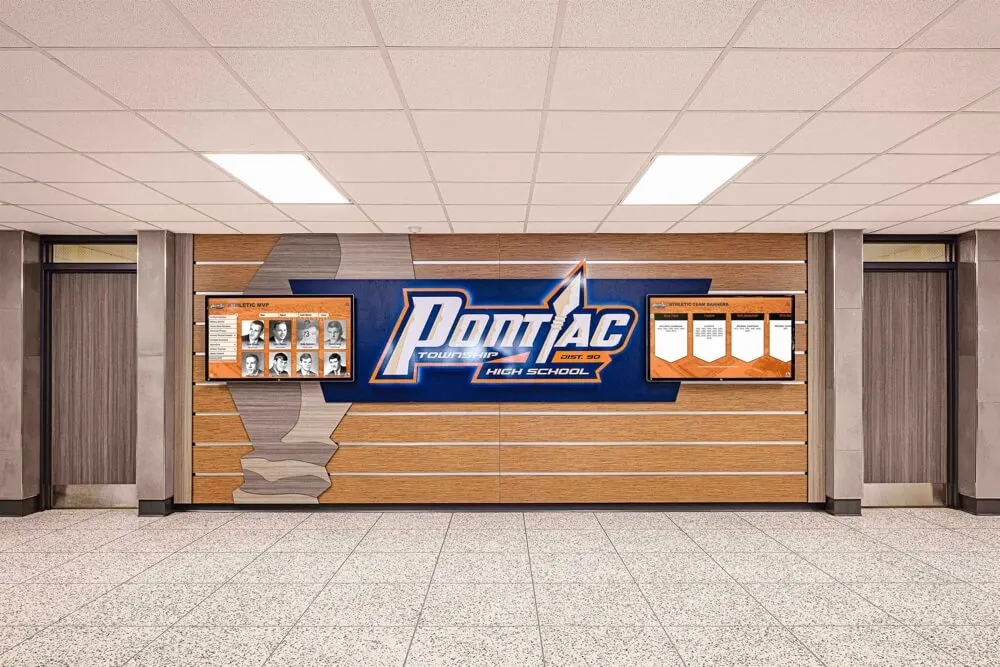
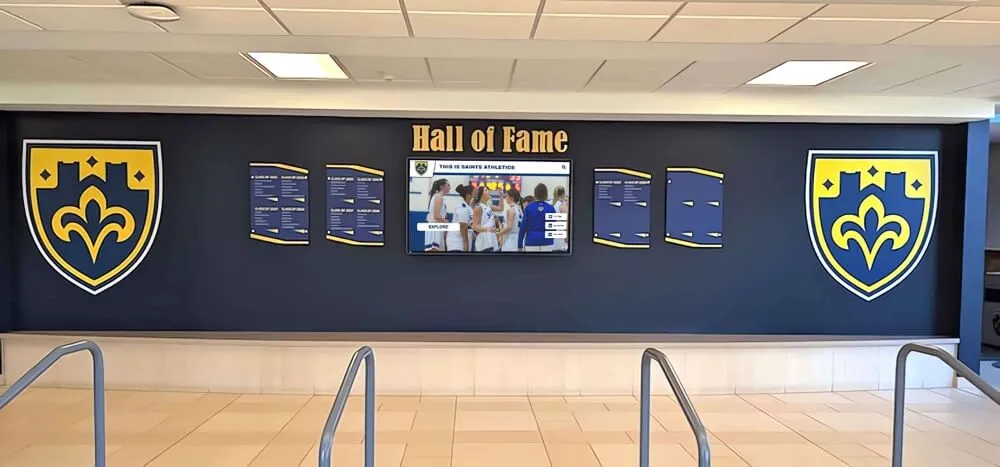
Modern digital displays make ACT 30+ Club achievements visible and celebrated throughout school communities
Understanding ACT Score Significance and the 30+ Achievement
The ACT (American College Testing) serves as one of two primary college admissions assessments used across the United States, with composite scores ranging from 1 to 36. Understanding what a 30+ score represents helps schools design recognition systems appropriately honoring this achievement level.
ACT Scoring Structure and Percentiles
The ACT comprises four required sections plus an optional writing section:
Required Test Sections
- English: 75 questions assessing grammar, usage, punctuation, sentence structure, strategy, organization, and style
- Mathematics: 60 questions covering pre-algebra, elementary algebra, intermediate algebra, coordinate geometry, plane geometry, and trigonometry
- Reading: 40 questions testing reading comprehension across prose fiction, social science, humanities, and natural science passages
- Science: 40 questions evaluating interpretation, analysis, evaluation, reasoning, and problem-solving skills using science content
Each section receives a score from 1 to 36, with the composite score representing the average of the four section scores, rounded to the nearest whole number. Students achieving composite scores of 30 or higher demonstrate exceptional proficiency across all subject areas rather than strength in isolated domains.
Percentile Performance
According to ACT score distributions, composite scores of 30 or higher place students in approximately the 93rd percentile nationally. This means these students outperformed roughly 93% of all test-takers—a remarkable accomplishment considering millions of students take the ACT annually. Breaking down specific scores:
- ACT 30: 93rd percentile
- ACT 31: 95th percentile
- ACT 32: 97th percentile
- ACT 33: 98th percentile
- ACT 34: 99th percentile
- ACT 35: 99th+ percentile
- ACT 36: 99.9th+ percentile (perfect score)
Students reaching these levels demonstrate academic preparation positioning them competitively for admission to selective colleges and universities, merit scholarship consideration, and honors program eligibility.
College Admissions and Scholarship Impact
ACT 30+ scores create tangible advantages for students’ college futures:
Competitive Admissions Positioning
Highly selective colleges and universities typically report middle 50% ACT ranges (25th to 75th percentile of admitted students) with upper bounds in the 32-36 range. Students scoring 30+ position themselves within or near these competitive ranges for many selective institutions, making them viable candidates for admission consideration at schools including:
- Top-tier state flagship universities
- Selective liberal arts colleges
- Private research universities
- Specialized technical institutions
- Honors colleges within larger universities
While standardized test scores represent only one admission factor alongside GPA, course rigor, extracurriculars, essays, and recommendations, ACT 30+ scores signal academic readiness that admissions committees value highly.
Merit Scholarship Opportunities
Many colleges and universities offer automatic or competitive merit scholarships based on ACT scores. Students achieving 30+ scores frequently qualify for:
- Automatic merit awards at state universities (ranging from partial to full tuition)
- Competitive scholarship consideration at private institutions
- Honors college admission with associated scholarships
- Special program invitations (research opportunities, study abroad, leadership programs)
- National scholarship program eligibility (National Merit, corporate sponsorships, private foundations)
These financial benefits often total tens of thousands of dollars over four years, making ACT 30+ achievement economically significant for families alongside the academic recognition.
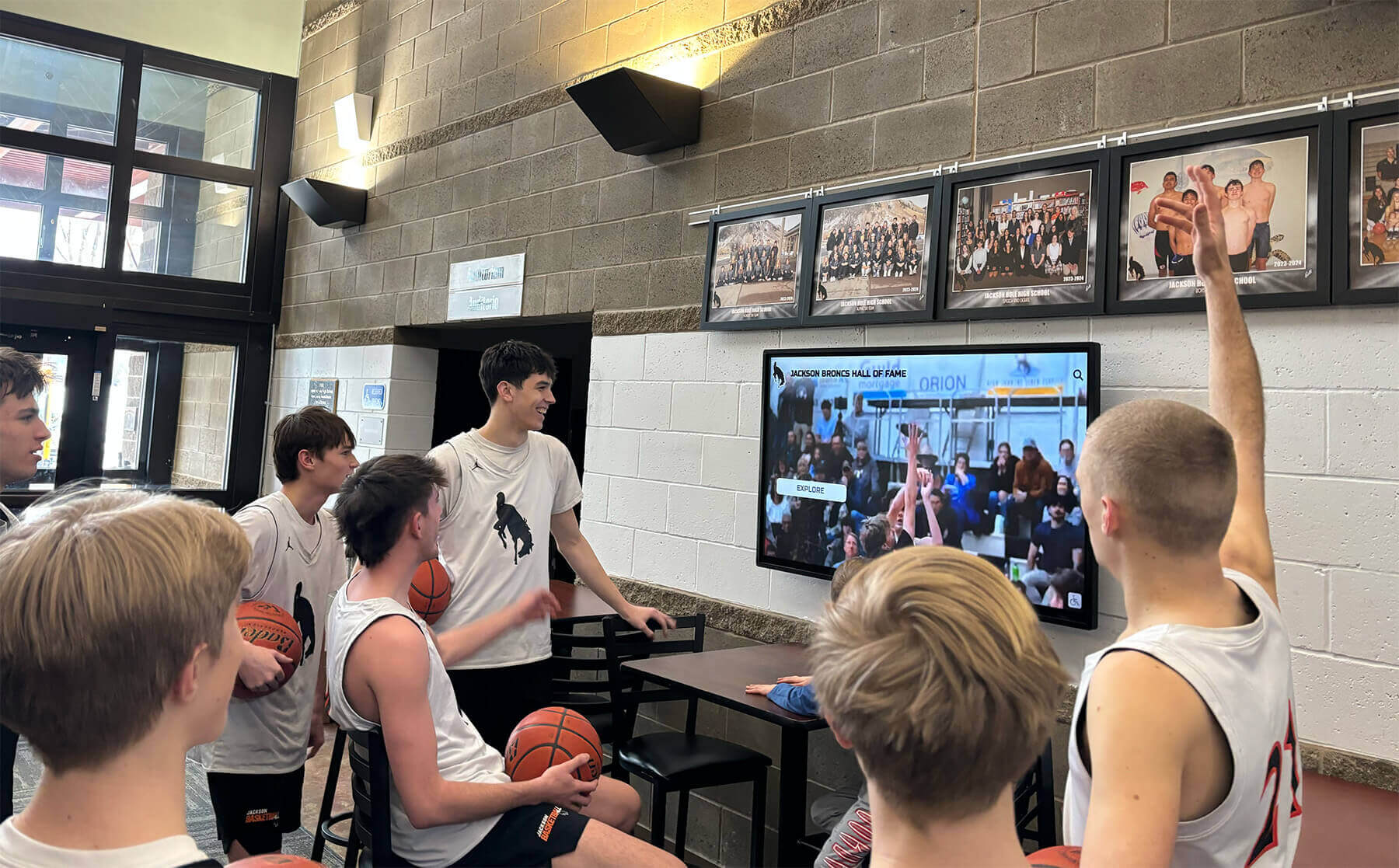
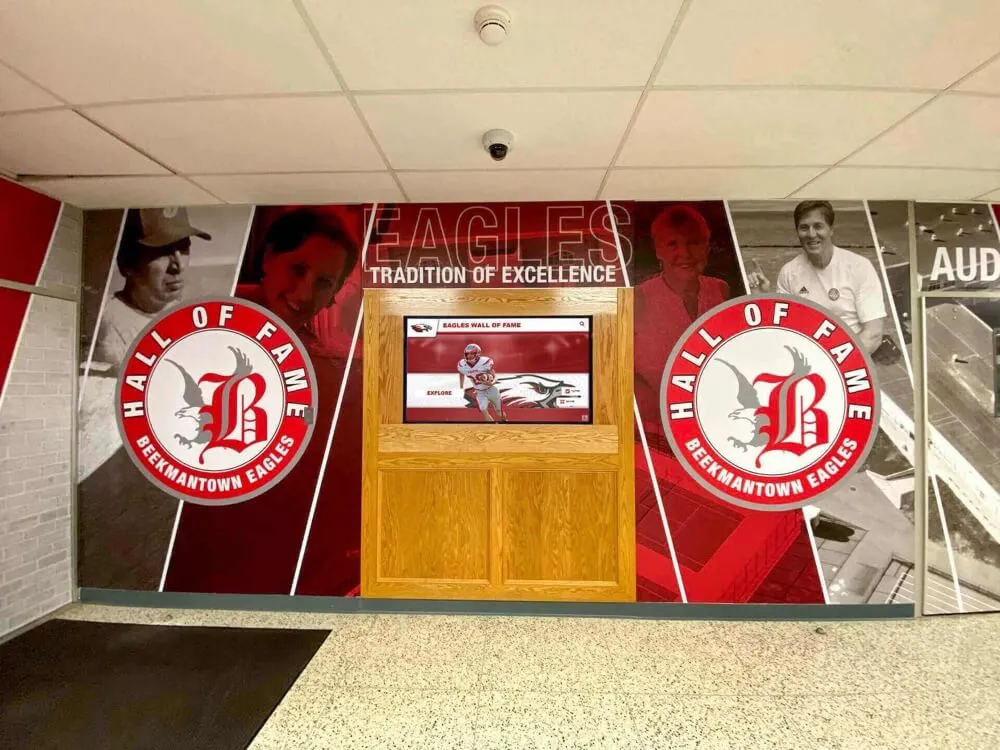
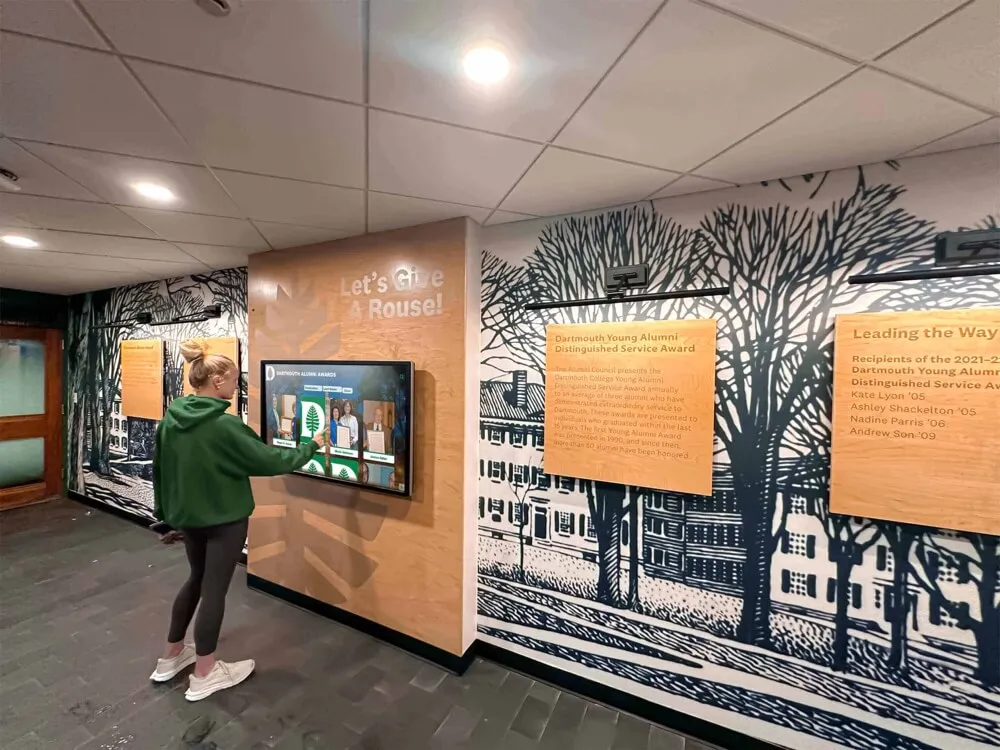
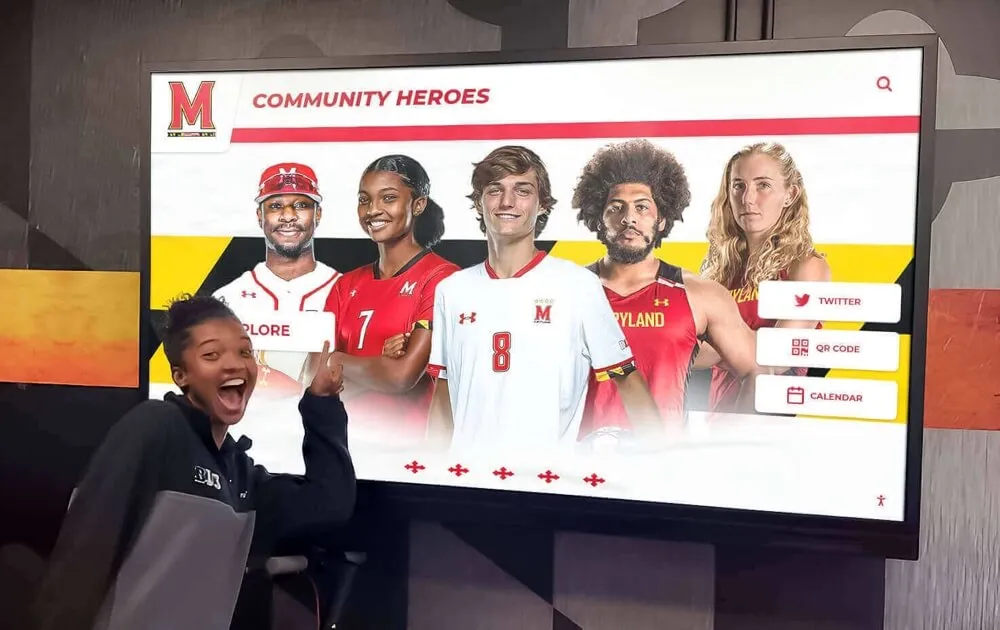
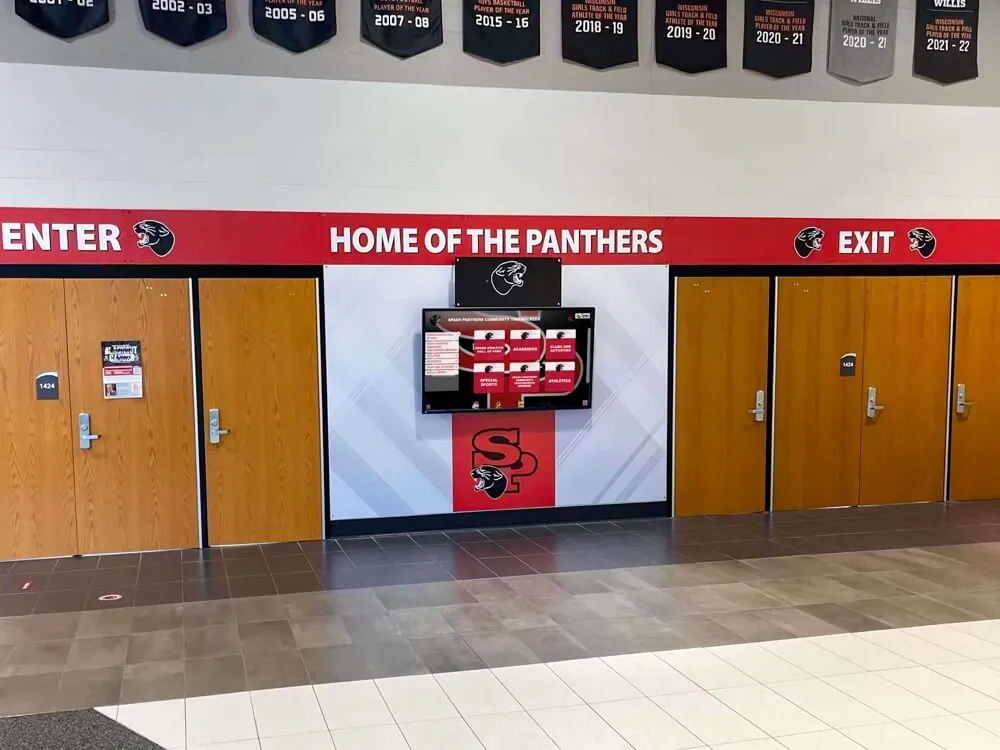
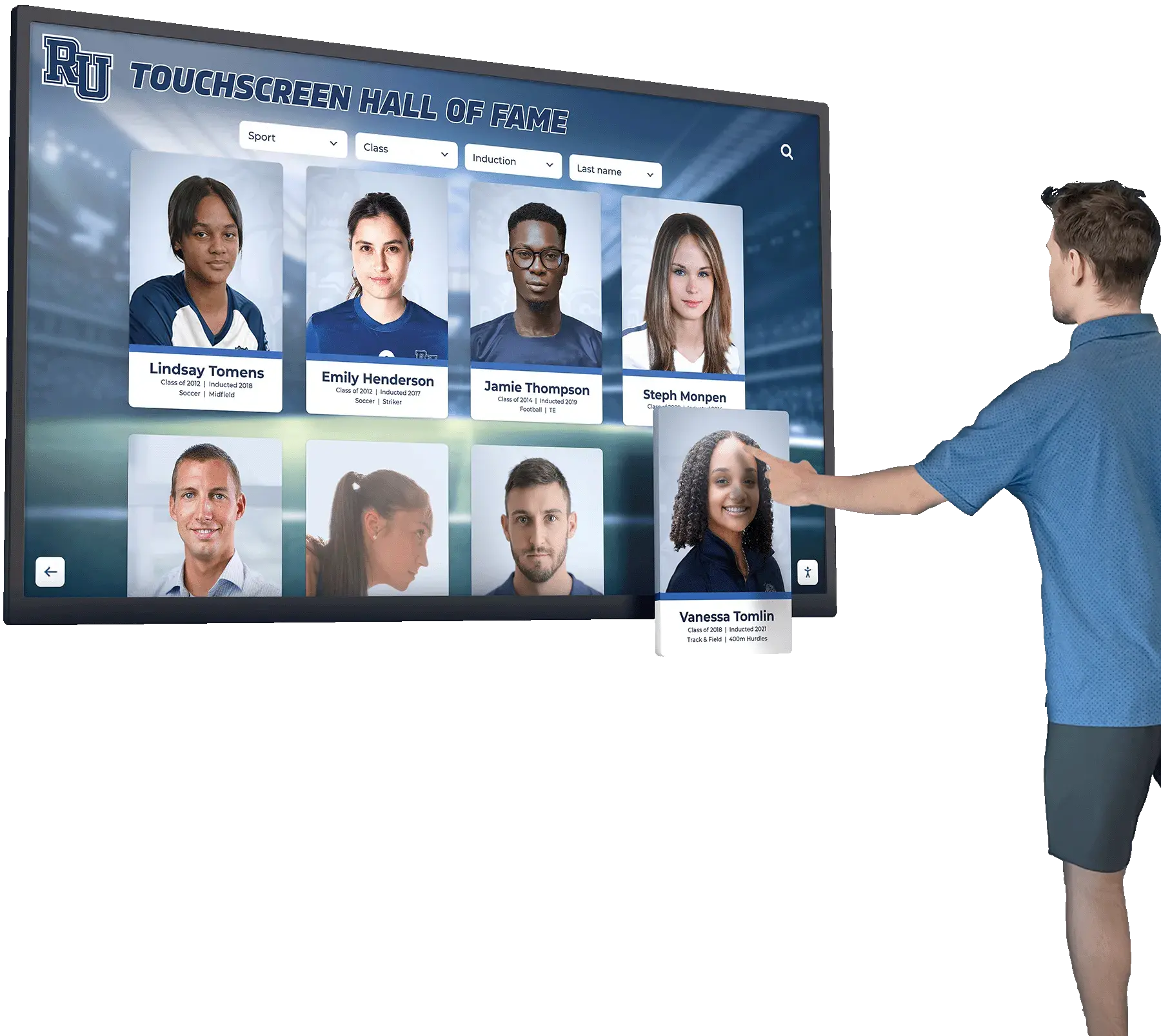
Recognition displays create gathering points where students discover academic role models and celebrate peer achievement
The Challenge of Traditional ACT Recognition Approaches
Understanding traditional recognition limitations reveals opportunities digital platforms provide for transforming ACT 30+ Club celebration.
Limited Visibility and Reach
Traditional recognition typically manifests through:
Brief Announcements and Lists
Many schools announce ACT 30+ achievers through principal announcements, school newsletters, website news items, or social media posts. While these communications provide initial recognition, they disappear quickly—announcements occur once, newsletters get filed away, website news archives scroll past, and social media posts vanish into feeds. Students earning these exceptional scores in October may receive a week of visibility before recognition completely disappears, providing minimal lasting impact.
Honor Roll Inclusion
Some schools include ACT 30+ achievers on honor rolls or academic recognition lists posted temporarily in hallways or administrative offices. These lists typically remain visible for a grading period before removal to accommodate new recognition, meaning achievement visibility lasts mere weeks despite representing years of academic preparation. Additionally, honor roll lists often group diverse achievements together without distinguishing exceptional standardized testing performance from routine academic honors.
Individual Recognition Without Community Impact
Guidance counselors and administrators frequently congratulate students individually, provide certificates, or inform families of achievement significance for college admissions. While this personal recognition matters to recipients, it misses opportunities to inspire younger students, demonstrate school-wide commitment to academic excellence, or build community pride around intellectual achievement. Recognition remains private rather than creating cultural impact.
Physical Space Constraints
Schools maintaining physical academic recognition face inherent limitations:
Trophy Cases and Plaque Walls
Many schools dedicate trophy cases or wall plaques to academic achievement, but physical space fills quickly as years accumulate. Schools face difficult decisions: remove historical recognition to accommodate current achievers, invest in expensive expansion, or leave recent accomplishments unrecognized. Each option creates problems—eliminating historical recognition erases institutional legacy, expansion proves cost-prohibitive, and failing to recognize current students demoralizes top performers.
Competition with Athletic Recognition
In many schools, available trophy case space prioritizes athletic championships and team accomplishments, leaving limited capacity for academic recognition. This spatial imbalance sends implicit messages about institutional values, potentially positioning intellectual achievement as secondary to athletic success. Schools committed to celebrating academic excellence alongside athletics struggle with finite physical recognition capacity.
Isolated Location Limitations
Academic recognition often appears only in specific locations—guidance counselor offices, administrative hallways, or academic wings—limiting visibility to students and families already seeking this information. Isolated placement reduces recognition impact on broader school communities and limits inspirational influence on younger students who might aspire to similar achievement if they encountered visible celebration regularly.
Organizations implementing comprehensive academic recognition programs demonstrate how digital solutions overcome these traditional constraints while creating engaging experiences impossible with static displays.
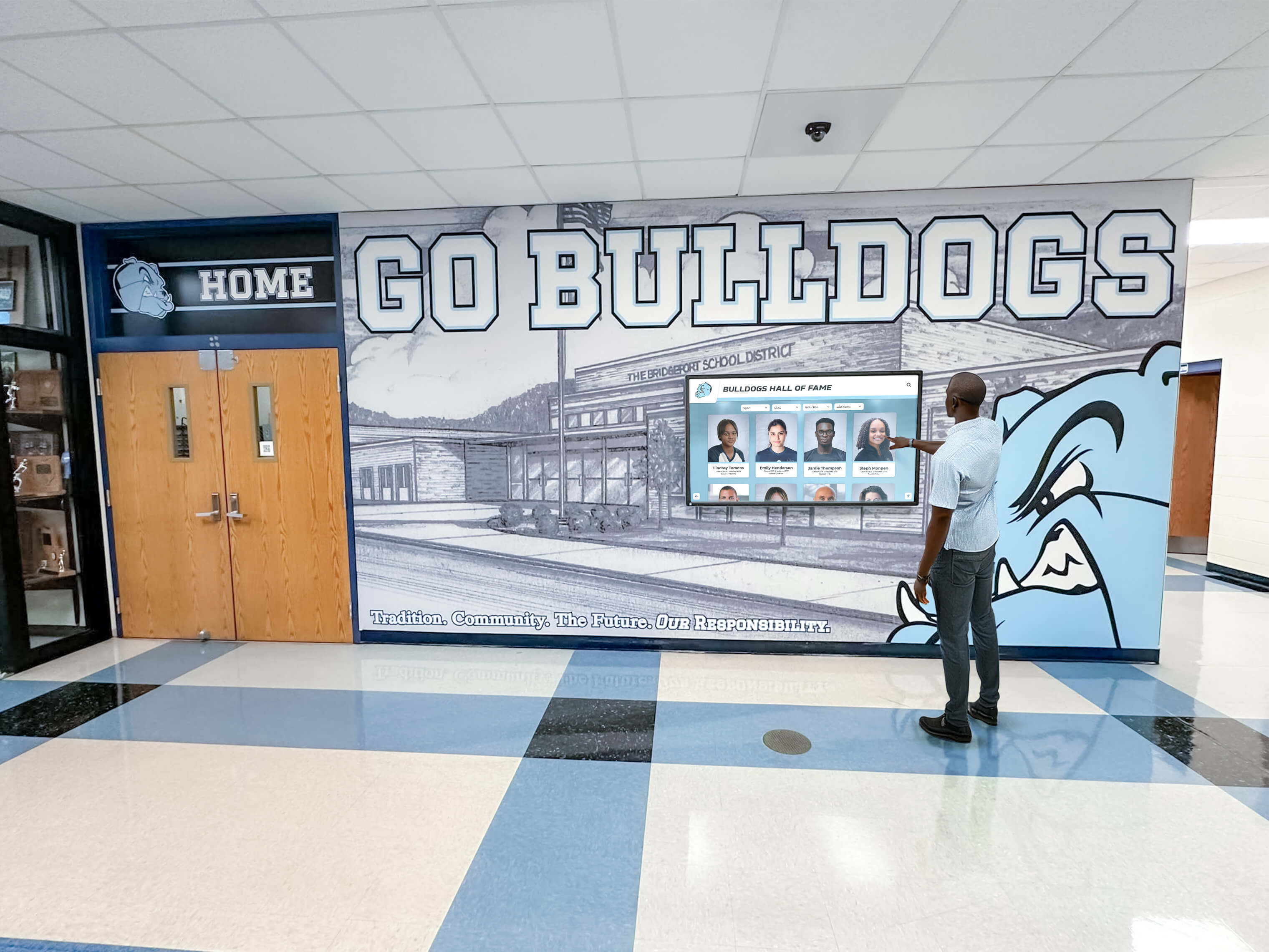
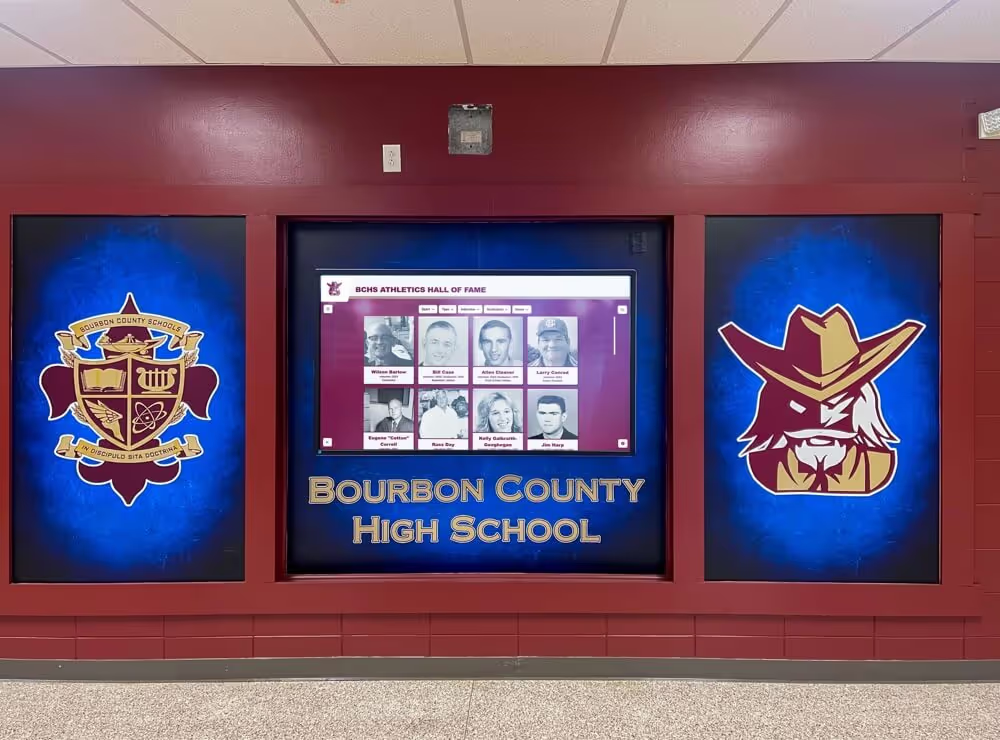
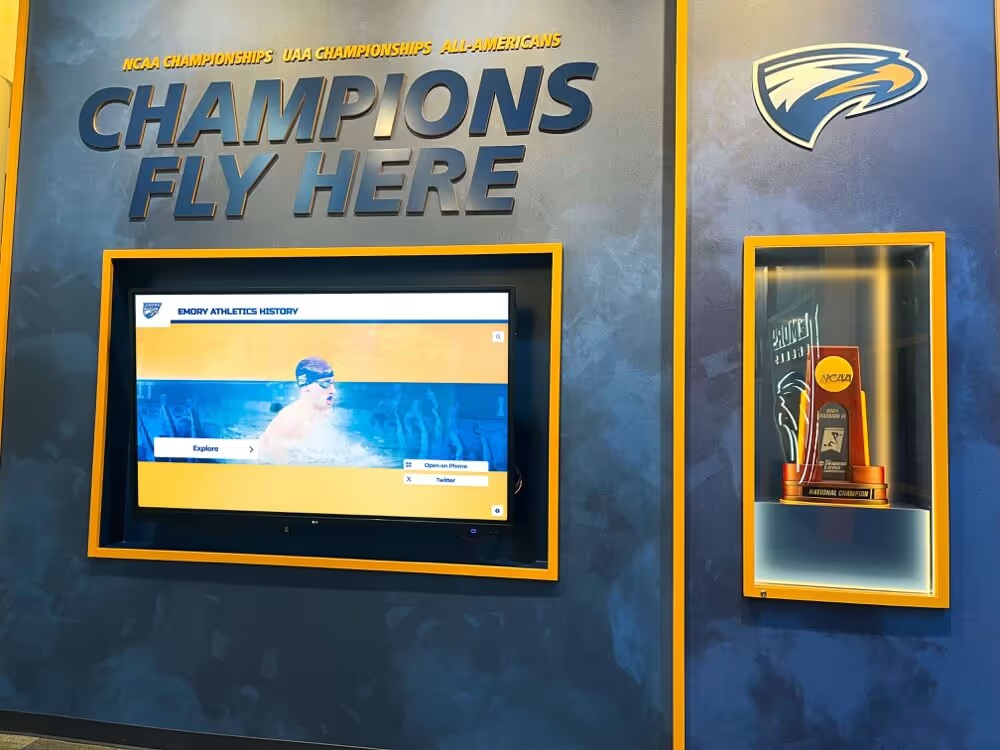
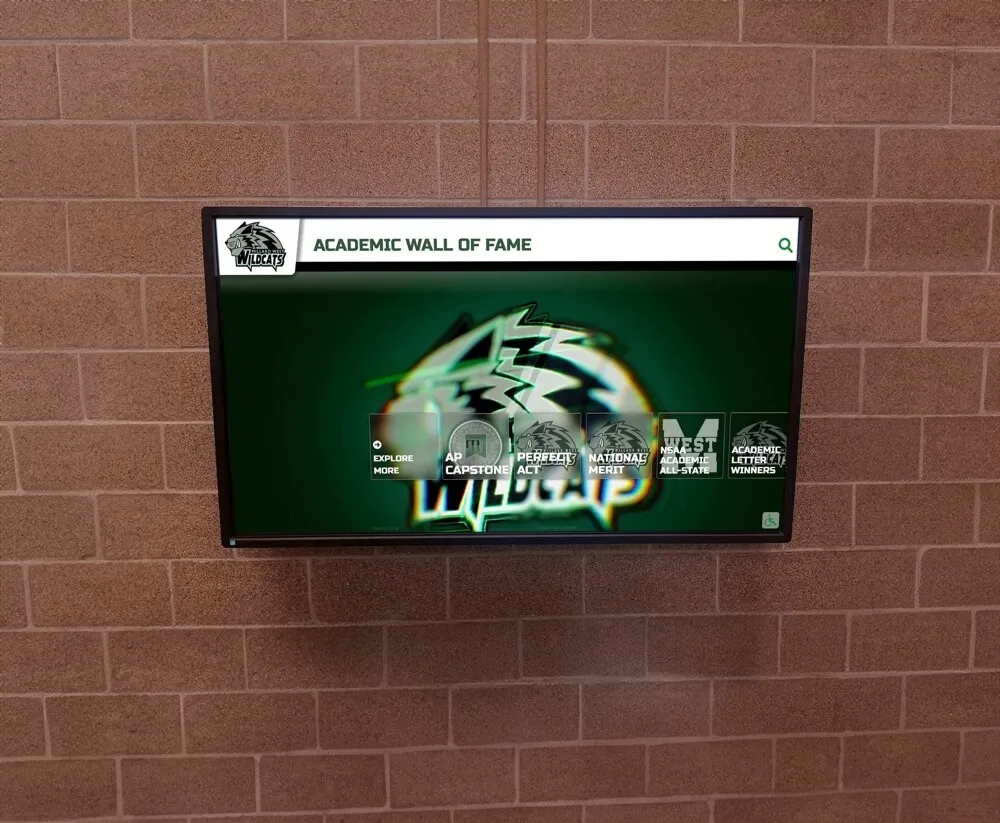
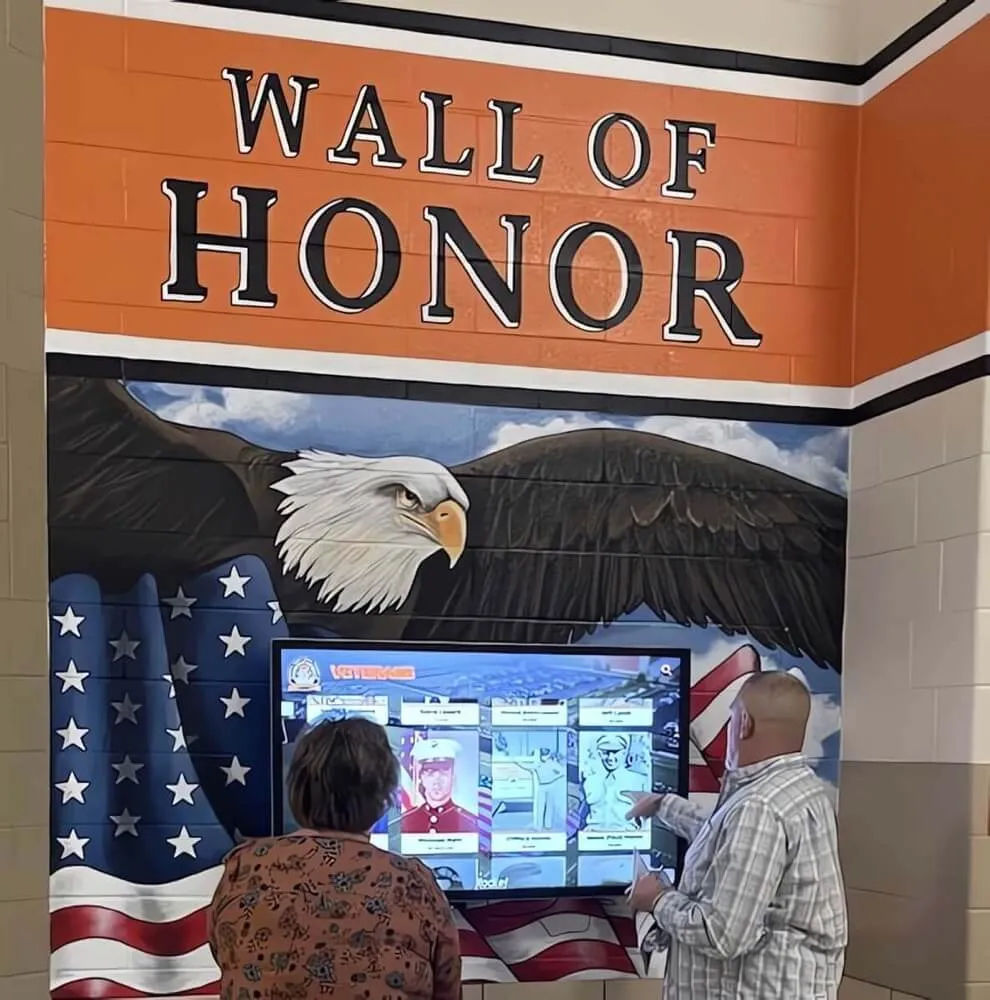
Interactive displays enable exploration of complete achievement stories beyond basic names and scores
Digital ACT 30+ Club Recognition Solutions
Modern digital platforms transform how schools celebrate standardized testing excellence while creating infrastructure supporting comprehensive academic recognition.
Unlimited Recognition Capacity Across All Years
Digital systems fundamentally eliminate space constraints:
Comprehensive Multi-Year Archives
Digital platforms accommodate unlimited ACT 30+ achievers across all years without space limitations forcing difficult prioritization decisions. Schools can recognize every student achieving this milestone from current seniors back decades, creating comprehensive archives demonstrating sustained academic excellence across institutional history. Rather than choosing between highlighting recent achievement and preserving historical recognition, digital solutions enable both—current achievers receive prominent homepage features while complete historical records remain permanently accessible through intuitive navigation.
Cumulative Excellence Demonstration
Multi-year archives reveal patterns demonstrating program strength—schools might discover they consistently produce 15-20 ACT 30+ achievers annually, certain teachers or programs correlate with exceptional testing outcomes, or academic trends show improving performance over time. This cumulative data provides powerful evidence of academic program quality for prospective families, demonstrates return on educational investments to communities and boards, and builds institutional pride around sustained intellectual excellence rather than isolated individual achievements.
Individual Student Profiles
Unlike physical plaques limited to names and scores, digital platforms enable comprehensive individual profiles including:
- Complete ACT section scores (English, Math, Reading, Science)
- Testing date and senior/junior year designation
- Academic honors and GPA recognition
- Extracurricular involvement and leadership
- College destinations and scholarship awards
- Post-graduation accomplishments and career paths
- Personal statements about study approaches or advice for younger students
- Photos from recognition ceremonies or senior portraits
These rich profiles celebrate complete students rather than reducing achievements to abstract numbers, creating more meaningful recognition while providing context helping viewers understand accomplishment significance.
Schools implementing digital recognition for academic excellence demonstrate how comprehensive profiles create engagement impossible with traditional static formats.
Real-Time Updates and Timely Recognition
Cloud-based content management enables immediate recognition:
Score Release Coordination
ACT scores typically release 2-8 weeks after test dates depending on whether students took standard or essay testing. Schools can coordinate recognition to go live immediately when score reports arrive, ensuring minimal delay between achievement and celebration. This timing maximizes motivational impact while demonstrating institutional responsiveness to academic accomplishment—students see their achievements recognized within days rather than waiting for next honor roll postings or end-of-year awards ceremonies.
Multiple Test Date Accommodation
Students take the ACT at various points throughout high school—some during junior year spring, others during senior year fall or winter, and many multiple times seeking score improvement. Digital platforms accommodate these staggered timelines seamlessly, adding new achievers as scores arrive without requiring wholesale display updates or waiting until all testing completes. Rolling recognition ensures every student receives timely celebration regardless of when they achieved their 30+ score.
Super Score Recognition
Some colleges consider ACT super scores—taking the highest section scores across multiple test dates to create composite scores potentially higher than any single sitting. Digital platforms can recognize both highest composite scores from single test dates and super scores when relevant, providing flexibility matching institutional recognition philosophies and college admissions practices students actually encounter.

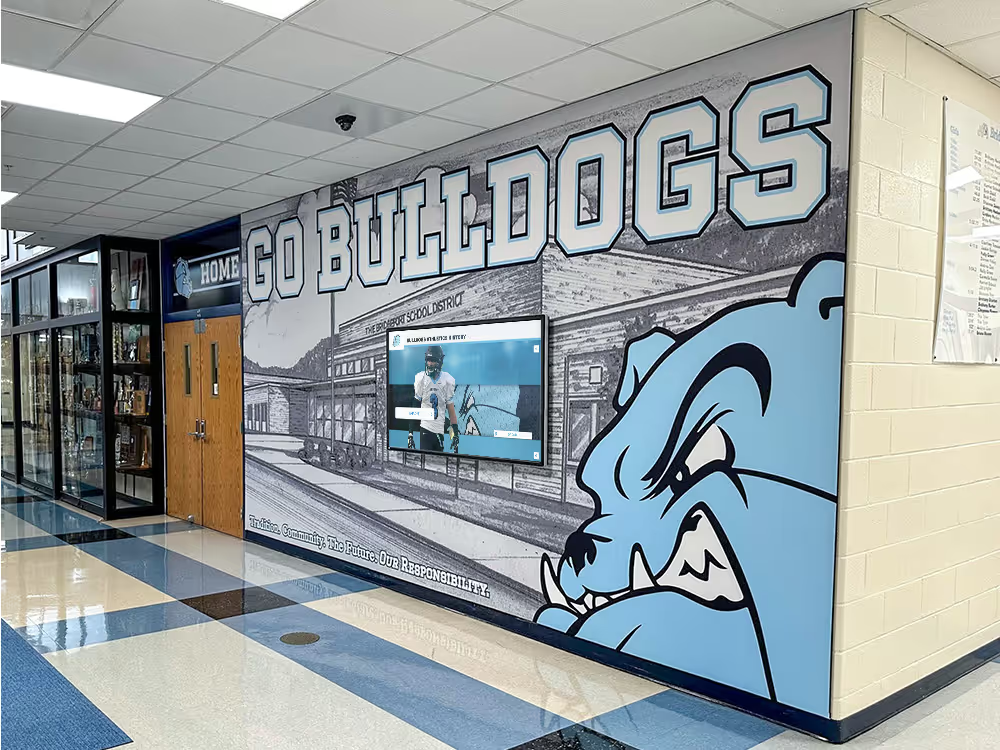
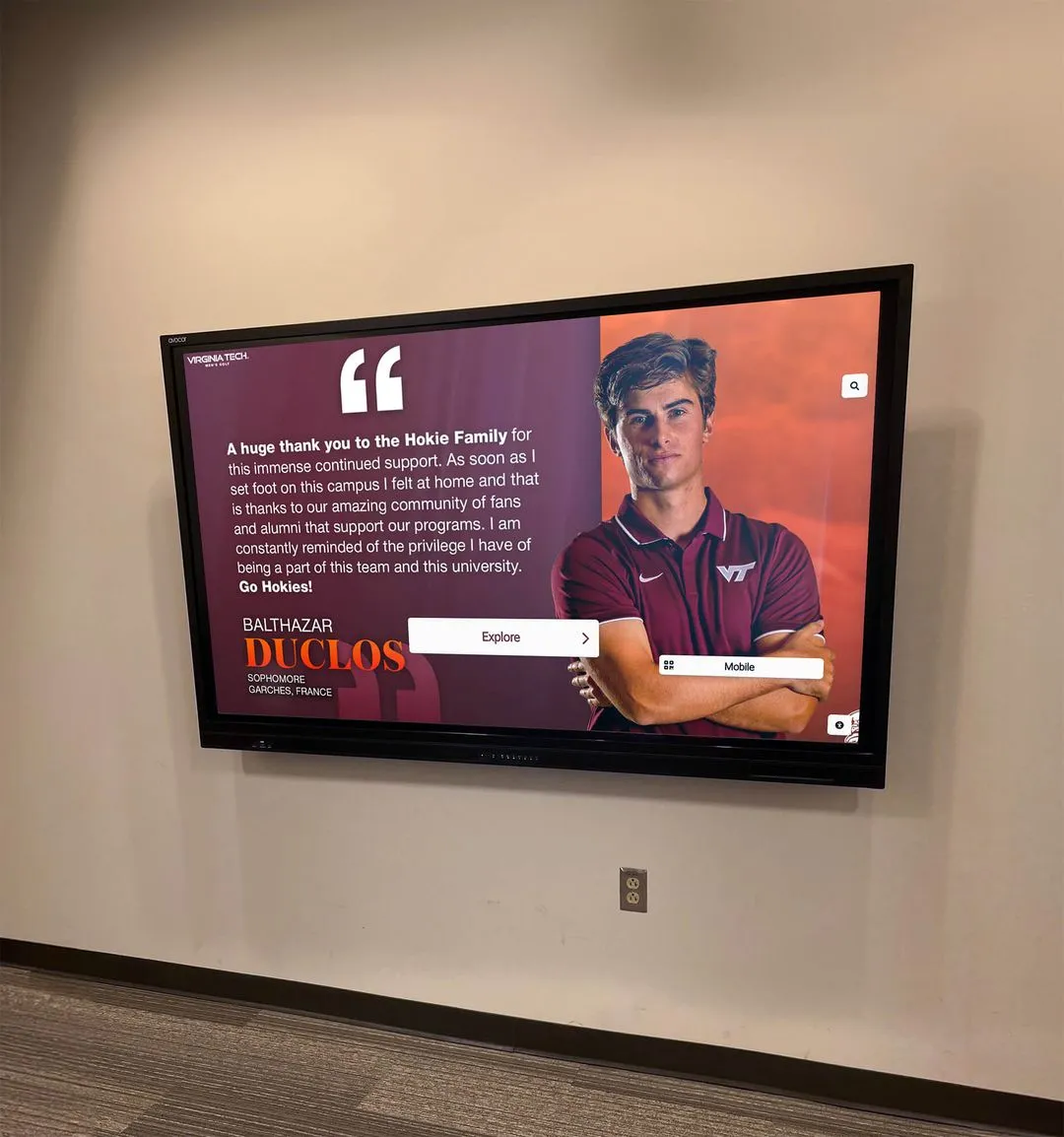
Detailed profiles celebrate complete academic journeys and post-graduation pathways
Interactive Features Creating Engagement
Digital platforms enable active exploration versus passive viewing:
Search and Filtering Capabilities
Students, families, and community members can:
- Search for specific individuals by name
- Filter by graduation year to view historical achievements
- Browse by score level (30-36) to explore highest performers
- Sort by college destinations or scholarship recipients
- Explore connections between ACT achievement and other academic honors
These interactive features create engaging experiences encouraging exploration and discovery rather than quick glances at static lists, increasing recognition impact through extended engagement time and personalized content discovery.
Featured Content Rotation
Automated rotation ensures all recognized students receive prominent visibility over time rather than only those appearing first alphabetically or achieving scores earliest. Homepage features might highlight:
- Current year achievers
- Anniversary recognition (celebrating students who achieved 30+ scores 5, 10, or 20 years ago)
- Perfect score achievements (36 composite)
- Highest individual section scores
- Students achieving 30+ scores as juniors
- Sibling or family legacy achievements
This dynamic presentation keeps displays fresh for repeat viewers while preventing any recognition from becoming permanently buried in large archives.
Social Sharing and Extended Reach
Digital profiles enable sharing via social media, email, and messaging, extending recognition beyond physical campus visitors. Recognized students share accomplishments with extended family, college admissions representatives, scholarship selection committees, and personal networks, amplifying celebration reach while promoting school academic excellence to broader audiences. This extended visibility benefits both individual students and institutional reputation.
Schools implementing interactive touchscreen recognition displays apply these engagement principles to create experiences drawing communities deeper into recognition exploration.
Strategic Implementation for Maximum Impact
Successful ACT 30+ Club recognition requires thoughtful planning addressing content strategy, placement, and community engagement.
Defining Recognition Criteria and Categories
Clear criteria ensure fair, meaningful recognition:
Score Threshold Determination
Most ACT 30+ Club programs recognize all composite scores of 30-36, but schools might consider additional recognition tiers:
- Bronze level: ACT 30-32 (93rd-97th percentile)
- Silver level: ACT 33-34 (98th-99th percentile)
- Gold level: ACT 35-36 (99th+ percentile, including perfect scores)
Alternatively, schools might maintain single 30+ recognition while highlighting exceptional achievements like perfect 36 scores through special designation or featured presentation. The key is establishing clear, objective criteria applied consistently to all students.
Junior vs. Senior Achievement
Some students achieve ACT 30+ scores during junior year, demonstrating exceptional early readiness. Schools might provide special recognition for junior achievement while also celebrating senior scores, or maintain unified recognition regardless of testing grade level. Consider whether recognition should note testing year, as junior year 30+ scores often position students competitively for National Merit Scholarship consideration and early admission opportunities.
Multiple Attempt Recognition
Many students take the ACT multiple times, with some achieving 30+ scores after previous attempts scoring below this threshold. Schools should recognize highest composite scores regardless of attempt number, celebrating achievement and persistence rather than penalizing students who needed multiple testing opportunities to reach this level.
Super Score Consideration
If your school or key college destinations consider ACT super scores, determine whether recognition will include both highest single-sitting composite and super scores, or only single-sitting results. Transparency about recognition criteria ensures students understand what achievements qualify for celebration.
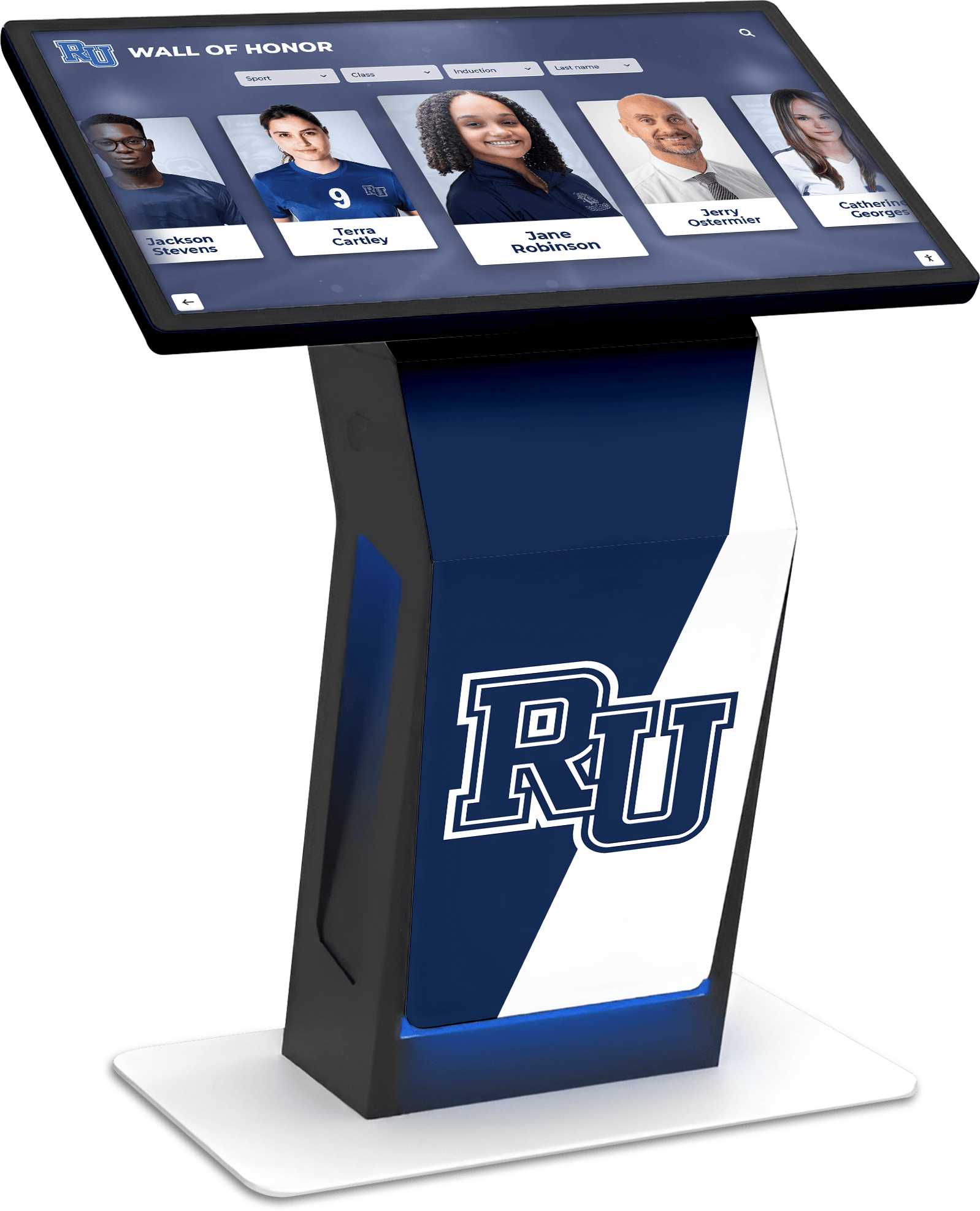
Interactive kiosks enable comprehensive achievement archives celebrating intellectual excellence
Strategic Display Placement for Visibility
Location dramatically affects recognition reach and cultural impact:
High-Traffic Common Areas
Install primary ACT 30+ Club displays in:
- Main entrance lobbies where all visitors encounter recognition
- Cafeterias or student commons where students gather daily
- Central hallways connecting major school sections
- Library entrances serving academic focal points
- College counseling offices where college-focused recognition feels contextually relevant
High-visibility placement signals institutional commitment to academic achievement while ensuring recognition reaches audiences beyond already-motivated top students, inspiring younger learners and demonstrating values to prospective families.
Academic Recognition Zones
Many schools create dedicated academic excellence displays combining:
- ACT/SAT high achievers
- National Merit Scholars and commended students
- AP Scholars and honor levels
- Honor roll and academic GPA recognition
- Academic competition success (Science Olympiad, debate, mathematics competitions)
Consolidated academic recognition creates impressive installations demonstrating comprehensive intellectual excellence while providing space efficiency and coordinated messaging about institutional academic priorities.
Multiple Screen Coordination
Schools with several display locations can coordinate content:
- Entrance displays featuring current year achievers prominently
- Academic wing displays showing historical archives
- Library installations highlighting college destinations and scholarships
- Cafeteria screens rotating through featured students
This distributed approach maximizes content capacity while serving diverse audience interests across multiple campus locations, following principles explored in strategic display placement for schools.
Integration with Comprehensive Academic Recognition
ACT 30+ Club recognition works best within broader academic celebration ecosystems:
Connection to Other Academic Honors
Many ACT 30+ achievers also excel in:
- GPA and class rank achievement
- Advanced Placement performance and AP Scholar designations
- Honor roll and academic distinction
- National Merit Scholarship recognition (often correlating with high ACT scores)
- Subject-specific academic awards
Recognition systems showcasing these connections demonstrate that ACT excellence emerges from comprehensive academic engagement rather than isolated test preparation, while celebrating well-rounded intellectual achievement.
College Destination and Scholarship Recognition
Connect ACT 30+ recognition with:
- College acceptances and matriculation destinations
- Merit scholarship awards and amounts
- Honors program admissions
- Special opportunity invitations (research programs, study abroad, leadership institutes)
This integration demonstrates real-world impact of ACT excellence for college admissions and financial outcomes, helping younger students understand concrete benefits of academic achievement beyond abstract percentile rankings.
Alumni Updates and Long-Term Outcomes
Maintain connections with ACT 30+ alumni to document:
- College graduation and academic honors
- Graduate and professional school attendance
- Career achievements and professional paths
- Attribution of high school academic foundation to later success
These longitudinal updates create living recognition evolving beyond high school accomplishments to showcase complete trajectories, demonstrating sustained advantages ACT excellence and underlying academic preparation provide throughout educational and professional journeys.
Schools implementing comprehensive academic recognition approaches integrate standardized testing achievement within broader celebration of intellectual excellence.
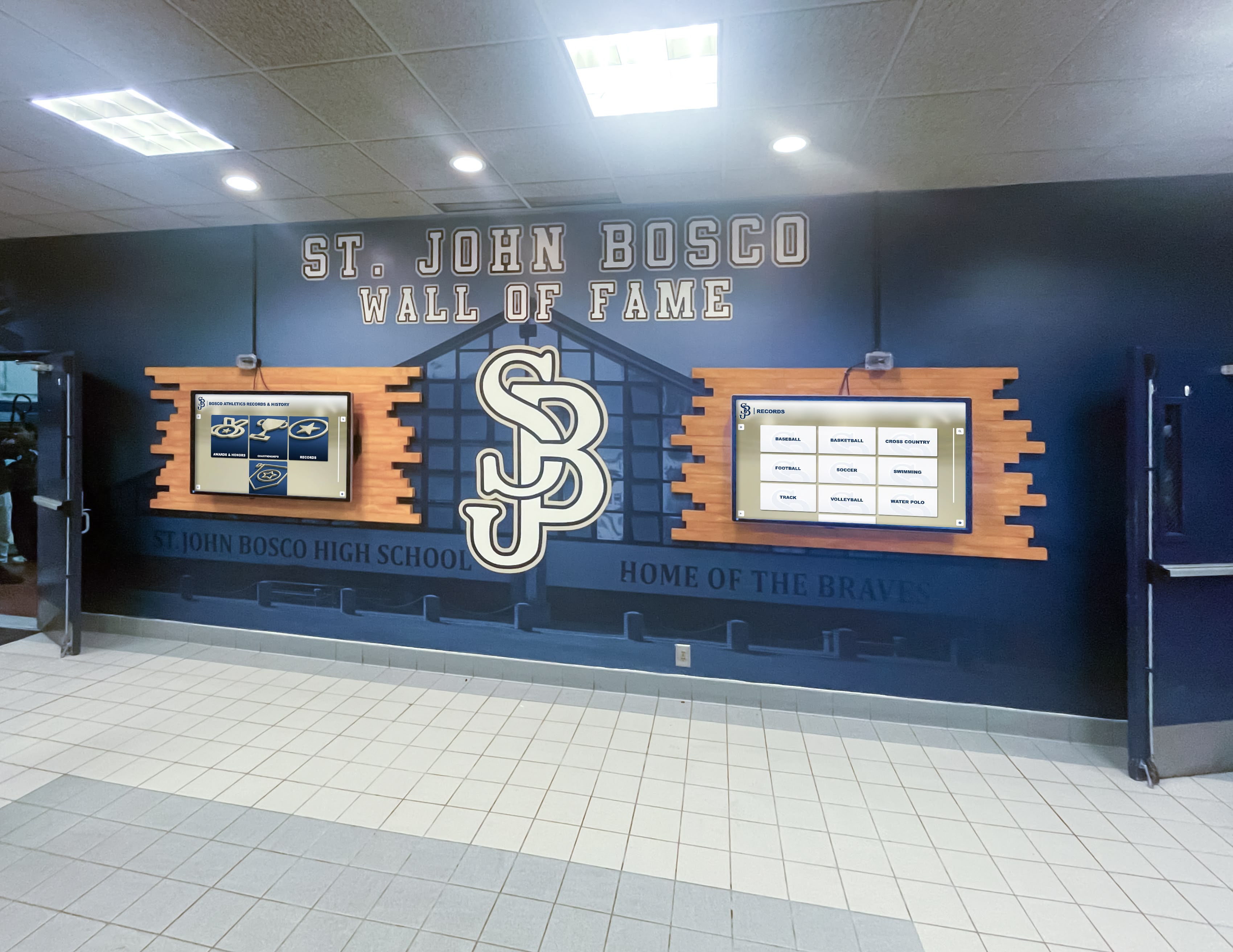
Multiple coordinated displays provide comprehensive recognition capacity for diverse academic achievements
Content Development Best Practices
Effective recognition requires thoughtful profile development and presentation:
Gathering Comprehensive Student Information
Systematic information collection ensures rich, accurate profiles:
Academic Data Collection
Work with guidance counselors and testing coordinators to gather:
- Complete ACT composite and section scores
- Test dates and grade levels when achieved
- Super scores if recognized
- GPA and class rank context
- Advanced Placement or honors course completion
- Academic awards and recognition received
Establish processes ensuring timely information flow when score reports arrive, enabling prompt recognition rather than delayed celebration weeks or months after achievement.
Personal Content and Context
Invite students to contribute:
- Personal statements about study approaches or preparation strategies
- Advice for younger students aspiring to similar achievement
- Reflections on academic journey and influential teachers/mentors
- College plans and intended majors
- How ACT scores influenced college acceptances or scholarships
- Balance of academics with extracurriculars and other commitments
First-person perspectives create authentic recognition resonating more powerfully with younger students than third-party descriptions alone, providing relatable insights from peers rather than abstract congratulations.
Visual Content Requirements
Collect high-quality photos including:
- Senior portraits or professional headshots
- Recognition ceremony photos if award events occur
- Candid academic setting images (labs, libraries, classroom presentations)
- College signing or commitment photos connecting ACT achievement to college outcomes
- Group photos of current year ACT 30+ Club cohort
Systematic photo collection prevents situations where compelling recognition opportunities exist but no usable images are available to support visual presentation.
Crafting Meaningful Recognition Content
Move beyond basic statistics to create engaging profiles:
Achievement Contextualization
Help viewers understand accomplishment significance by:
- Explaining percentile rankings and what they represent
- Connecting scores to college admissions competitiveness
- Noting any perfect section scores alongside composite achievement
- Highlighting improvement across multiple test attempts when relevant
- Recognizing exceptional subject-specific performance (particularly high math or English scores)
Context transforms abstract numbers into comprehensible achievements, helping younger students and families appreciate what ACT 30+ scores represent.
Individual Story Development
Every high achiever has a unique path:
- Academic interests and strongest subjects
- Study approaches and preparation strategies
- Teachers or mentors providing significant influence
- Challenges overcome or obstacles navigated
- Balance of academic focus with extracurricular involvement
- Long-term educational and career aspirations
These individual narratives create recognition celebrating complete students rather than reducing people to test scores, making achievement feel more attainable for younger students who can relate to various paths leading to excellence.
Inspiration Without Intimidation
Frame recognition to inspire rather than intimidate:
- Emphasize preparation approaches and study strategies rather than innate ability
- Include diverse profiles showing various paths to achievement
- Recognize improvement and persistence alongside highest scores
- Connect achievement to specific college and career opportunities
- Provide actionable advice younger students can implement
Goal is motivating younger students to pursue academic excellence rather than creating perception that ACT 30+ achievement belongs exclusively to unreachably gifted students, following principles explored in effective student recognition programs.
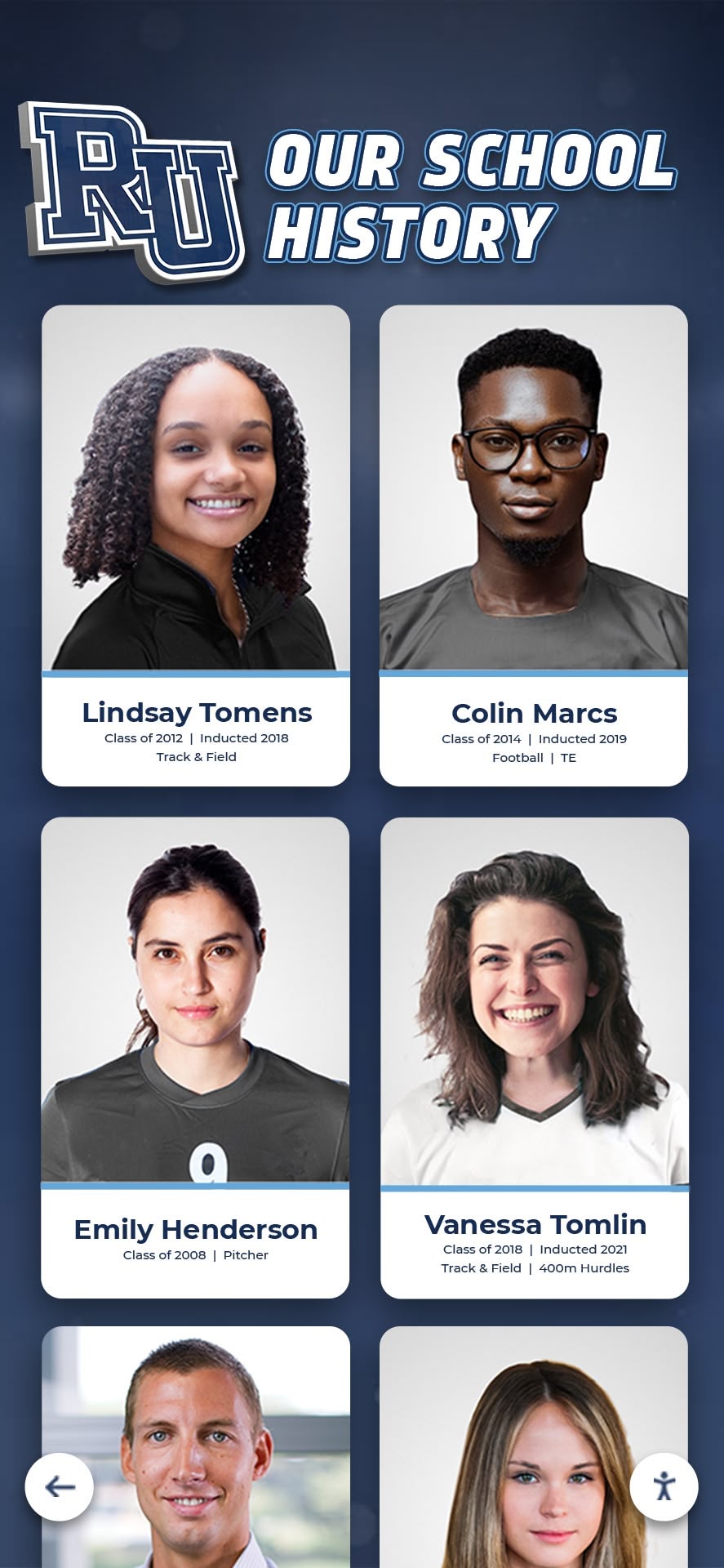
Comprehensive profiles document complete academic journeys and post-graduation success
Broader Benefits Beyond Individual Recognition
Strategic ACT 30+ Club recognition creates value extending across multiple institutional priorities beyond celebrating individual students.
Inspiring Younger Students and Building Academic Culture
Visible recognition influences developing students:
Tangible Proof of Possibility
When underclassmen regularly encounter ACT 30+ recognition displays featuring students from their school—perhaps students they know personally, siblings of friends, or recent graduates—abstract test score goals become concrete achievable possibilities. Rather than wondering whether scores of 30+ are realistic for students from their school, younger learners see evidence that peers in their community regularly achieve these levels, making aspirations feel attainable rather than unrealistic.
Pathway Understanding and Strategy Development
Comprehensive profiles revealing study approaches, preparation timelines, course rigor choices, and resource utilization provide younger students with actionable roadmaps for their own academic preparation. Rather than viewing high achievement as mysterious or attributable solely to innate ability, students discover specific strategies and approaches they can implement, empowering them with agency over their academic outcomes.
Academic Identity Formation
Prominent academic recognition helps students develop identities as scholars and intellectuals rather than defining themselves exclusively through athletic, artistic, or social dimensions. When schools visibly celebrate intellectual achievement comparable to athletic championships, culture shifts toward valuing diverse excellence forms, normalizing academic ambition and high achievement aspirations as culturally acceptable rather than socially risky.
Schools implementing student engagement strategies leverage recognition as cultural tool shaping institutional values and student identity development.
Supporting Admission Marketing and Enrollment
ACT 30+ Club recognition provides compelling content supporting recruitment:
Demonstrating Academic Program Excellence
Prospective families evaluating schools assess academic program quality partly through outcomes data. Visible recognition showcasing consistent ACT 30+ achievement demonstrates:
- Rigorous curriculum preparing students for standardized testing
- Quality instruction developing comprehensive subject mastery
- College-preparatory focus positioning students for selective admissions
- Track record of academic success extending across multiple years
This proven excellence attracts academically-motivated families seeking schools with demonstrated capacity to prepare students for competitive college admissions.
Campus Tour Integration
Admission tours featuring digital ACT 30+ Club displays provide natural opportunities to discuss:
- Academic program rigor and college preparation focus
- Student support systems including test preparation resources
- School culture valuing intellectual achievement
- College outcomes and scholarship attainment
- Alumni success stories and long-term advantages
Tour guides can highlight specific achievers, discuss program philosophies, and demonstrate institutional pride in academic accomplishment, creating memorable tour experiences differentiating your school from competitors without comparable academic recognition visibility.
Authentic Marketing Content
Individual student stories, recognition ceremony photos, and achievement details provide ready content for:
- School websites and viewbooks
- Social media celebrating student success
- Email campaigns to prospective families
- Newsletter features demonstrating academic excellence
- Press releases building community awareness
These authentic stories prove more compelling than generic marketing messaging while providing concrete evidence of academic outcomes influencing family enrollment decisions.

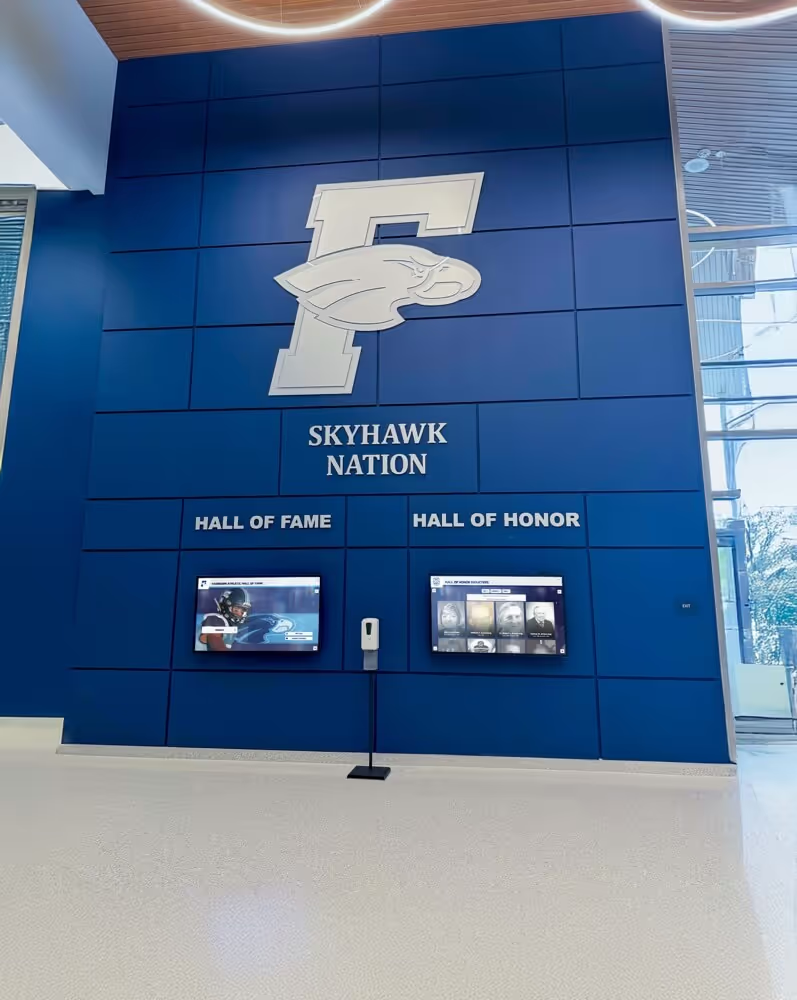
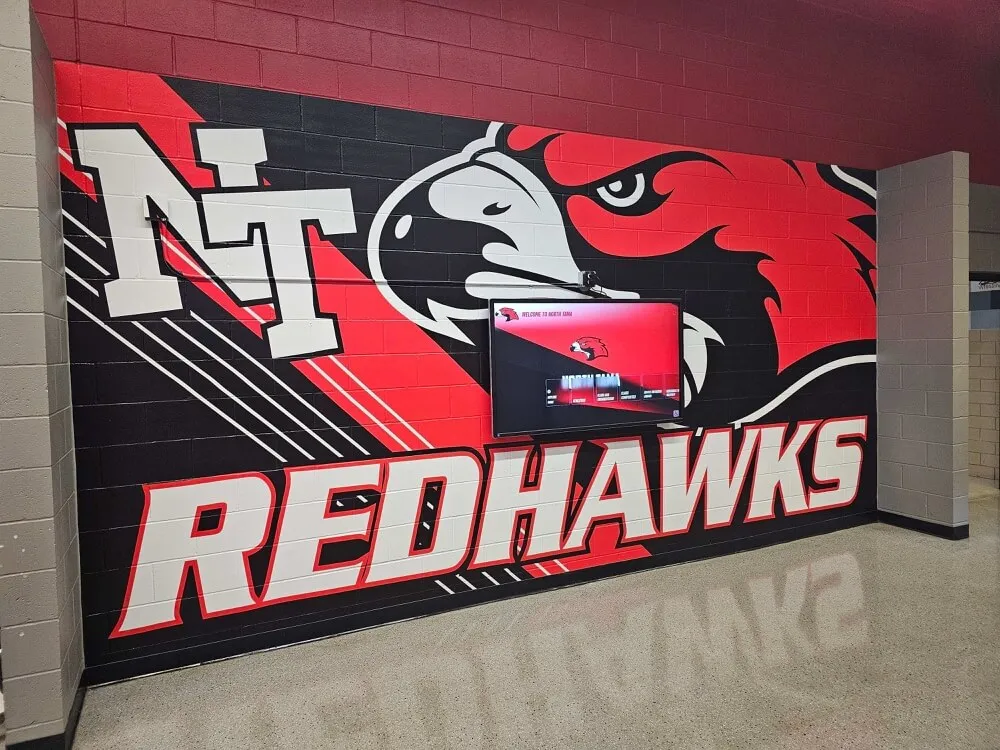
Professional installations create impressive environments demonstrating institutional commitment to academic excellence
Strengthening Alumni Relations and Community Pride
Recognition creates infrastructure supporting broader engagement goals:
Alumni Connection and Nostalgia
Former students discovering themselves in historical ACT 30+ archives experience nostalgic connections to formative academic experiences. These emotional touchpoints create engagement opportunities for alumni relations teams seeking to:
- Maintain lifelong institutional relationships
- Build reunion attendance and participation
- Cultivate philanthropic support from grateful graduates
- Recruit alumni for mentorship programs supporting current students
Alumni seeing their achievements preserved and celebrated decades later maintain stronger institutional bonds than those whose accomplishments disappeared into filing cabinets immediately after graduation.
Mentorship and Career Networking
Current students exploring college options can discover alumni who:
- Attended specific colleges they’re considering
- Pursued similar academic majors or career paths
- Navigated comparable college admissions processes
- Leveraged ACT scores for scholarship opportunities
Alumni willing to serve as mentors or information sources for current students create valuable networks supporting college decision-making while building meaningful engagement beyond transactional giving relationships, following approaches described in alumni mentorship program development.
Community Pride and Support
Visible recognition demonstrating academic excellence to broader communities builds pride translating into:
- Financial support through donations and fundraising participation
- Volunteer assistance with academic programs and student mentoring
- Advocacy for program resources, funding, and institutional priority
- Positive reputation building supporting enrollment and community relationships
Communities seeing concrete evidence of academic program success through ACT 30+ recognition develop stronger institutional identification supporting sustained investment in school excellence.
Technology Platform Considerations
Selecting appropriate recognition technology significantly impacts long-term program success and satisfaction.
Platform Selection Criteria
Organizations evaluating recognition solutions should assess:
Purpose-Built Recognition Design
Platforms specifically designed for achievement celebration like Rocket Alumni Solutions provide capabilities generic digital signage lacks:
- Sophisticated profile management for individual students
- Intuitive year-based and category-based navigation
- Automated content rotation ensuring equitable visibility
- Role-based access for distributed content management
- Responsive web access extending recognition beyond physical displays
Purpose-built systems deliver recognition-optimized experiences versus forcing generic content management platforms into recognition roles they weren’t designed for.
Unlimited Capacity and Scalability
Schools accumulate decades of ACT 30+ achievers. Platforms must accommodate unlimited individuals without:
- Performance degradation as archives grow
- Per-inductee or capacity-based cost increases
- Forced deletion of historical content to make room for current achievers
Unlimited capacity ensures comprehensive recognition without impossible decisions about whose achievements remain visible versus archived.
Intuitive Content Management
Guidance counselors and administrators manage recognition alongside many competing responsibilities. Platforms requiring no technical expertise enable:
- Confident content updates without IT dependencies
- Quick profile creation when score reports arrive
- Simple photo uploads and biography editing
- Scheduled publishing for coordinated recognition launches
Complexity creates bottlenecks where recognition updates require specialized assistance, limiting update frequency and content currency.
Accessibility and Universal Design
Properly implemented recognition must meet accessibility standards ensuring universal access:
- Screen reader compatibility for vision-impaired visitors
- Keyboard navigation alternatives to touchscreen interaction
- High-contrast modes supporting low-vision users
- Appropriate physical mounting enabling wheelchair access
- Captioning for any audio or video content
Verify prospective platforms support required accessibility features through ADA WCAG 2.1 AA compliance rather than assuming accessibility, following standards explored in accessible touchscreen implementation.
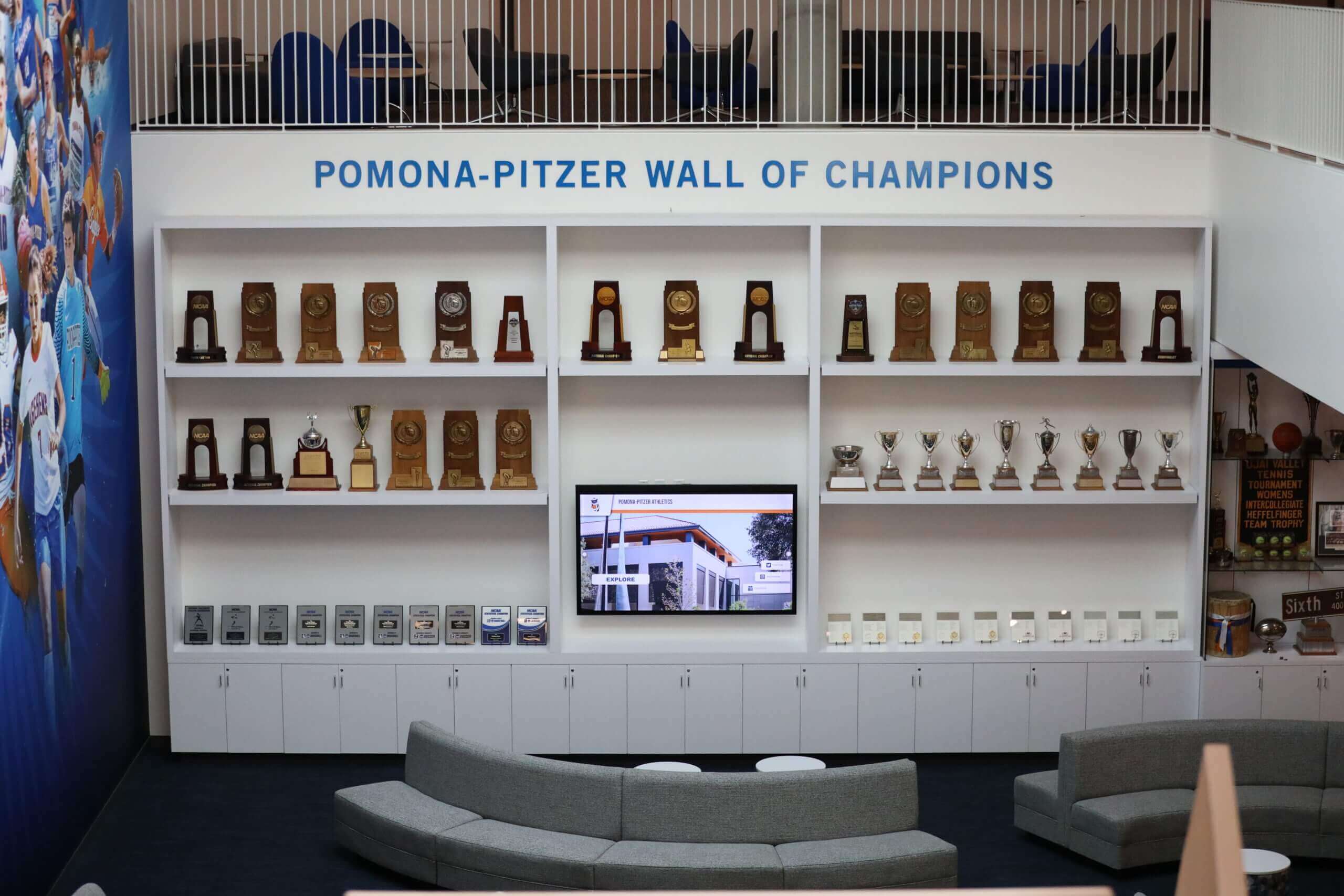
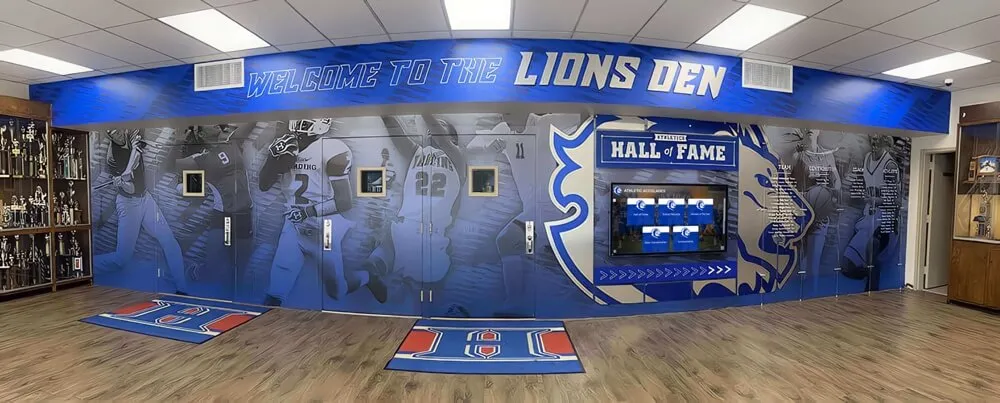
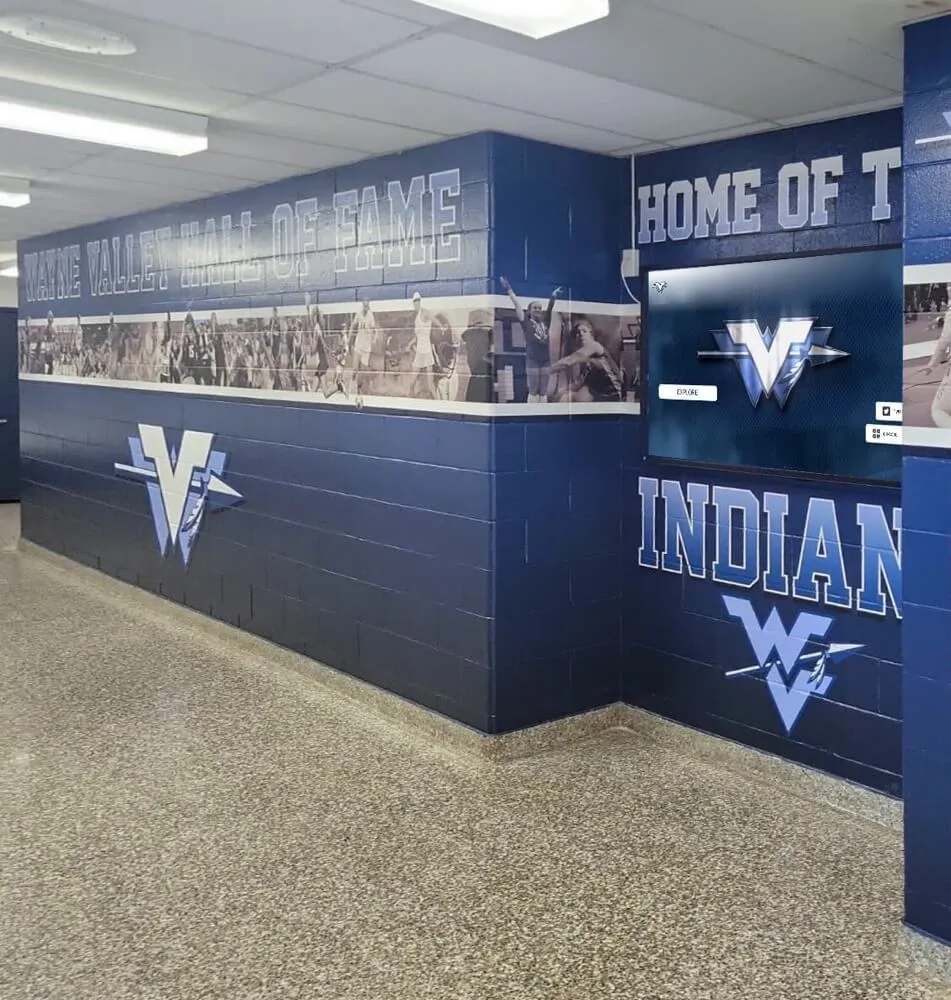
Integrated environments combine traditional and digital recognition creating comprehensive celebration spaces
Implementation Support and Partnership
Provider relationships impact sustained satisfaction:
Comprehensive Implementation Assistance
Evaluate whether providers offer:
- Initial content creation support and historical archive digitization
- Staff training on platform management and content workflows
- Launch coordination ensuring successful rollouts
- Hardware recommendations and installation guidance
- Design customization matching school branding
Implementation support quality often determines whether schools achieve recognition goals or struggle with overwhelming setup tasks leading to incomplete launches.
Ongoing Technical Support
Assess provider support responsiveness:
- Typical response time commitments for issues
- After-hours availability for time-sensitive problems
- Whether support requires additional fees or is included
- Provider demonstration of partnership mentality versus transactional relationships
Poor support transforms minor issues into major frustrations undermining satisfaction with otherwise excellent platforms.
Continuous Platform Evolution
Investigate provider track records for:
- Regular feature additions based on user feedback
- Platform improvements matching evolving technology
- Responsive development addressing user needs
- Long-term viability ensuring platforms don’t become obsolete
Platforms should improve continuously, ensuring long-term value rather than requiring eventual replacement when stagnant systems become outdated.
Schools implementing digital recognition technology benefit from selecting partners committed to sustained excellence rather than one-time installations.
Best Practices for Sustainable Success
Long-term recognition value requires operational practices supporting content quality, currency, and community engagement beyond initial implementation enthusiasm.
Establishing Systematic Processes
Sustainable recognition depends on clear workflows:
Score Reporting and Verification
Coordinate with:
- Guidance counselors receiving official score reports
- Testing coordinators managing school test administration
- Students and families who may report scores informally
Establish clear verification requirements ensuring accuracy before publication—require official score reports rather than relying on student or family reporting alone, preventing potential errors or misunderstandings.
Timely Content Development
Create workflows enabling prompt recognition:
- Standardized information collection forms students complete
- Photo submission processes ensuring quality images
- Biography development timelines coordinating with students
- Review and approval stages maintaining quality standards
- Publishing schedules coordinating with school calendars
Clear processes with defined responsibilities prevent recognition delays from unclear ownership or workflow bottlenecks.
Annual Update Cycles
Establish regular review ensuring:
- Graduation year updates removing current seniors who graduated
- Alumni accomplishment additions documenting post-graduation success
- Photo refreshes maintaining visual quality as display technology improves
- Content accuracy verification catching outdated information
Scheduled maintenance prevents recognition from becoming stale through gradual neglect rather than intentional abandonment.
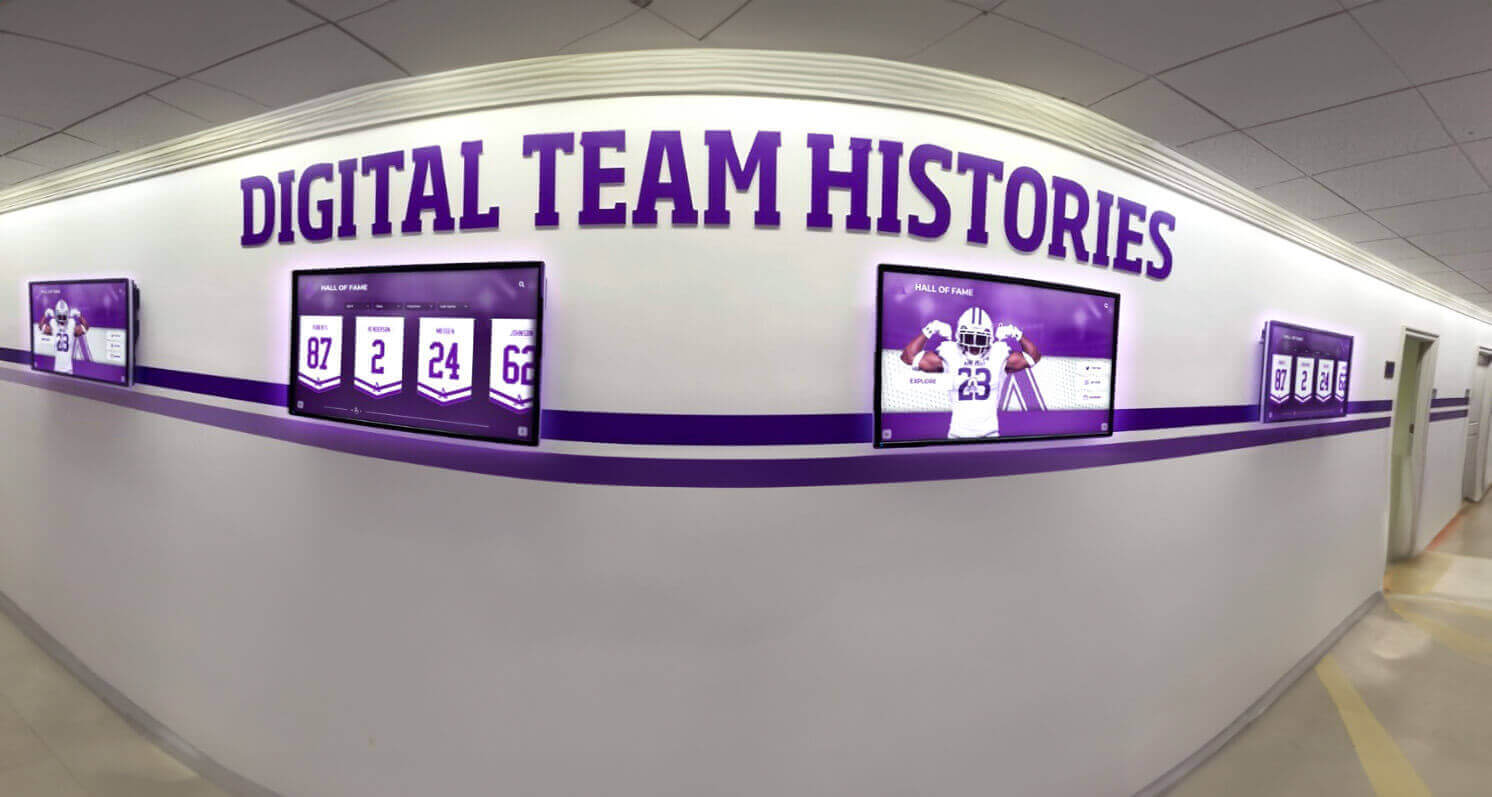
Coordinated multi-screen installations provide comprehensive capacity for diverse academic recognition
Promoting Recognition and Maximizing Engagement
Even excellent recognition requires active promotion ensuring community awareness:
Launch Communication Strategy
Generate awareness through:
- Assembly announcements introducing ACT 30+ Club recognition
- Email communications to families explaining displays and web access
- Social media campaigns celebrating featured students
- Press releases building community awareness of academic excellence
- Website features explaining recognition philosophy and access methods
Strong launch communication creates initial engagement momentum while establishing recognition as valued institutional priority.
Ongoing Visibility Maintenance
Sustain awareness through:
- Regular social media features highlighting individual achievers
- Newsletter articles celebrating ACT 30+ Club members
- Website homepage features rotating through recognized students
- Tour guide training ensuring admission tours discuss displays
- Annual recognition ceremonies celebrating new inductees
Consistent communication prevents recognition from becoming invisible despite physical presence, maintaining community engagement with content.
Integration with Academic Culture
Connect recognition to broader initiatives:
- College planning workshops referencing ACT 30+ Club members’ experiences
- Junior year academic assemblies featuring current senior achievers
- Test preparation program promotion highlighting school’s track record
- Academic awards ceremonies incorporating ACT recognition
- Alumni panel events including ACT 30+ alumni discussing college outcomes
Integration ensures recognition functions as living element of academic culture rather than isolated display existing separately from school life.
Conclusion: Building Communities That Celebrate Intellectual Excellence
ACT 30+ Club recognition represents strategic investment in academic culture, student motivation, and institutional values communication. When schools systematically celebrate exceptional standardized testing achievement through visible, accessible, meaningful recognition platforms, they create environments where intellectual excellence receives appropriate acknowledgment, academic traditions build pride and aspiration, and students understand that scholarly achievement matters as much as any other accomplishment domain.
The evolution from limited announcements and honor roll lists toward comprehensive digital recognition reflects broader understanding that recognition impact depends on visibility, accessibility, timeliness, and meaningful content. Modern platforms eliminate traditional constraints enabling unlimited multi-year capacity, rich multimedia profiles documenting complete student journeys, interactive exploration creating engaging experiences, and extended reach ensuring every deserving achievement receives appropriate celebration regardless of testing year or decades since accomplishment.
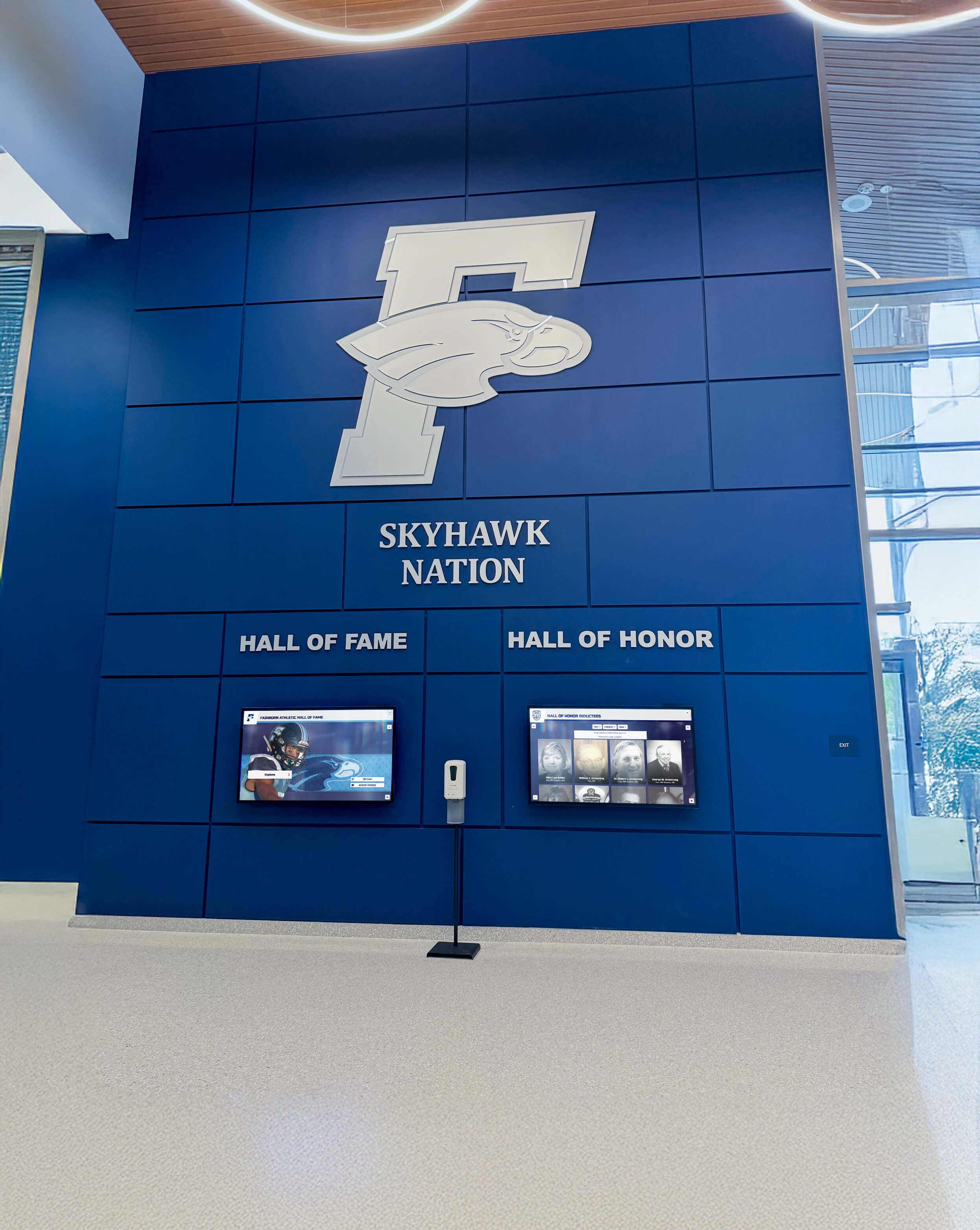
Professional recognition installations create impressive environments celebrating comprehensive academic excellence
Students achieving ACT scores of 30 or higher demonstrate exceptional academic preparation, intellectual capability, and college readiness deserving celebration comparable to athletic championships or artistic accomplishments. These achievements result from years of dedicated learning, intellectual curiosity, effective study strategies, and sustained academic focus. Recognizing this excellence creates multiple benefits—inspiring younger students through tangible proof of possibility, supporting admission marketing by demonstrating academic program strength, strengthening alumni relations through preserved achievement memory, and building community pride around institutional intellectual excellence.
Implementation success requires strategic planning addressing recognition criteria establishing clear achievement thresholds, display placement maximizing visibility across key locations, comprehensive content development celebrating complete student stories, systematic processes ensuring timely updates, and active promotion generating awareness and sustained community engagement. Schools should establish clear frameworks, select appropriate technology platforms balancing features with usability, and commit to consistent content management maintaining program relevance over time.
Purpose-built recognition platforms like Rocket Alumni Solutions deliver capabilities specifically optimized for celebrating academic achievements while eliminating complexity inherent in custom development or adapting generic digital signage systems. Unlimited capacity accommodating decades of achievers, simple cloud-based content management enabling prompt updates, comprehensive accessibility ensuring universal engagement, responsive web platforms extending recognition beyond physical displays, and professional implementation support enable schools to focus on recognition program success rather than technical implementation challenges.
Every student achieving an ACT score of 30 or higher deserves celebration creating motivation, engagement, and institutional pride propelling continued academic excellence. Your school’s ACT 30+ achievers represent years of intellectual development, dedicated study, and academic preparation serving them throughout educational and professional lives. These accomplishments deserve recognition matching their significance while inspiring future excellence across your academic community.
Ready to transform ACT 30+ Club recognition? Schedule a demo with Rocket Alumni Solutions to explore how digital recognition displays create engaging experiences celebrating academic excellence and building vibrant communities where intellectual achievement receives the lasting celebration it deserves.