



Intent: demonstrate — Academic and history archiving for schools represents a fundamental shift from vulnerable physical records gathering dust in forgotten storage rooms to dynamic digital collections that preserve institutional memory while creating vibrant community engagement. Every school accumulates decades of historical treasures—yearbooks documenting generations of students, newspaper archives capturing cultural moments, photographs preserving architectural evolution, and achievement records honoring countless accomplishments—yet these irreplaceable materials remain largely inaccessible, deteriorating with time, and disconnected from current community members.
Traditional archiving approaches face insurmountable challenges. Physical materials degrade through handling, environmental exposure, and simple aging. Space constraints force institutions to choose what to keep and what to discard. Geographic limitations mean only those physically present can access historical collections. Manual organization makes searching for specific information tedious or impossible. As years pass, institutional knowledge about historical materials fades, leaving collections poorly documented and underutilized.
This comprehensive guide explores how digital archiving solutions transform school historical preservation from passive storage into active engagement tools that strengthen community bonds, preserve irreplaceable heritage, and create the digital warming effect where historical content continuously surfaces to remind members of shared identity and tradition.
The transition from traditional physical archives to digital preservation represents more than technology adoption—it reflects fundamental changes in how educational communities access, interact with, and maintain connections to their institutional heritage. Schools implementing comprehensive digital archiving report dramatic increases in historical content engagement as students, alumni, and families discover personal connections spanning generations.

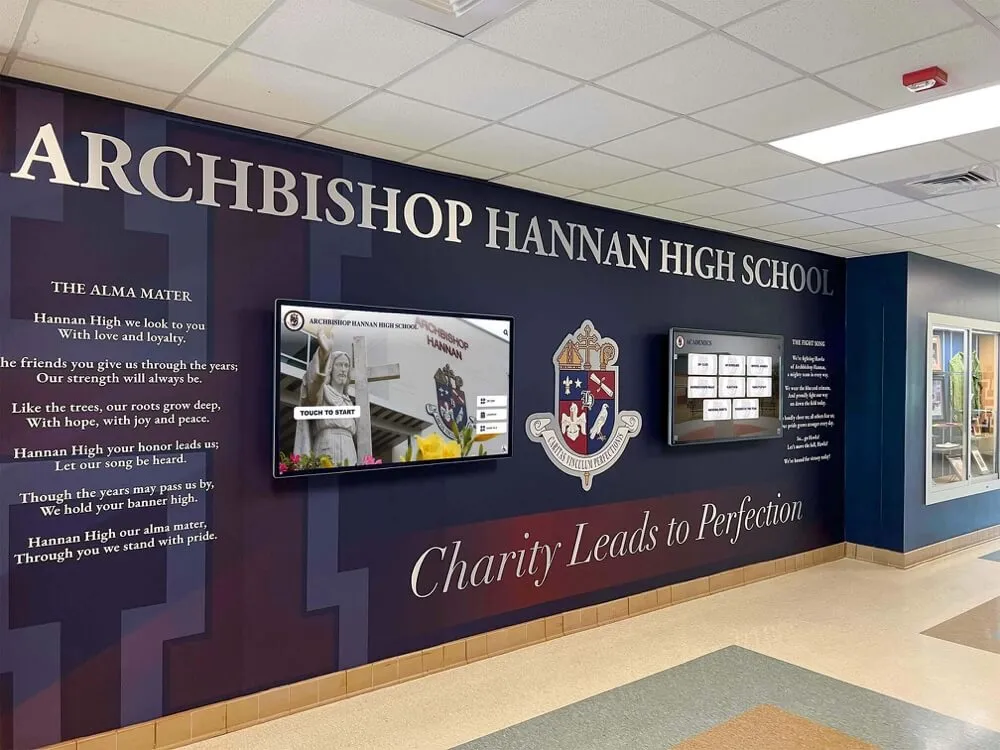
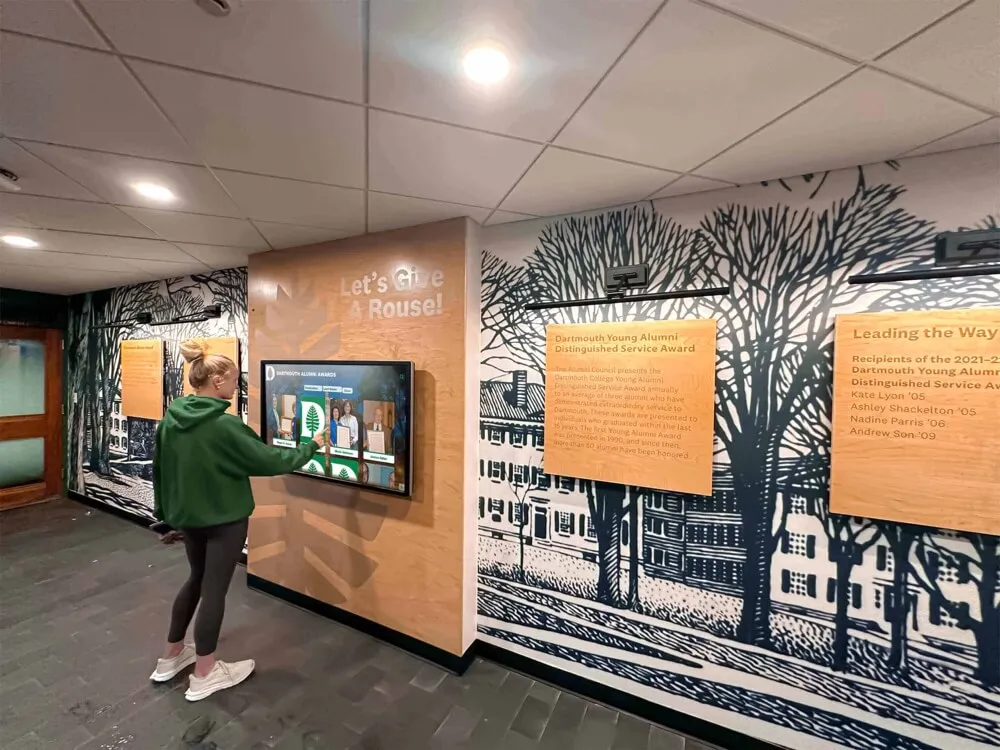
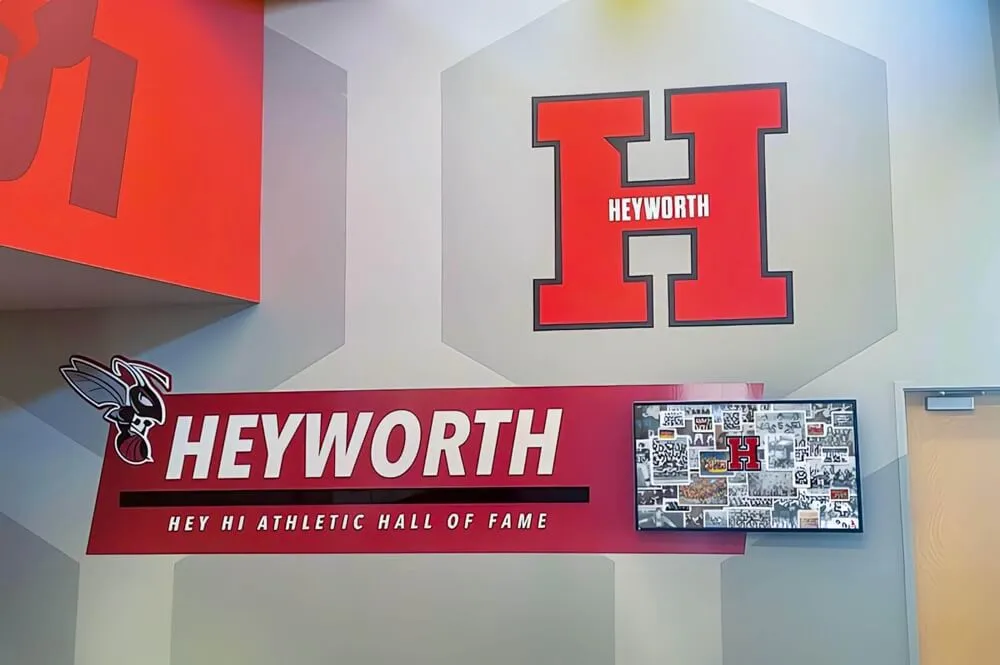
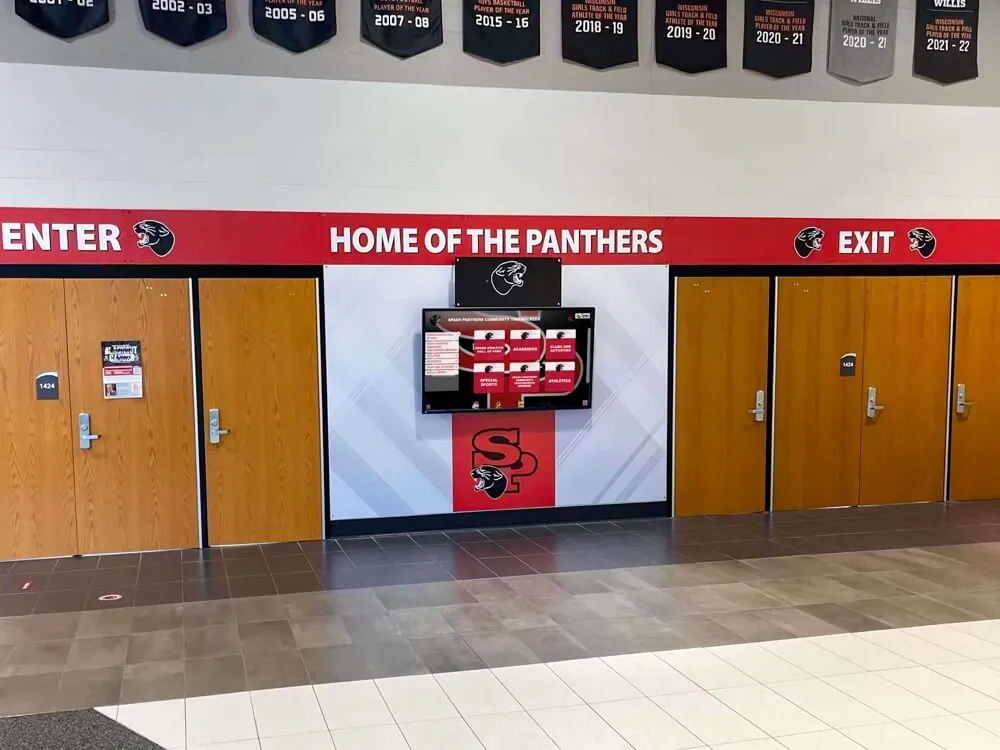
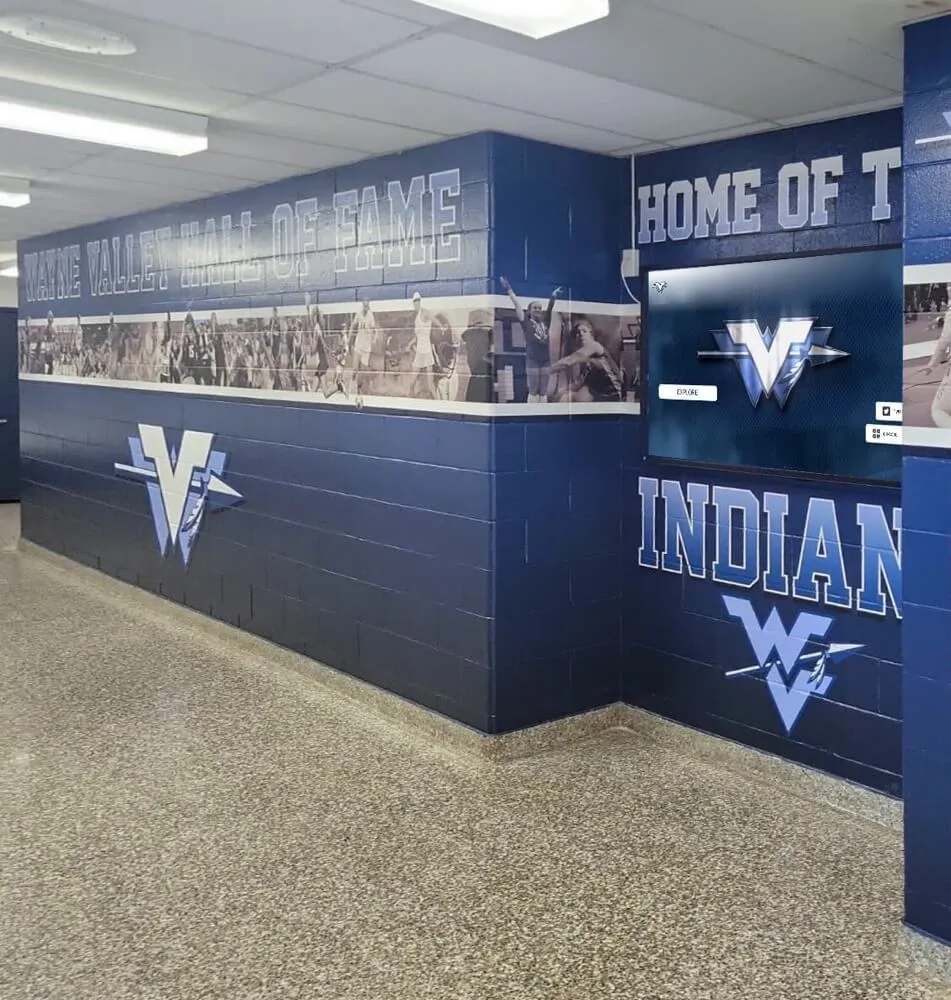
Modern digital archiving systems make institutional history accessible and engaging through interactive displays integrated into campus environments
The Critical Need for School History Preservation
Educational institutions serve as cultural anchors within communities, accumulating historical materials documenting not just institutional evolution but broader community development spanning generations.
What’s at Stake: Understanding Archival Vulnerabilities
Physical school archives face constant threats that digital preservation addresses:
Material Deterioration and Loss Paper-based materials including yearbooks, newspapers, photographs, and documents deteriorate naturally over time. According to preservation experts, acidic paper from mid-20th century publications becomes brittle and fragile within decades. Water damage from floods, leaks, or humidity ruins collections instantly. Fire represents catastrophic risk eliminating irreplaceable materials permanently. Even proper storage only slows inevitable degradation.
Accessibility Limitations Traditional archives restrict who can access historical materials. Only individuals physically present at storage locations during limited hours can view collections. Researchers, alumni, and community members living elsewhere remain disconnected from institutional heritage. Manual searching through boxes and files makes finding specific information prohibitively time-consuming, meaning most archived content never gets viewed again after initial storage.
Space Constraints and Organizational Challenges Schools accumulate materials faster than available storage space expands. Administrators face difficult decisions about what to preserve and what to discard. Inadequate cataloging means even preserved materials become effectively lost when nobody knows what exists or where to find it. As staff turns over, institutional knowledge about historical collections disappears.
Lack of Context and Documentation Photographs without identifying information become meaningless when those who remember the subjects are no longer available. Event documentation loses significance without context explaining why moments mattered. Individual accomplishments documented in yearbooks remain disconnected from broader institutional narratives.
The Generational Imperative
Current preservation decisions affect communities for generations:
Preserving Cultural Heritage Schools document community evolution across decades. Local history, architectural development, cultural shifts, and social changes receive documentation through school archives that may not exist elsewhere. Losing these materials means losing irreplaceable community memory.
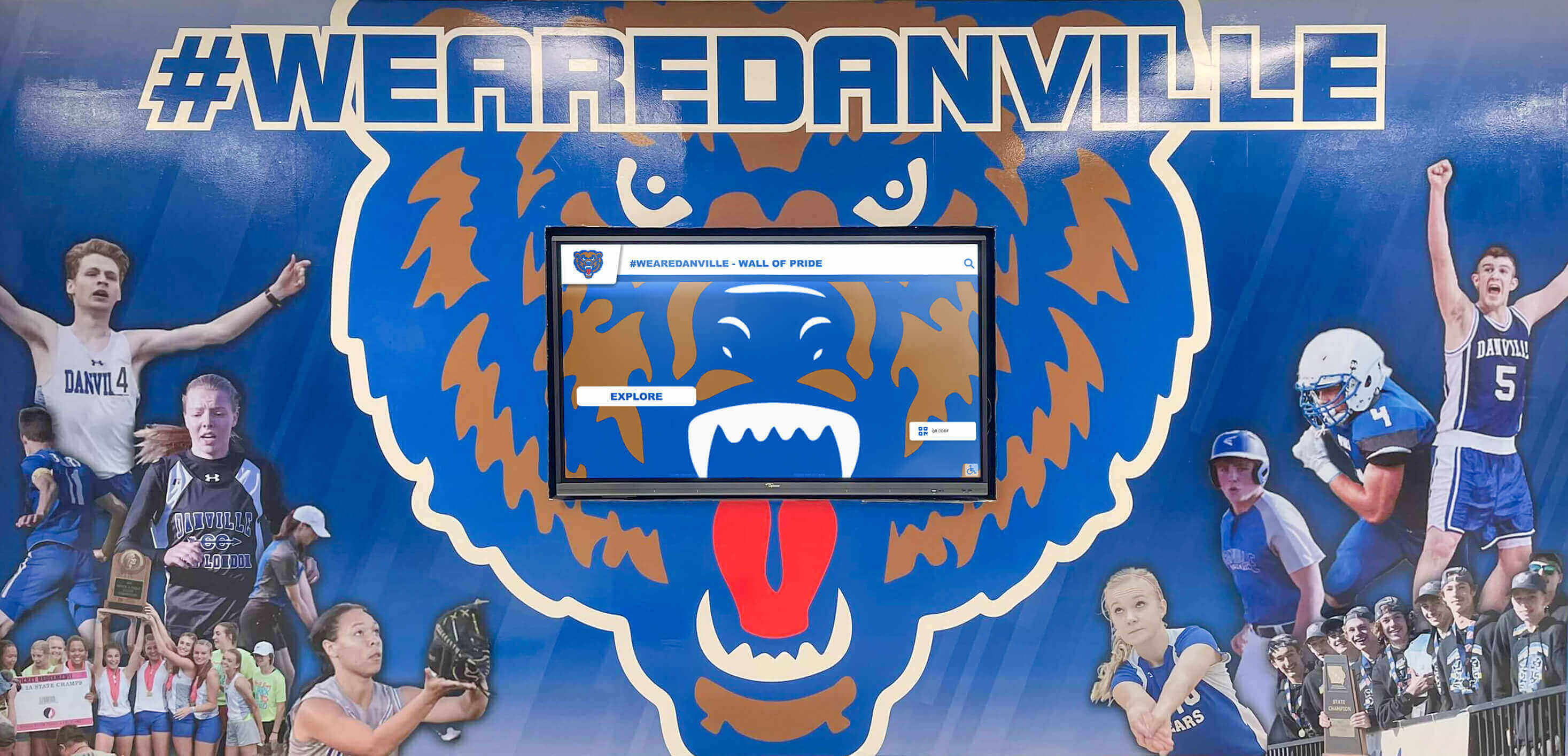
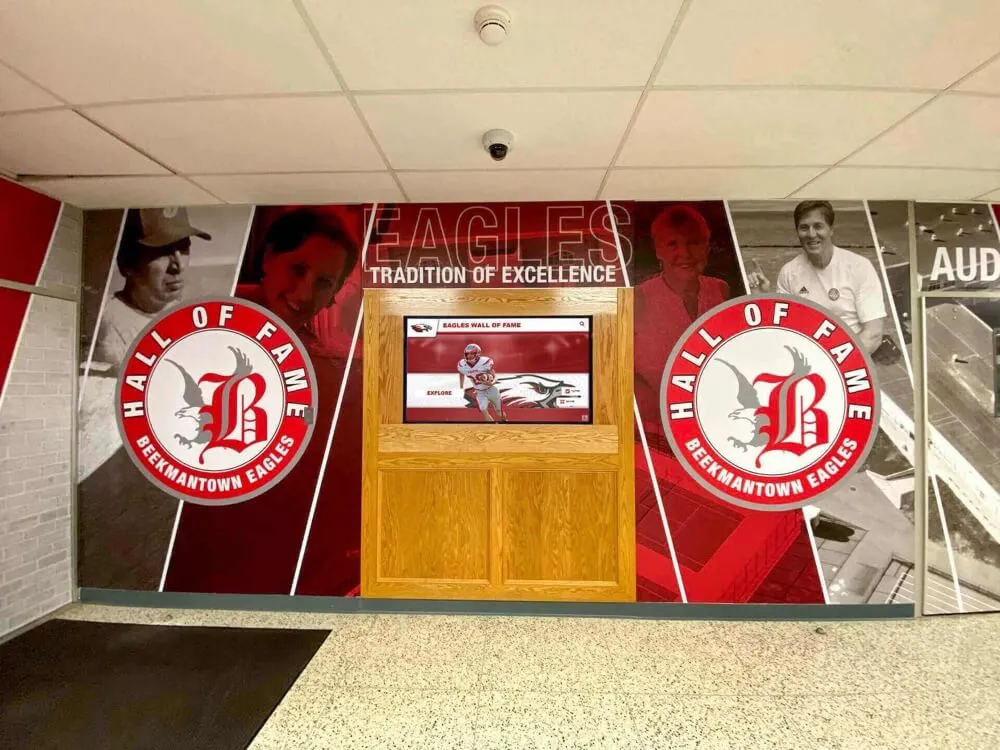
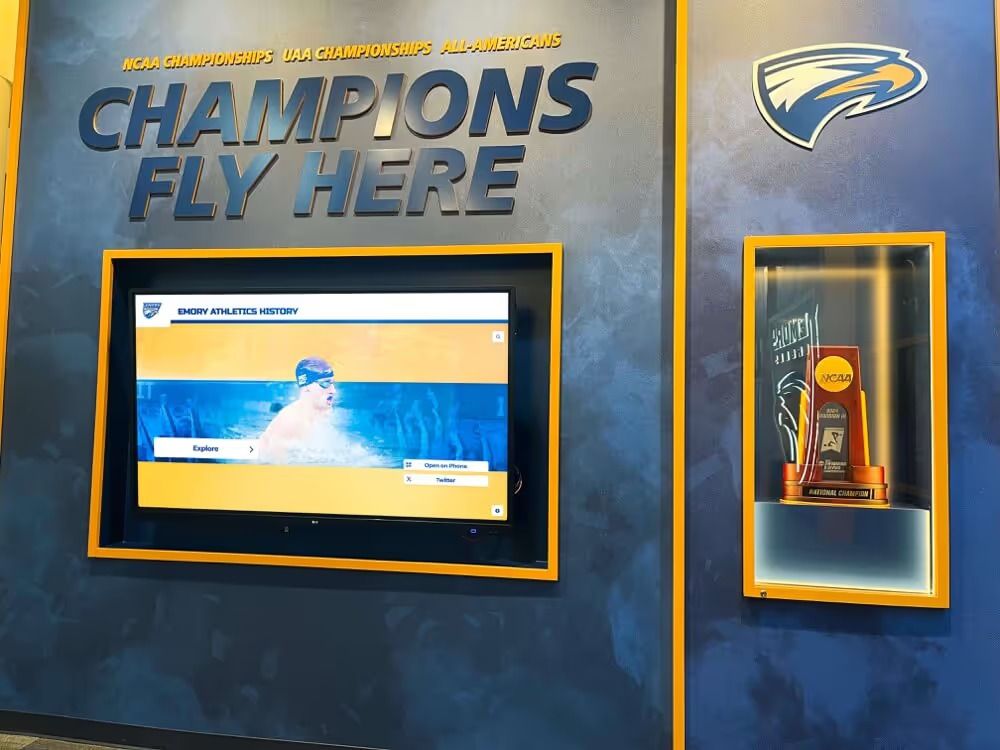
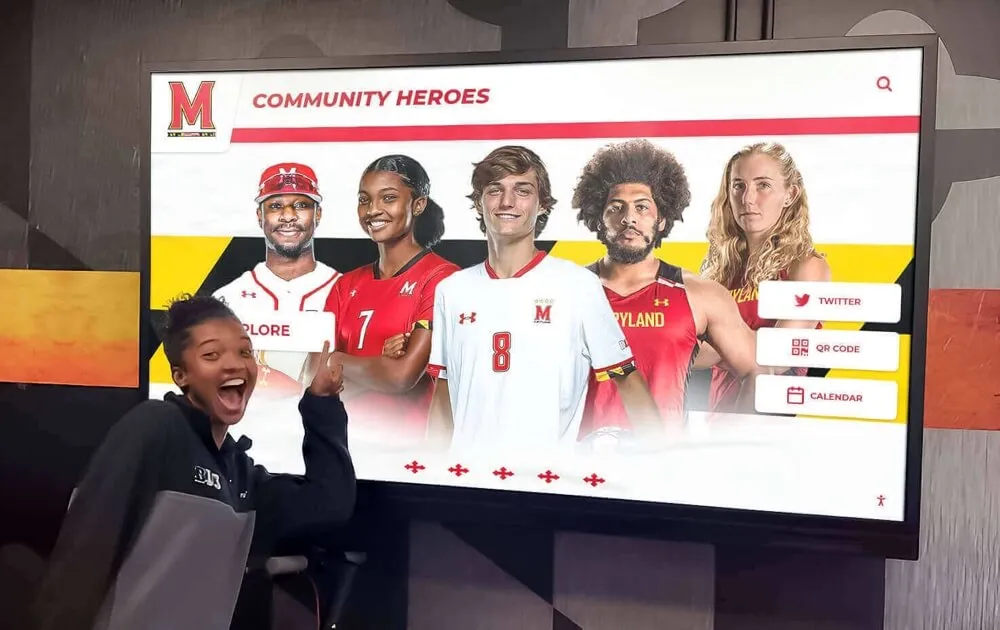
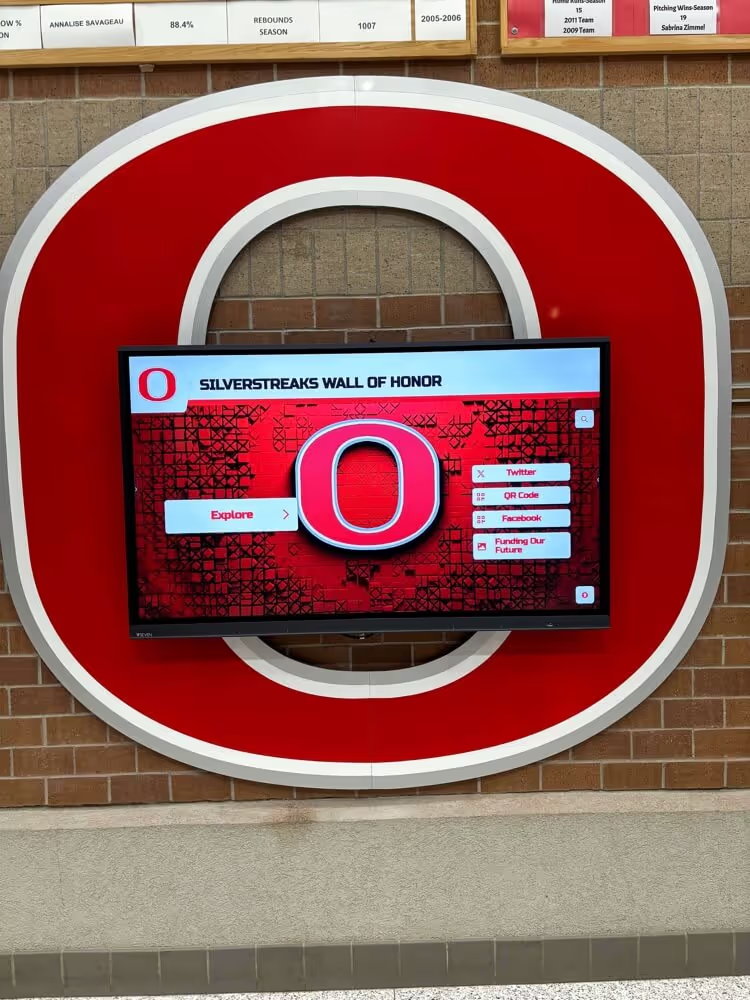
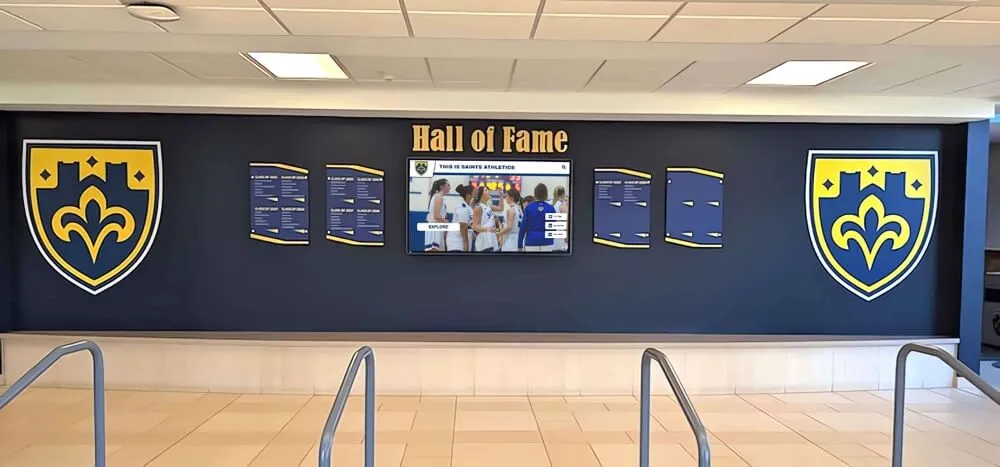
Integrated displays honor heritage while making historical content discoverable and engaging
Connecting Generations Historical archives create tangible connections between current students and countless predecessors who walked the same halls, faced similar challenges, and built the institutional foundations today’s community inherits. Digital preservation makes these connections accessible and meaningful.
Honoring Contributions Thousands of students, educators, staff members, volunteers, and community supporters contributed to institutional development over decades. Comprehensive archiving ensures their contributions receive recognition and remembrance rather than fading into obscurity.
Core Components of Academic and Historical Archives
Comprehensive school archiving encompasses diverse materials requiring systematic preservation approaches.
Yearbook Collections and Student Publications
Yearbooks represent the richest historical documentation most schools possess:
Digitizing Yearbook Archives Professional digitization converts fragile physical yearbooks into permanent digital collections. According to FADGI (Federal Agencies Digital Guidelines Initiative) standards, 400 DPI scanning captures sufficient detail for archival purposes while maintaining manageable file sizes. Solutions like school history software platforms enable schools to digitize decades of yearbooks systematically.
Making Yearbooks Searchable Optical Character Recognition (OCR) technology converts scanned text into searchable databases. Instead of manually browsing through hundreds of pages hoping to find specific individuals, users search names and instantly locate every appearance across multiple yearbooks spanning entire school histories. This searchability transforms yearbooks from static archives into dynamic research tools.
Student Newspaper and Publication Archives School newspapers, literary magazines, and student publications document student perspectives, current events, cultural attitudes, and daily institutional life. Digitizing these publications preserves student voice across generations while making historical content accessible and searchable.
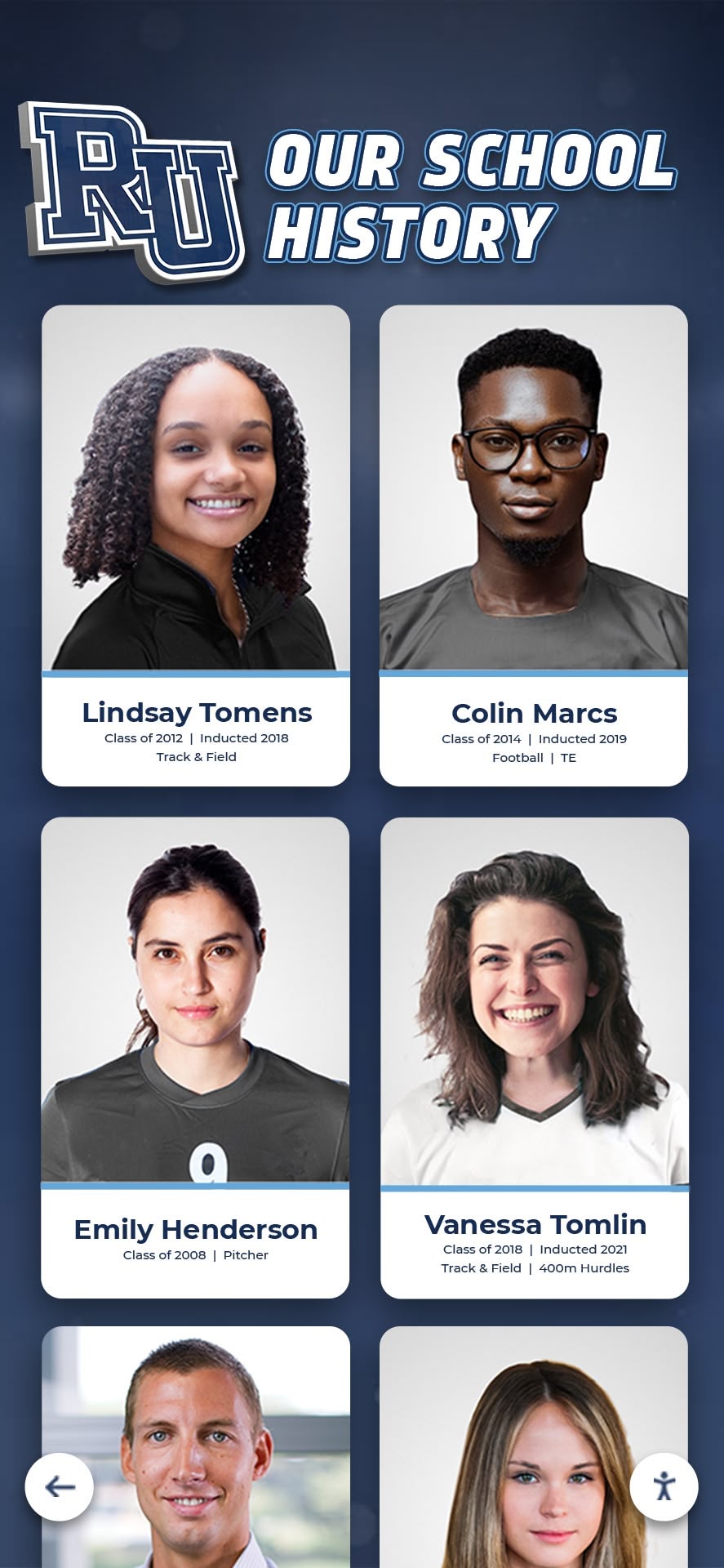
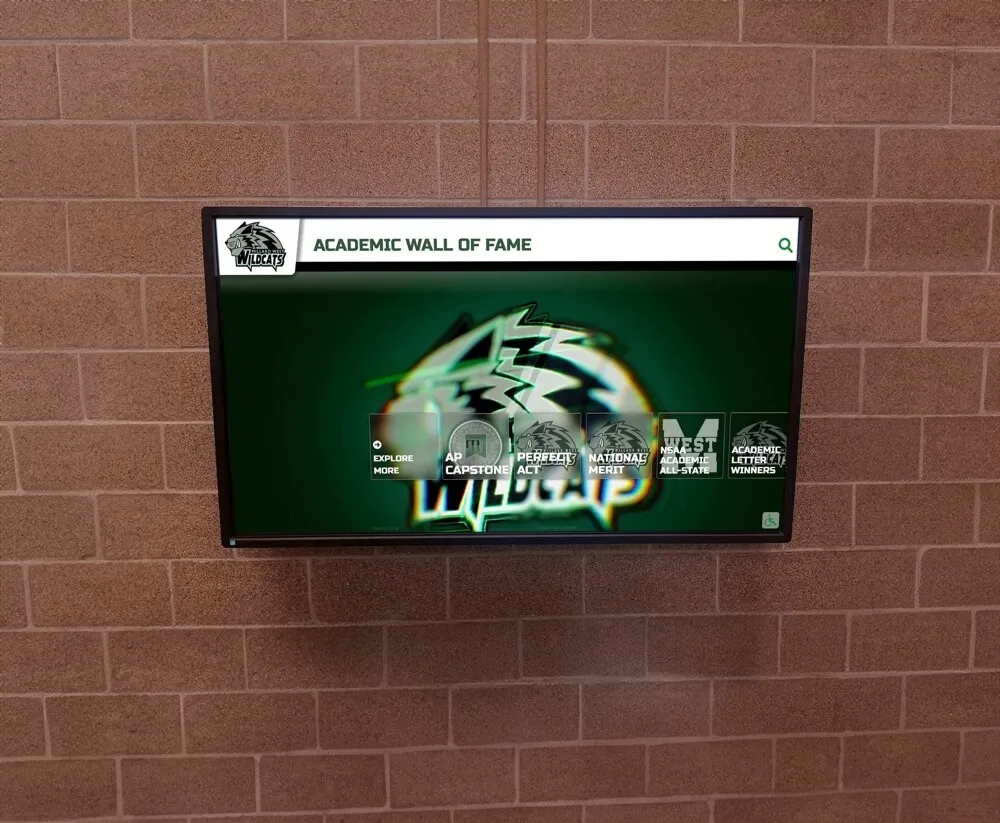
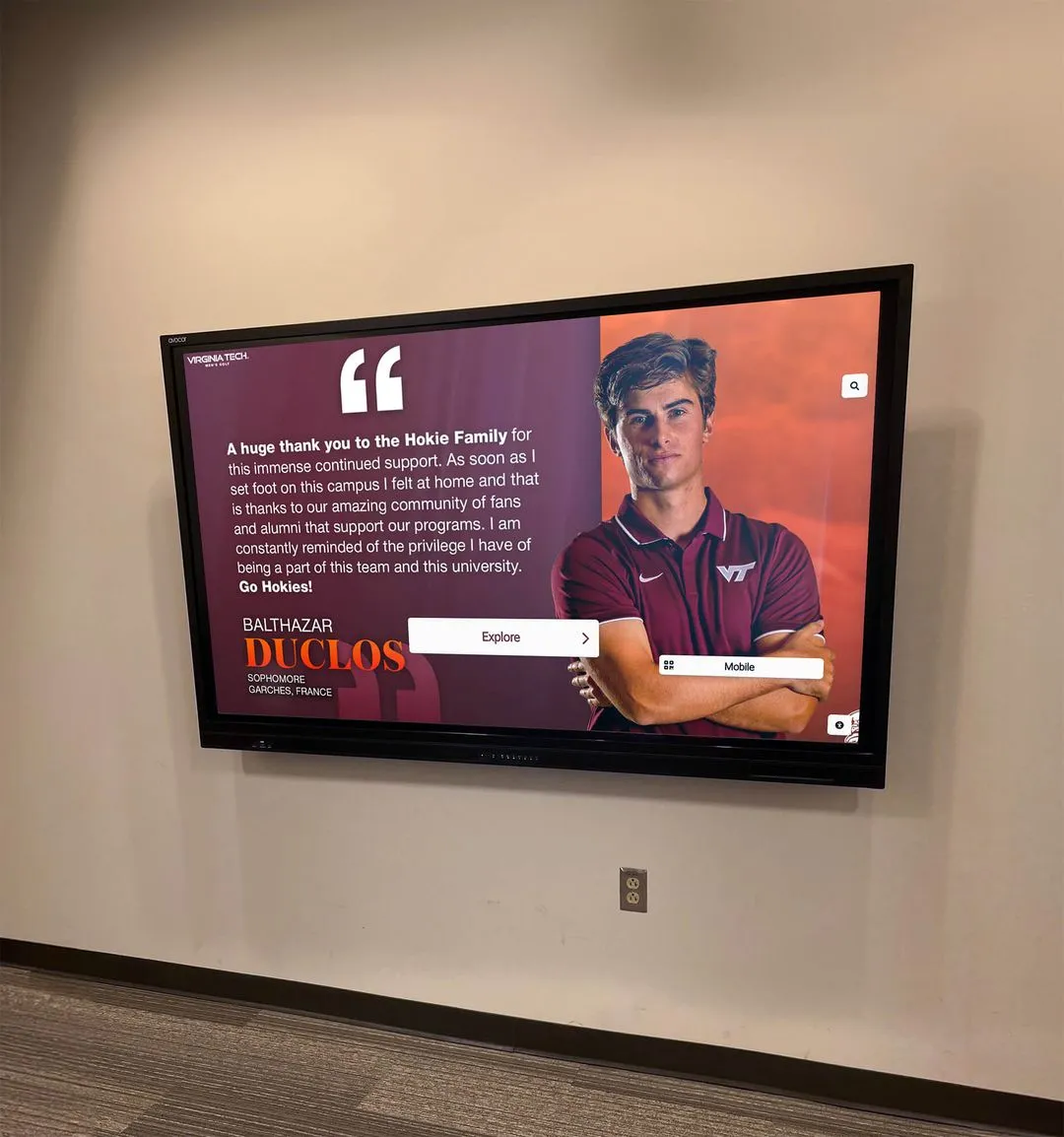
Individual digital profiles preserve personal stories while enabling discovery across decades of institutional history
Photographic and Visual Archives
Visual documentation captures institutional evolution in ways text cannot convey:
Historical Photograph Collections Photographs documenting facilities, events, people, and daily life across decades preserve visual institutional memory. Digital archiving protects deteriorating physical photographs while making images accessible and shareable. Proper metadata including dates, locations, individuals pictured, and contextual information ensures photographs retain meaning for future generations.
Architectural and Facilities Documentation Schools undergo continuous physical evolution through construction, renovation, and modernization. Historical photographs preserving original building appearances, demolished structures, and facility transformations document architectural heritage. Current students and community members fascinated by “how things used to look” connect with institutional history through visual comparisons. Old school photos digital displays create engaging presentations comparing past and present.
Event Photography Archives Decades of athletic competitions, performances, ceremonies, and community events receive documentation through event photography. Organizing these collections by year, event type, and participants creates accessible visual chronicles of institutional life.
Achievement and Recognition Records
Systematic preservation of accomplishments honors contributions across generations:
Athletic Achievement Archives Sports programs accumulate decades of championship teams, record-breaking athletes, coaching excellence, and competitive success deserving permanent recognition. Digital hall of fame solutions preserve unlimited achievement records without physical space constraints.
Academic Excellence Documentation Honor roll lists, academic competition success, scholarship awards, and intellectual achievements deserve preservation equal to athletic recognition. Comprehensive archives ensure academic accomplishments receive appropriate visibility and lasting recognition.
Arts and Activities Recognition Performing arts productions, music accomplishments, drama performances, debate competitions, and extracurricular achievements contribute to institutional heritage requiring systematic documentation and recognition.
Alumni Achievement Tracking Distinguished alumni accomplishments reflect institutional excellence while inspiring current students. Alumni hall of fame recognition systems celebrate successful graduates while maintaining connections between current students and accomplished predecessors.
Institutional Records and Administrative Documents
Official documentation provides historical context and governance records:
Historical Timeline Development Comprehensive timelines documenting founding dates, leadership transitions, facility developments, program additions, milestone achievements, and significant events create narrative structures helping community members understand institutional evolution. School historical timeline displays present this information engagingly.
Curriculum and Program Documentation Course catalogs, program descriptions, curriculum changes, and educational philosophy evolution document how institutional educational missions developed across decades.
Governance and Leadership Records Board minutes, administrative correspondence, policy developments, and leadership decisions provide historical context for understanding institutional development and decision-making.
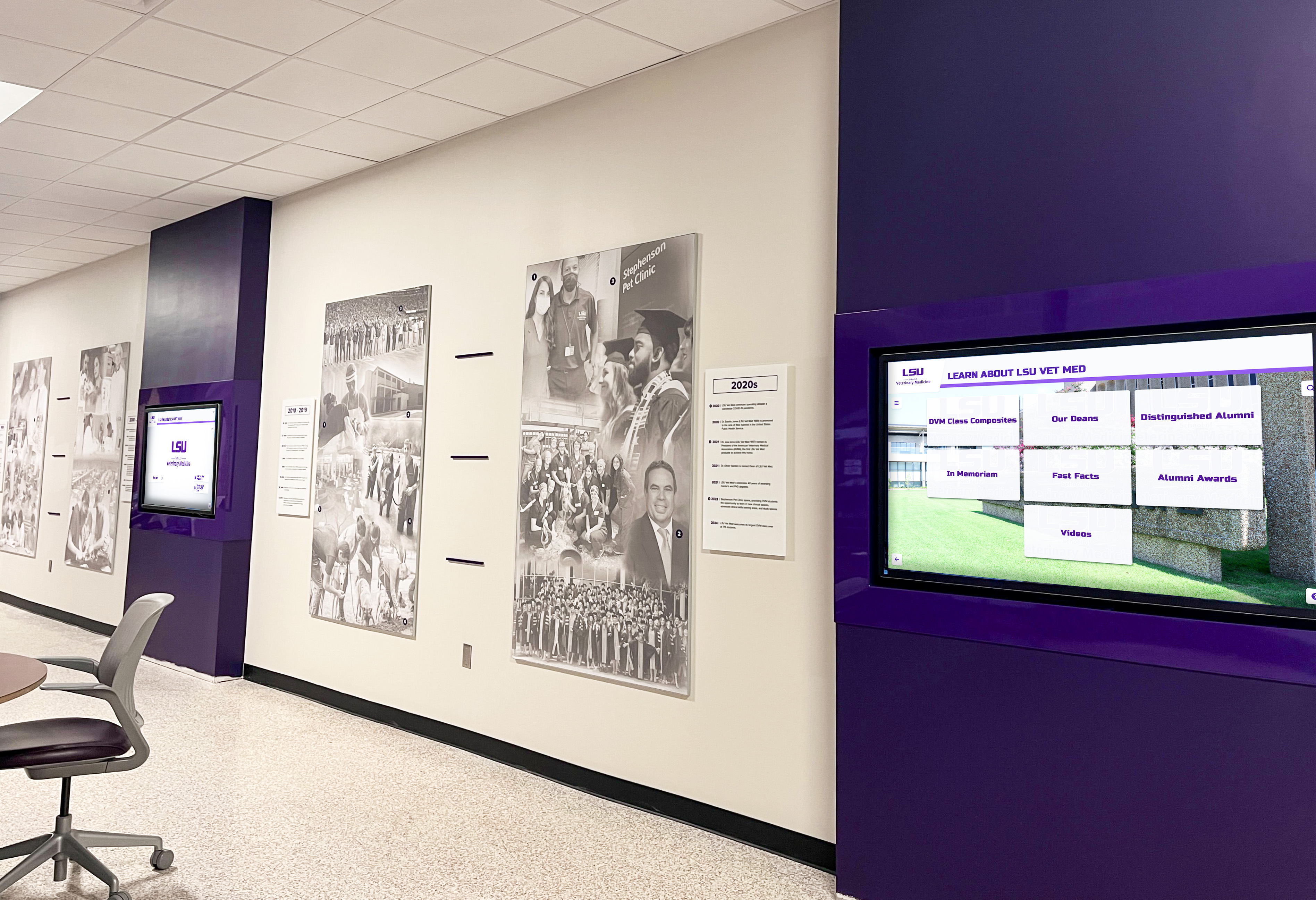
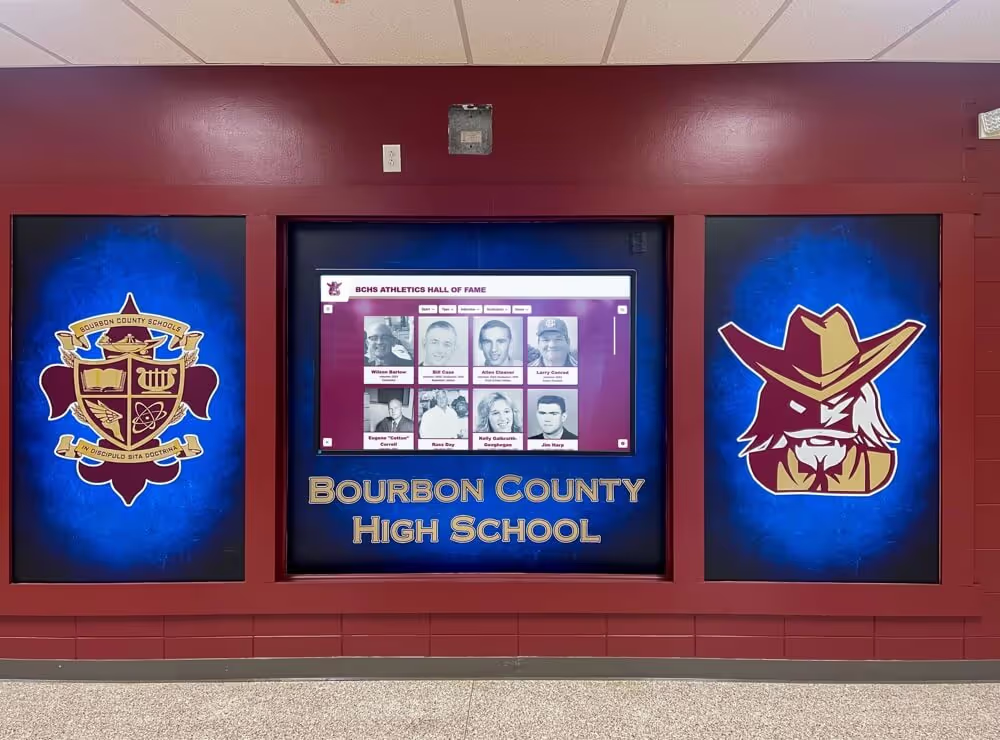
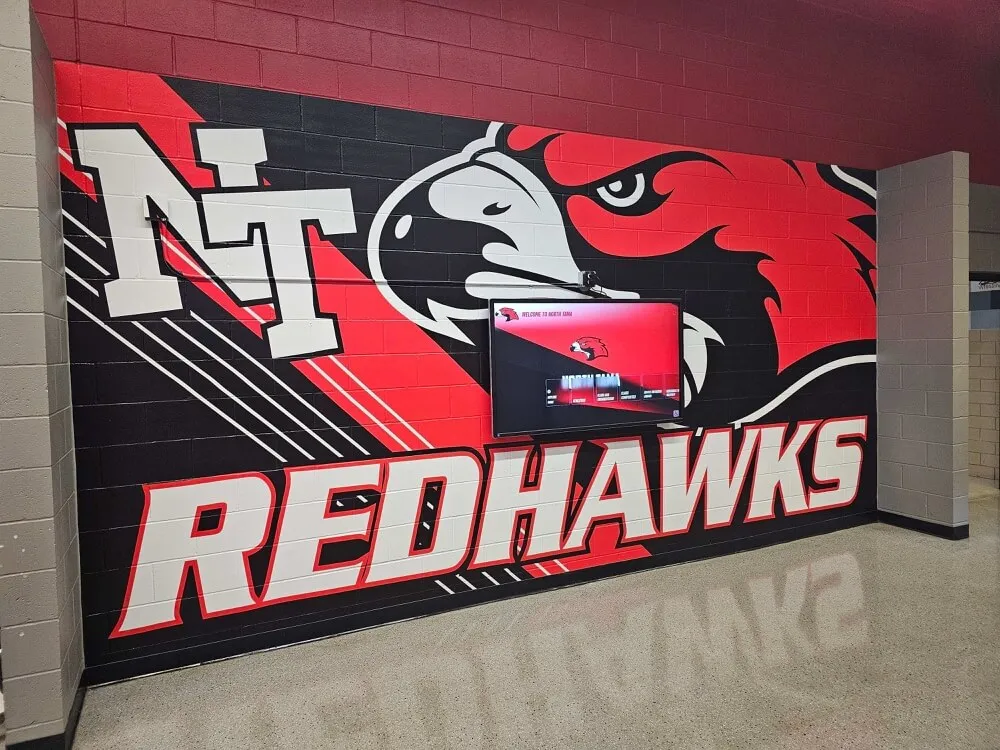
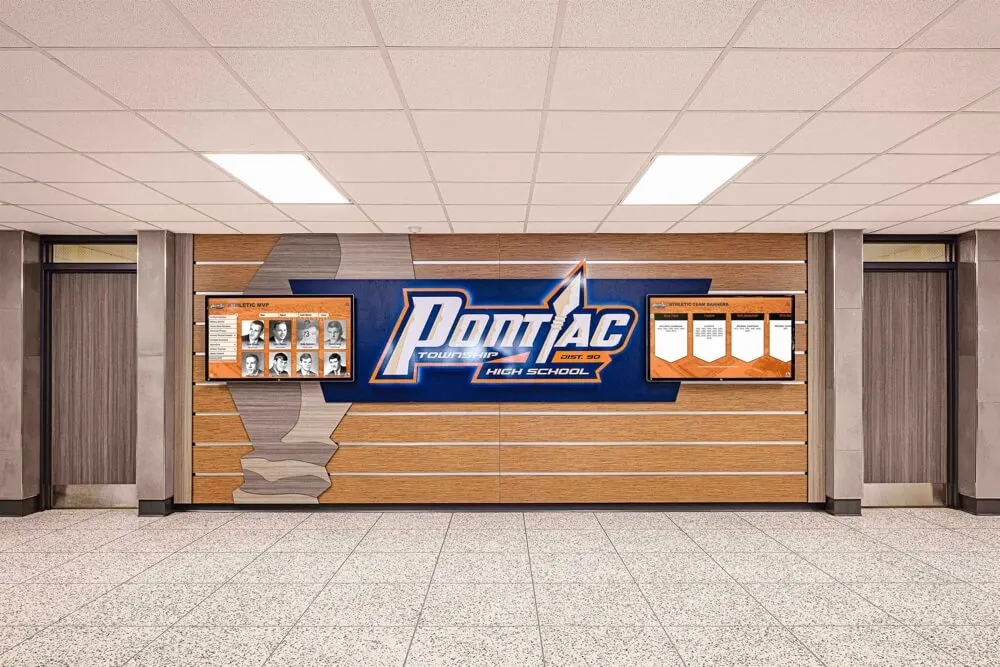
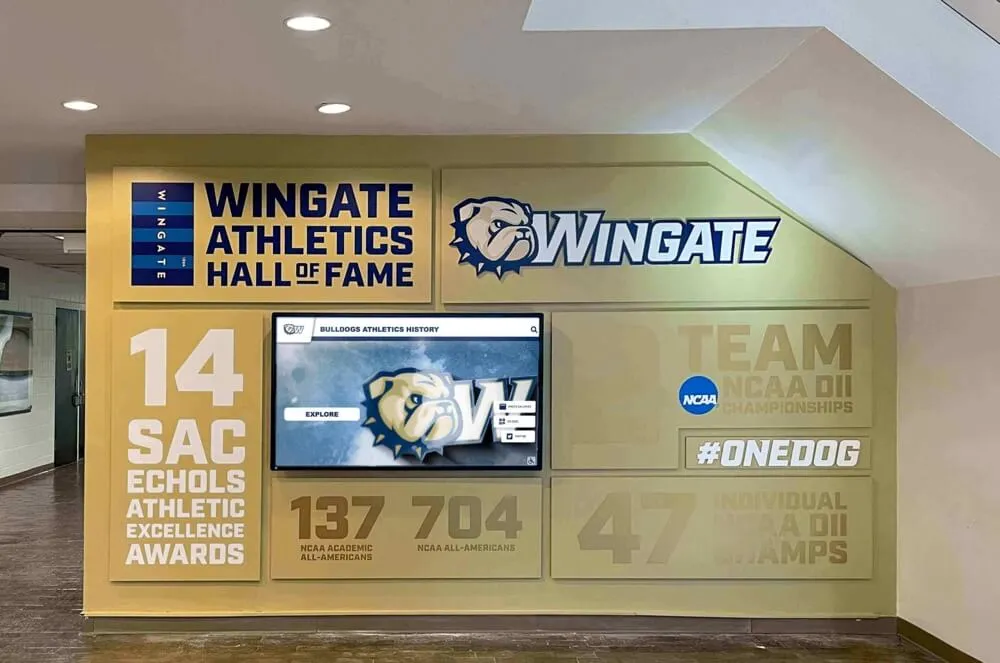
Strategically placed archive displays transform hallways into heritage galleries where community members naturally encounter institutional history
Benefits of Digital Archiving for Educational Communities
Digital preservation creates transformative benefits extending far beyond simple record storage.
Permanent Preservation and Risk Mitigation
Digital archiving eliminates physical vulnerabilities:
Protection from Physical Deterioration Digital files don’t deteriorate over time. Once digitized, materials remain in permanent condition regardless of age. Multiple digital copies stored in geographically distributed cloud storage eliminate risk from localized disasters like fires, floods, or building damage.
Professional Archival Standards Enterprise-grade digital preservation platforms meeting Library of Congress standards ensure files remain accessible as technologies evolve. Format migration, redundant storage, and systematic monitoring protect against digital obsolescence and data loss.
Disaster Recovery Capabilities Even if physical buildings suffer catastrophic damage, digitally archived materials remain safely preserved in cloud storage. Communities recovering from disasters retain access to institutional memory and historical documentation essential for rebuilding.
Universal Access and Engagement
Digital archives democratize access to institutional heritage:
Global Accessibility Alumni living anywhere worldwide access yearbooks, photographs, and historical documentation from their graduation years. Families separated by geography explore shared school experiences. Researchers access collections without traveling to physical archive locations. Web-accessible archives extend engagement far beyond campus boundaries.
Mobile Device Access Smartphone and tablet optimization ensures younger generations comfortable with mobile devices easily explore institutional history. QR codes placed throughout campuses enable visitors to access relevant historical content about specific locations, creating self-guided heritage tours.
Search and Discovery Capabilities Instead of knowing exactly what to look for, users discover unexpected connections through intuitive search and browsing. Finding oneself in digitized yearbooks, discovering family members who attended decades earlier, or exploring historical photographs of familiar locations creates personal engagement impossible with physical archives requiring supervised access.
Social Sharing and Amplification Digital content enables sharing with extended networks. Alumni discovering themselves in digitized yearbooks share images with classmates via social media, email, and messaging. This organic sharing extends archival engagement far beyond direct platform usage while promoting institutional pride.
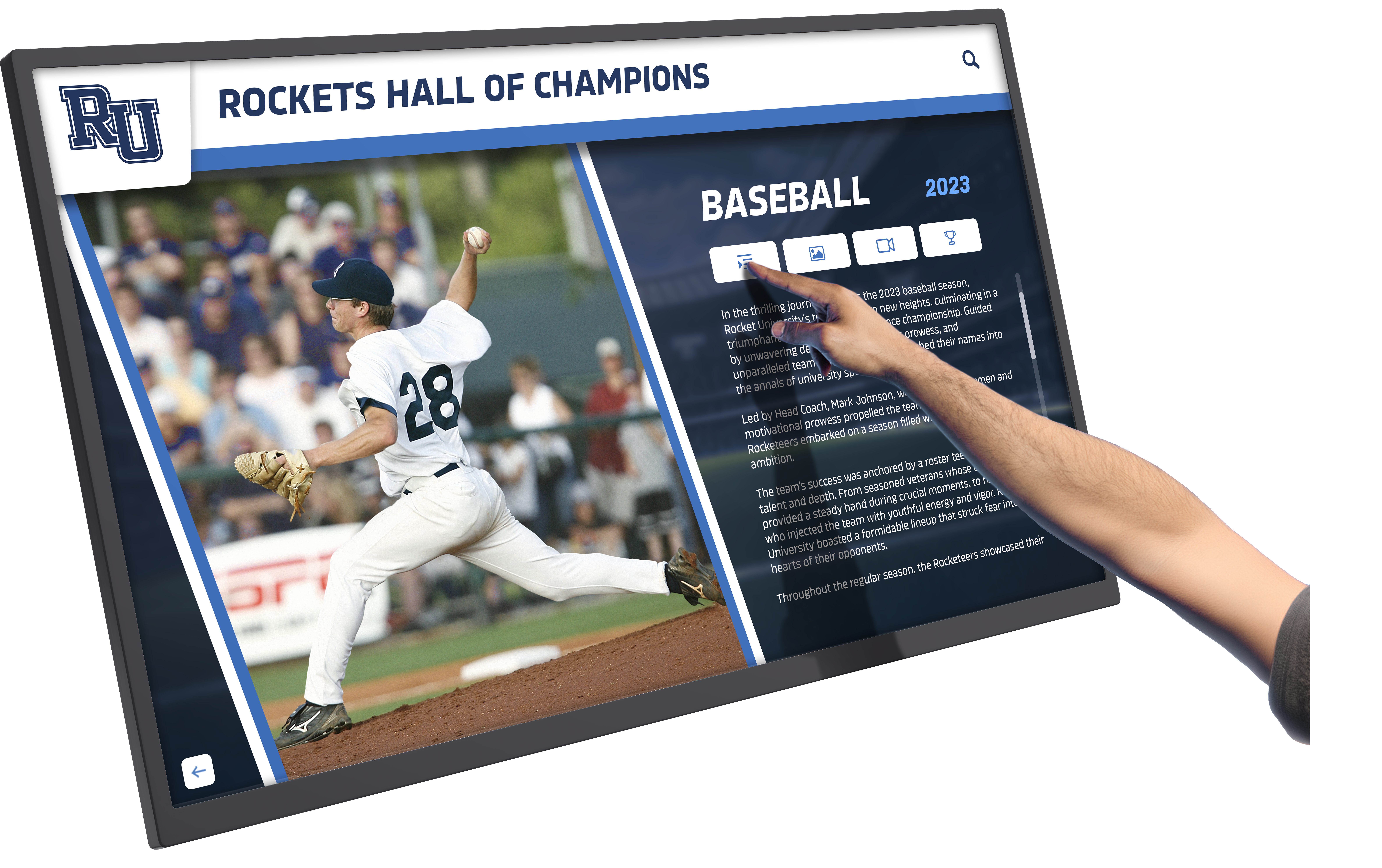
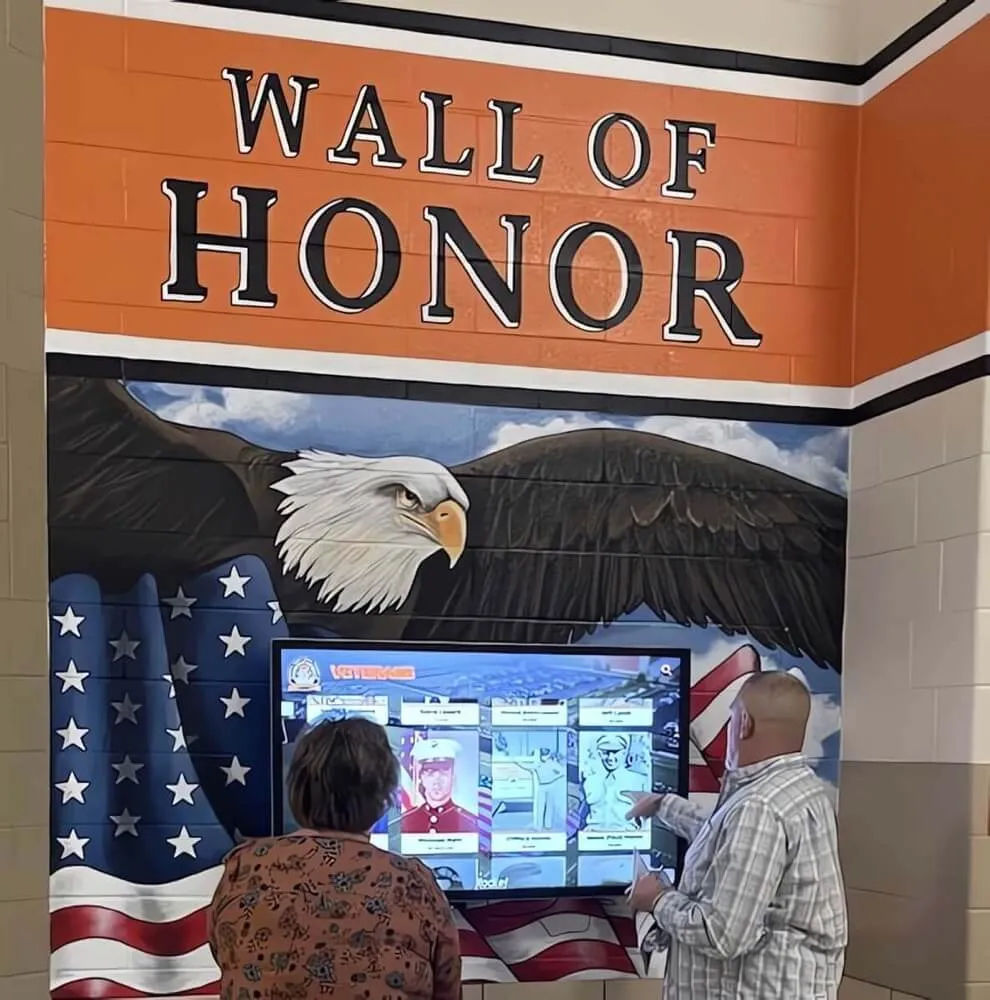
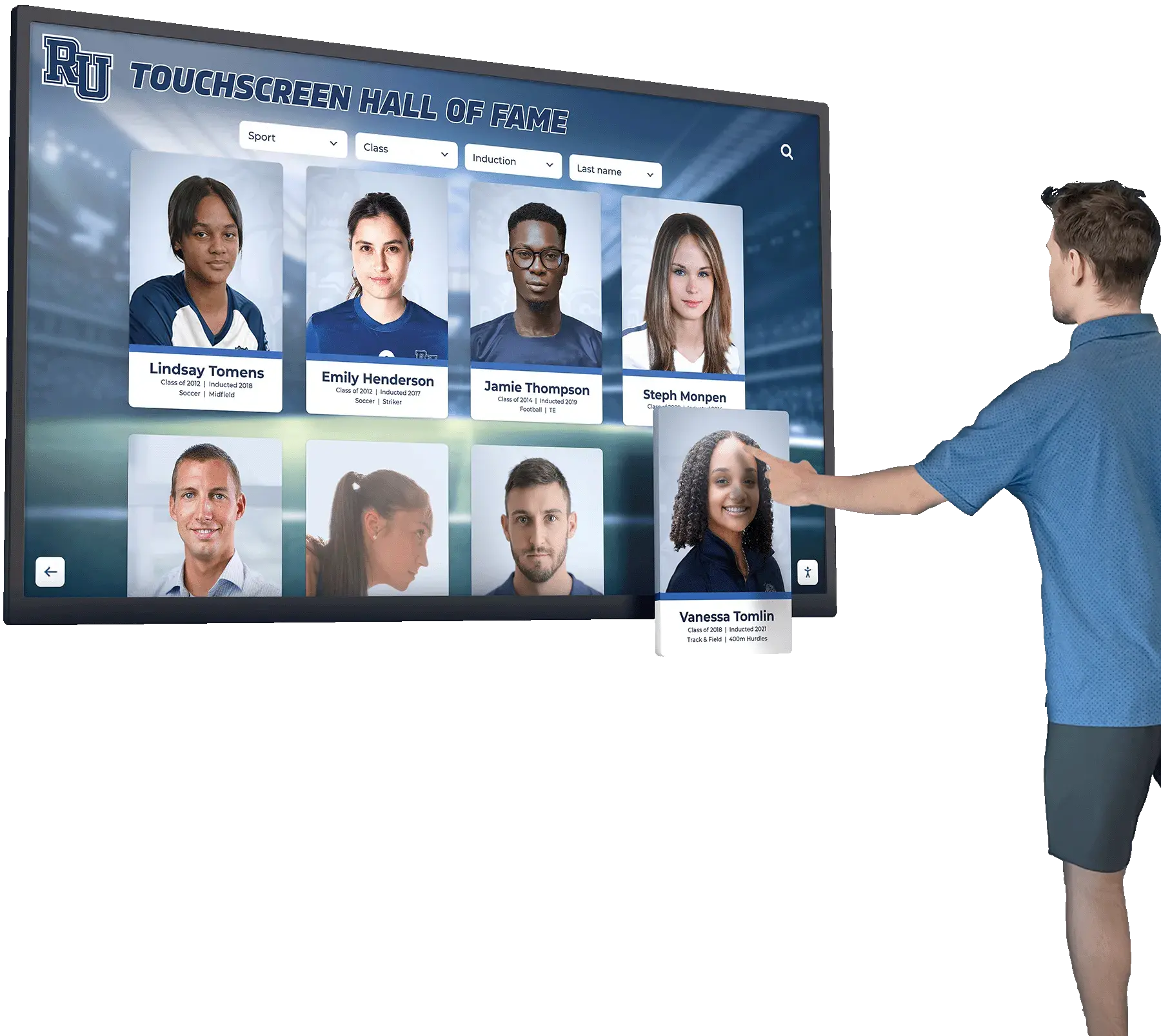
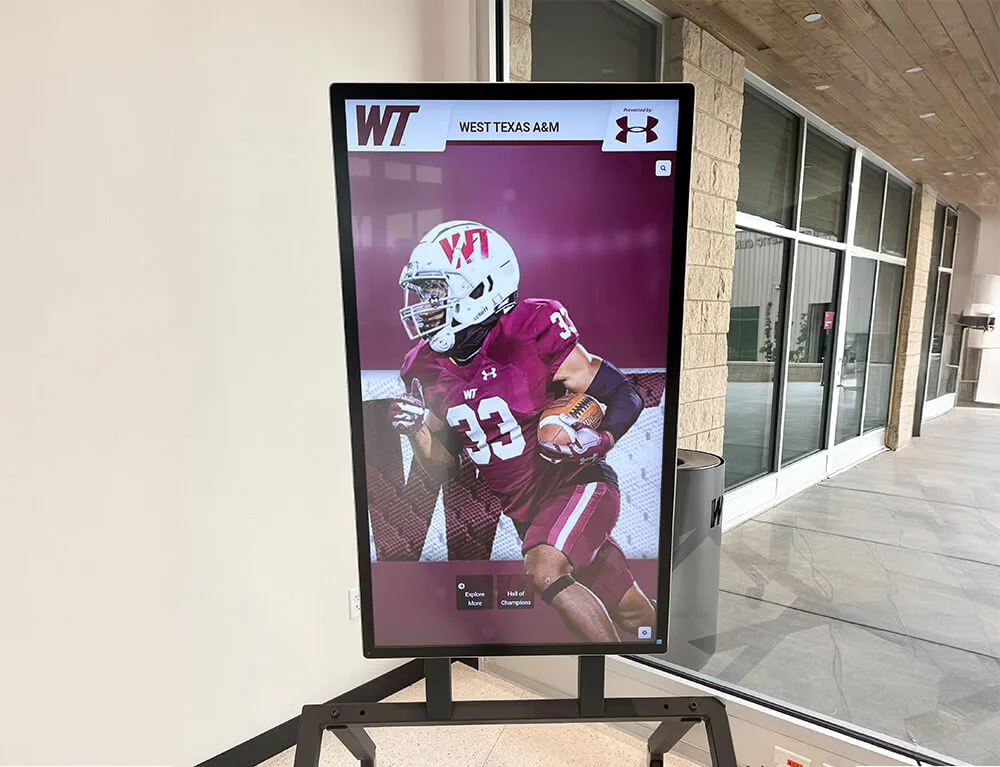
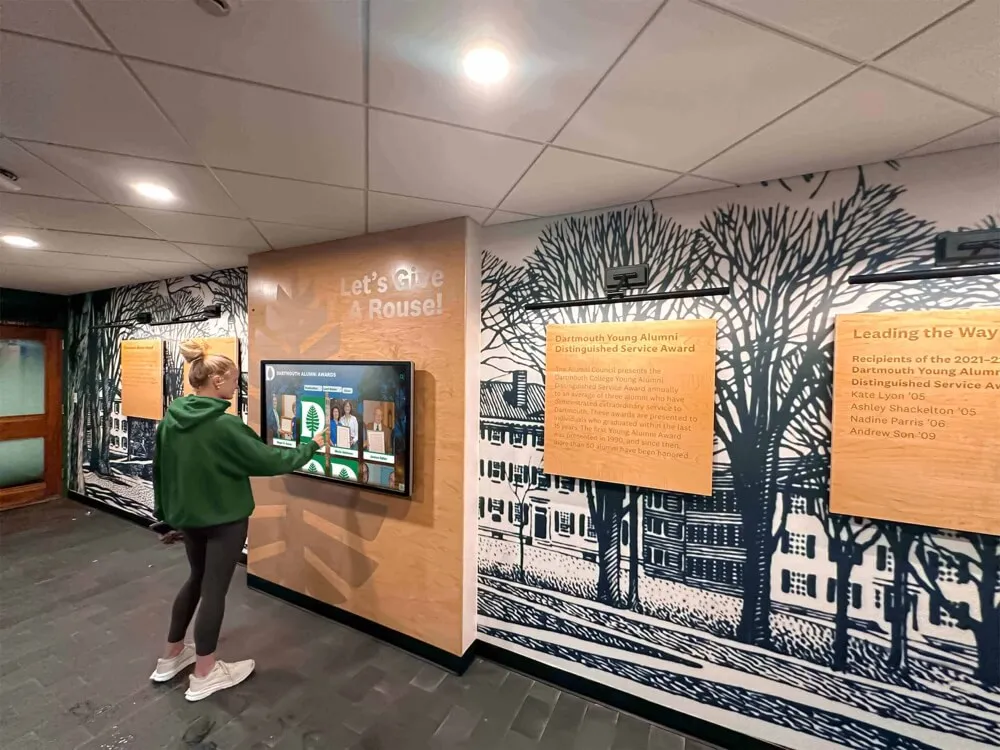
Touchscreen interfaces make historical exploration intuitive and engaging, encouraging active discovery rather than passive viewing
The Digital Warming Effect for Historical Content
Digital archiving creates what we call digital warming—transforming cold, inaccessible archives into vibrant engagement tools:
Personalized Discovery Community members find themselves, relatives, friends, and role models through intuitive search and browsing. These personal connections create emotional engagement with institutional heritage while strengthening identification with school communities.
Continuous Content Surfacing Featured historical content rotates regularly, highlighting anniversary moments, throwback comparisons, and themed collections. “On this day in school history” features create ongoing engagement reasons while ensuring diverse archival content receives visibility.
Multigenerational Connection Current students discovering their parents’ or grandparents’ yearbook photos experience visceral connections to institutional continuity. Alumni recognize themselves and classmates decades later, triggering nostalgia and renewed engagement. These intergenerational touchpoints strengthen community bonds across age groups.
Community Identity Reinforcement Regular exposure to institutional heritage reinforces shared identity and tradition. Understanding “where we came from” strengthens appreciation for “where we are” while creating collective identity transcending individual experiences.
Implementing Digital Archiving Solutions
Successful digital preservation requires systematic planning addressing technical, organizational, and community engagement dimensions.
Assessment and Planning Phase
Begin with comprehensive evaluation of archival needs and resources:
Collection Inventory and Prioritization Document existing materials including yearbooks, photographs, newspapers, records, and artifacts requiring preservation. Assess collection conditions, identifying materials facing immediate deterioration risks requiring urgent attention. Prioritize digitization focusing first on most vulnerable materials and most valuable collections ensuring limited resources address highest priorities.
Stakeholder Engagement Involve administrators, librarians, archivists, alumni relations staff, community historians, and volunteers in planning processes. Different perspectives reveal priorities and possibilities while building broad support for preservation initiatives. Alumni associations often provide funding, volunteer labor, and advocacy supporting archival projects.
Budget and Resource Allocation Digital archiving requires upfront investment yielding long-term value. Evaluate options including in-house digitization requiring equipment and staff time versus professional services offering faster completion with specialized expertise. Consider ongoing costs including storage, software, and maintenance ensuring sustainable programs.
Defining Success Metrics Establish clear goals including volumes of materials digitized, accessibility improvements, community engagement targets, and preservation outcomes. Measurable objectives enable progress tracking and demonstrate value to stakeholders and potential funders.
Digitization Approaches and Best Practices
Multiple pathways enable comprehensive digital conversion:
Professional Digitization Services Specialized vendors offer complete digitization including scanning, OCR processing, metadata creation, and digital delivery. Professional services bring expertise, specialized equipment, and efficient workflows completing large-scale projects faster than in-house efforts. Companies focusing on educational archives understand yearbook structures, preservation standards, and institutional needs.
In-House Digitization Schools with appropriate equipment, technical expertise, and available time successfully manage digitization internally. High-quality document scanners handle bound materials like yearbooks. Clear workflow processes ensure consistent quality. Training volunteers including students, alumni, and community members multiplies capacity while building engagement with archival content.
Hybrid Approaches Many institutions combine professional services for high-priority or complex materials with in-house digitization of simpler collections. This hybrid approach balances quality, cost, and timeline considerations while building internal capacity.
Technical Specifications and Standards Follow recognized preservation standards ensuring long-term usability. Minimum 400 DPI resolution for text-based materials captures sufficient detail while maintaining reasonable file sizes. TIFF format preserves maximum quality for archival masters with JPEG derivatives for access and sharing. Systematic file naming conventions and metadata standards ensure organized, searchable collections.
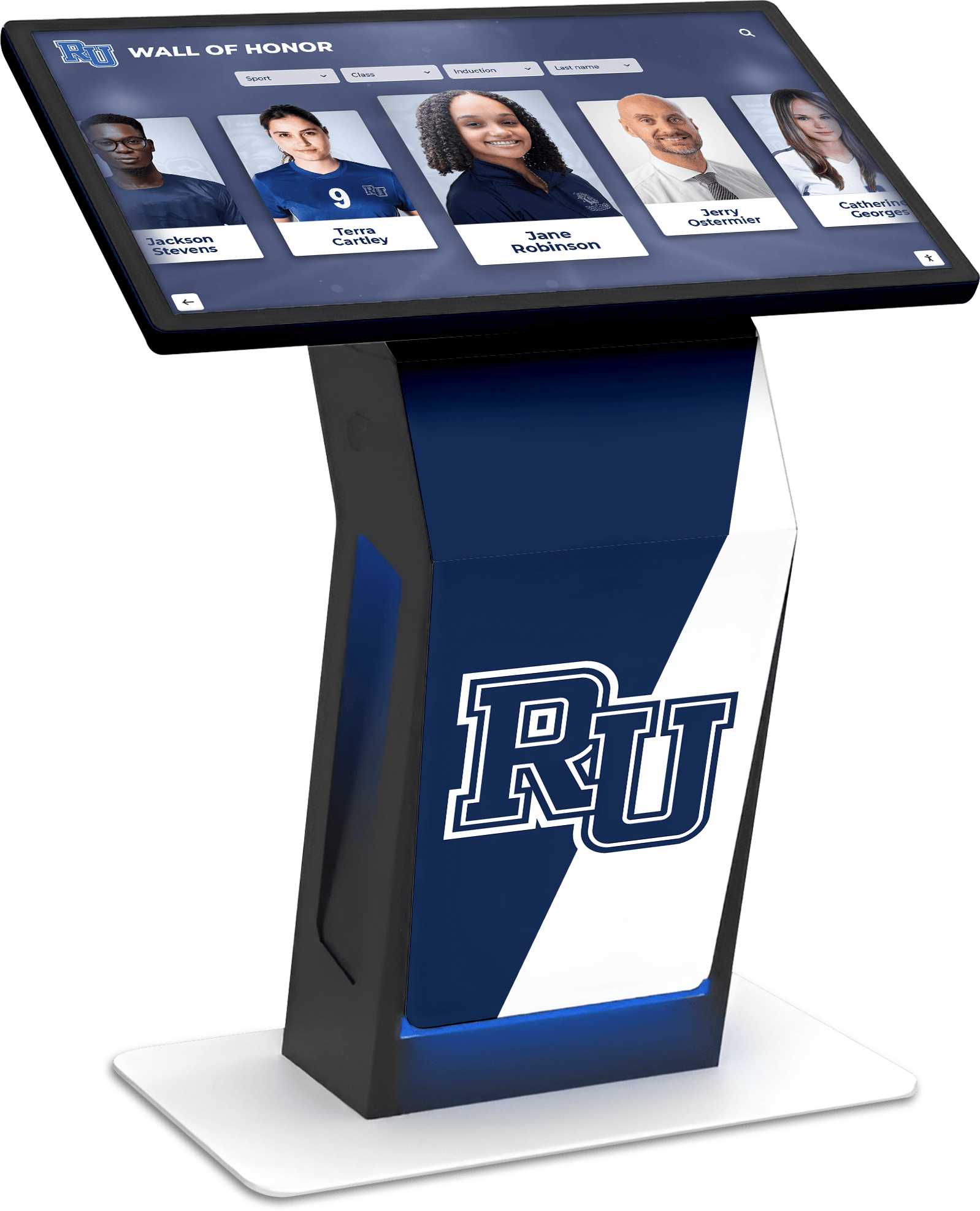
Modern archive management systems combine professional displays with cloud-based content management enabling easy updates and maintenance
Platform Selection and Technology Infrastructure
Choosing appropriate technology platforms significantly impacts long-term success:
Comprehensive Archive Management Systems Purpose-built platforms designed for educational history preservation offer features specifically supporting institutional archiving needs. Look for unlimited storage capacity accommodating decades of materials, intuitive content management requiring minimal technical expertise, robust search and filtering enabling discovery, and customizable presentation matching institutional branding.
Interactive Display Solutions Physical touchscreen installations placed strategically throughout campuses create engaging access points to digital archives. Solutions like Rocket Alumni Solutions provide interactive touchscreen displays combining professional hardware with intuitive interfaces designed for public use. These displays transform lobbies, libraries, and hallways into heritage galleries where community members naturally encounter institutional history.
Web-Based Access Platforms Online archives extend access globally while enabling social sharing amplifying engagement. Mobile-responsive designs ensure accessibility across devices. Integration with school websites and communications platforms increases visibility and usage.
Cloud Storage and Preservation Enterprise-grade cloud storage provides security, redundancy, and scalability. Geographic distribution protects against localized disasters. Automatic backups eliminate manual maintenance requirements. Professional digital preservation platforms ensure long-term accessibility as technologies evolve.
Content Organization and Metadata
Thoughtful organization makes archives accessible and useful:
Systematic Cataloging Develop consistent metadata schemas describing materials including dates, subjects, locations, people, and contextual information. Detailed cataloging enables precise searching while providing historical context preventing materials from becoming meaningless over time.
Hierarchical Organization Create intuitive navigation structures organizing content by type (yearbooks, photographs, documents), chronology (decades, years, eras), subject (athletics, academics, facilities), and other relevant categories. Multiple organizational schemes accommodate different exploration approaches.
Facial Recognition and Auto-Tagging Advanced systems employ facial recognition technology identifying individuals across multiple photographs automatically. While requiring careful privacy considerations, this technology dramatically enhances searchability and personal discovery.
Community Contribution and Crowdsourcing Enable alumni and community members to contribute identification, memories, and additional context enriching archival collections. Crowdsourced information adds personal perspectives and details institutional staff cannot provide. Moderation ensures quality control while leveraging community knowledge.
Engaging Community Through Historical Content
Digital archives achieve maximum impact when integrated into comprehensive engagement strategies.
Interactive Campus Installations
Physical displays create regular touchpoints with institutional heritage:
Strategic Placement Considerations Install touchscreen archive displays where community members naturally gather—main lobbies, library entrances, athletic facility corridors, alumni centers, and cafeteria areas. High-traffic locations maximize visibility and casual exploration encouraging spontaneous engagement.
Featured Content Rotation Program displays to highlight rotating historical content including anniversary recognitions, throwback photo comparisons, historical “on this day” features, and themed collections. Fresh content encourages repeated engagement while ensuring diverse archival materials receive visibility.
Self-Guided Heritage Tours QR codes placed throughout campuses link to location-specific historical content. Students and visitors exploring buildings access historical photographs showing how spaces appeared decades earlier, read about architectural significance, and discover events that occurred in specific locations. These self-guided experiences create engaging ways to explore institutional heritage.
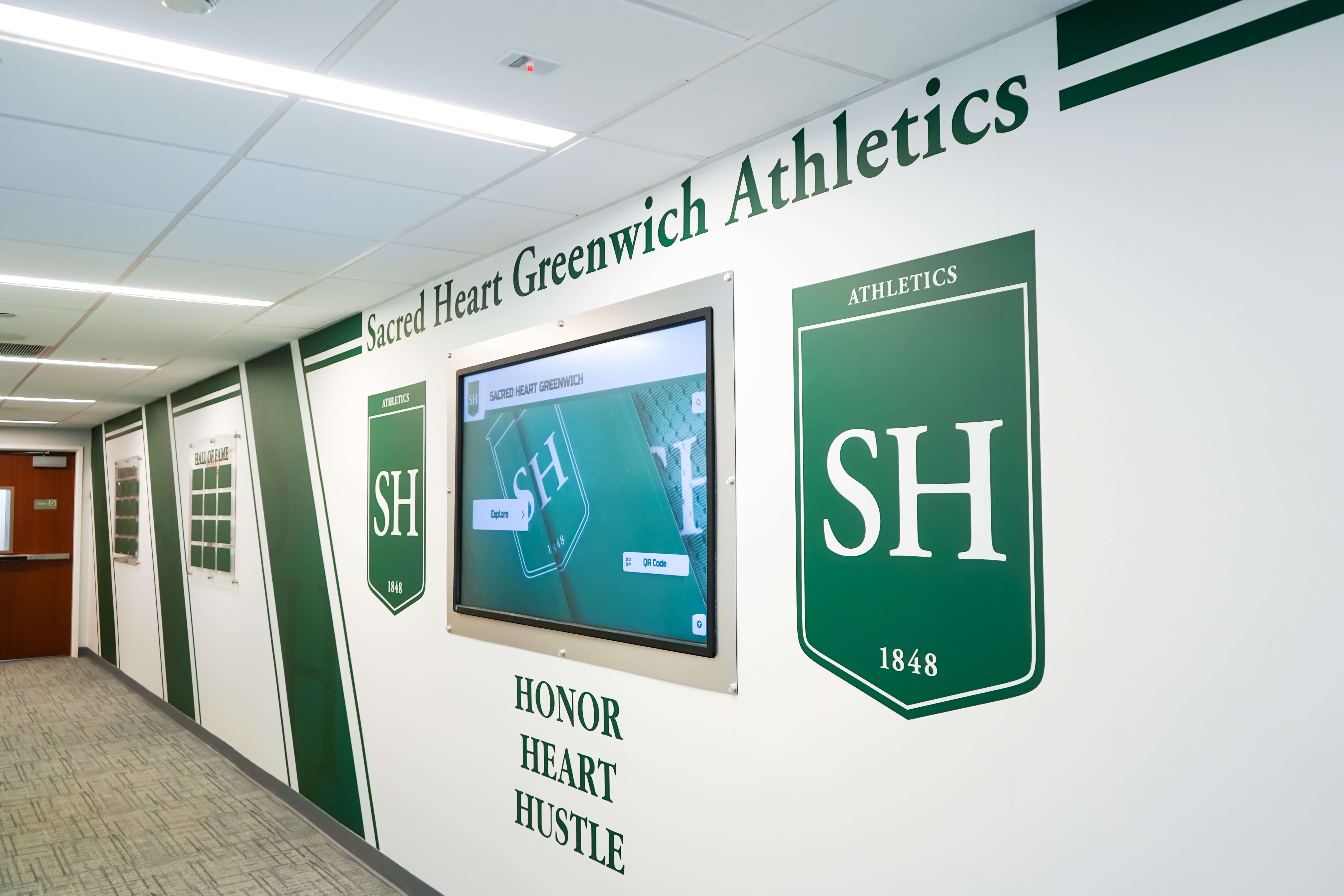
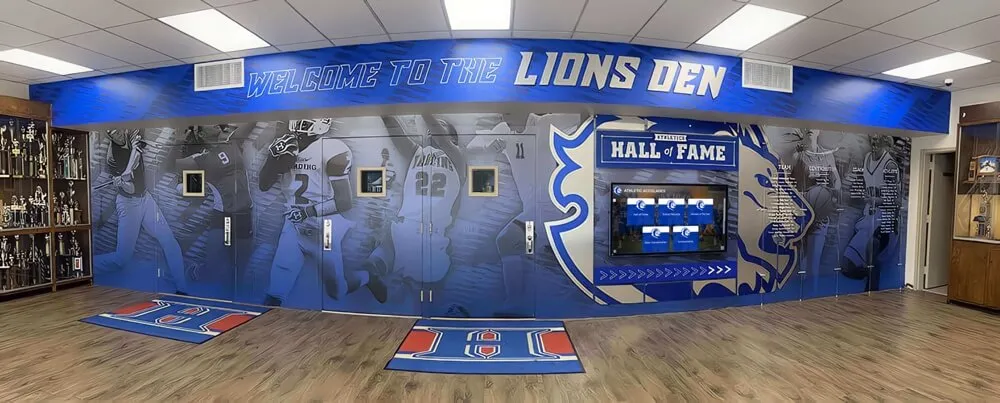
Heritage corridors combine traditional displays with digital archives creating immersive historical experiences
Alumni Engagement and Advancement Integration
Historical archives support advancement and alumni relations goals:
Reunion and Homecoming Integration Feature relevant historical content during reunion events and homecoming celebrations. Display yearbooks and photographs from attendees’ graduation years on lobby screens. Create customized historical presentations for milestone reunions. Developing college history timelines provides frameworks for milestone celebrations.
Giving Campaign Connection Historical archives create natural fundraising hooks. Capital campaigns funding preservation initiatives appeal to alumni motivated by heritage conservation. Class giving competitions tied to yearbook digitization completion engage competitive spirit while funding preservation. Recognition opportunities for preservation donors provide meaningful naming rights alternatives to building dedications.
Alumni Communication Content Mine digital archives for newsletter features, social media content, and email campaigns. “Throwback Thursday” posts sharing historical photographs, “Flashback Friday” yearbook pages, and historical anniversary recognitions create regular engagement content alumni appreciate and share.
Legacy Recognition Programs Highlight multigenerational families through archive research identifying parents, siblings, and grandparents who attended. Feature these legacy families through alumni spotlight programs celebrating continued family commitment to institutions.
Educational Integration and Student Involvement
Historical archives provide valuable educational resources and engagement opportunities:
Research Projects and Academic Integration Incorporate digital archives into curriculum across subjects. History classes explore local history through yearbooks and newspapers. English classes analyze historical student writing. Social studies examine cultural changes visible in archival materials. Research projects using primary sources from institutional archives build critical thinking skills while familiarizing students with heritage.
Student Volunteer Opportunities Engage students in digitization, metadata creation, research, and content curation. These opportunities build technical skills, historical understanding, and institutional connection while multiplying archival project capacity. Students report satisfaction contributing to preservation efforts benefiting future generations.
Intergenerational Connection Programs Create programs where students interview alumni using digitized yearbooks and photographs as conversation starters. These intergenerational exchanges benefit both students gaining mentorship and perspective and alumni maintaining institutional engagement. Recorded interviews become oral history additions to archives.
Student-Generated Historical Content Challenge students to create historical documentaries, multimedia presentations, and research papers using digitized archives. These projects demonstrate archive utility while creating additional content adding student perspective to historical interpretation.
Community Partnerships and Outreach
Extend archival impact beyond campus boundaries:
Local History Integration School archives document community history beyond institutional boundaries. Partner with local historical societies, libraries, and cultural organizations sharing relevant materials. These partnerships increase archive visibility while serving broader community preservation needs.

Heritage displays become community gathering points fostering intergenerational conversations and shared identity
Genealogical Research Access Digitized yearbooks and school records provide valuable resources for genealogical research. Publicizing archive availability to genealogical societies and family history researchers increases usage while building community relationships.
Media Partnerships Local newspapers and media outlets regularly seek historical photographs and context for community stories. Digitized archives enable quick response to media requests, generating positive publicity while demonstrating archive utility.
Public Programs and Exhibits Host community events featuring historical archives including exhibit openings, historical lecture series, alumni panel discussions, and themed historical presentations. These programs engage broader community while raising awareness of preservation efforts.
Measuring Success and Continuous Improvement
Regular assessment ensures archival programs achieve intended goals while identifying improvement opportunities.
Quantitative Engagement Metrics
Digital platforms provide detailed usage data:
Access and Usage Statistics Track total users, unique visitors, session duration, and return visit frequency measuring engagement depth. Compare online versus physical touchscreen usage understanding how different access points serve community needs. Monitor search queries revealing what content community members seek.
Content Performance Analysis Identify most-viewed materials, popular time periods, and frequently searched individuals revealing collection strengths and gaps. High-engagement content suggests expansion opportunities while low-engagement materials may require better metadata, promotion, or contextualization.
Geographic Distribution Analyze user locations understanding how global alumni access archives versus local community usage. Geographic data informs communication strategies and demonstrates archive reach extending far beyond campus.
Social Sharing Activity Measure how frequently community members share archival content via social media, email, and other channels. Social sharing indicates emotional engagement while organically promoting archives to extended networks.
Qualitative Assessment
Stakeholder feedback provides context quantitative metrics cannot capture:
User Feedback Collection Gather systematic feedback through surveys, comment features, and direct outreach. Ask what community members value most, what additional content they desire, and how archives could better serve needs. Alumni testimonials about discovering themselves or relatives in digitized yearbooks demonstrate emotional impact.
Staff and Administrator Perspectives Assess how archives support institutional goals including advancement, alumni engagement, community relations, and educational mission. Evaluate administrative burden ensuring management remains sustainable.
Community Impact Observation Notice how archives affect campus culture and community connections. Observe touchscreen display usage patterns. Monitor whether historical content appears in organic community conversations, social media, and communications suggesting cultural integration.
Continuous Collection Development Regularly assess collection completeness identifying gaps requiring attention. Prioritize addressing missing years, underrepresented programs, and poorly documented areas ensuring comprehensive historical coverage.

Modern archive platforms provide access across all devices while delivering analytics showing engagement and guiding continuous improvement
Technical Considerations and Best Practices
Sustainable archival programs require attention to technical details ensuring long-term success.
Copyright and Privacy Considerations
Navigate legal considerations protecting individuals while preserving history:
Copyright Compliance Understand copyright status of historical materials. Yearbooks and school publications generally fall under institutional ownership enabling digitization. Photographs by professional photographers may involve third-party copyrights requiring permission. Consult legal counsel when uncertain about reproduction rights.
Privacy and Consent Balance historical preservation with individual privacy. Yearbooks documenting students decades ago present minimal privacy concerns as subjects are adults consenting to initial publication. More recent materials or sensitive documentation may require permission. Consider opt-out mechanisms enabling individuals to request removal when compelling reasons exist.
FERPA Considerations Family Educational Rights and Privacy Act (FERPA) regulations protect student records. Yearbooks and publicly available materials generally don’t fall under FERPA restrictions, but academic records, disciplinary information, and other sensitive documents require careful handling ensuring compliance with privacy regulations.
Sensitive Content Management Historical materials sometimes contain content reflecting past cultural attitudes now recognized as inappropriate or offensive. Rather than erasing history, provide appropriate context explaining historical circumstances while acknowledging evolved understanding. This approach preserves historical authenticity while demonstrating institutional values.
Sustainability and Long-Term Management
Ensure archival programs remain viable across leadership transitions and budget cycles:
Clear Administrative Responsibility Assign explicit responsibility for archive management to specific positions ensuring continuity when individuals change roles. Avoid informal arrangements depending on individual enthusiasm that disappear with staff transitions.
Documentation and Training Create comprehensive documentation covering technical systems, content management processes, and operational procedures. Train multiple staff members ensuring knowledge redundancy. When key personnel leave, their successors understand how to maintain archives.
Budget Allocation Include archival programs in recurring budgets rather than treating them as one-time projects. Ongoing costs including storage fees, software licensing, equipment maintenance, and staff time require sustained funding ensuring program continuation.
Technology Evolution Planning Digital technologies evolve constantly. Partner with vendors committed to long-term platform development maintaining compatibility as technologies change. Migration strategies ensure archival content remains accessible as systems evolve.
Transform Your Historical Archives with Digital Warming
Discover how comprehensive digital archiving solutions preserve your institutional heritage while creating engaging experiences that strengthen community connections and celebrate shared identity.
Book Your DemoConclusion: Preserving Heritage While Building Vibrant Communities
Academic and history archiving for schools represents far more than saving old yearbooks and photographs from deterioration—it embodies institutional commitment to honoring heritage, connecting generations, and building the vibrant communities where members understand they belong to something larger than themselves extending across decades and generations.
Every school accumulates irreplaceable historical materials documenting not just institutional evolution but broader community development spanning generations. These materials face constant vulnerability from physical deterioration, accessibility limitations, and inadequate preservation resources. Without systematic digitization and preservation, invaluable heritage disappears, severing connections between past, present, and future community members.
Digital archiving transforms vulnerable physical collections into permanent, accessible, engaging platforms creating what we call digital warming—the transformation of cold, forgotten storage into active community touchpoints where historical content continuously surfaces, creating personal connections and reinforcing shared identity. When alumni discover themselves in digitized yearbooks accessible from smartphones anywhere worldwide, when current students explore what their campus looked like decades before they arrived, when families recognize relatives who attended generations earlier—these interactions create emotional warmth strengthening community bonds across distance and time.
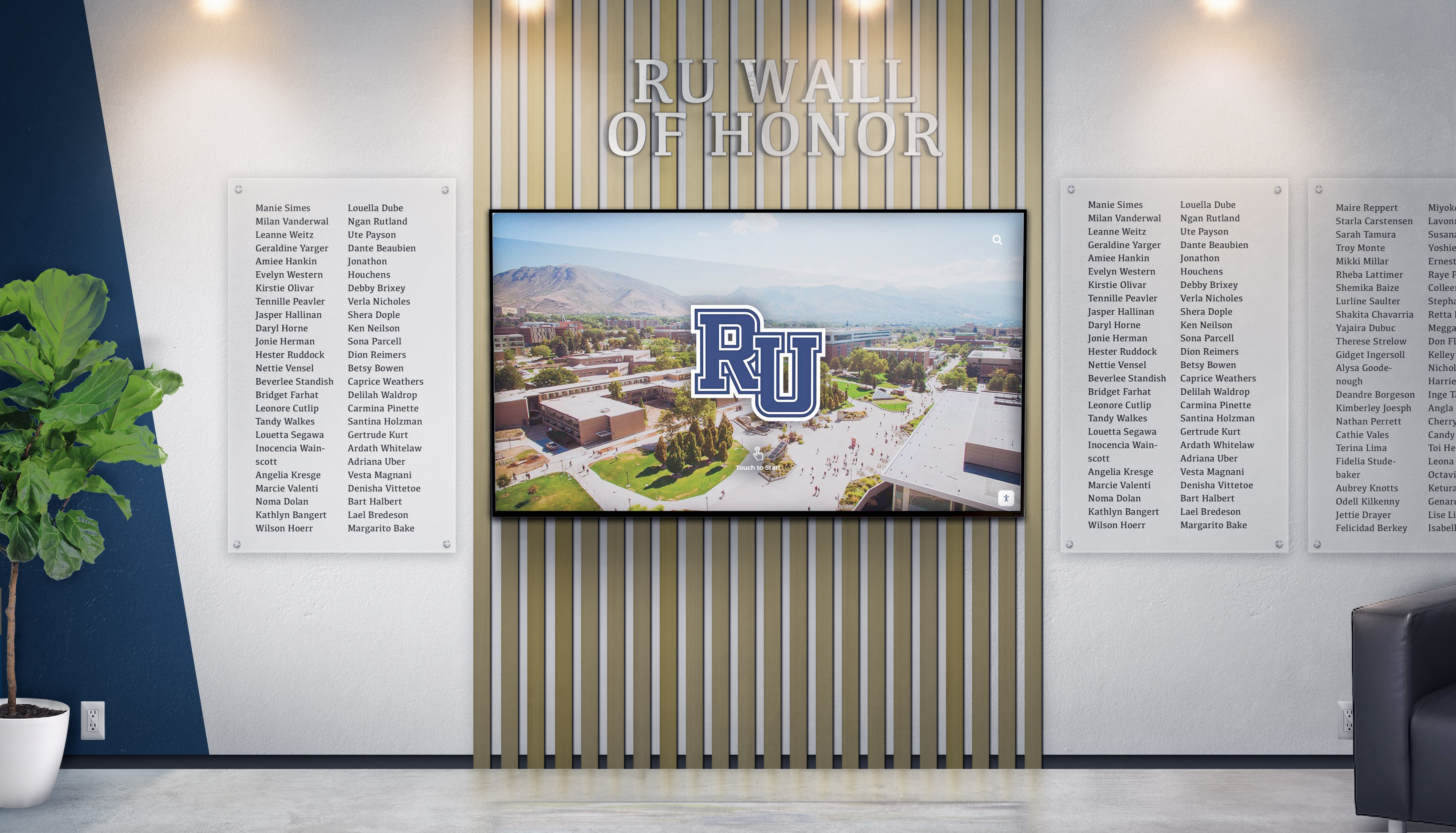
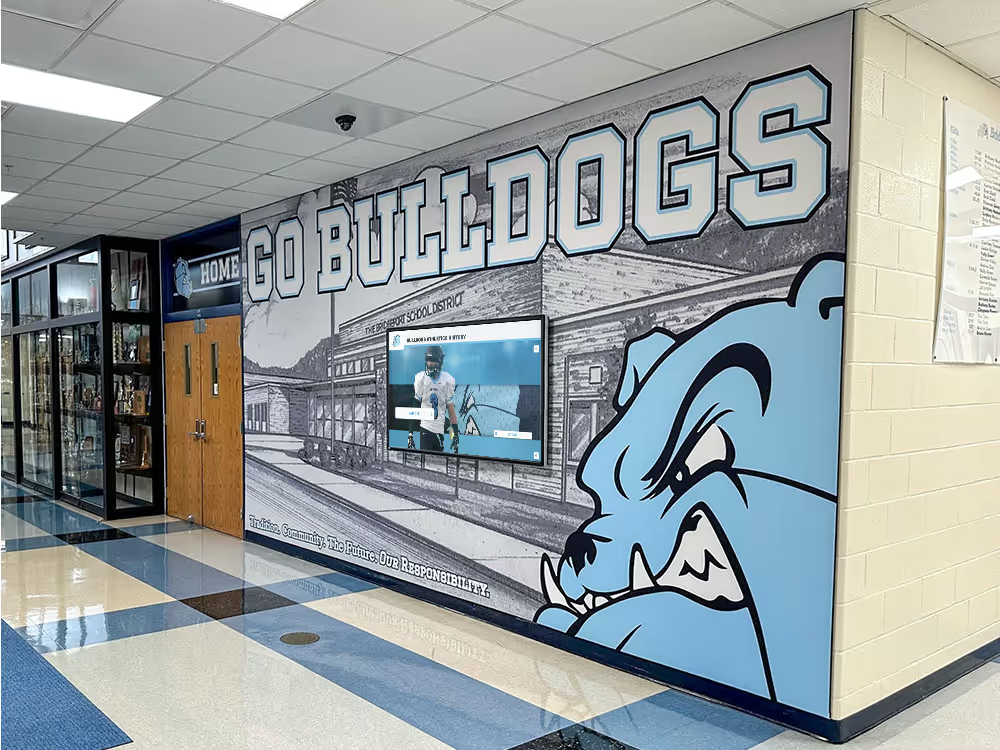
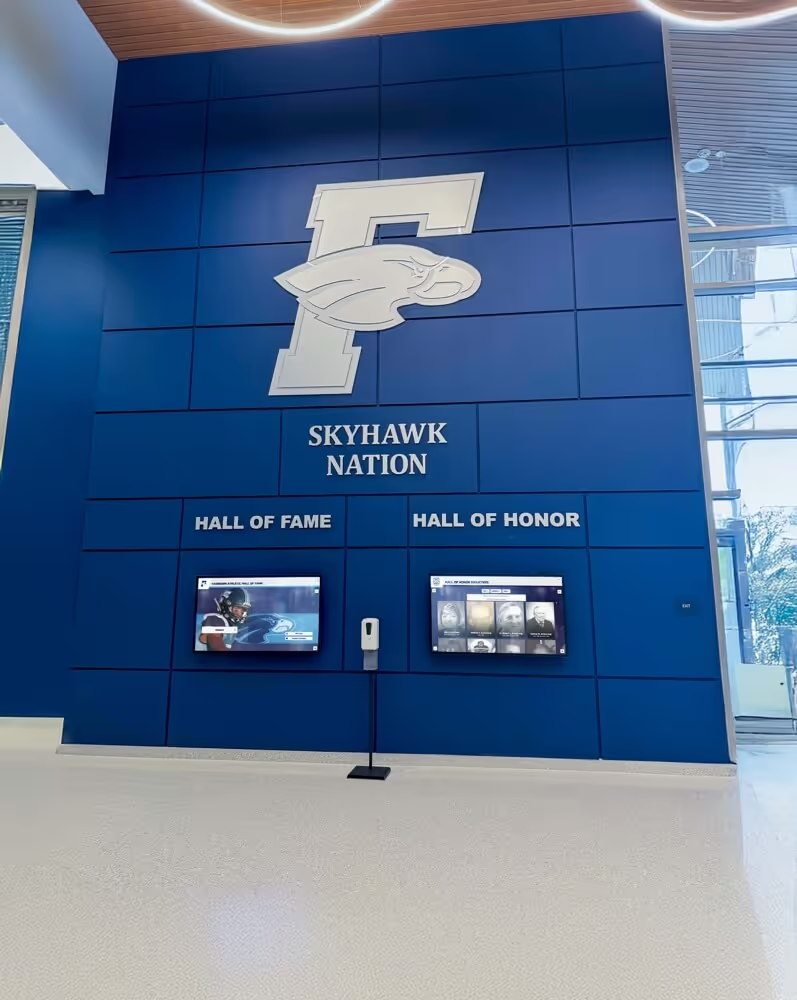
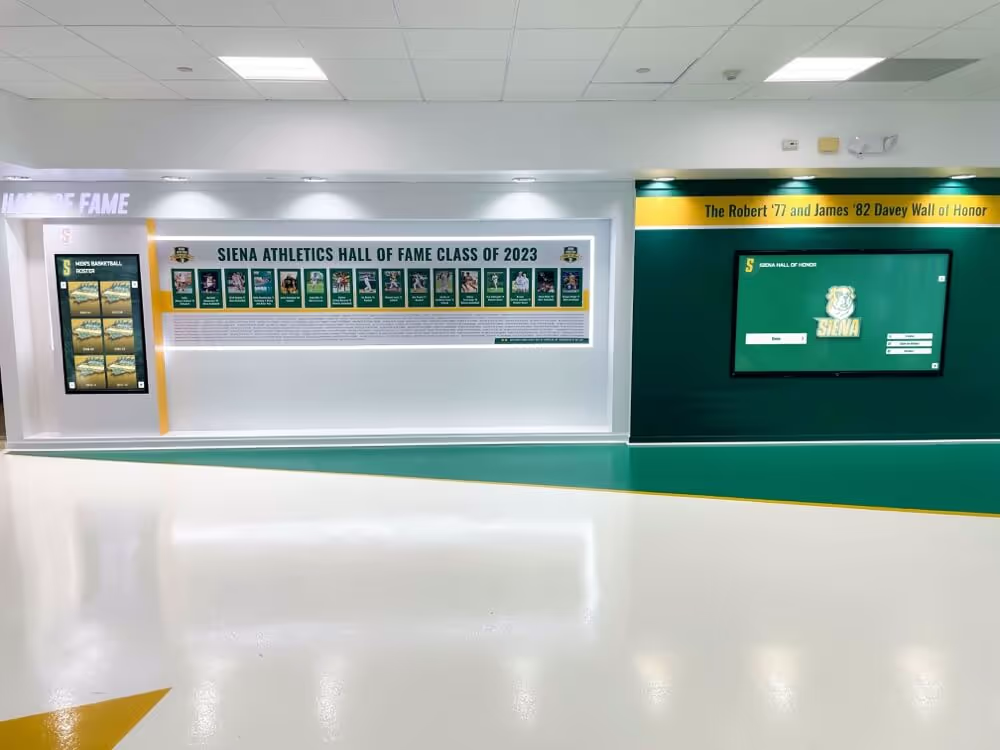
Integrated heritage installations honor tradition while making historical content discoverable and engaging for modern communities
The benefits extend far beyond preservation. Digital archives support advancement initiatives through engagement content, reunion programming, and giving campaign connections. They enhance educational programs providing primary source materials for research projects. They strengthen alumni relations creating regular engagement touchpoints and recognition opportunities. They serve broader communities preserving local history extending beyond campus boundaries.
Implementing successful digital archiving requires systematic approaches addressing collection assessment, digitization methodology, platform selection, content organization, community engagement, and sustainable management. While requiring upfront investment, long-term value proves substantial as archives serve multiple institutional priorities simultaneously while ensuring irreplaceable heritage receives permanent preservation.
The future of educational history preservation is digital. Schools beginning systematic archiving today position themselves to continuously build comprehensive collections serving generations. Those delaying risk losing irreplaceable materials while missing opportunities to leverage historical content for current community engagement.
Your institutional heritage deserves preservation honoring its significance while serving current community needs. With thoughtful planning, appropriate technology like solutions from Rocket Alumni Solutions, and commitment to comprehensive preservation, you can transform vulnerable physical archives into dynamic digital collections celebrating your past while building your future.
Ready to begin? Explore comprehensive approaches to displaying school history or learn about library touchscreen interactive displays bringing historical content into daily community experiences.
Sources: