Career day has evolved far beyond the traditional format of professionals sitting at folding tables in a gymnasium, handing out business cards while students shuffle past with glazed expressions. Modern career exploration demands engaging experiences that spark genuine interest, demonstrate real career pathways, and connect students with relatable role models who walked the same hallways just years before. Alumni represent particularly powerful career ambassadors—they understand your school’s culture, remember what it felt like to wonder about their futures, and provide tangible proof that success is achievable for graduates of your institution.
Yet despite widespread recognition that career exploration matters tremendously for student development, many schools struggle to create career day experiences that truly resonate. How do you move beyond passive presentations to interactive learning? What formats keep students genuinely engaged rather than simply checking attendance boxes? How can you leverage alumni networks to provide diverse career exposure year-round, not just during a single annual event? Which activities create lasting inspiration rather than information students forget within hours?
These challenges intensify as educators recognize that effective career exploration requires ongoing engagement, diverse representation, and formats that match how today’s students naturally learn and seek information. Single-day events, while valuable, represent just one component of comprehensive career development programs that build career awareness progressively throughout students’ educational journeys.
This comprehensive guide explores 30 creative career day ideas specifically designed to highlight alumni success stories while inspiring students to envision their own professional possibilities. You’ll discover interactive activities that transform passive observation into active exploration, digital solutions that extend career inspiration beyond single events, innovative panel formats that facilitate genuine dialogue, and modern approaches that preserve alumni career journeys in permanently accessible formats students can reference throughout their lives whenever career questions arise.

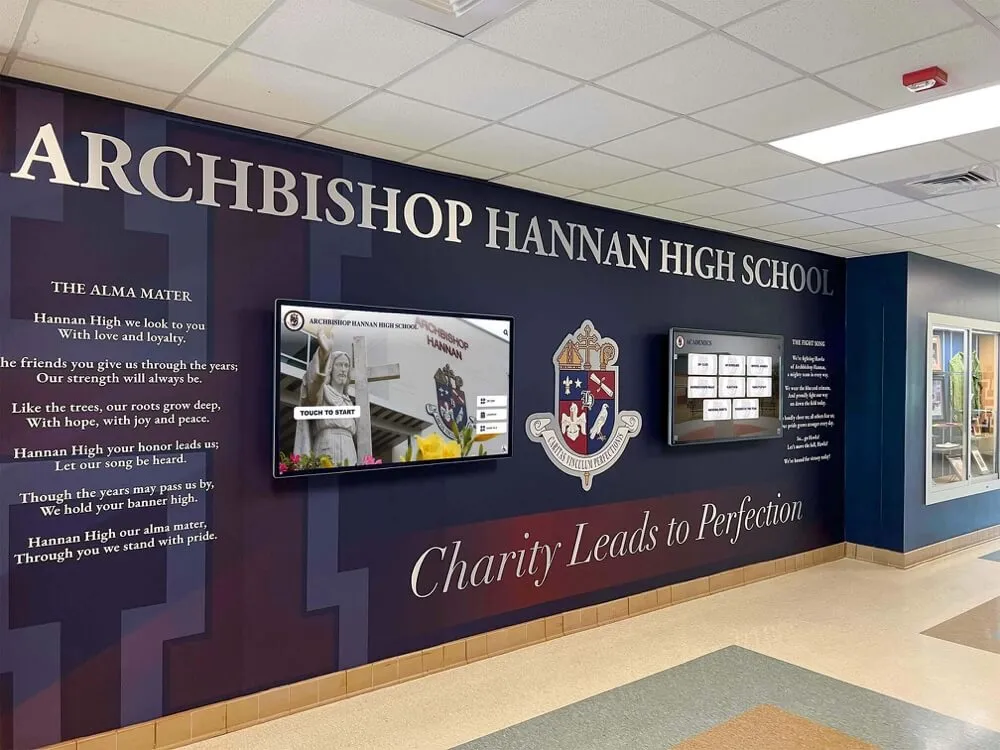
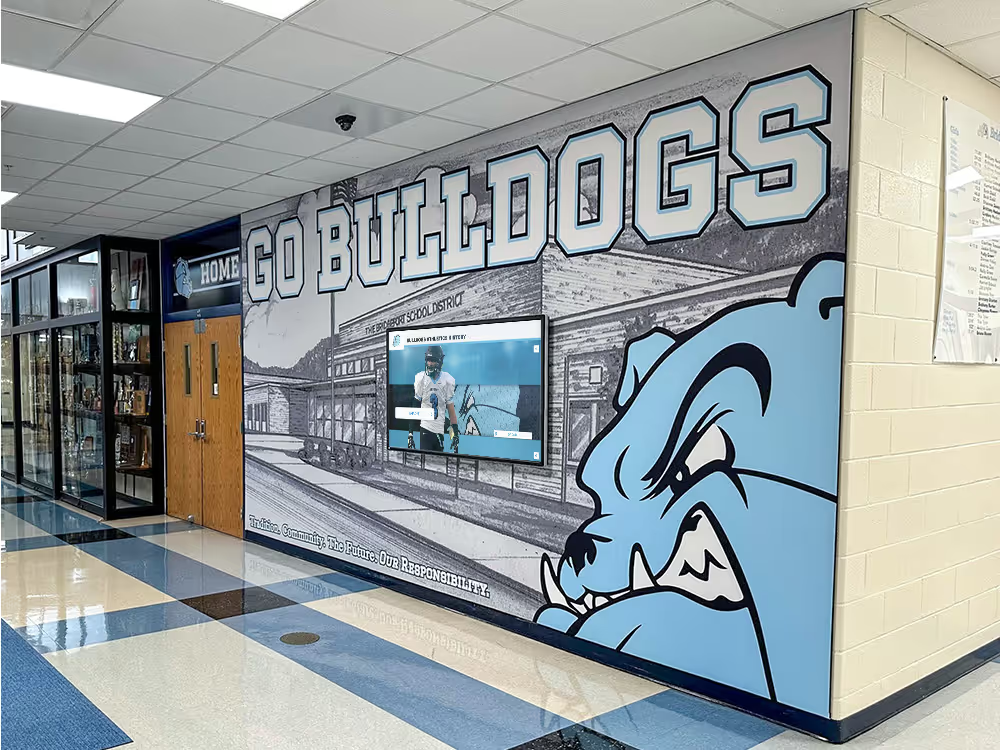
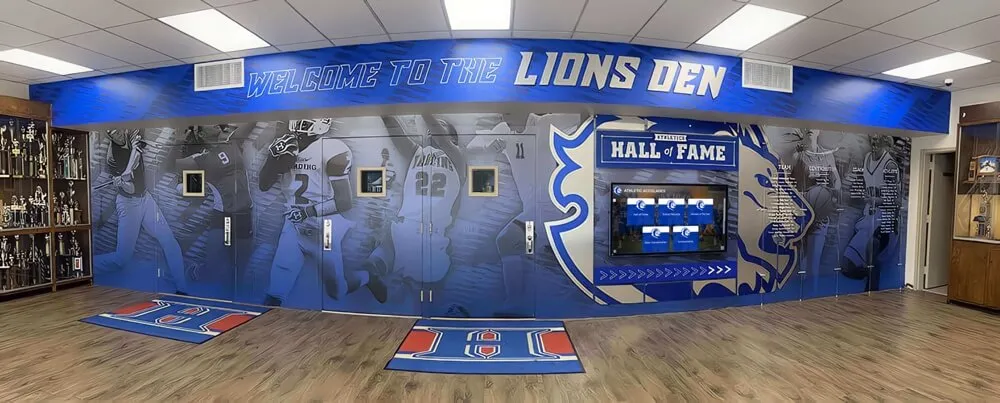
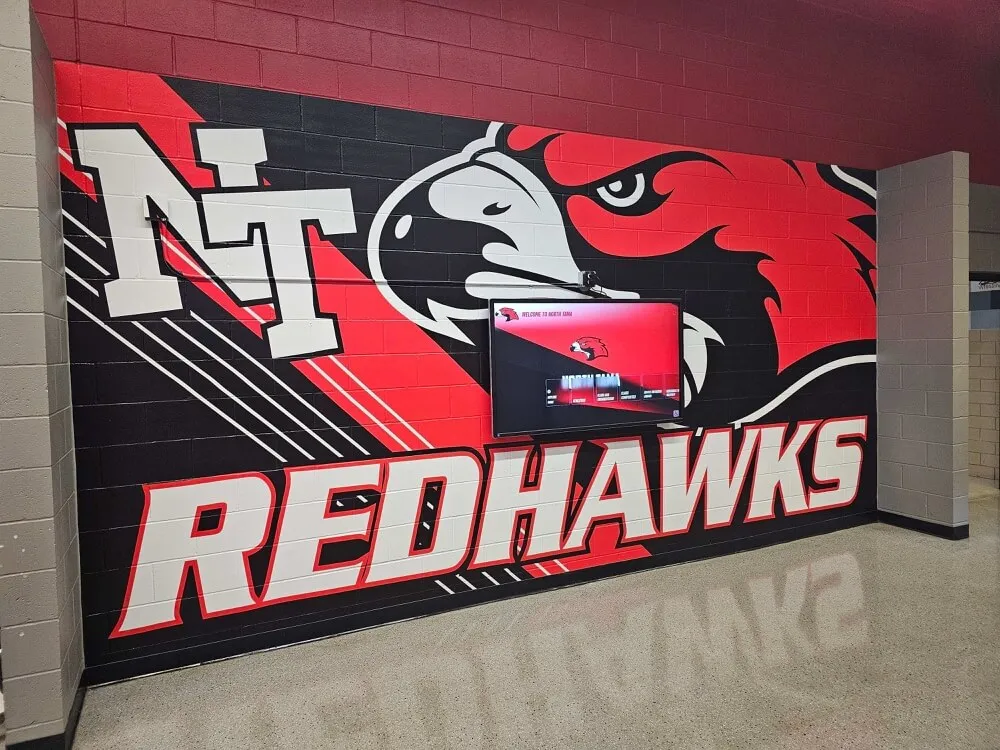
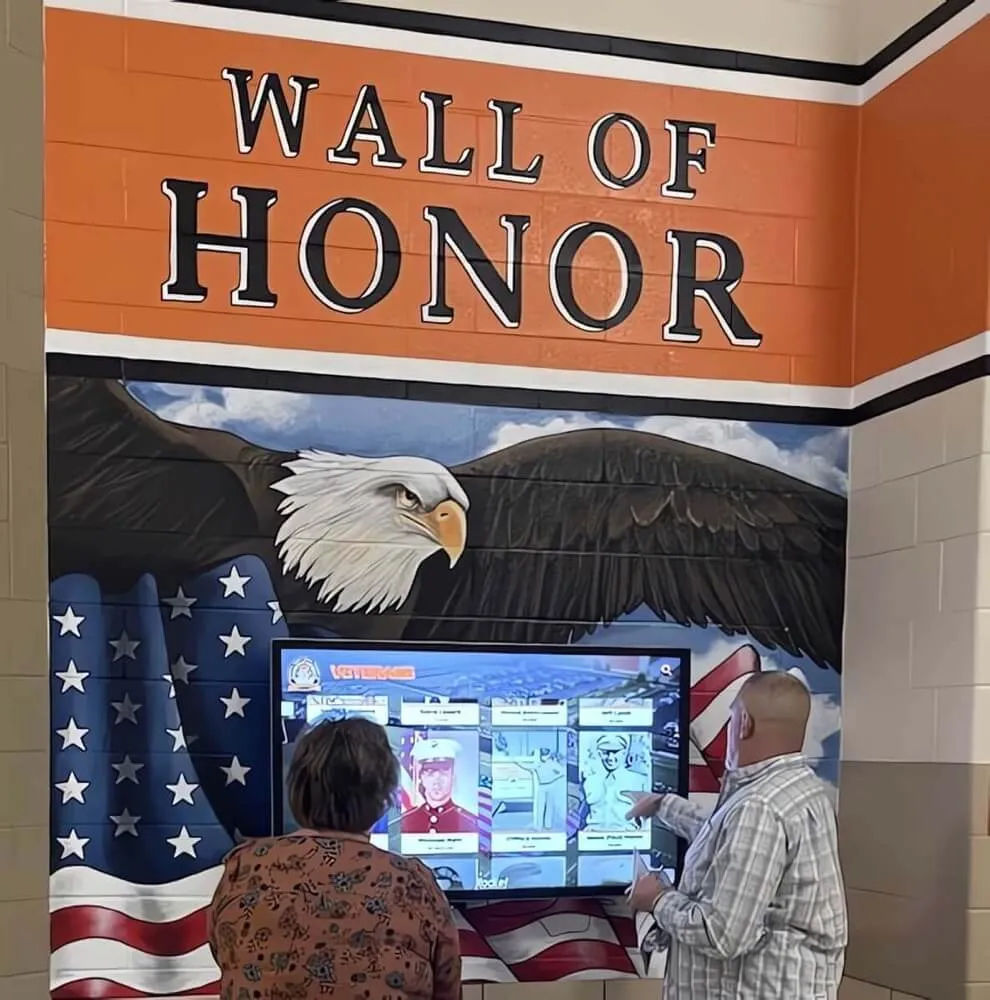
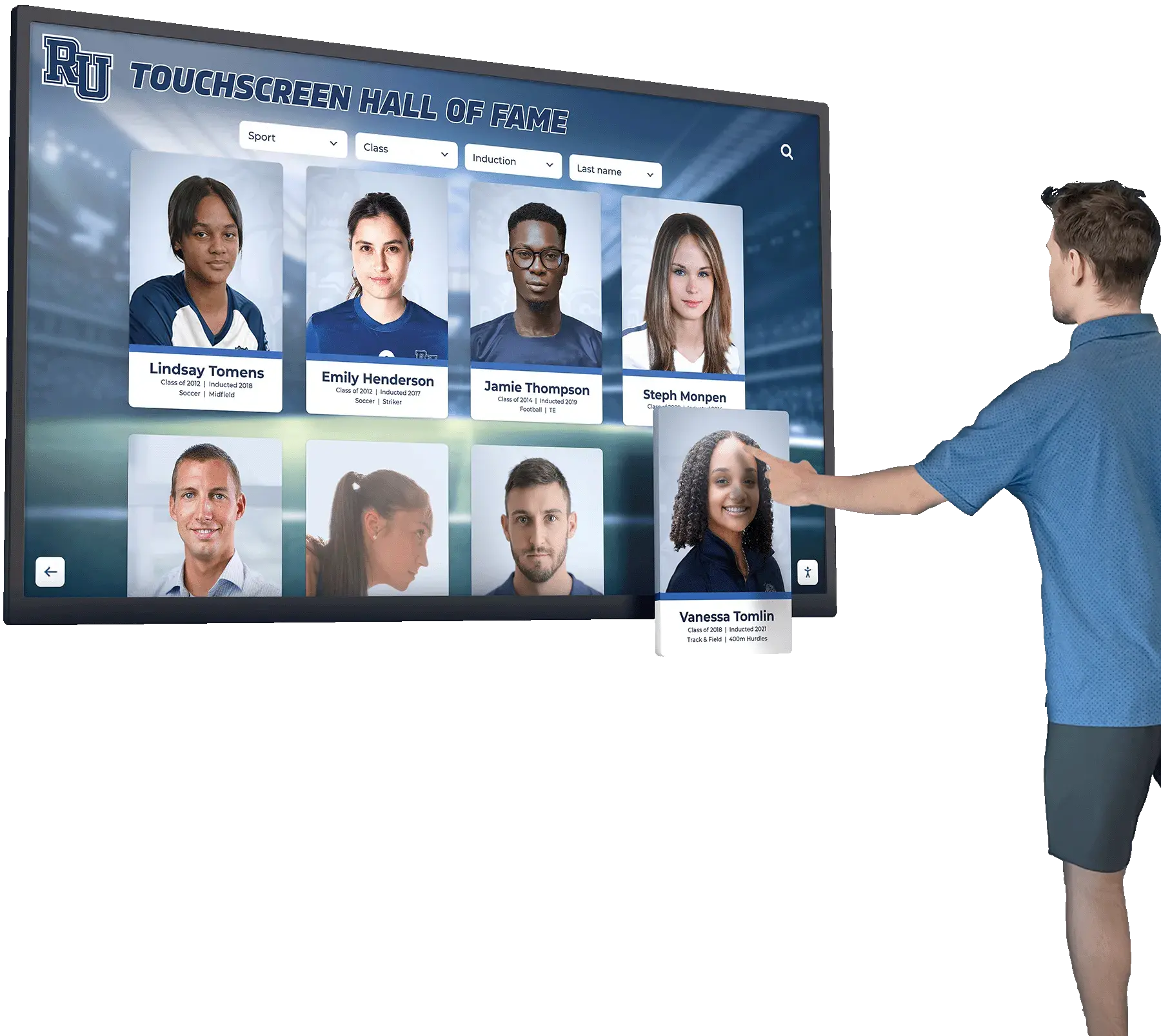
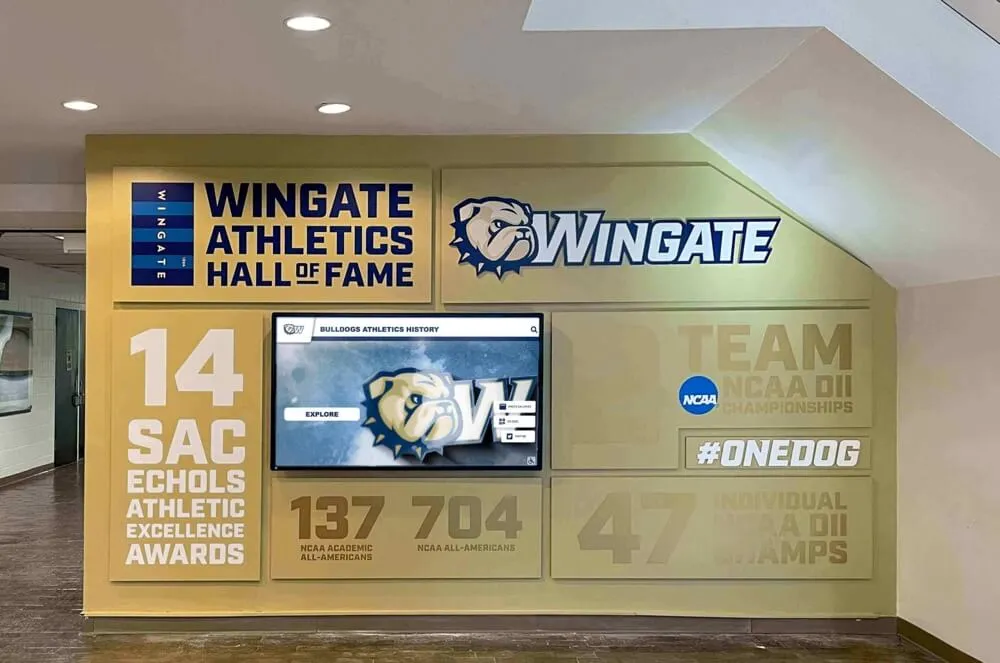
Interactive digital displays enable students to explore alumni career stories independently, creating self-directed career exploration opportunities throughout the school year
Understanding Why Alumni-Centered Career Day Matters
Before diving into specific activity ideas, understanding why alumni-focused career programming creates uniquely powerful impact helps shape how you design and execute career exploration initiatives.
The Unique Power of Alumni Career Stories
Alumni provide distinctive advantages as career day participants that external speakers, regardless of their accomplishments, cannot replicate.
Relatable Success Models
Students often view successful professionals as fundamentally different from themselves—people who always knew their career paths, attended prestigious universities, or possessed talents they lack. Alumni disrupt these limiting beliefs by providing evidence that ordinary students from your school achieve extraordinary outcomes. When a surgeon, software engineer, or nonprofit director references specific teachers, describes navigating the same cafeteria social dynamics, or admits they struggled in certain classes, students recognize that success doesn’t require being exceptional from the start—it requires growth, persistence, and strategic decision-making throughout educational journeys.
This relatability creates psychological permission for students to envision ambitious futures. If someone who sat in these same classrooms and faced similar challenges succeeded, perhaps they can too. This belief matters enormously because student aspirations significantly influence educational engagement, course selection decisions, and post-graduation outcomes.
Institutional Knowledge and Specific Guidance
Alumni understand your school’s specific programs, resources, and pathways in ways external speakers cannot. They can reference specific teachers who influenced their career directions, recommend particular courses or extracurricular activities that built relevant skills, describe how they navigated college application processes from your school specifically, and explain how they maintained connections that provided career advantages. This institutional knowledge makes their guidance immediately actionable rather than generic career advice students struggle to apply to their particular circumstances.
When an alumnus explains, “Take Mr. Rodriguez’s computer science class even though it’s hard because those programming fundamentals matter in so many careers,” or “Join the debate team because that’s where I learned presentation skills I use daily as an attorney,” students receive specific direction they can implement immediately.
Built-in Network Connections
Alumni relationships with your school create natural ongoing connection points external speakers rarely provide. Students can follow alumni on social media, reach out with questions through school-facilitated channels, request informational interviews through alumni networks, and potentially secure internship opportunities from alumni-owned businesses or alumni working at desirable companies. These ongoing relationships transform single career day interactions into longitudinal mentorship opportunities extending throughout students’ high school years and beyond.
Schools with active alumni networks effectively create career resource ecosystems where students access diverse professional guidance continuously rather than only during scheduled events.
Creating Year-Round Career Inspiration
The most impactful career exploration extends beyond single annual events into ongoing programs providing continuous career exposure.
Progressive Career Development
Effective career education builds progressively across grade levels. Elementary students need broad career awareness and exposure to diverse possibilities. Middle school students benefit from beginning to identify interests and strengths connecting to potential career clusters. High school students require detailed information about specific career pathways, educational requirements, and practical steps preparing them for career entry or post-secondary education.
Alumni can support this progression at every level—from career overviews for younger students through specialized guidance for high schoolers exploring specific fields. The key involves matching alumni interactions to appropriate developmental stages rather than treating all career programming identically regardless of student age.
Multiple Exposure Points
Single career presentations rarely create lasting impact. Students need repeated exposure to career information through varied formats before concepts truly integrate into their thinking and decision-making. Effective programs combine traditional career day presentations with alumni spotlight interviews featured on morning announcements or displays, virtual career panels enabling participation from distant alumni, alumni-led workshops teaching practical professional skills, job shadowing opportunities at alumni workplaces, and permanent digital displays students access whenever career questions arise.
This multi-touchpoint approach ensures that every student encounters career information through formats matching their learning preferences while providing sufficient repetition for concepts to genuinely influence their thinking about futures.
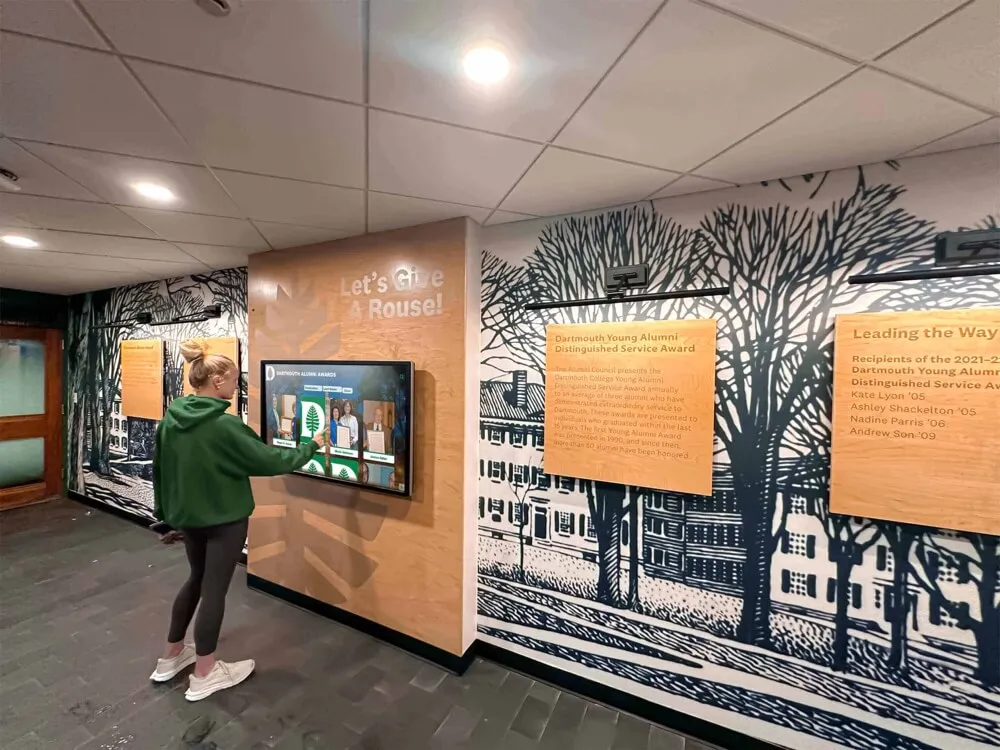
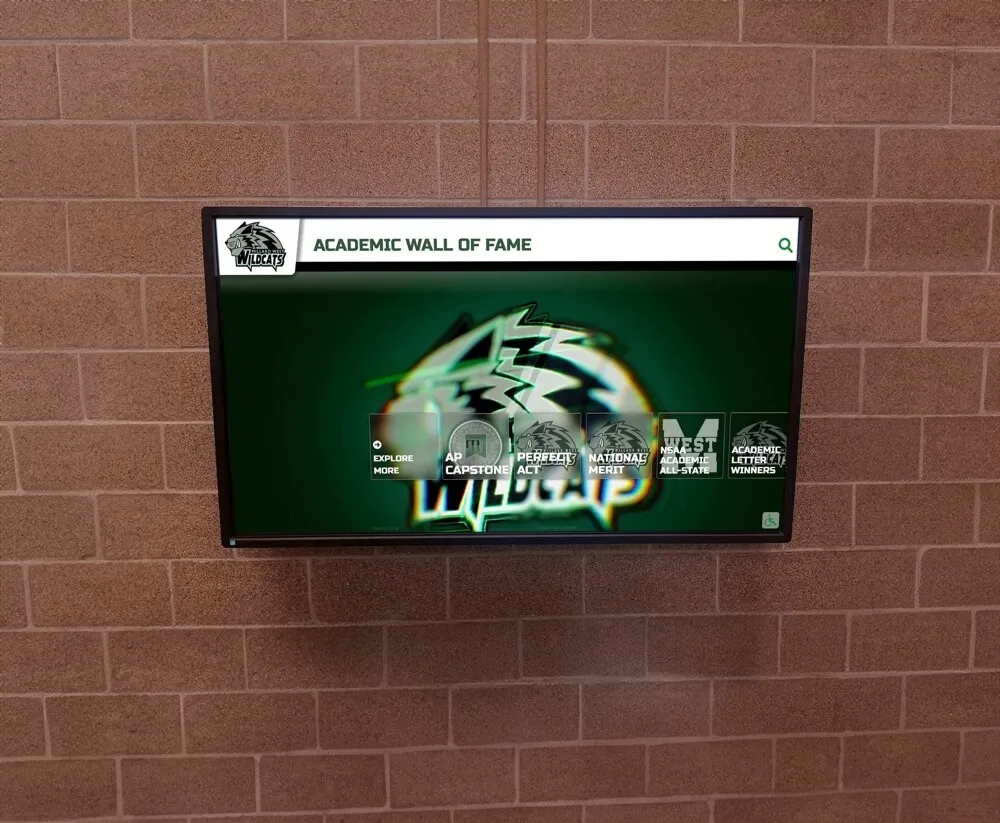
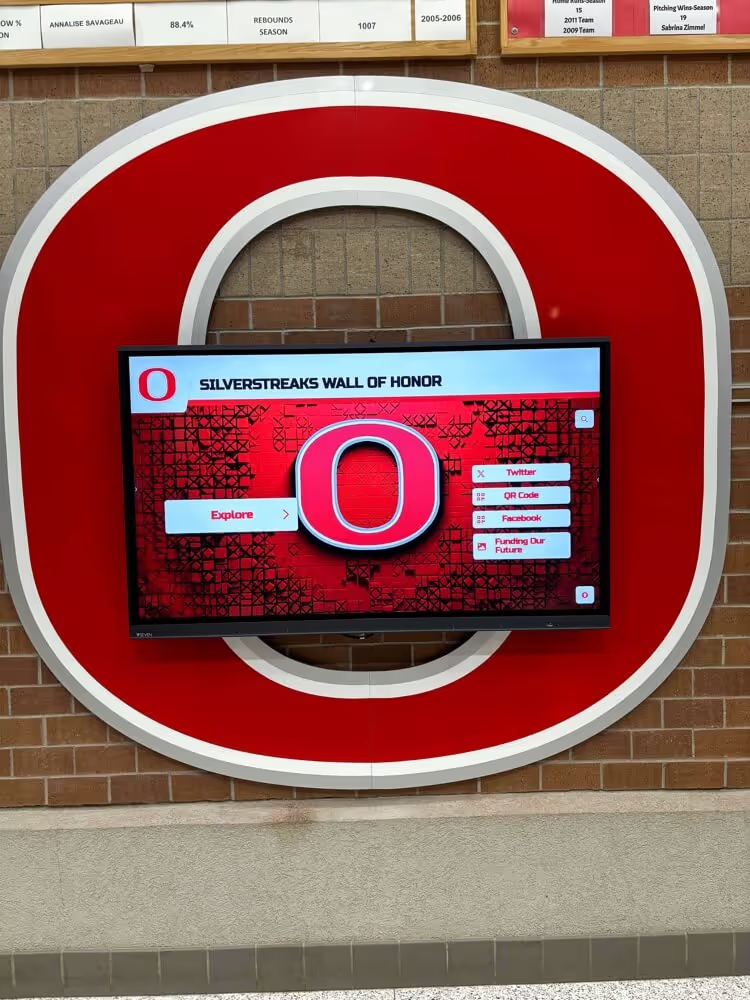
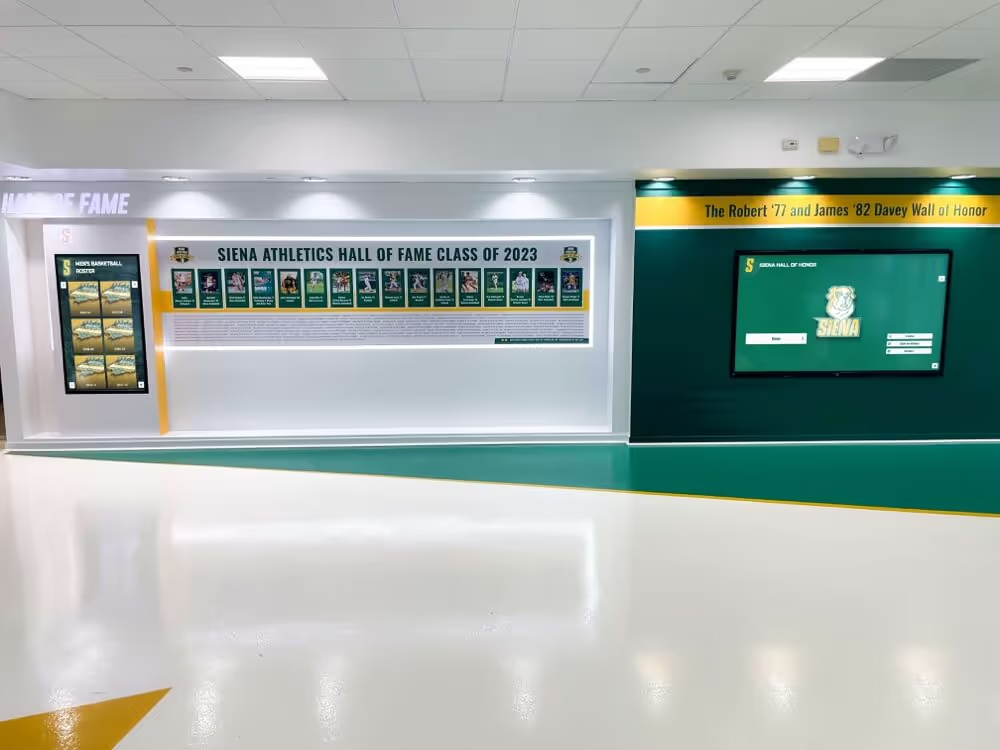
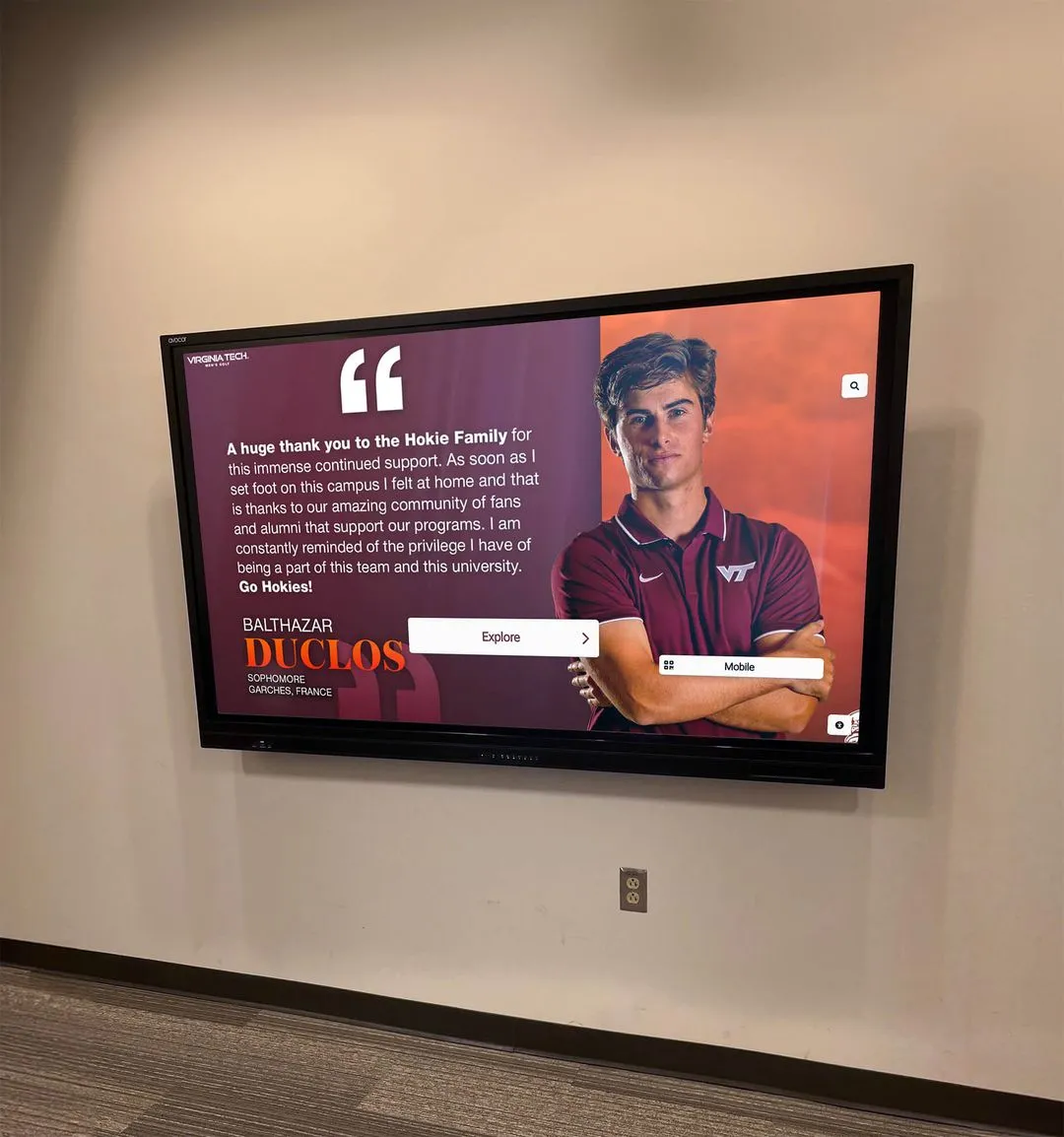
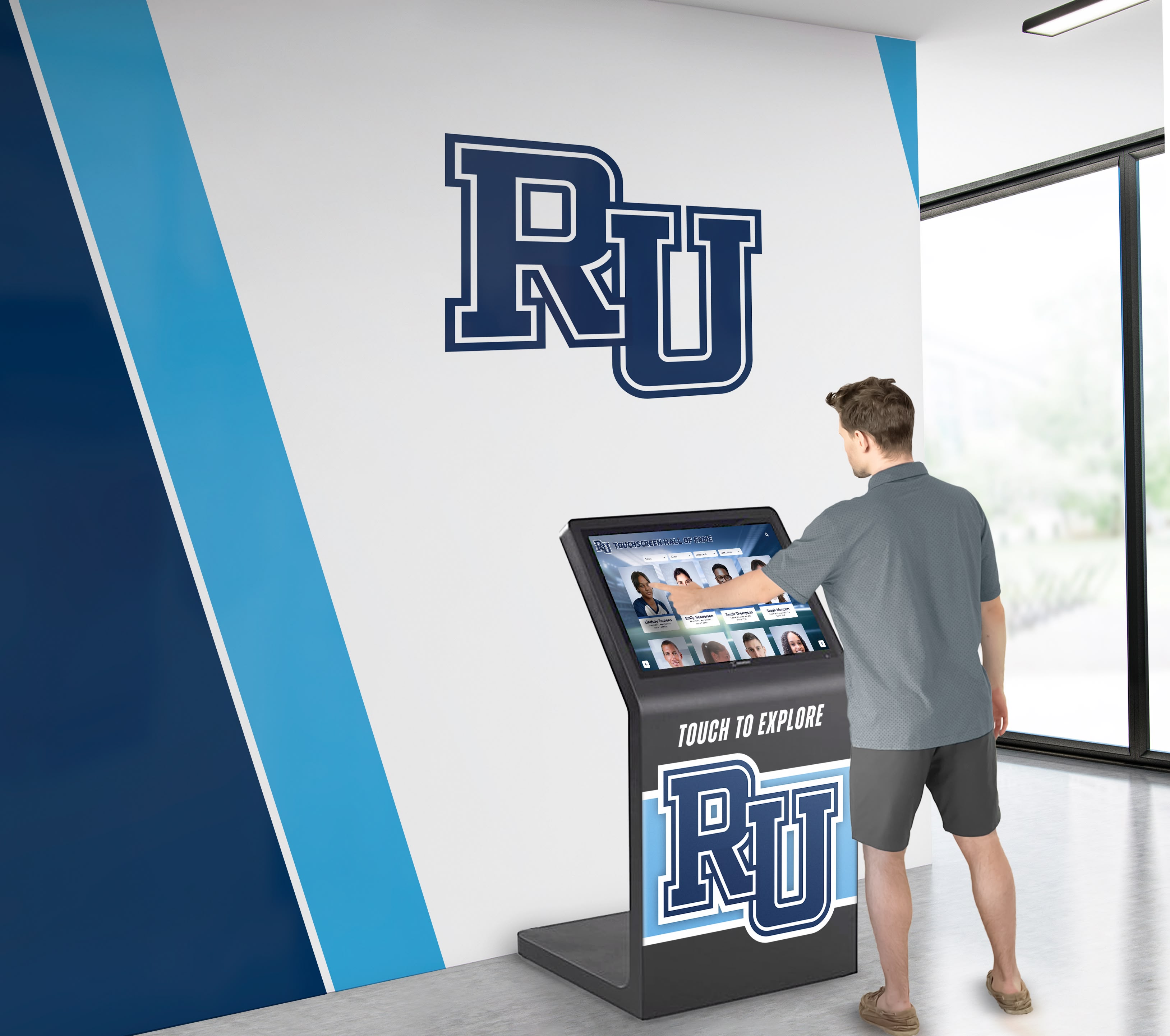
Digital recognition systems enable comprehensive alumni career documentation that students explore independently, discovering diverse [career pathways](https://halloffamewall.com/blog/alumni-spotlight-displays/?utm_source=organic&utm_medium=seo-auto&utm_content=digitalwarming&utm_campaign=career-day-ideas&utm_term=seo) year-round
Interactive Presentation and Panel Formats
Moving beyond traditional lecture-style presentations creates engagement levels passive listening cannot achieve, particularly for digital-native students accustomed to interactive content consumption.
Speed Networking Career Rotations
Idea #1: Alumni Speed Career Conversations
Structure career day using speed-networking formats where students rotate through brief conversations with multiple alumni. Set up alumni at individual stations throughout spaces, assign student groups to starting stations, then rotate groups every 10-15 minutes. This format ensures students encounter diverse career paths rather than only attending presentations matching pre-existing interests, enables quieter students to engage in small group settings rather than large assemblies, provides alumni with manageable conversation contexts rather than intimidating large group presentations, and creates natural opportunities for students to ask authentic questions.
Provide alumni with conversation starter prompts they can reference: “What surprised you most about your career?” “What do you wish you knew in high school?” “Describe a typical day in your work.” These prompts help alumni focus brief conversations on information students find most valuable while avoiding excessive time spent on background details students can learn elsewhere.
Idea #2: Career Interest Stations
Create themed stations representing career clusters (healthcare, technology, creative industries, skilled trades, public service, entrepreneurship, education) rather than individual jobs. Staff each station with 2-3 alumni representing different careers within that cluster. Students select stations matching their interests and rotate through chosen clusters during the event. This approach respects student autonomy and existing interests while still exposing them to career diversity within their areas of curiosity.
Include interactive elements at each station—videos showing work environments, tools or materials professionals use in those fields, brief hands-on activities demonstrating career-relevant skills, or digital career resources students can access later. These tangible elements create memorable experiences more effectively than conversation alone.
Panel Discussions with Authentic Dialogue
Idea #3: Alumni Career Journey Panels
Host panel discussions featuring 3-5 alumni at similar career stages (early career, mid-career, career changers) discussing their journeys. Rather than sequential presentations, facilitate conversation between panelists and with the student audience. Effective questions prompt authentic reflection: “What factors influenced your career decisions?” “How did your career path differ from what you expected in high school?” “What obstacles did you encounter and how did you navigate them?” “What do you find most meaningful about your work?”
These conversational formats reveal career realities presentations sanitized for professional contexts often omit—that career paths rarely follow straight lines, that uncertainty and wrong turns represent normal parts of professional development, and that fulfillment comes from multiple sources beyond just enjoying daily tasks.
Idea #4: Generations Panel Discussions
Create panels featuring alumni from different graduation decades (recent graduates, 10 years out, 25+ years out) discussing how careers have evolved. This format helps students understand that careers aren’t static decisions but ongoing journeys adapting to changing interests, opportunities, and circumstances. Older alumni can reflect on how their fields transformed over careers, discuss pivot points when they changed directions, share lessons learned from career mistakes and successes, and offer perspective on what matters most when evaluating career satisfaction.
Include discussion of how educational requirements, workplace cultures, and career advancement pathways have changed, helping students understand their career development occurs within rapidly evolving professional contexts requiring adaptability and continuous learning.
Idea #5: Unexpected Career Pathway Panels
Feature alumni whose careers differ significantly from their college majors or initial career plans. An English major working in data analytics, a pre-med student who became a teacher, an engineering graduate running a restaurant—these unexpected journeys demonstrate career flexibility while alleviating pressure students feel to identify “correct” educational paths early. Discussion might explore what prompted career changes, how seemingly unrelated education proves valuable in unexpected careers, transferable skills connecting diverse experiences, and how they discovered new career interests.
This panel type particularly benefits students feeling pressured to commit to specific career paths before they’re developmentally ready or students interested in fields their academic strengths don’t obviously match.
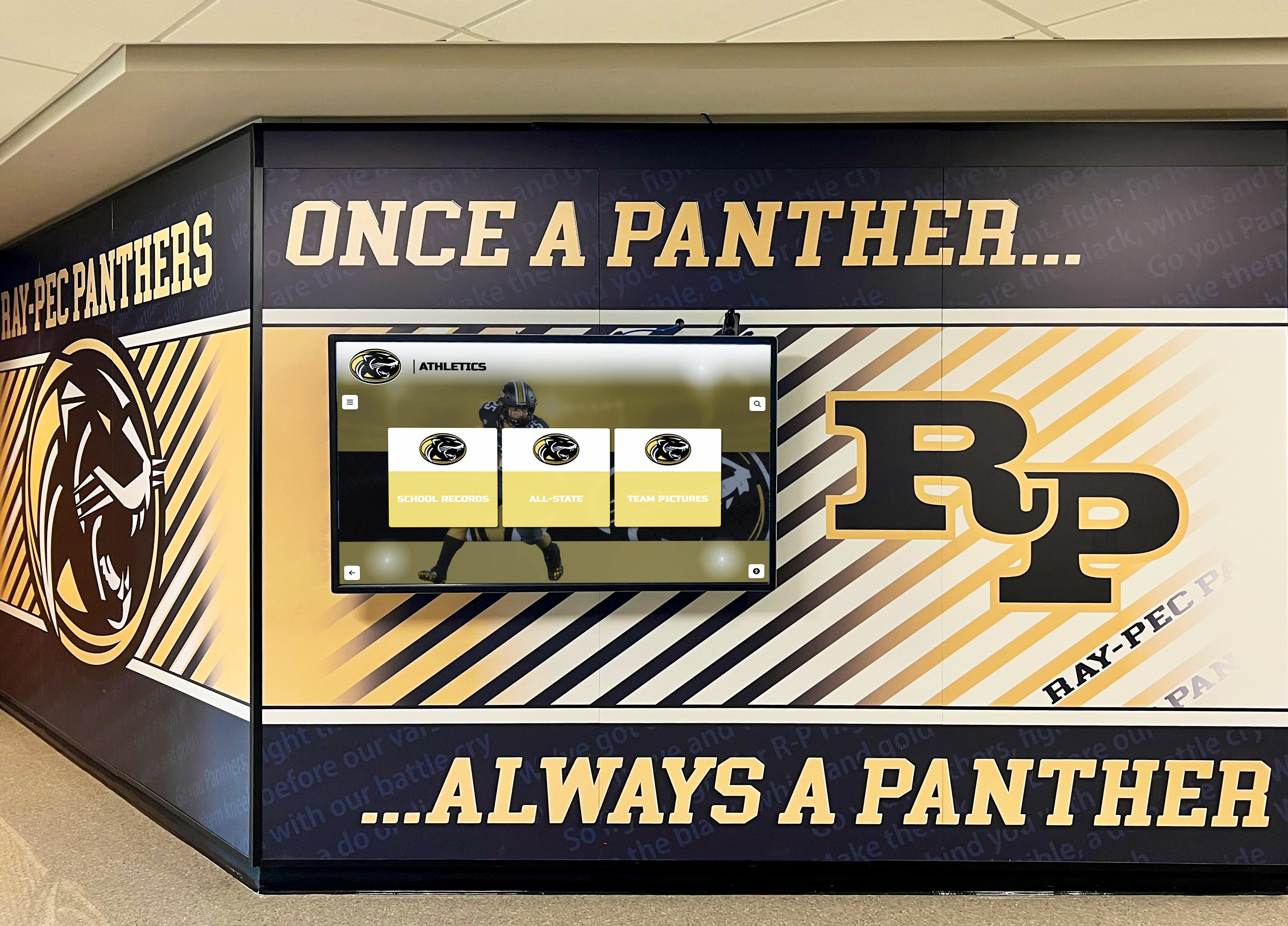
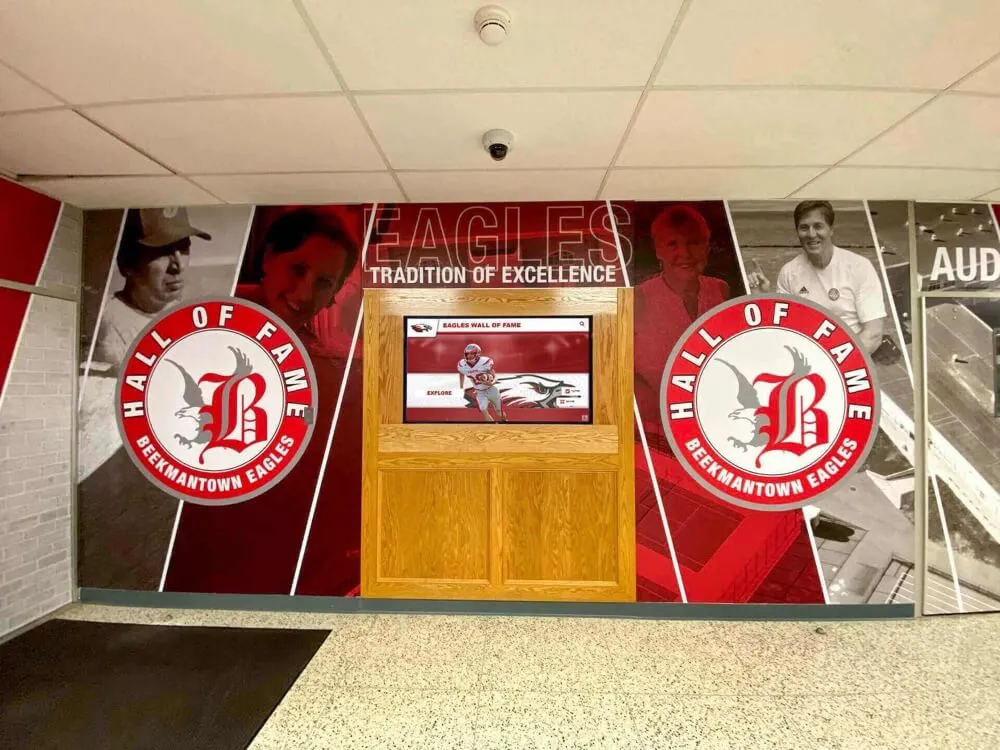
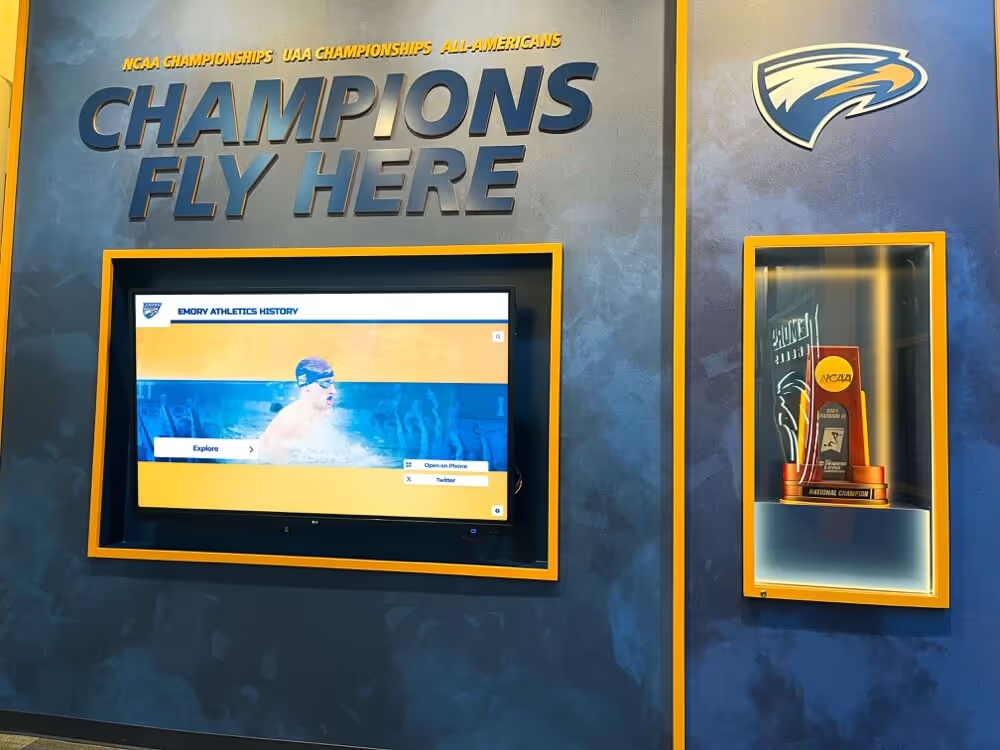
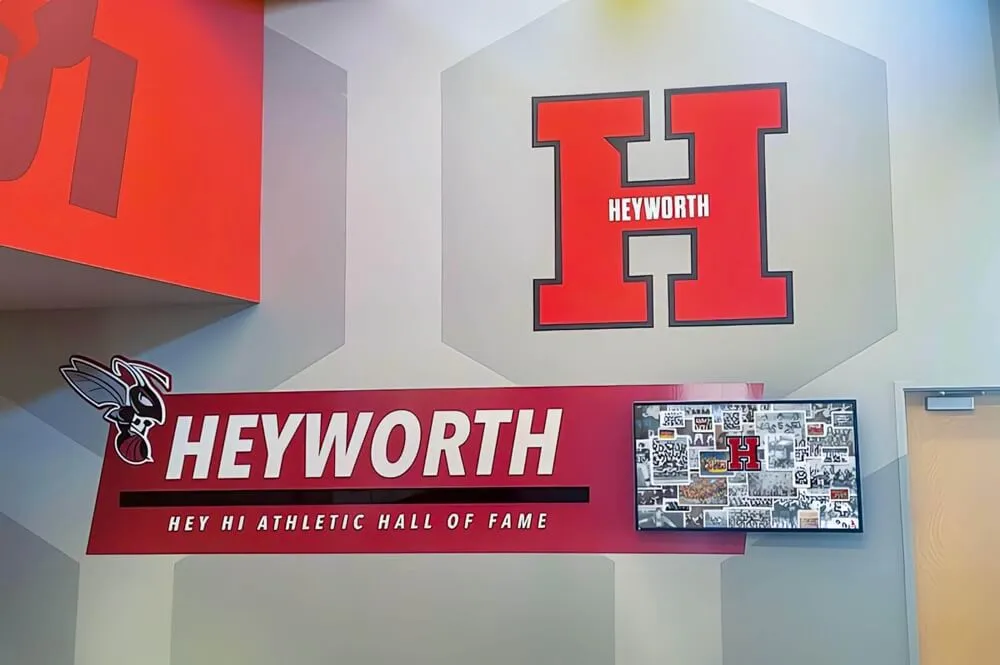
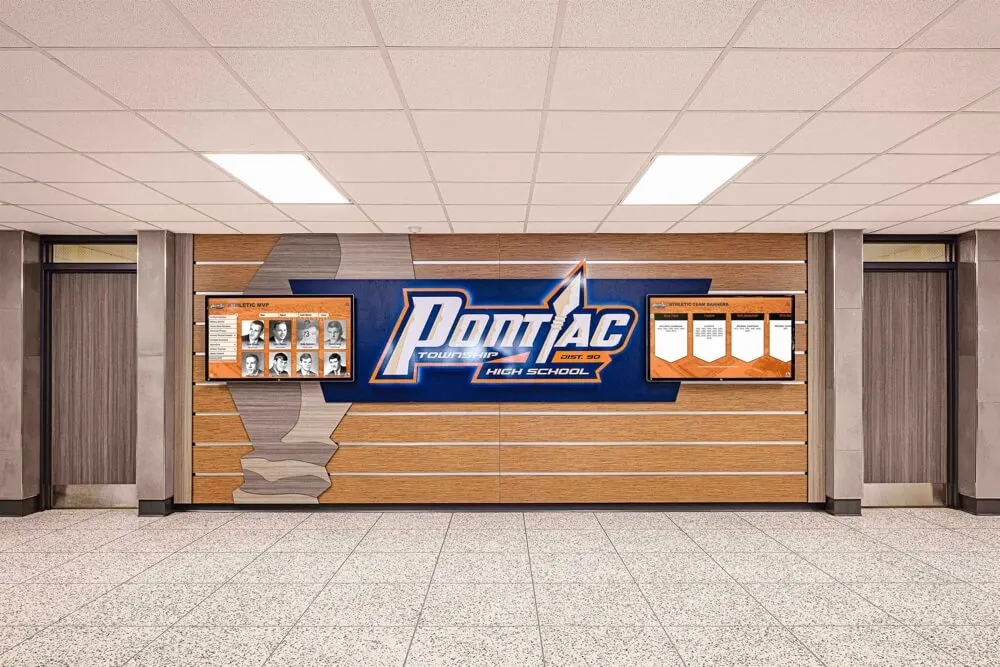
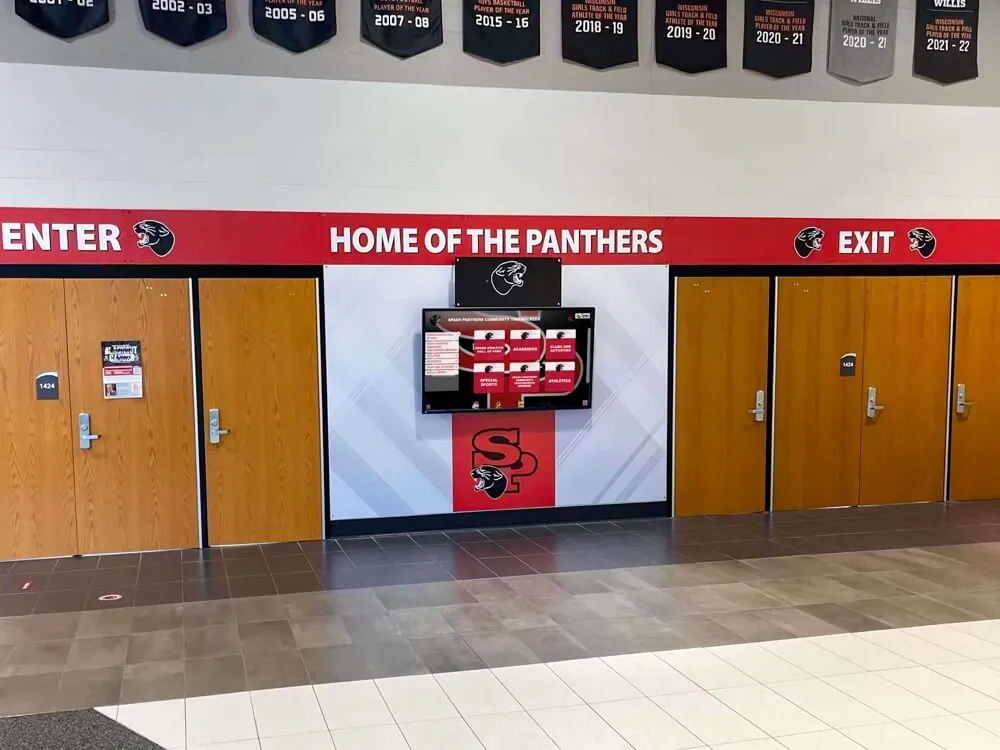
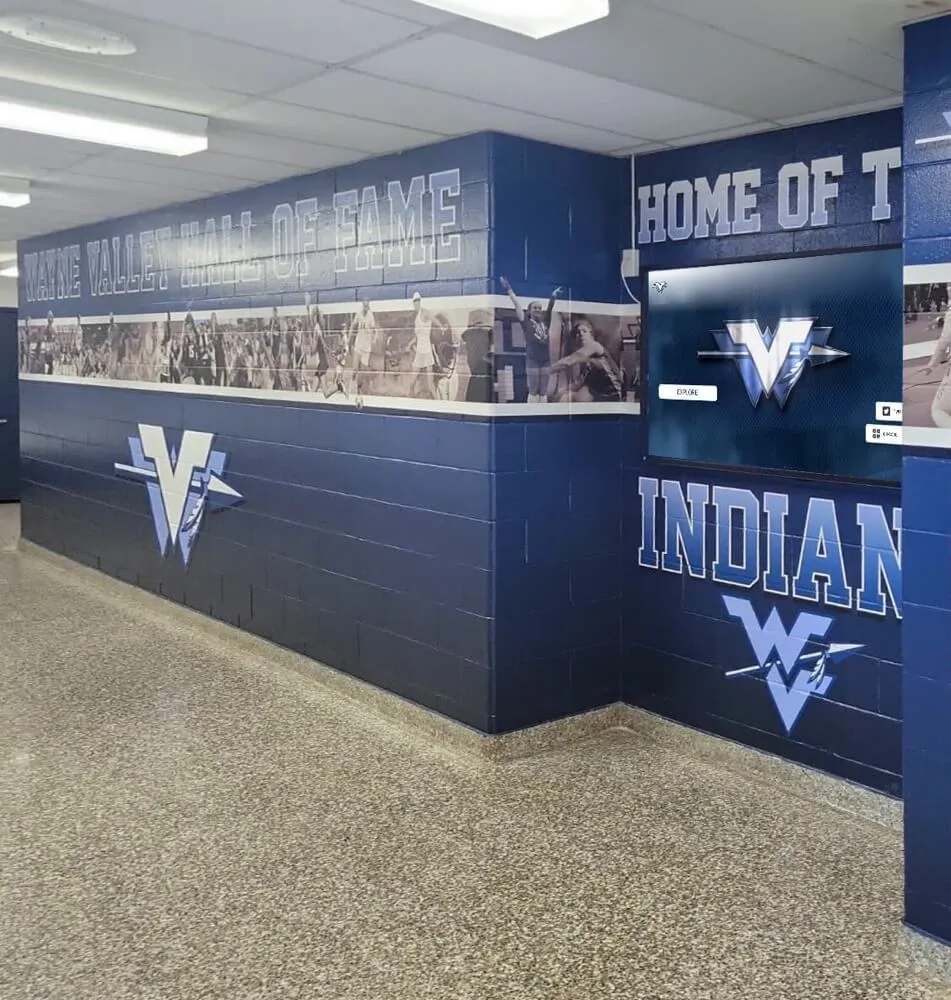
Strategic hallway installations enable continuous [alumni engagement](https://digitalyearbook.org/blog/alumni-engagement-ideas-building-lasting-connections/?utm_source=organic&utm_medium=seo-auto&utm_content=digitalwarming&utm_campaign=career-day-ideas&utm_term=seo) and career inspiration beyond scheduled events
Small Group Breakout Sessions
Idea #6: Career Deep-Dive Workshops
After initial presentations or panels introducing diverse careers, organize breakout sessions where students self-select into smaller workshops led by individual alumni. These hour-long deep-dives allow exploration beyond surface-level introductions—alumni can describe detailed daily responsibilities, discuss specific educational pathways and credentialing requirements, explain industry trends shaping career opportunities, demonstrate work examples or portfolio pieces, and facilitate hands-on activities giving students taste of what that work involves.
These workshops work particularly well for high school students who’ve begun narrowing career interests and need detailed information helping them evaluate whether specific paths truly align with their strengths, values, and lifestyle preferences.
Idea #7: Alumni Office Hours
Rather than single career day events, establish recurring “alumni office hours” where individual alumni (virtual or in-person) hold drop-in sessions students can attend with specific questions. Advertise upcoming office hours through morning announcements, newsletters, or digital signage: “Next Thursday, Dr. Sarah Chen ‘09, physician assistant, will hold virtual office hours 3:00-4:00 for students interested in healthcare careers.”
This format provides ongoing career access throughout the year while requiring minimal coordination since sessions involve single alumni rather than coordinating multiple participants simultaneously. Students get highly personalized guidance addressing their specific questions and circumstances.
Hands-On and Experiential Activities
Moving beyond talk-based formats into experiential activities creates deeper learning and more memorable career exploration experiences.
Skill Demonstrations and Try-It Activities
Idea #8: A Day in the Life Simulations
Create stations where students experience abbreviated versions of typical workday tasks across different careers. An architect alumnus guides students through rapid sketching exercises. A software developer demonstrates basic coding solving a simple problem. A physical therapist teaches proper body mechanics and demonstrates therapeutic techniques. A journalist coaches students writing news leads from provided facts. A financial advisor walks students through basic budgeting scenarios.
These hands-on experiences help students understand whether career realities match their imaginative assumptions about what specific work entails. Many students discover interests in careers they’d never considered or realize that careers they thought they’d enjoy actually don’t align with their working preferences.
Idea #9: Career Challenge Scenarios
Present students with authentic scenarios professionals encounter, then have alumni guide them through problem-solving processes. Engineering alumni might present design challenges with resource constraints. Business alumni could present case studies requiring strategic decisions. Healthcare alumni might describe patient scenarios requiring diagnostic thinking. Legal alumni could present ethical dilemmas requiring principled reasoning.
Working through these scenarios with alumni guidance demonstrates professional thinking processes while revealing whether students find particular types of problems engaging or frustrating—important self-knowledge guiding career exploration.
Idea #10: Portfolio and Work Sample Showcases
Invite alumni to bring work samples, portfolios, or projects demonstrating their professional output. Graphic designers share design portfolios. Engineers display models or schematics. Writers bring published articles or books. Scientists present research posters. Architects showcase building plans and photographs of completed projects. Entrepreneurs demonstrate products they’ve developed.
These tangible outputs make abstract careers concrete while helping students understand how school-based skills like writing, design, mathematical thinking, or scientific inquiry translate into professional applications. Seeing actual professional work proves more impactful than descriptions alone.
Technology-Enhanced Experiences
Idea #11: Virtual Reality Career Exploration
For schools with VR capabilities, partner with alumni to create 360-degree videos or VR experiences showing their workplaces and typical activities. Students virtually visit a courtroom with an attorney alumnus, tour a hospital emergency department with a nurse alumnus, explore a manufacturing facility with an engineer alumnus, or experience a film set with an alumnus working in media production.
Virtual experiences enable career exploration impossible through traditional career day formats—visiting geographically distant workplaces, accessing restricted facilities, or experiencing dangerous environments safely. Students gain authentic workplace exposure without logistical complexities of organizing multiple field trips.
Idea #12: Interactive Career Wall Displays
Install permanent interactive touchscreen displays in school lobbies, career centers, or cafeterias featuring comprehensive alumni career profiles. These digital systems enable students to browse alumni by career field, graduation year, or current location; watch video interviews where alumni discuss their journeys; read detailed career path descriptions and advice; and access contact information for alumni open to student questions.
Unlike single-day events, these permanent installations provide career inspiration 365 days per year whenever students face career questions or simply need encouragement that their futures hold exciting possibilities. Solutions like digital alumni recognition systems create continuously accessible career resources that traditional career day formats cannot match.
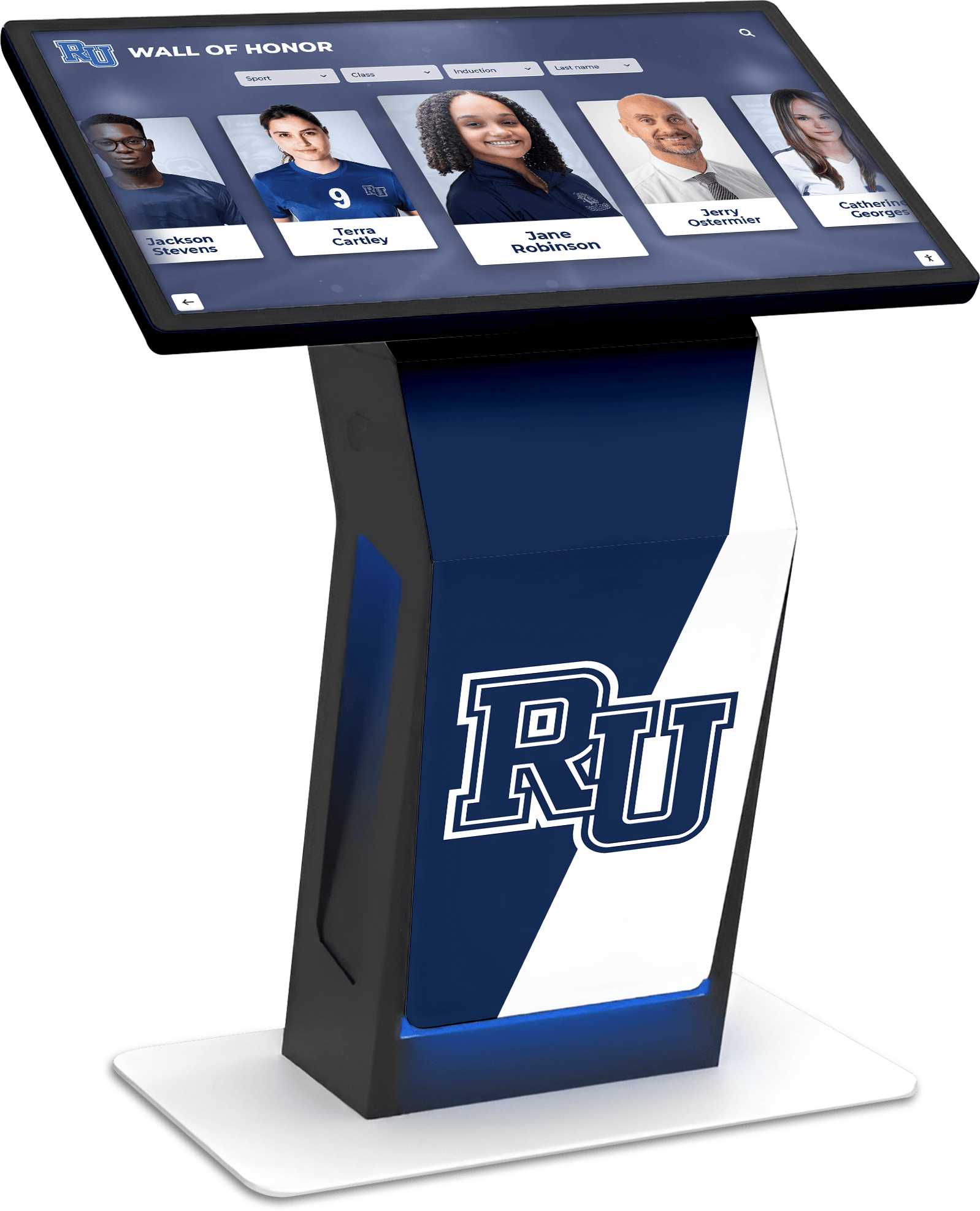
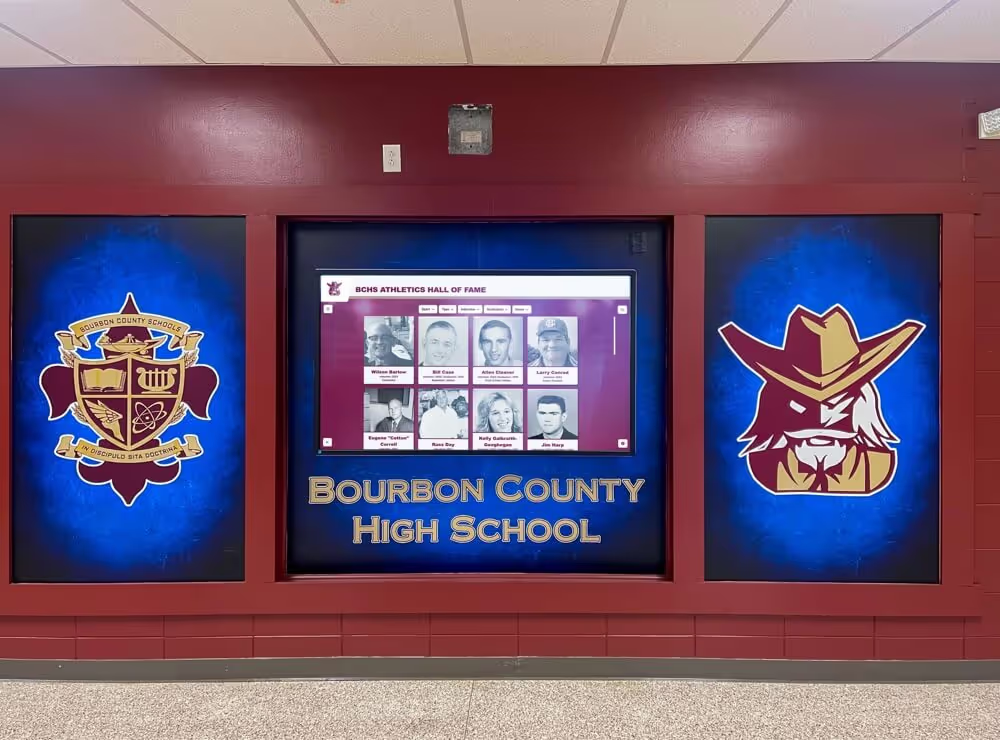
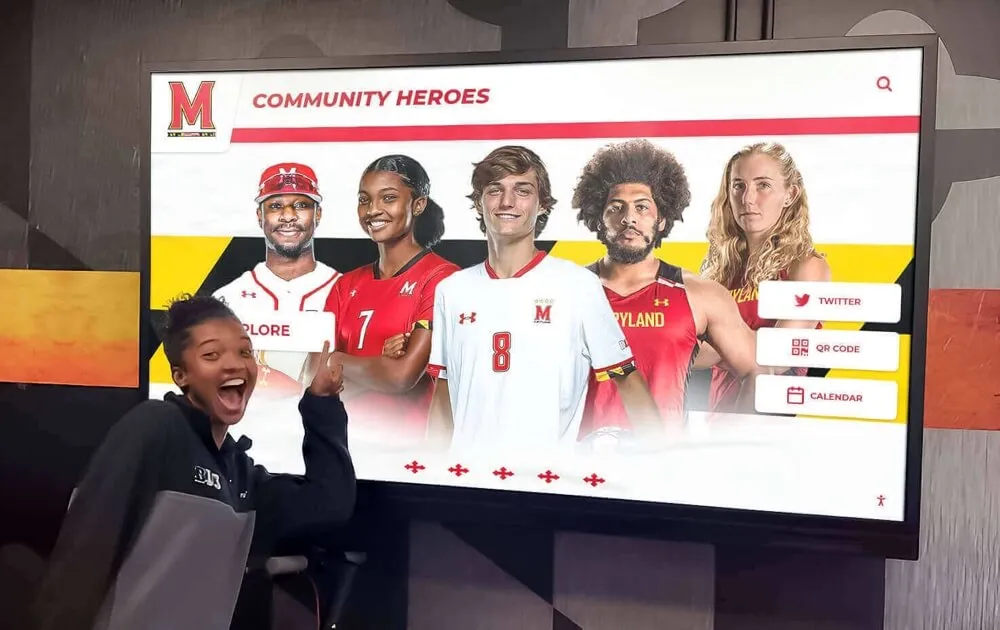
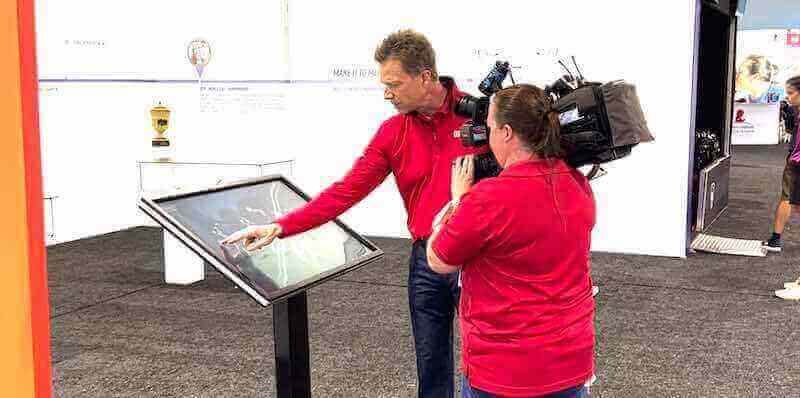
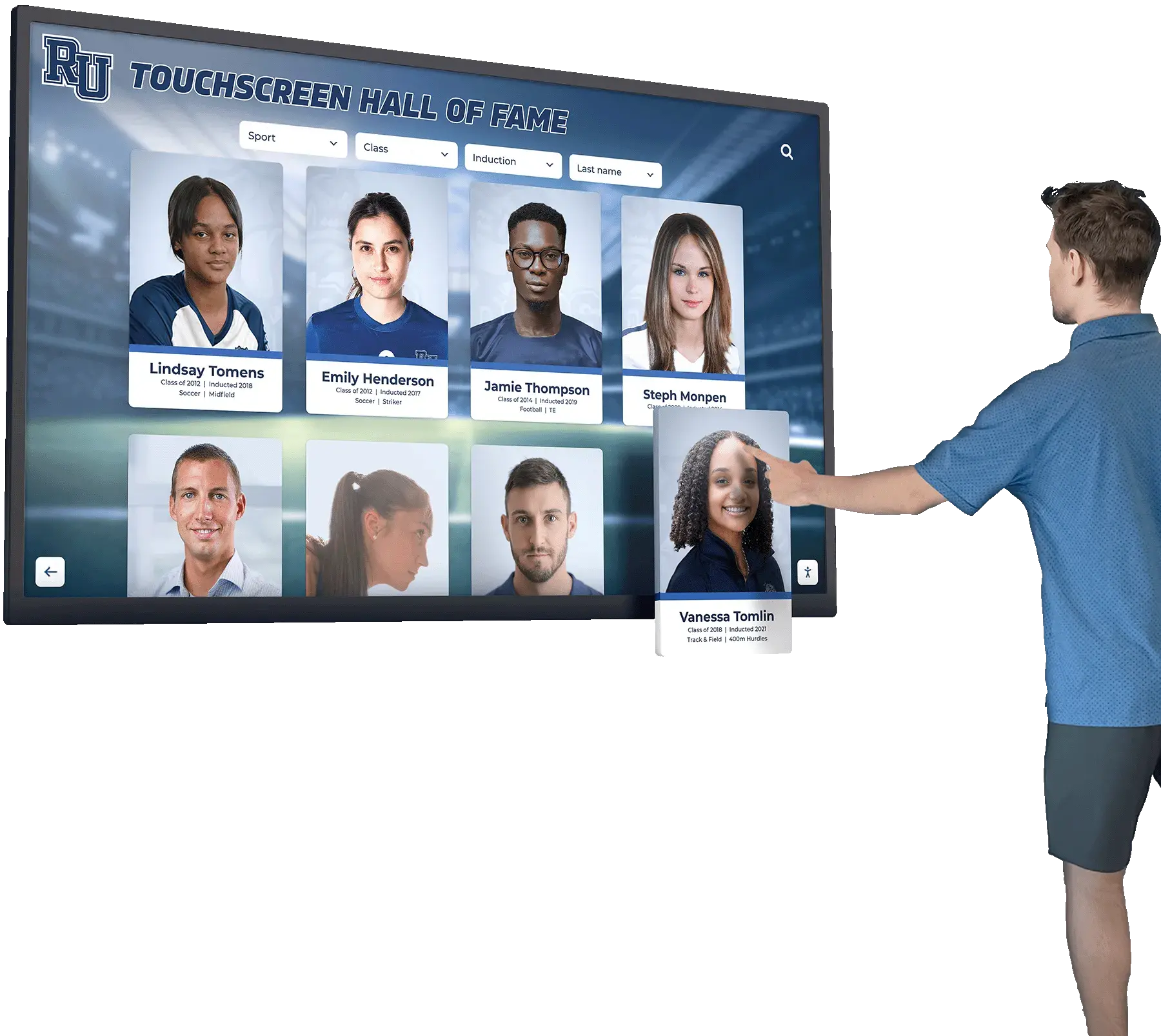
Comprehensive interactive systems enable students to explore hundreds of alumni career stories independently, discovering inspiration through self-directed exploration
Idea #13: Live-Streamed Workplace Tours
For alumni unable to attend in-person, arrange live-streamed virtual tours of their workplaces. Using smartphones or tablets, alumni can broadcast from their offices, laboratories, construction sites, kitchens, studios, or other work environments, showing students authentic workplace contexts while answering questions in real-time. This format provides workplace exposure while accommodating alumni schedules that don’t permit full-day career day attendance.
Virtual participation dramatically expands the diversity of careers you can showcase since you’re not limited to alumni living locally or able to take full days off work to participate.
Idea #14: Alumni-Created Career Videos
Develop a library of short videos (3-5 minutes) where alumni describe their careers, show their workplaces, explain educational pathways they followed, and share advice for students interested in similar fields. Make these videos accessible through your school website, career center resources, and digital displays throughout facilities.
Video libraries provide scalable career exposure—once created, videos serve unlimited students across multiple years with no ongoing alumni time requirements beyond initial recording. Students can watch videos independently at their own pace, revisiting content when career questions arise throughout their educational journeys.
Alumni-Student Connection Programs
Creating ongoing relationships between alumni and students extends career day impact far beyond single events into sustained mentorship and guidance.
Mentorship and Shadowing Opportunities
Idea #15: Alumni Job Shadowing Program
Establish formalized job shadowing where interested students spend a day observing alumni in their workplaces. This immersive experience provides authentic career exposure impossible to replicate during school-based events—students see complete workdays including routine tasks, meetings, client interactions, workplace cultures, and unspoken professional norms. They also observe how professionals spend “downtime” between major responsibilities and how they manage competing priorities.
Structure programs carefully with clear expectations, liability considerations addressed through proper permissions and waivers, student preparation ensuring they understand professional workplace expectations, and follow-up reflections where students process what they observed and how it influenced their career thinking.
Idea #16: Alumni Career Mentorship Matching
Create formal mentorship programs pairing students with alumni professionals working in fields matching student interests. Mentorships might involve quarterly meetings (virtual or in-person), email correspondence where students can ask career questions, guidance on course selection or extracurricular activities building career-relevant skills, college application support from alumni who attended target schools or work in desired fields, and potentially internship or job shadowing opportunities.
Successful mentorship programs require clear structures defining expectations for both mentors and mentees, training for alumni unfamiliar with mentoring, and program coordination ensuring relationships remain active rather than fading after initial enthusiasm wanes.
Idea #17: Alumni-Led Student Clubs or Project Groups
Engage alumni as advisors for career-focused student clubs or project teams. An alumnus working in environmental science might advise a school sustainability club. Alumni entrepreneurs could mentor a student business incubator program. Alumni working in media could advise student publications or broadcast programs. Alumni scientists might guide science fair participants.
This ongoing engagement provides regular access to professional guidance while enabling alumni to give back meaningfully without excessive time commitments. Students benefit from sustained mentorship and authentic projects guided by professionals actually working in relevant fields.
Communication and Networking Platforms
Idea #18: Virtual Alumni Career Panels
Host regular virtual panel discussions enabling participation from geographically diverse alumni. Using video conferencing platforms, bring together alumni working in specific career clusters, alumni from particular colleges, or alumni representing diverse career stages for conversations with students. Record sessions for students unable to attend live or for future reference.
Virtual formats eliminate geographic barriers—you can include alumni who moved across the country or internationally, expanding career diversity your students can access. Virtual panels also accommodate alumni schedules more flexibly than requiring full-day on-campus attendance.
Idea #19: Alumni Career Networking Platform
Create a dedicated online platform (through your alumni association system or purpose-built software) connecting students with alumni open to career questions and networking. Students can browse alumni by career field, search for alumni working at companies they’re interested in, or filter by geographic location for alumni in areas where they hope to live eventually.
Alumni can indicate their networking preferences—some might welcome cold outreach from any student while others prefer introductions facilitated by school counselors. Clear guidelines help students craft appropriate networking requests while protecting alumni from excessive or inappropriate contact.
Idea #20: Senior Career Conversations Series
Organize a “senior year series” where each month features a different alumnus presenting to graduating seniors specifically. Focus on practical transition topics: navigating college major selection, managing first-year college challenges, securing internships, understanding entry-level job searches, developing professional networks, and managing early-career finances.
This series provides high school seniors with crucial information at precisely the moment they need it while creating manageable alumni volunteer opportunities requiring just single presentations rather than ongoing commitments.
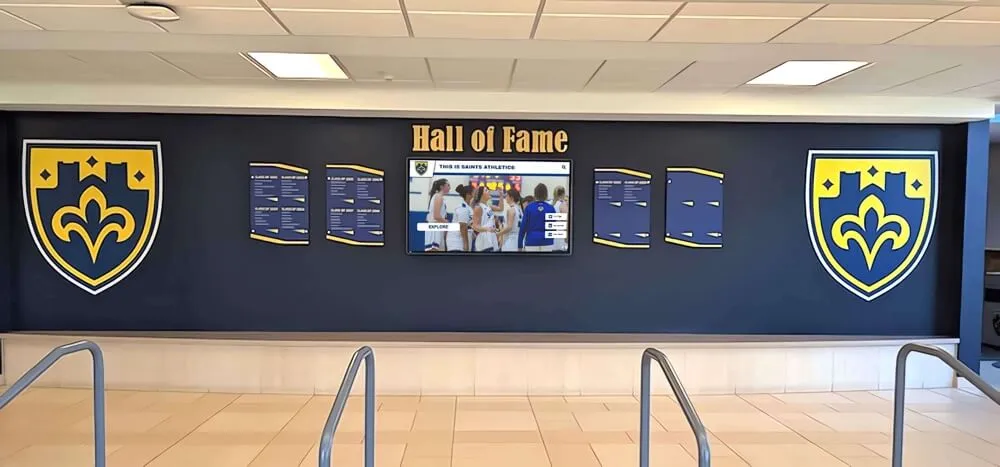
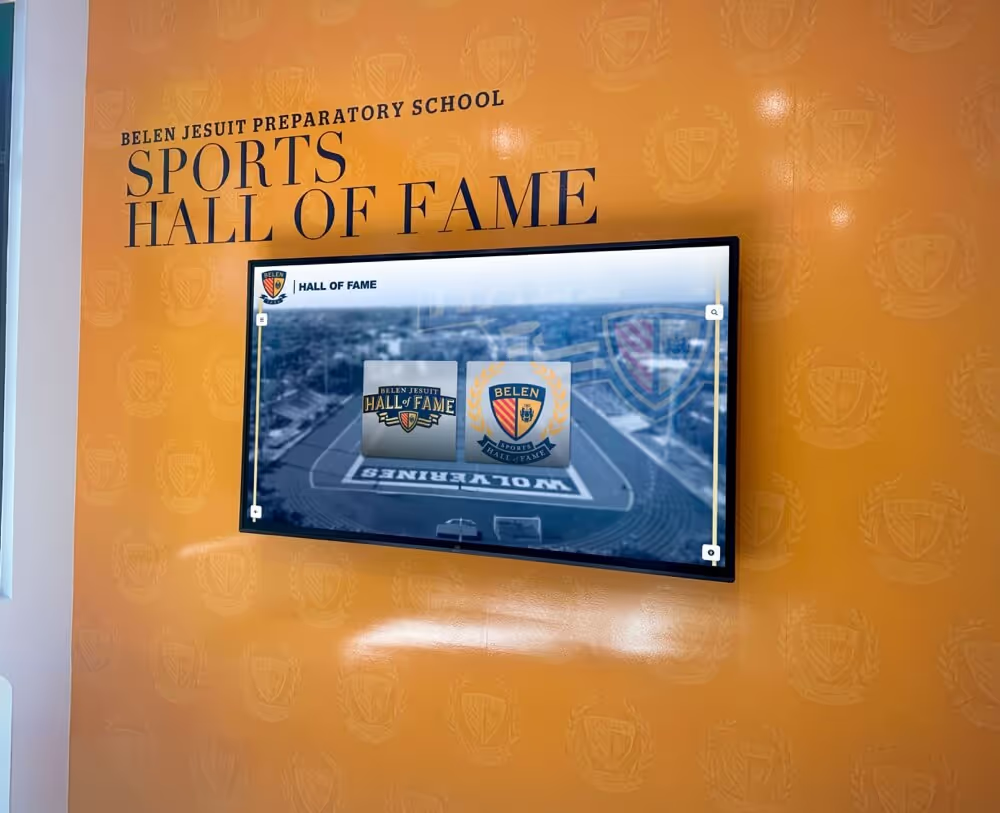
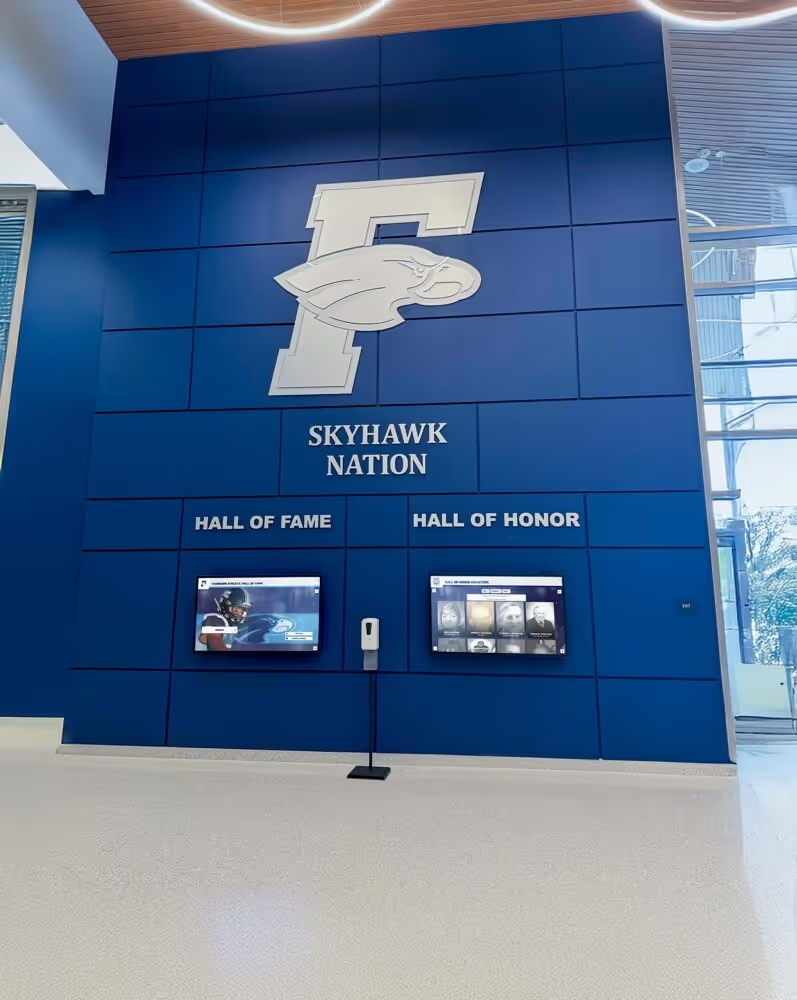
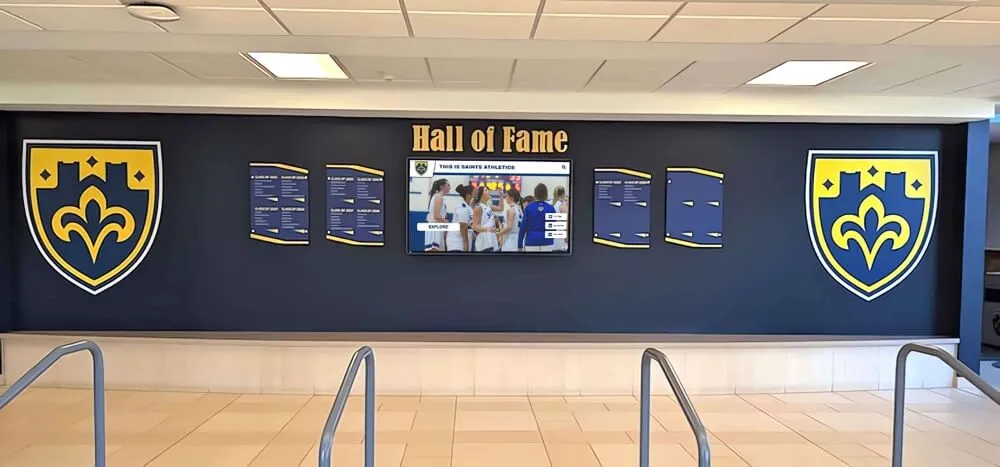
Integrated display systems combine traditional [recognition elements](https://touchwall.us/blog/all-state-wall-of-honor/?utm_source=organic&utm_medium=seo-auto&utm_content=digitalwarming&utm_campaign=career-day-ideas&utm_term=seo) with digital career storytelling capabilities
Creative Career Showcases and Events
Beyond traditional presentation formats, innovative event structures create memorable experiences that inspire students while celebrating alumni achievement.
Career Fair Variations
Idea #21: Alumni Career Expo with Industry Zones
Instead of individual alumni tables, organize career day into industry zones featuring multiple alumni from related fields. A “Healthcare Village” might include physicians, nurses, therapists, administrators, and pharmaceutical professionals. A “Technology Hub” could feature software developers, cybersecurity analysts, data scientists, and tech entrepreneurs. This clustering enables students to understand career diversity within broad sectors while facilitating conversations between alumni working in complementary fields, creating richer understanding of how different careers interact within industries.
Include interactive elements in each zone—demonstrations, equipment students can examine, or brief hands-on activities. These tactile experiences create memorable engagement beyond conversation alone.
Idea #22: Backwards Career Day
Flip traditional career day formats by having students prepare presentations showcasing career fields they’ve researched, then invite alumni to attend as audience members providing feedback, answering detailed questions, and correcting misconceptions. This format shifts students from passive recipients to active researchers while still providing alumni expertise, creates authentic presentation practice with professional audiences, and requires deeper career engagement than passively attending presentations.
Alumni can then facilitate follow-up discussions exploring nuances students missed in their research or addressing questions their investigations raised.
Idea #23: Alumni Shark Tank Career Pitch
Adapt the “Shark Tank” format where students pitch career ideas, business concepts, or project proposals to a panel of alumni “investors” who provide feedback from professional perspectives. Students might pitch business ideas to entrepreneur alumni, propose research projects to scientist alumni, present creative concepts to arts alumni, or describe social initiatives to nonprofit alumni.
Alumni judges evaluate pitches for viability, identify strengths and areas needing development, and provide guidance improving proposals from professional perspectives. This format teaches critical thinking, presentation skills, and resilience in receiving constructive feedback—all valuable professional competencies regardless of specific career paths.
Specialized Themed Events
Idea #24: Alumni First-Generation Professionals Panel
Host dedicated events featuring first-generation college graduates who’ve achieved professional success. These alumni provide particularly powerful models for first-generation students who may lack family guidance navigating college and career transitions. Discussion topics might include navigating college without family roadmaps, managing imposter syndrome in professional settings, finding mentors and building networks without built-in connections, and balancing professional advancement with family expectations or cultural values.
This targeted programming acknowledges that some students face unique challenges requiring specialized guidance and peer models who successfully navigated similar circumstances.
Idea #25: Alumni Who Serve Panel
Create special recognition events celebrating alumni working in service-oriented careers—teachers, military service members, nonprofit leaders, healthcare workers, social workers, public defenders, and other careers prioritizing community benefit over maximum earning. These panels help students understand that career fulfillment comes from multiple sources and that meaningful work exists across income levels, celebrate alumni whose careers embody school values around service and community, and validate students considering service careers despite cultural pressure toward maximum-income career paths.
Idea #26: Alumni Entrepreneur Showcase
If your school has strong entrepreneurial alumni representation, dedicate specific events to business owners and startup founders. These showcases can include pitch presentations where entrepreneurs describe their ventures, panel discussions about entrepreneurship challenges and rewards, workshops teaching entrepreneurial thinking applicable beyond business ownership, and networking opportunities connecting students with local business communities. Include diverse entrepreneurship—small local businesses alongside high-growth startups, demonstrating that entrepreneurship takes many forms beyond stereotypical venture-backed tech companies.
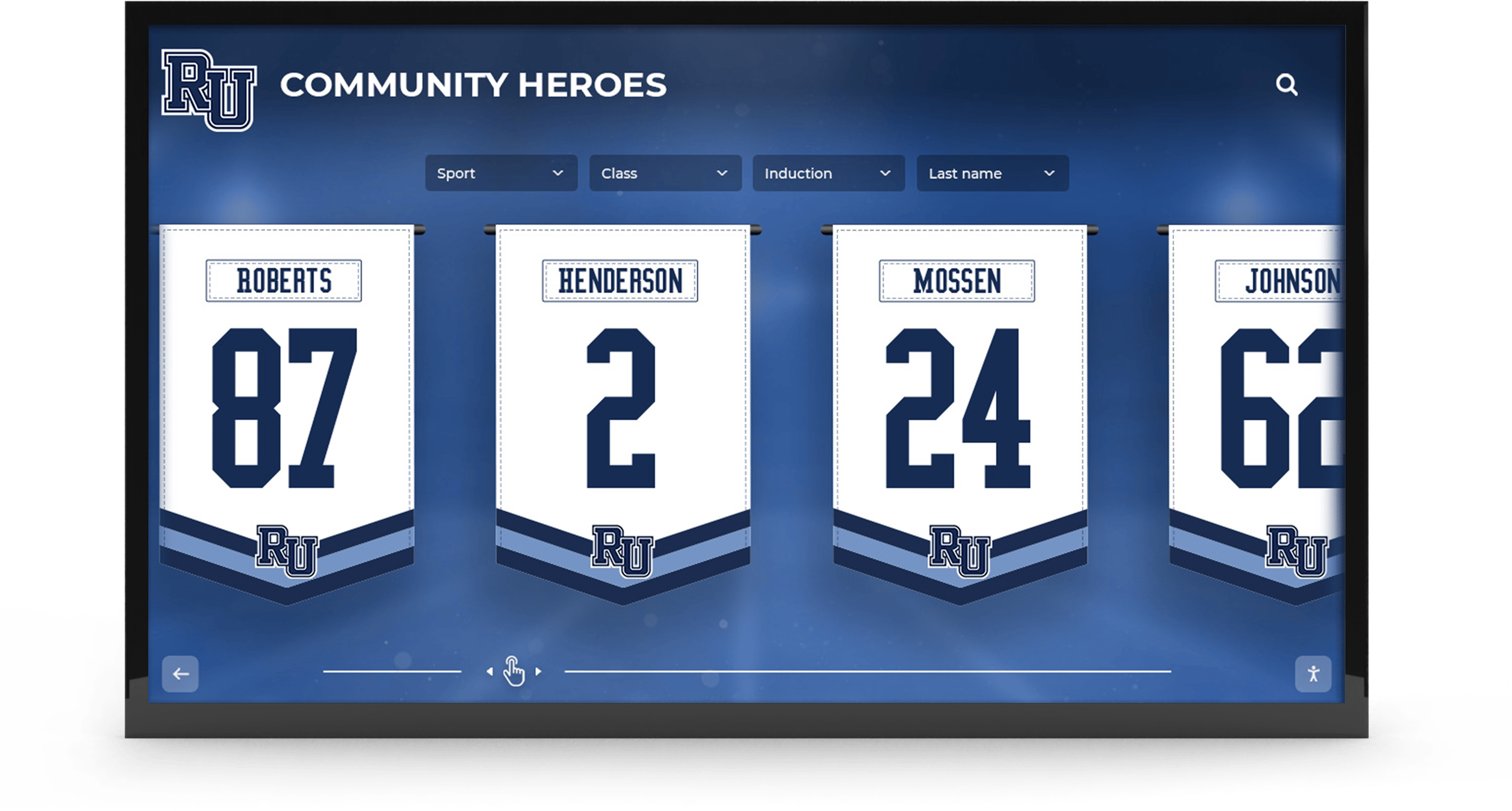
Community-focused displays highlight diverse [career achievement](https://touchhalloffame.us/blog/100-youth-sports-awards-ideas/?utm_source=organic&utm_medium=seo-auto&utm_content=digitalwarming&utm_campaign=career-day-ideas&utm_term=seo) and service contributions across multiple professional fields
Awards and Recognition Programs
Idea #27: Distinguished Alumni Career Achievement Awards
Establish formal awards recognizing alumni who’ve achieved professional excellence, made significant community contributions, or demonstrated exceptional leadership in their fields. Host award ceremonies during career day or separate events where student bodies can learn about recipients’ careers and accomplishments. Award recipients can deliver brief keynote presentations sharing career journeys and lessons learned.
These recognition programs accomplish multiple goals—they honor deserving alumni, provide engaging content for students, strengthen alumni relations by celebrating graduates’ successes, and create aspirational examples of what graduates from your institution can achieve.
Idea #28: Alumni Career Milestone Celebrations
Recognize alumni reaching significant career milestones—promotions, published research, creative works, business launches, professional awards, or community service achievements. Feature these milestones through morning announcements, digital displays, social media, or newsletters, creating continuous stream of alumni success stories students encounter regularly rather than only during annual career events.
This ongoing recognition maintains year-round career inspiration while making alumni feel valued by their alma mater, strengthening relationships that support future career programming participation.
Digital and Year-Round Career Resources
The most impactful career programming extends beyond scheduled events into always-available resources students access whenever career questions arise throughout their educational journeys.
Permanent Career Inspiration Systems
Idea #29: Interactive Digital Alumni Career Walls
Install comprehensive digital displays in prominent school locations—main lobbies, career centers, libraries, or cafeterias—featuring searchable databases of alumni careers. Students can browse alphabetically, search by career field or industry, filter by graduation decade, or explore by college attended. Each alumni profile includes professional photographs, current career information, educational pathway descriptions, video interviews or written advice, and contact information for alumni open to student outreach.
These permanent installations create what Rocket Alumni Solutions calls “digital warming” effects—transforming cold, forgotten recognition into vibrant, accessible celebration where personalized content surfaces relevant connections. Unlike physical displays limited by space constraints, digital systems accommodate unlimited alumni profiles. Unlike career day events constrained by schedules and geography, digital walls provide 24/7 career access students can explore independently at their own pace when motivation strikes.
Modern platforms enable sophisticated content management where administrators easily update information as alumni careers progress, keeping content current and relevant. Students can save favorite profiles, bookmark careers they want to explore further, and share inspiring alumni stories through social media integration. Discover how schools implement comprehensive digital recognition systems creating lasting career inspiration throughout facilities.
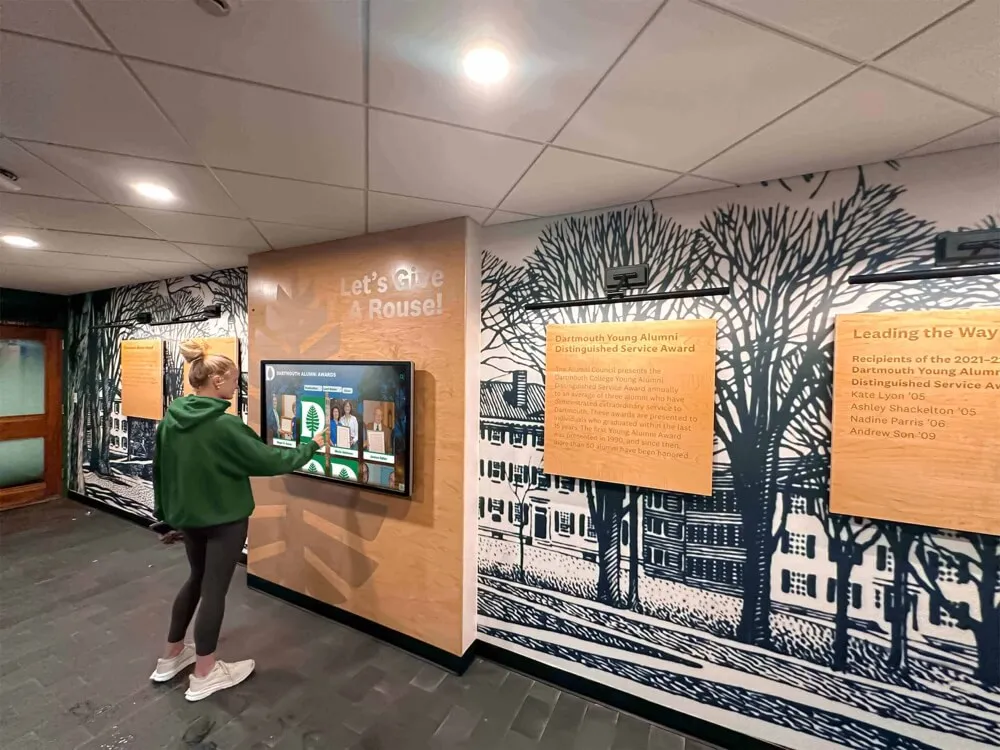
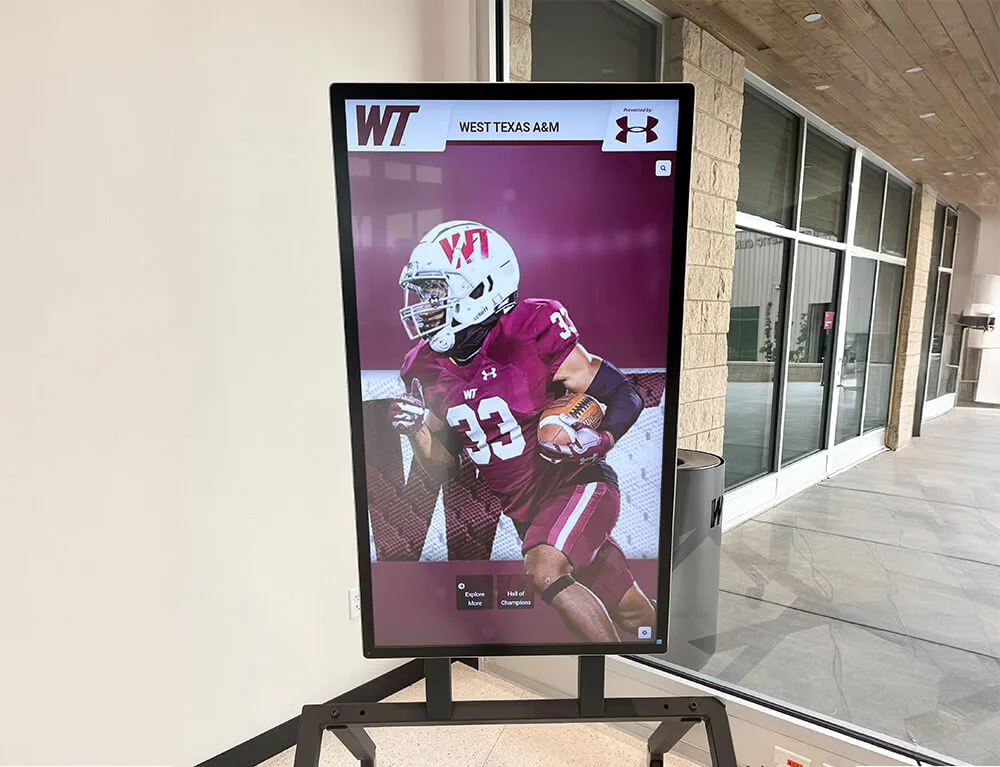
Touchscreen installations in high-traffic areas enable spontaneous career exploration whenever students encounter displays throughout their daily routines
Idea #30: Alumni Video Interview Library
Develop comprehensive video libraries featuring 5-10 minute interviews with dozens of alumni across diverse career fields. Structure interviews around consistent questions helping students compare different career realities: “What does a typical workday look like?” “What do you find most rewarding about your career?” “What challenges or frustrations do you face?” “What educational pathway prepared you for this career?” “What advice would you give current students interested in this field?”
House videos in easily accessible locations—embedded on your school website, linked through career center resources, featured on digital displays throughout facilities, and shared through learning management systems where students access them directly from relevant coursework. Video libraries scale career exposure infinitely—once recorded, videos serve thousands of students across many years with no ongoing alumni time requirements beyond initial recording.
Update libraries regularly, adding new alumni voices while archiving older videos that remain valuable historical records of how careers evolved over time. Students benefit from this temporal perspective, understanding that career descriptions from alumni who graduated recently differ from descriptions by alumni decades into careers.
Measuring Career Day Impact and Continuous Improvement
Effective career programming requires assessment and iteration ensuring initiatives achieve intended goals rather than simply checking activity boxes without genuine student impact.
Assessment Strategies
Evaluate career day effectiveness through multiple methods providing actionable feedback for improvement.
Immediate Student Feedback
Collect student reactions immediately following career day through brief surveys asking which sessions they found most valuable, what new careers they learned about, whether any presentations changed their thinking about potential career paths, what suggestions they have for future improvements, and whether they connected with any alumni they plan to follow up with.
Keep surveys brief (5-7 questions maximum) focusing on actionable information rather than comprehensive evaluation. Digital surveys enable easy data collection and analysis while paper options ensure students without device access can participate.
Alumni Participant Feedback
Survey participating alumni about their experiences: whether they felt adequately prepared with guidance about session formats and expectations, if they found participation meaningful and would volunteer again, what suggestions they have for improving alumni experiences, and whether they’d be willing to participate in ongoing career programming beyond single events.
Alumni feedback helps refine recruitment materials, improve preparation support, and identify alumni interested in deeper engagement like mentorship programs or recurring office hours.
Longitudinal Impact Tracking
Track longer-term indicators of career day impact: whether students report career day influence on course selection decisions, if participation correlates with increased career center resource usage, whether students initiated alumni networking following career day, and if graduating seniors reference career day experiences in college essays or scholarship applications discussing career aspirations.
These longer-term measures help assess whether career programming creates lasting influence on student career development rather than just providing momentary interest that fades without behavioral impact.
Continuous Program Enhancement
Use assessment data driving ongoing improvements rather than repeating identical programming each year regardless of effectiveness.
Expanding Career Diversity
Analyze which career fields your programming emphasizes and which remain underrepresented. Intentionally recruit alumni from underrepresented fields ensuring students encounter comprehensive career diversity. Pay particular attention to non-traditional careers, skilled trades often overlooked despite strong career prospects, emerging fields students may not know exist, and careers typical in your geographic region but underrepresented in programming.
Career exploration should expand students’ awareness beyond careers they already know about through family connections or media exposure.
Improving Format Effectiveness
Evaluate which session formats generate strongest student engagement and learning. If speed networking rotations create better engagement than large panel discussions, allocate more programming to rotation formats. If hands-on activities generate more enthusiasm than presentations, incorporate more experiential elements. Let evidence rather than tradition guide format decisions.
Be willing to discontinue initiatives that sound good conceptually but don’t generate expected results, reallocating those resources to more effective approaches.
Building Systematic Alumni Engagement
Transform career day from isolated events into systematic ongoing alumni engagement where career programming represents just one dimension of comprehensive relationships. Alumni who participate in career day might also mentor students, attend school events, support fundraising initiatives, provide internship opportunities, or simply advocate for your school within their professional networks.
Strong alumni relations create virtuous cycles where initial engagement in one area (career day) builds connection leading to expanded participation benefiting both your school and alumni seeking meaningful ways to give back to institutions that shaped their own educational journeys.
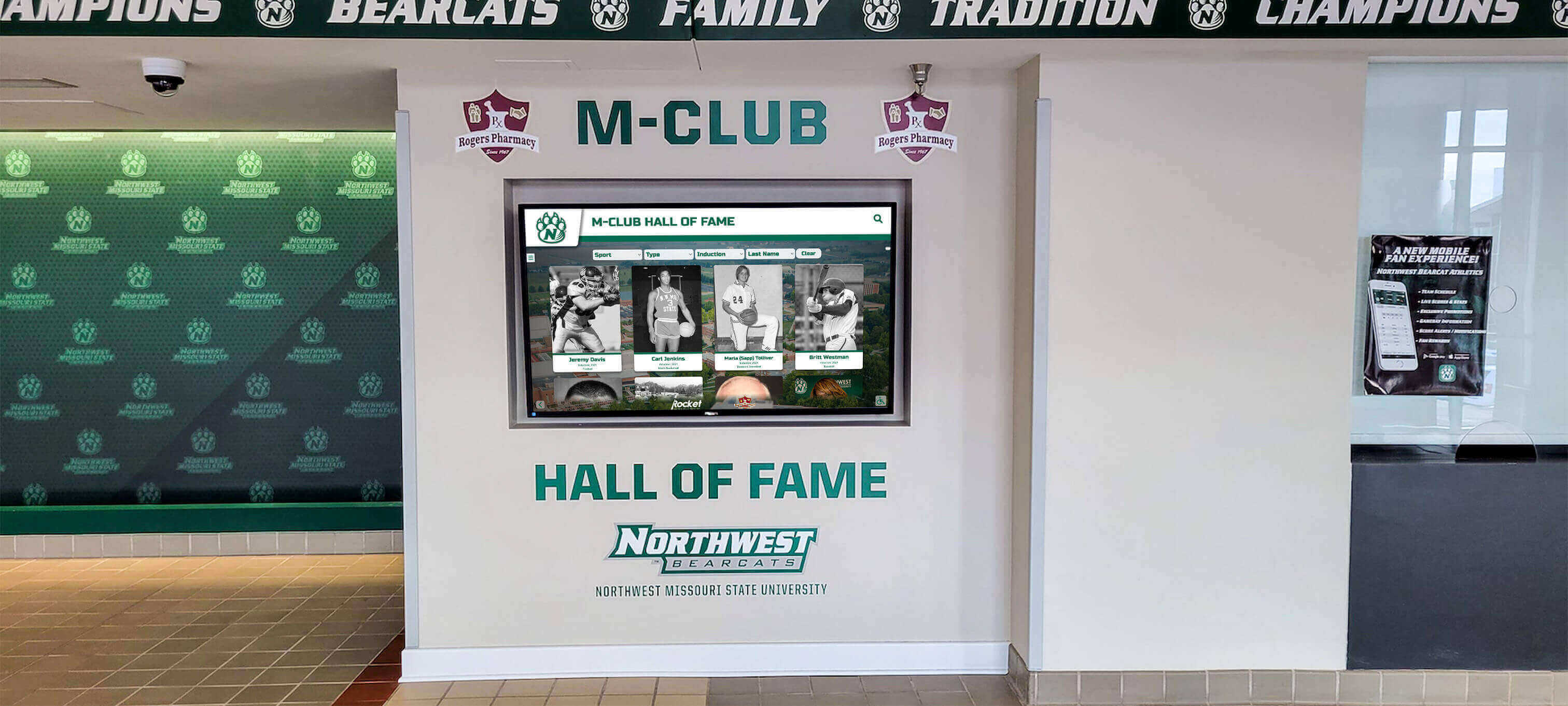
Strategic facility installations create [year-round engagement](https://donorswall.com/blog/alumni-event-ideas-100-ideas/?utm_source=organic&utm_medium=seo-auto&utm_content=digitalwarming&utm_campaign=career-day-ideas&utm_term=seo) opportunities connecting students with alumni achievements and career inspiration
Conclusion: Career Inspiration That Lasts Beyond a Single Day
Career day represents far more than satisfying curriculum requirements or checking off guidance programming boxes. When designed thoughtfully with authentic student needs guiding decisions rather than simply replicating traditional formats, career exploration creates transformative experiences that genuinely influence students’ educational engagement, aspiration levels, and ultimate life trajectories.
The 30 career day ideas explored throughout this guide provide diverse approaches moving beyond passive presentation formats into interactive experiences, leveraging technology extending impact beyond single events, facilitating authentic connections between students and alumni role models, and creating systematic career resources students access throughout their educational journeys whenever career questions arise. From speed networking rotations creating diverse career exposure to interactive digital displays providing year-round career inspiration, from job shadowing programs delivering immersive workplace experiences to video libraries scaling career access infinitely, these strategies transform career exploration from perfunctory annual obligation into comprehensive program genuinely serving student development.
Alumni represent uniquely powerful career ambassadors precisely because they combine professional expertise with institutional knowledge and relatable connection to your school community. They remember what it felt like to sit in those same classrooms wondering about their futures. They navigated uncertainties current students face. They provide tangible proof that success is achievable for graduates of your institution regardless of where students currently stand academically, socially, or economically. When students encounter alumni who faced similar challenges yet achieved remarkable outcomes, limiting beliefs about what’s possible begin dissolving, replaced by expanded visions of potential futures and concrete pathways toward them.
Most importantly, effective career programming recognizes that single-day events, while valuable, cannot deliver sustained impact career development requires. Students need ongoing exposure to career information through multiple formats over extended timeframes before concepts genuinely integrate into their decision-making. They need opportunities to explore careers independently when personal interest motivates inquiry rather than only during scheduled events. They need access to diverse career models representing varied interests, values, and circumstances rather than limited sample sizes traditional career days accommodate.
This is where permanent digital career resources create transformational difference. Solutions like Rocket Alumni Solutions enable schools to build comprehensive digital alumni career platforms accessible 365 days per year through interactive touchscreen installations in school facilities and mobile-responsive web platforms students access anywhere. These systems transform episodic career day events into continuous career inspiration where students explore hundreds of alumni career stories independently at their own pace, discovering possibilities they never would have encountered during hour-long scheduled sessions.
Interactive career displays create what we call digital warming effects throughout school communities—transforming cold forgotten recognition into vibrant accessible celebration where personalized content surfaces relevant connections, comprehensive documentation preserves complete career narratives impossible to share during brief presentations, and intuitive interfaces enable career discovery matching how digital-native students naturally seek information. When a sophomore exploring biology coursework discovers an alumnus working in genetic research she never knew existed as a career possibility, when a first-generation student finds an alumnus who navigated similar challenges and succeeded spectacularly, when a student unsure about college discovers alumni thriving in skilled trades not requiring four-year degrees, when career questions arise at 9 PM on a Tuesday and students can immediately access alumni guidance addressing those specific questions—that’s when career programming delivers genuine transformational impact extending far beyond what single annual events can possibly achieve.
Your students face futures more uncertain and opportunities more diverse than any previous generation. They need career guidance preparing them not for specific predetermined paths but for navigating complex career landscapes requiring adaptability, continuous learning, and strategic decision-making. They need exposure to careers they didn’t know existed and pathways they never imagined accessible. They need role models proving that students from your school, regardless of background or current circumstances, can achieve remarkable outcomes. They need permission to aspire boldly combined with practical guidance making those aspirations achievable.
Alumni hold these answers. Your role involves creating systems connecting student questions with alumni wisdom—not just during scheduled events but continuously throughout students’ educational journeys whenever career curiosity or uncertainty arises. Whether you implement speed networking sessions creating diverse career exposure, establish mentorship programs facilitating ongoing guidance, create video libraries preserving alumni wisdom permanently, or install interactive digital displays enabling 24/7 career exploration, you’re building infrastructure transforming career development from episodic programming into systematic support genuinely preparing students for futures they’ll create through informed choices and persistent effort.
Start by engaging your alumni association identifying graduates willing to share their journeys. Survey students about their career interests and questions, ensuring programming addresses real needs rather than assumed priorities. Evaluate your current career programming honestly, identifying what genuinely engages students versus what satisfies adult checklists without delivering student impact. Then commit to building comprehensive career resources that extend beyond single events into year-round systems delivering sustained value matching the significance career decisions hold in students’ lives and the remarkable wisdom your alumni community possesses.
Ready to transform your career day from a single annual event into year-round career inspiration that genuinely prepares students for their futures? Discover how schools nationwide are implementing interactive digital alumni career platforms creating lasting career inspiration, building powerful alumni connections, and transforming career exploration into experiences students remember and reference throughout their educational journeys and professional lives.