



Youth sports programs thrive when young athletes feel recognized, valued, and motivated to continue developing their skills. Awards and recognition ceremonies serve as powerful tools for celebrating athletic achievement, building confidence, reinforcing positive behaviors, and creating memorable experiences that shape how young people view competition, teamwork, and personal growth. Yet many coaches, league organizers, and athletic directors struggle to move beyond generic participation trophies to create meaningful recognition programs that truly resonate with young athletes and their families.
The challenge lies in balancing different recognition needs: celebrating competitive excellence while acknowledging effort and improvement, honoring individual achievement without diminishing team success, creating special moments for standout performers while ensuring every participant feels valued, and designing award programs that fit within limited budgets while delivering genuine impact. Traditional trophy-only approaches often fail to address this complexity, leading to recognition that feels routine rather than meaningful.
This comprehensive guide presents 100 youth sports awards ideas spanning traditional trophies and medals, creative recognition categories, character-based awards, sport-specific honors, team celebration concepts, and modern digital recognition approaches. Whether you’re organizing end-of-season banquets for recreational leagues, designing recognition programs for competitive travel teams, or building comprehensive award systems for multi-sport youth athletic organizations, these ideas provide frameworks for creating recognition that motivates young athletes while building positive sports culture.
Youth sports awards accomplish multiple important objectives simultaneously. Recognition validates the time, effort, and dedication young athletes invest in sports participation. Awards create tangible memories families treasure long after playing careers end. Recognition ceremonies provide opportunities for coaches to articulate values, highlight positive examples, and reinforce behaviors that support individual development and team success. When designed thoughtfully, youth sports awards become powerful educational tools that teach young people about goal-setting, perseverance, sportsmanship, and the relationship between effort and recognition.

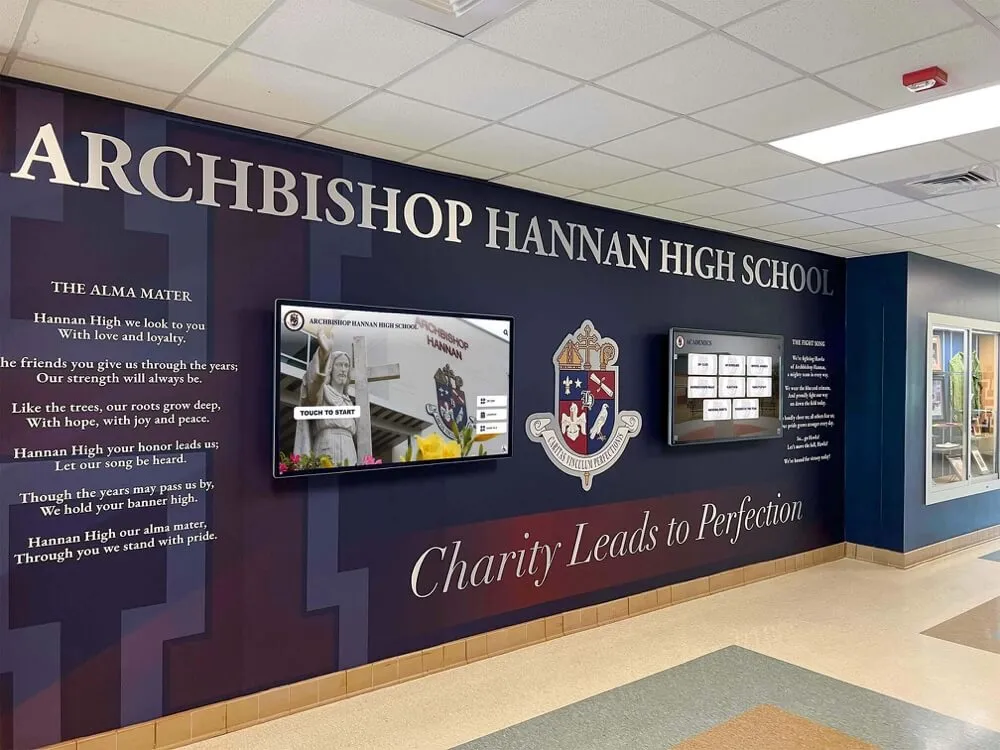
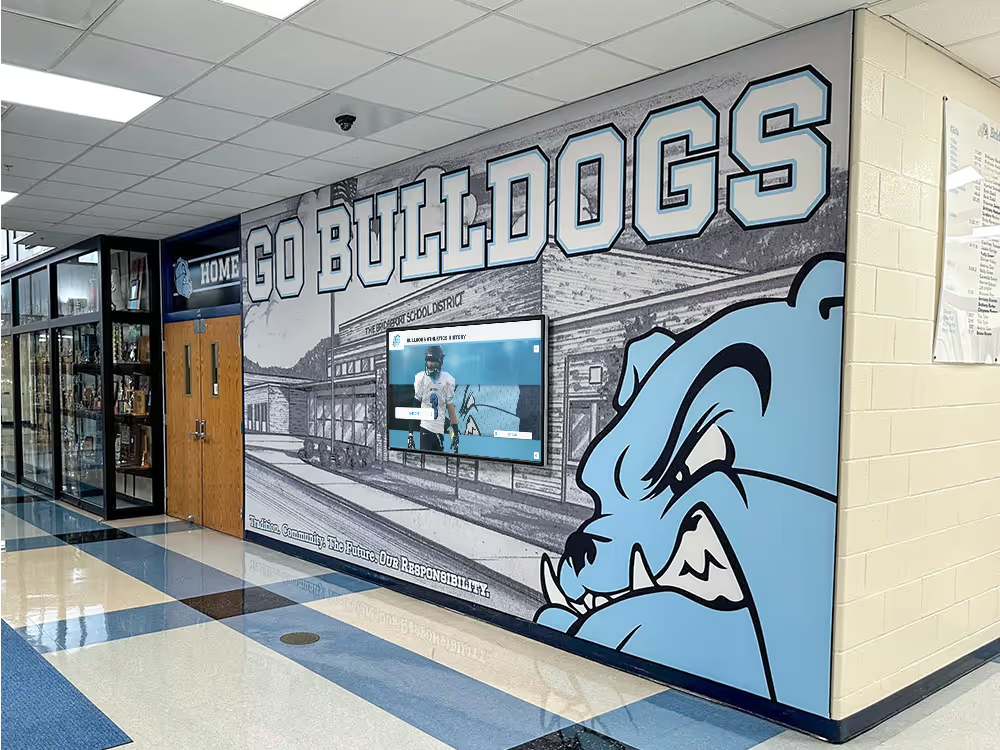
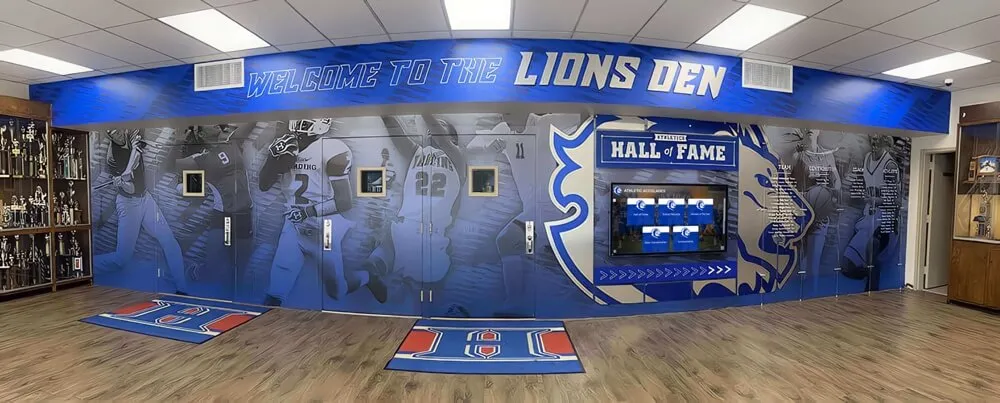
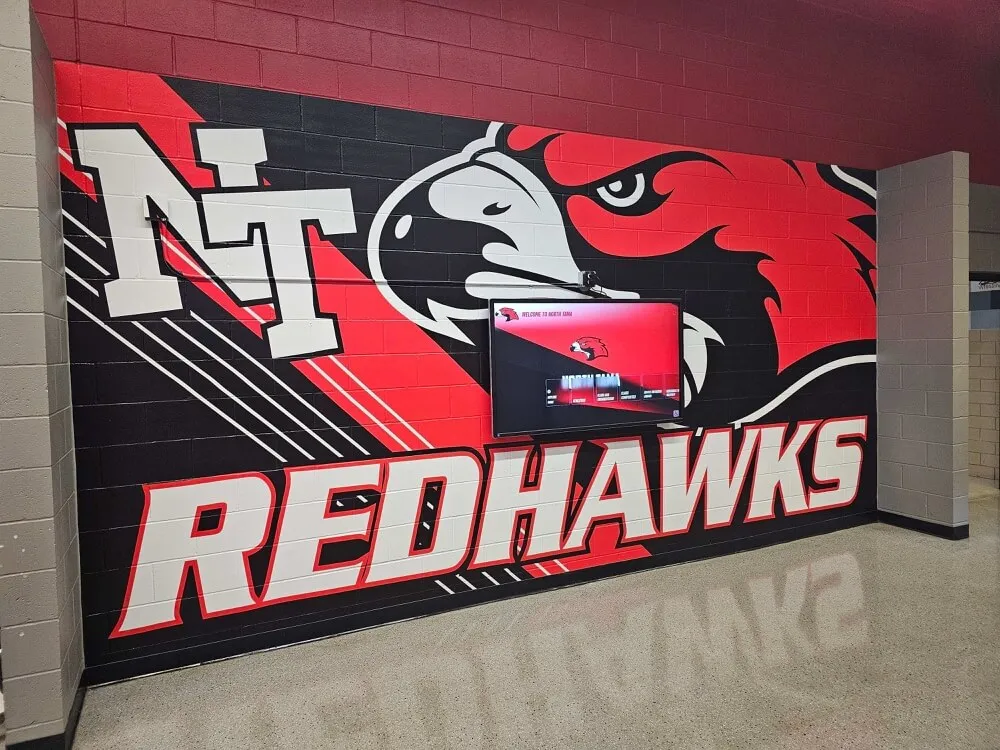
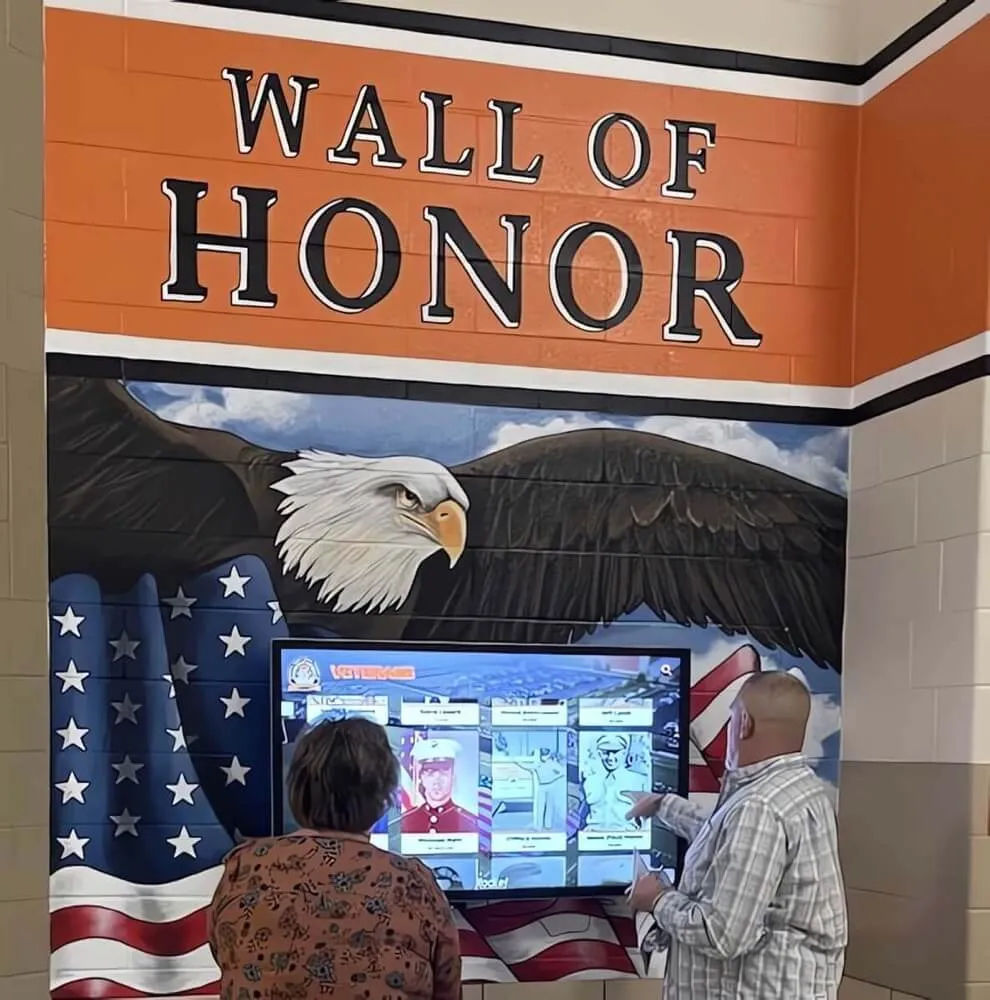
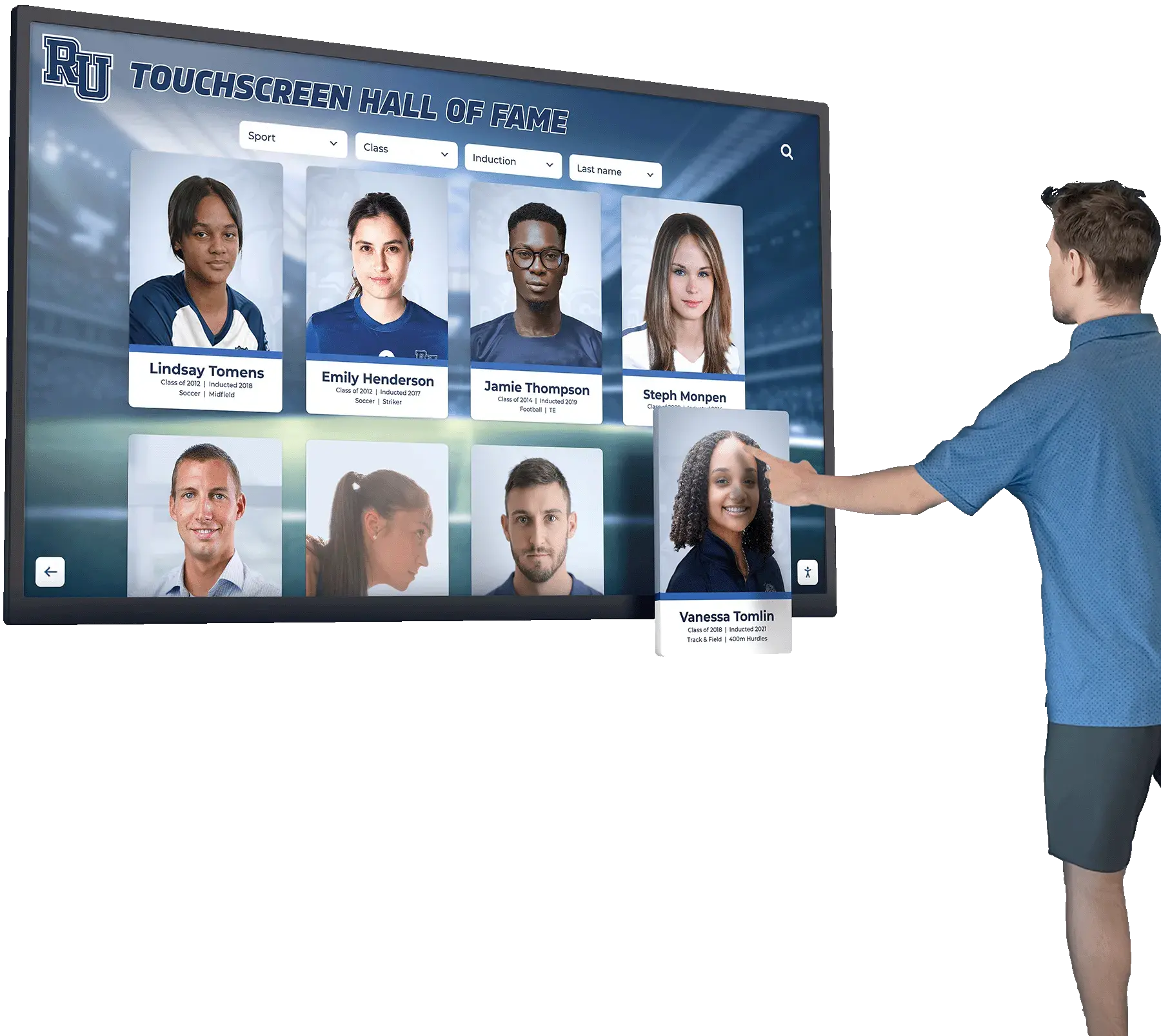
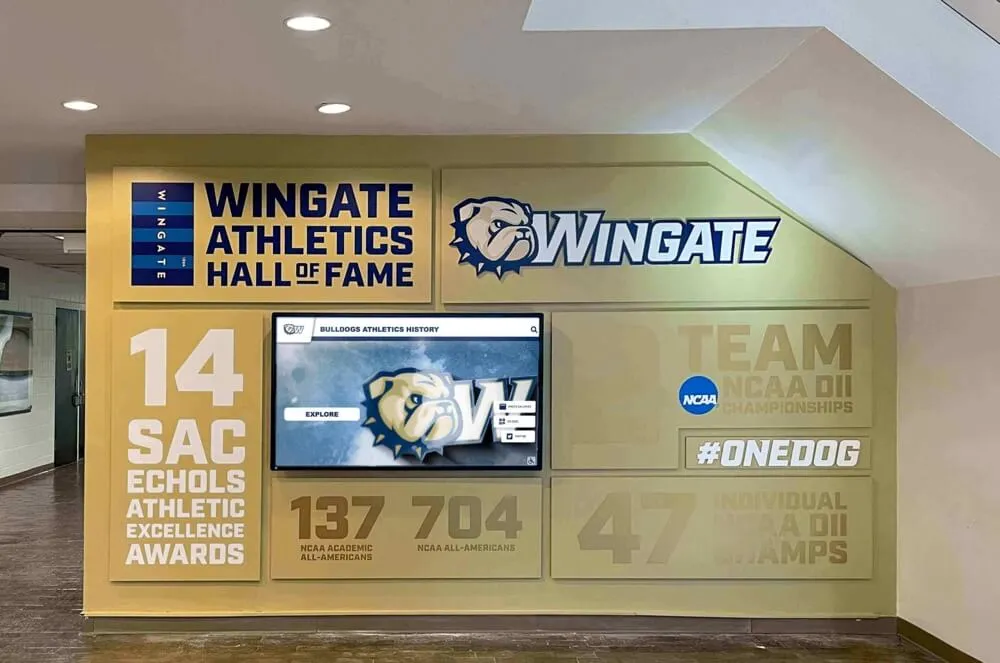
Comprehensive recognition displays celebrate athletic achievements while creating inspiring environments for young athletes
Traditional Individual Awards (Ideas 1-20)
Traditional individual awards remain foundational to youth sports recognition, celebrating competitive achievement and personal excellence in ways young athletes and families immediately understand.
Performance-Based Individual Honors
1. Most Valuable Player (MVP) The classic MVP award recognizes the athlete whose overall contribution most significantly impacted team success. This prestigious honor typically combines statistical achievement with leadership, consistency, and intangible contributions that elevated team performance.
2. Offensive Player of the Year Recognizes the athlete who demonstrated exceptional offensive skills, production, and impact. This award works particularly well in sports with clear offensive/defensive distinctions like soccer, basketball, hockey, and football.
3. Defensive Player of the Year Celebrates defensive excellence, often spotlighting athletes whose contributions may not appear in scoring statistics but proved essential to team success. This recognition ensures defense receives comparable honor to offense.
4. Most Improved Player One of the most motivating awards for youth athletes, recognizing dramatic skill development and work ethic throughout the season. This award often means more to recipients than traditional achievement honors because it validates personal growth.
5. Rookie of the Year Honors the outstanding first-year athlete, celebrating exceptional performance while acknowledging the additional challenge of being new to the program. This recognition helps new athletes feel welcomed and valued.
6. Team Captain Award Recognizes athletes selected or elected to leadership positions who demonstrated exceptional leadership throughout the season. This honor validates the additional responsibility captains accept.
7. Coaches Award A flexible recognition allowing coaches to honor athletes who embody team values, demonstrate exceptional work ethic, or contribute in ways that may not earn traditional statistical awards. This highly meaningful award reflects coach perspective on invaluable contributions.
8. Golden Boot/Golden Glove (Sport-Specific) Sport-specific awards recognizing excellence in particular aspects—top scorer in soccer, best goalkeeper, top pitcher in baseball, leading rebounder in basketball, fastest swimmer in specific events, or top scorer in hockey.
9. Iron Person Award Recognizes athletes who rarely missed practices or games, demonstrating exceptional commitment and reliability. This award reinforces attendance and dedication while acknowledging the consistency required for athletic development.
10. Hustle Award Celebrates athletes who consistently demonstrated maximum effort, diving for loose balls, sprinting back on defense, or giving 100% regardless of score or circumstances. This recognition reinforces that effort matters regardless of natural talent.
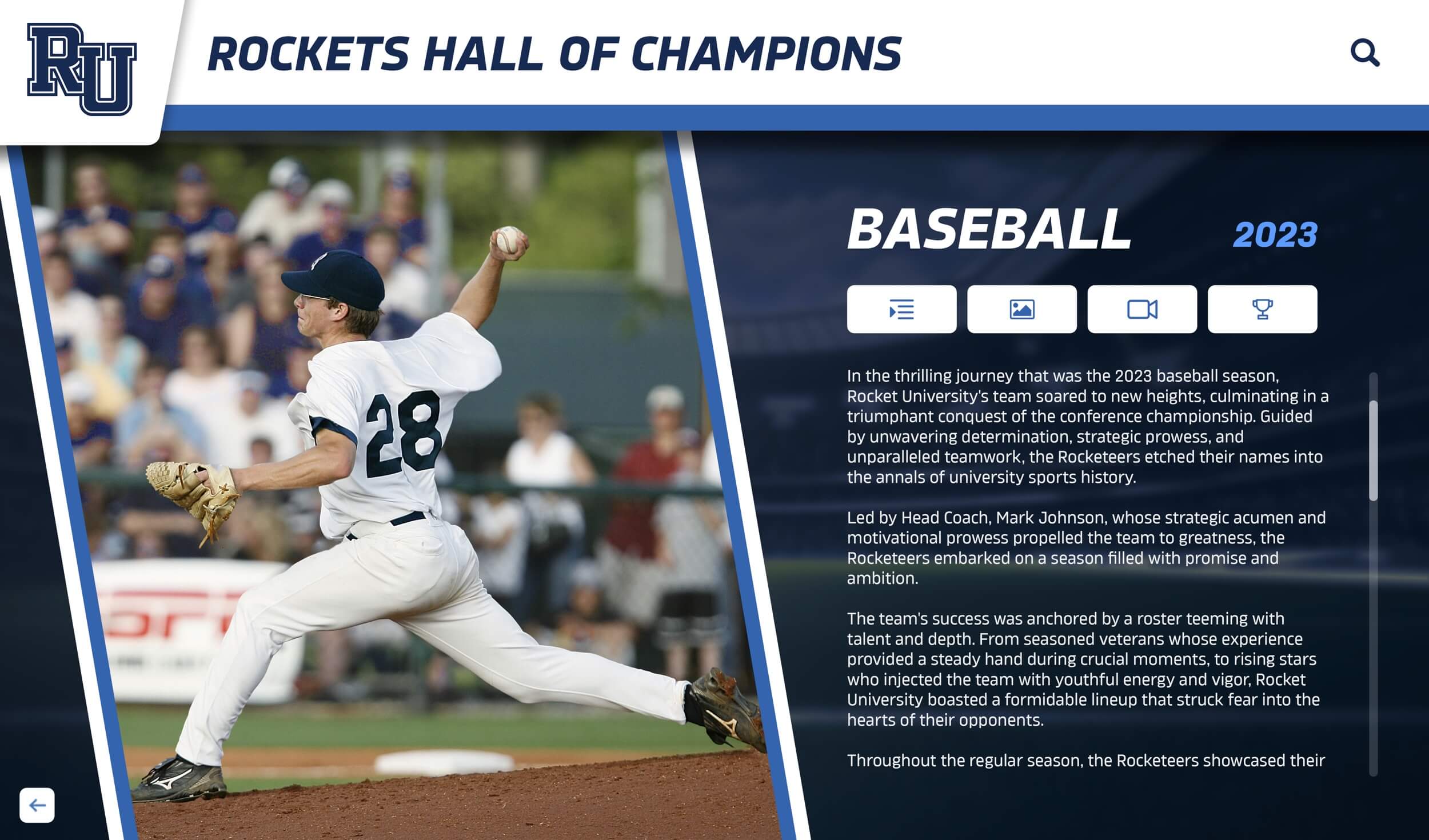
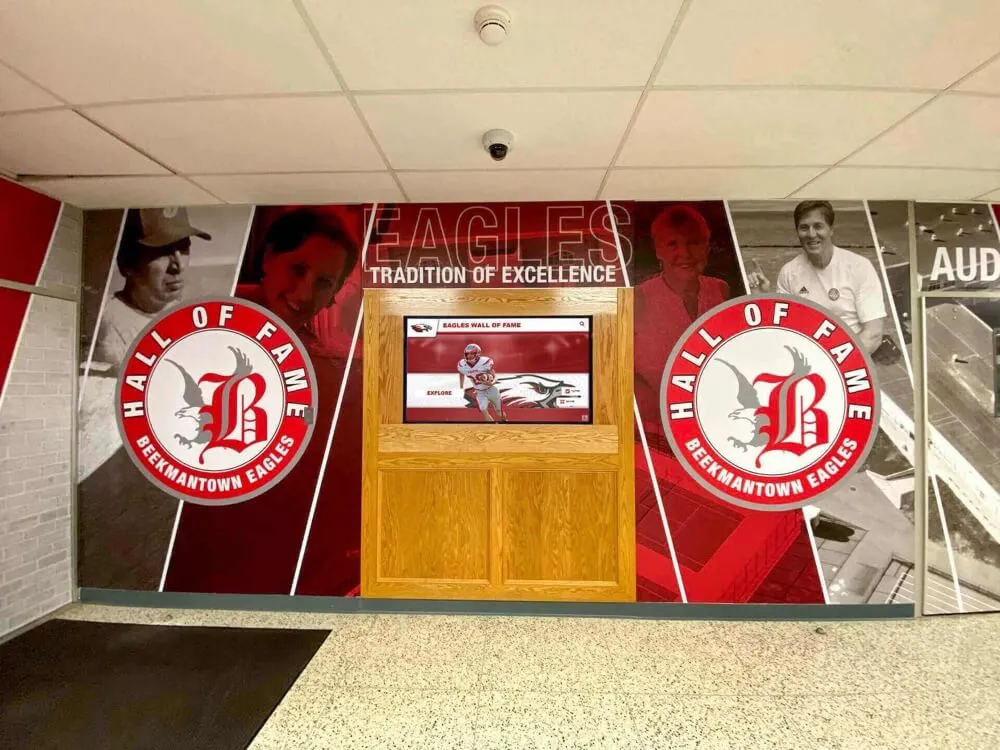
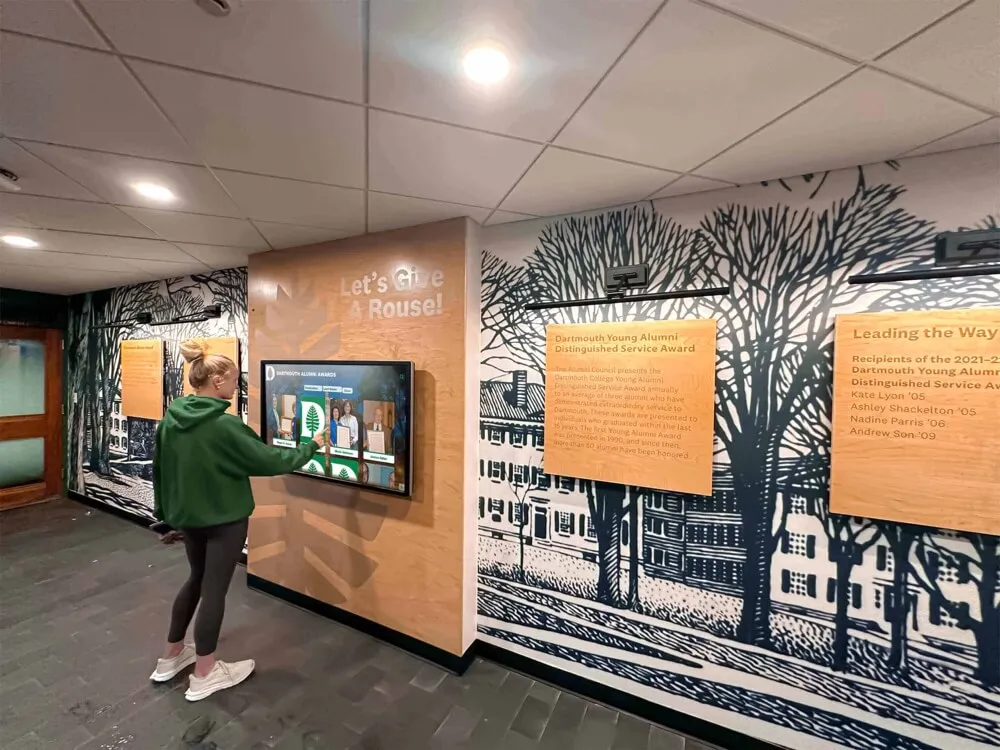
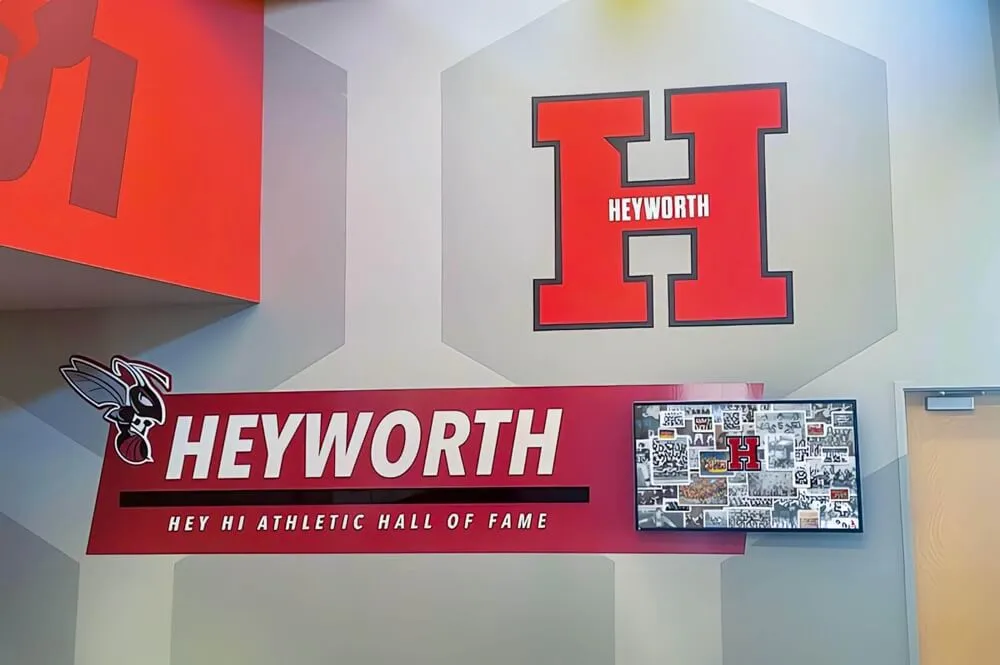
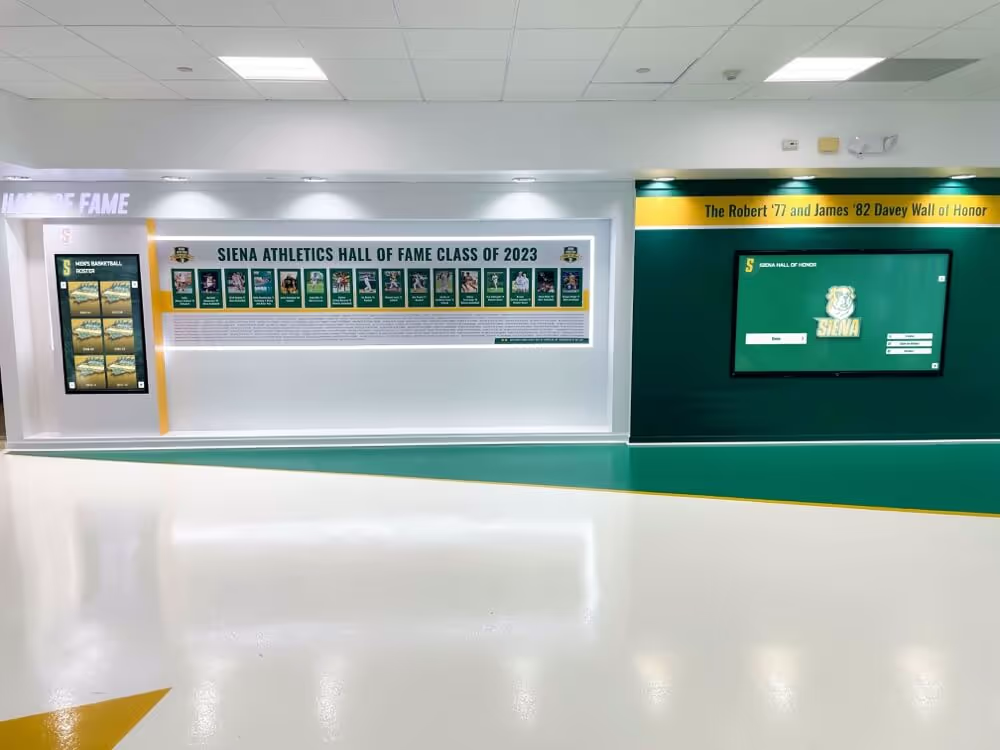
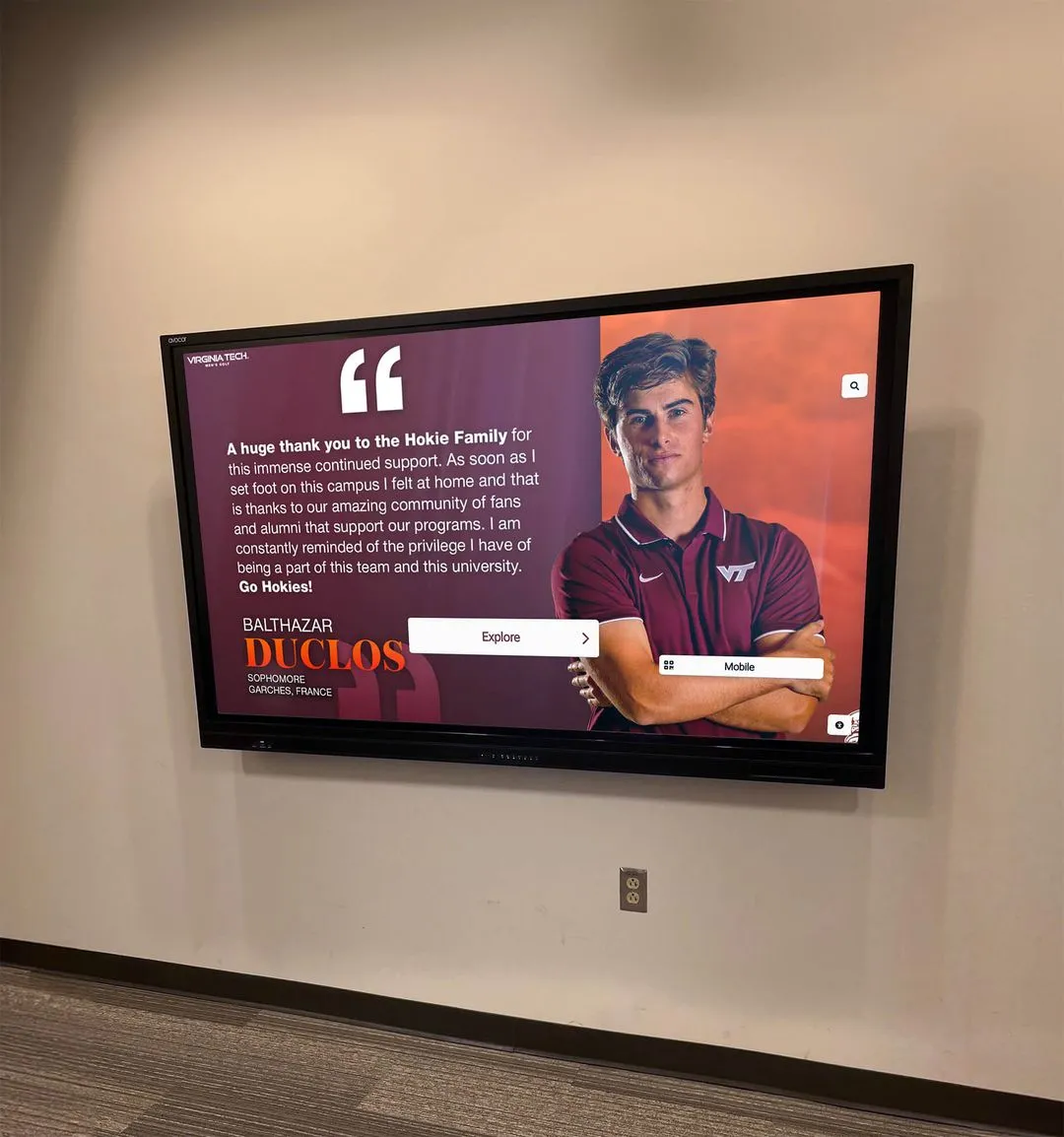
Individual achievement recognition celebrates standout performances while preserving memorable moments from youth sports careers
Skill-Specific Recognition
11. Best Technique Award Honors the athlete who demonstrates the finest fundamental skills and proper technique. This recognition emphasizes that doing things correctly matters as much as competitive results.
12. Fastest Player Award Celebrates pure speed in sports where this matters—track, soccer, basketball, football, swimming. Young athletes take pride in being recognized as the fastest on their team.
13. Strongest Player Award Recognizes physical strength development, particularly meaningful in sports like football, wrestling, weightlifting, or rugby where strength contributes directly to performance.
14. Most Accurate Award Celebrates precision in activities requiring accuracy—shooting in basketball or soccer, passing in football, pitching in baseball, serving in volleyball or tennis. Statistics can support this recognition objectively.
15. Best Hands/Best Ball Control Sport-specific recognition for exceptional ball-handling, catching ability, dribbling skills, or touch. This honors athletes who make difficult plays look routine through superior fundamental skills.
16. Best Defensive Positioning Recognizes athletes who consistently demonstrate excellent positioning, anticipation, and decision-making on defense. This award teaches that smart play matters as much as athletic ability.
17. Best Offensive Creativity Celebrates athletes who create scoring opportunities through creativity, vision, and imagination. This recognition values the artistic elements of sports that statistics may not fully capture.
18. Best First Touch/First Step Quickness Sport-specific recognition for athletes who excel at initial ball control in soccer or explosive first movements in basketball, football, or tennis. These subtle skills separate good athletes from exceptional ones.
19. Most Clutch Performer Honors athletes who consistently delivered best performances in pressure situations—late-game heroics, tournament performances, or competing well when stakes were highest. This recognition values mental toughness and competitive mindset.
20. Best All-Around Athlete Recognizes versatility and balanced skill development across all athletic dimensions. This award celebrates athletes who don’t specialize but excel at multiple aspects of their sport.
Character and Sportsmanship Awards (Ideas 21-35)
Character-based recognition teaches young athletes that sports value extends beyond winning and competitive achievement, emphasizing behaviors that translate to life success.
Leadership and Attitude Recognition
21. Best Sportsmanship Award Perhaps the most important youth sports award, recognizing athletes who consistently demonstrated respect for opponents, officials, teammates, and the game itself. This honor reinforces that how athletes compete matters as much as results. Organizations like the NAIA recognize sportsmanship as core to athletic excellence.
22. Best Team Spirit Award Celebrates athletes who consistently maintained positive attitudes, encouraged teammates, and contributed to positive team culture regardless of personal playing time or team success.
23. Best Leadership Award Recognizes formal or informal leaders who guided teammates through example, communication, encouragement, and inspiration. This validates leadership development as a learnable skill.
24. Best Teammate Award Honors athletes who prioritized team success over individual recognition, supported struggling teammates, and made everyone around them better through unselfish play and positive influence.
25. Most Encouraging Player Recognizes the athlete who consistently lifted teammates’ spirits, provided positive reinforcement, and created emotional energy benefiting the entire team.
26. Best Attitude Award Celebrates athletes who maintained exceptional attitudes toward practice, competition, coaching, and teammates throughout the season regardless of circumstances.
27. Unsung Hero Award Recognizes athletes whose contributions may not appear in box scores but proved essential to team function—setting screens, taking charges, defensive sacrifices, or dirty work that enables others to succeed.
28. Best Practice Player Honors athletes who approached every practice with focus, intensity, and purpose, demonstrating that preparation matters as much as game performance.
29. Best Role Model Award Recognizes athletes younger players looked up to, demonstrating that being a positive influence on others represents meaningful achievement.
30. Most Coachable Player Celebrates athletes who accepted coaching with open minds, implemented feedback quickly, and demonstrated growth mindset throughout the season.

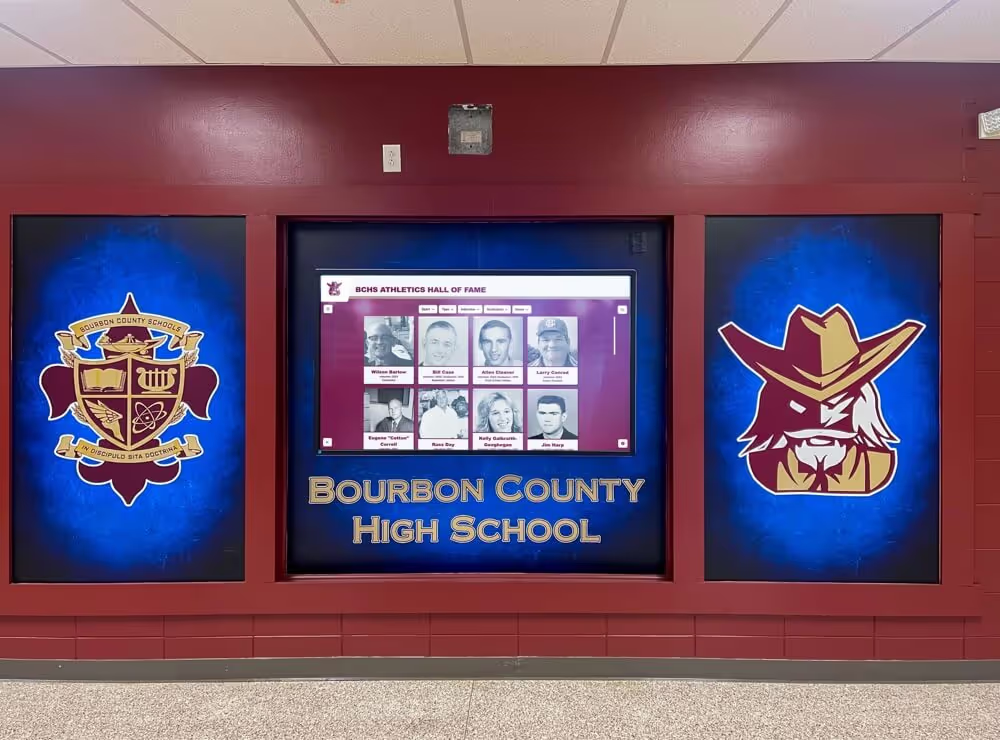
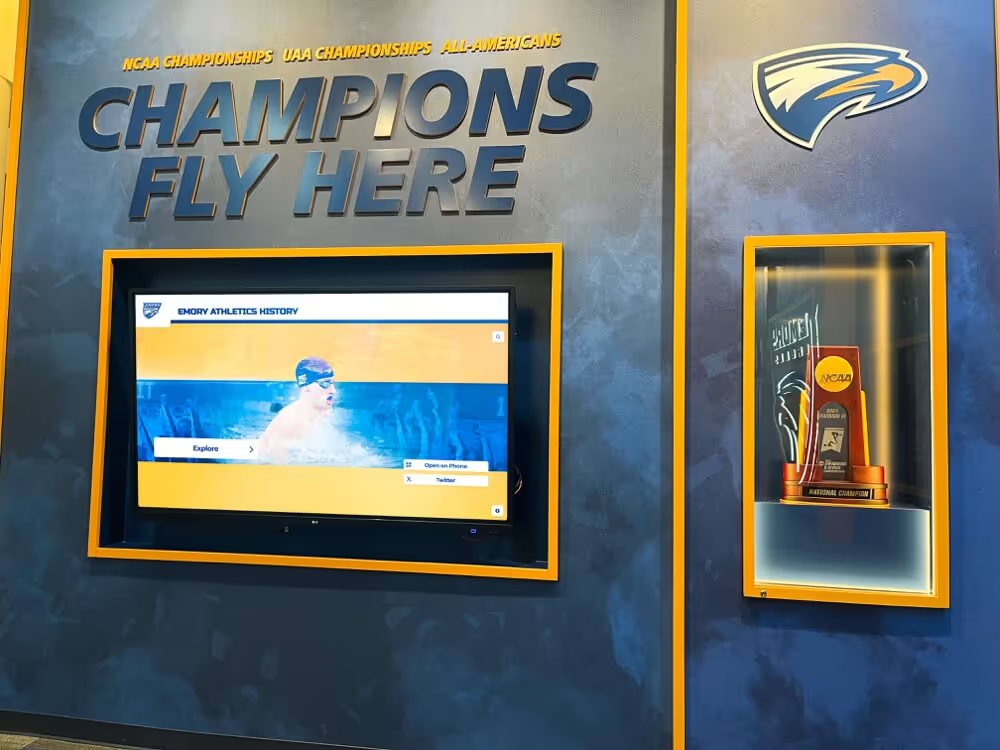
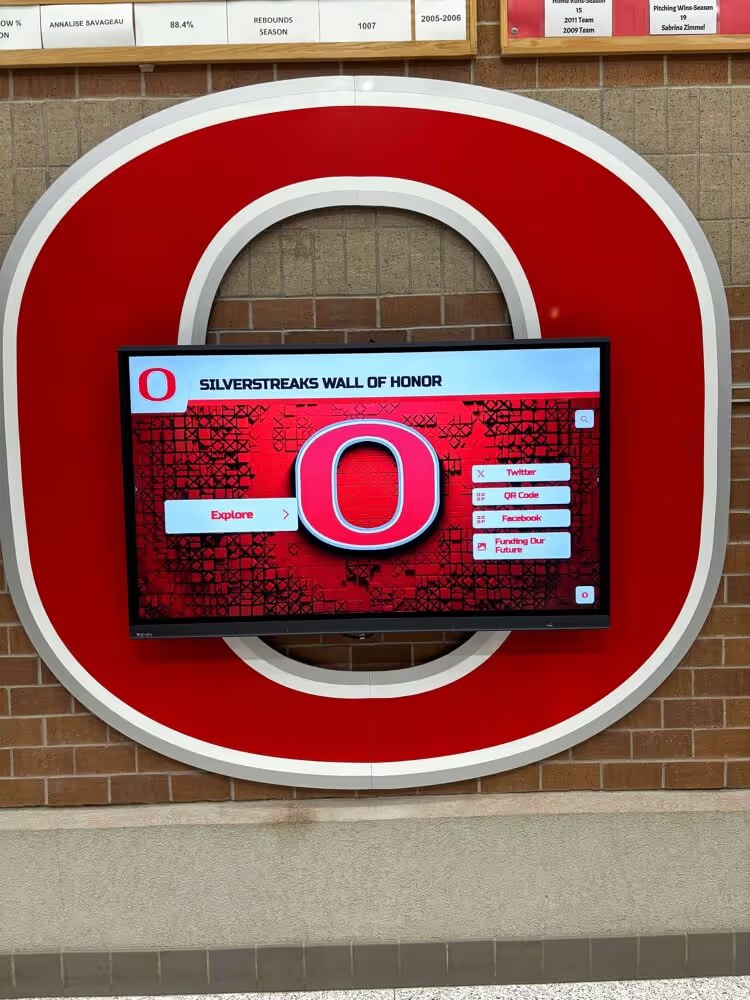
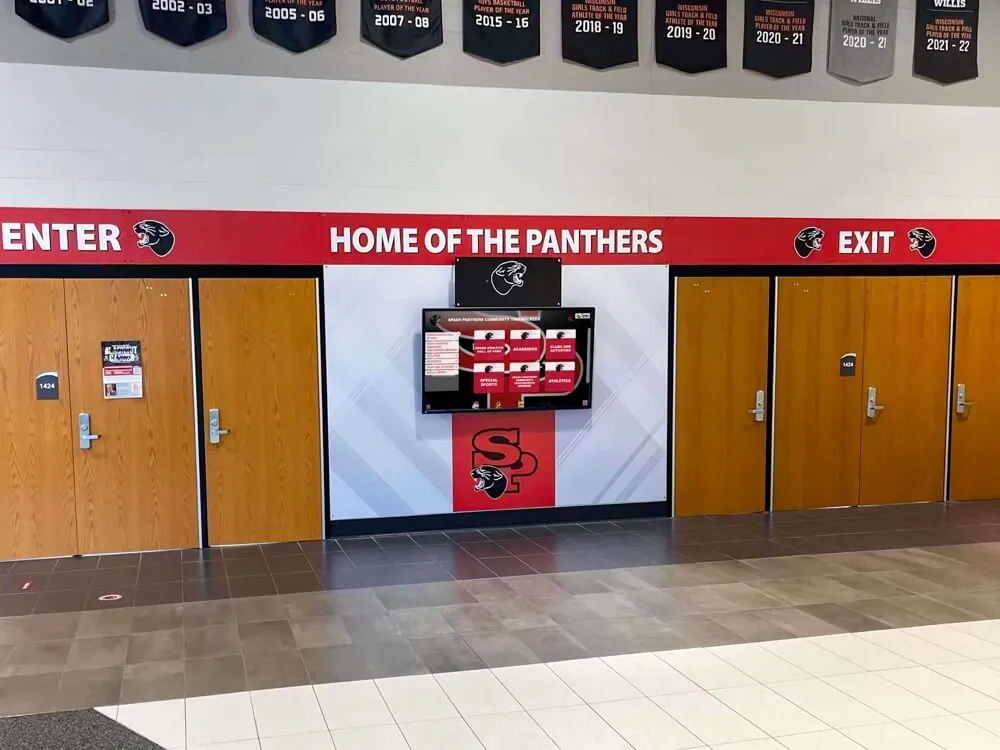
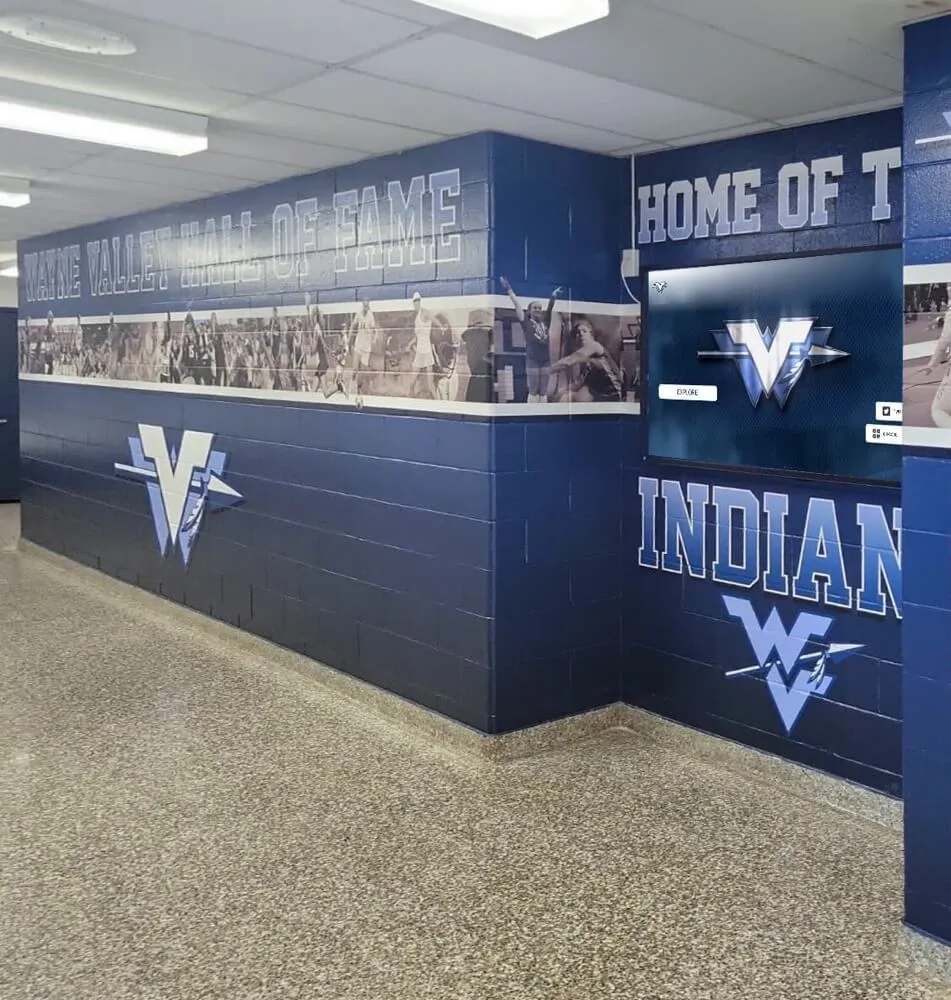
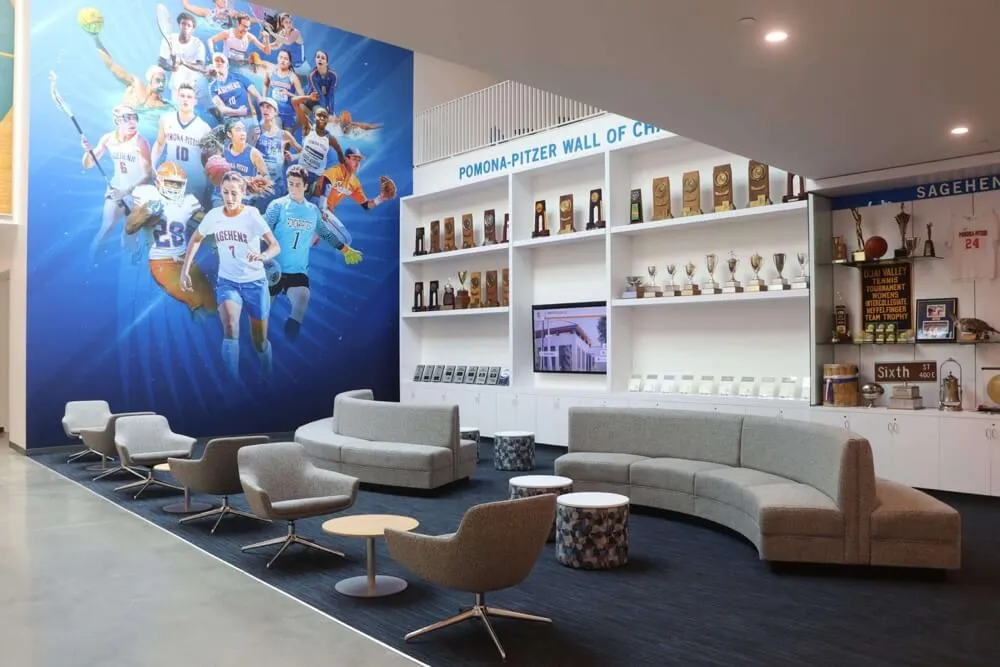
Permanent recognition installations celebrate diverse achievements including character-based honors alongside competitive success
Academic and Life Skills Recognition
31. Scholar-Athlete Award Honors athletes who demonstrated excellence in both athletics and academics, teaching that success in multiple domains matters. Many programs require minimum GPA standards for this prestigious recognition.
32. Most Dedicated Student-Athlete Recognizes athletes who successfully balanced demanding practice schedules with academic responsibilities, demonstrating time management and commitment to complete student-athlete development.
33. Best Academic Improvement Award Celebrates athletes who demonstrated significant academic growth throughout the season, paralleling athletic improvement recognition with academic development.
34. Best Time Management Award Honors athletes who skillfully managed athletics, academics, family responsibilities, and other commitments without sacrificing any area. This recognition teaches essential life skills.
35. Best Mentorship Award Recognizes older athletes who actively mentored younger teammates, demonstrating leadership through teaching and support. This celebrates paying forward the guidance they received.
Team-Based Awards (Ideas 36-45)
Team-based recognition celebrates collective achievement while reinforcing that individual success depends on team context and collaboration.
Collective Achievement Recognition
36. Team Championship Trophy The ultimate team recognition, celebrating championship victories in leagues, tournaments, or championship competitions. Championship trophies become central to program tradition and pride.
37. Regular Season Champion Recognizes teams that earned the best regular season record, honoring consistency and sustained excellence throughout the entire season rather than single-elimination tournament performance.
38. Tournament Champion Celebrates teams that performed best under tournament pressure, honoring peak performance when competition intensity reaches its highest level.
39. Playoff Achievement Recognition Honors teams reaching playoff rounds regardless of championship results, acknowledging the achievement of earning postseason berths in competitive leagues.
40. Most Improved Team Award Recognizes teams that demonstrated dramatic improvement in performance, record, or competitive level throughout the season. This celebrates growth and development trajectories.
41. Best Team Defense Statistical award recognizing teams that demonstrated exceptional defensive performance measured by fewest goals allowed, lowest shooting percentage against, or other defensive metrics.
42. Best Team Offense Statistical recognition for teams demonstrating exceptional offensive production measured by scoring, shooting efficiency, or offensive statistical categories.
43. Undefeated Season Recognition Special recognition for teams completing perfect seasons, acknowledging the exceptional difficulty of winning every competition.
44. Best Winning Streak Recognizes teams that put together impressive winning streaks during seasons, celebrating sustained excellence and momentum.
45. Best Team Chemistry Award Honors teams that demonstrated exceptional cohesion, cooperation, and collective spirit regardless of competitive record. This validates that positive team culture matters independently of wins and losses.
Position-Specific Awards (Ideas 46-55)
Position-specific recognition acknowledges the unique contributions athletes make in specialized roles, ensuring all positions receive appropriate recognition rather than focusing exclusively on scorers or offensive performers.
Sport-Specific Positional Honors
46. Best Goalkeeper/Goalie Award Recognizes exceptional performance in the unique goalkeeper position in soccer, hockey, lacrosse, or water polo. Statistics like save percentage, goals against average, and shutouts support this objective recognition.
47. Best Pitcher/Best Arm Baseball and softball recognition for pitching excellence measured by ERA, strikeouts, wins, or complete games. This honors athletes in the sport’s most specialized position.
48. Best Catcher Award Celebrates defensive excellence, game calling, and leadership from the catching position in baseball or softball—a demanding role requiring mental and physical toughness.
49. Best Point Guard/Best Playmaker Basketball recognition for athletes who excel at distributing the ball, running offensive systems, and creating opportunities for teammates measured by assists, assist-to-turnover ratio, and leadership.
50. Best Setter/Best Distributor Volleyball recognition for athletes excelling at the setter position, the offensive coordinator role requiring precision, decision-making, and consistency.
51. Best Defender/Best Back Recognizes defensive specialists in sports with dedicated defensive positions—center backs in soccer, defensive backs in football, liberos in volleyball, or defensemen in hockey.
52. Best Forward/Best Striker Honors athletes excelling in primary scoring positions across various sports, celebrating offensive production and finishing ability.
53. Best Midfielder/Best Two-Way Player Recognizes athletes who excel at positions requiring offensive and defensive contributions, celebrating complete players who contribute at both ends.
54. Best Lineman/Best Big Football recognition for offensive or defensive line excellence, ensuring these less-glamorous positions receive appropriate recognition despite limited statistics.
55. Best Specialist Award Recognizes excellence in specialized roles like kickers in football, designated hitters in baseball, or specific event specialists in track and field, swimming, or gymnastics.
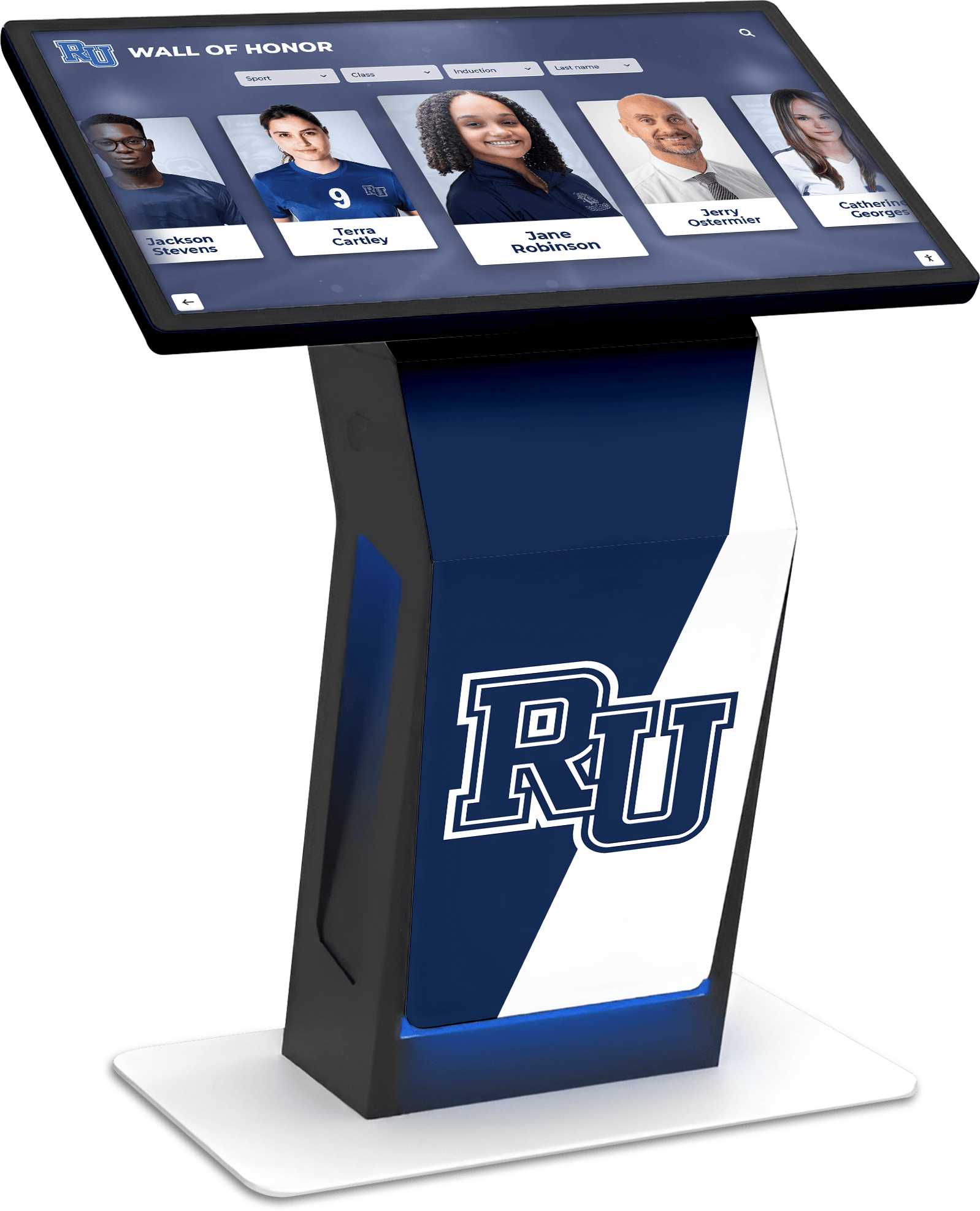
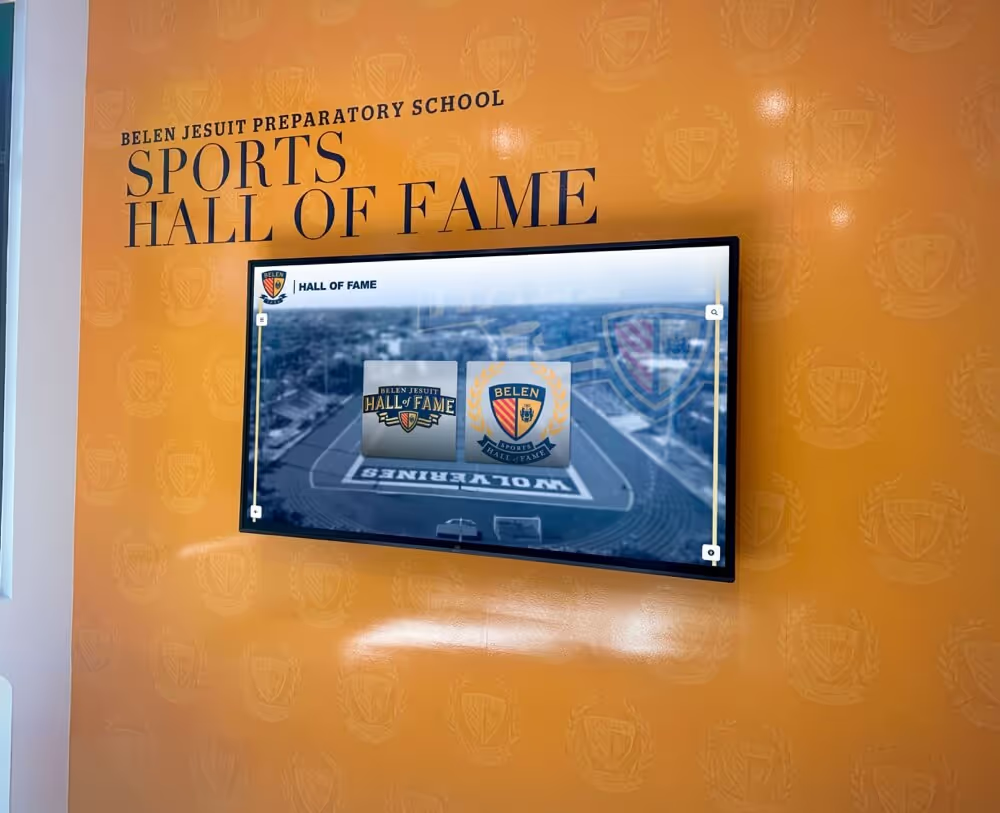
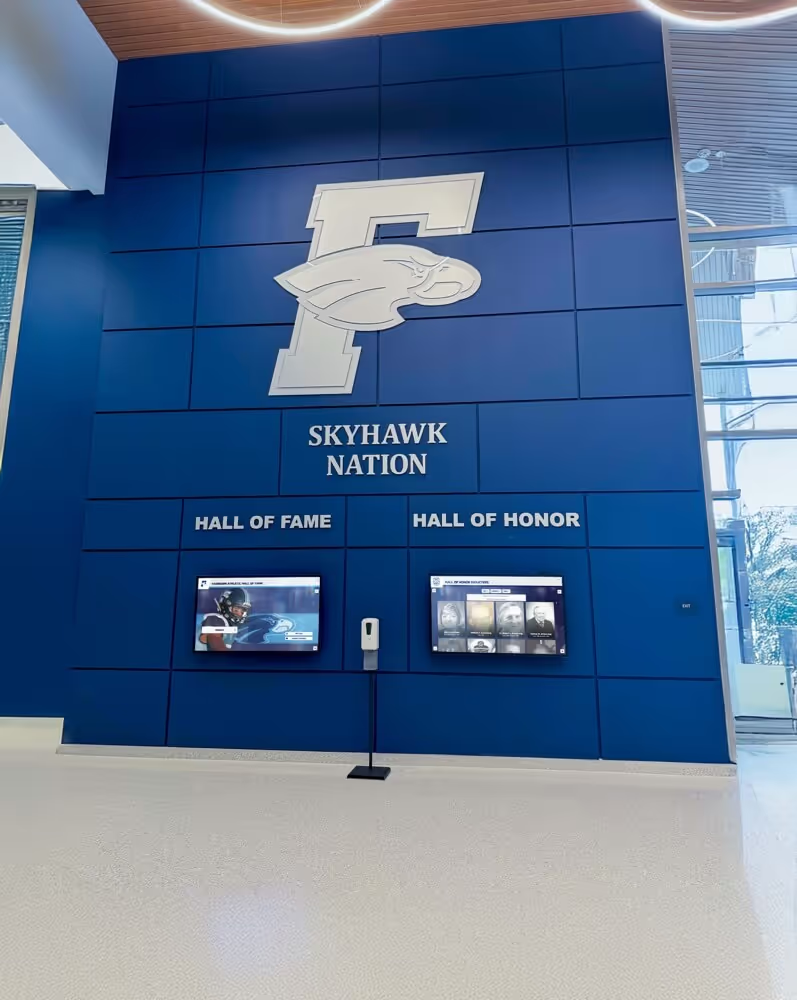
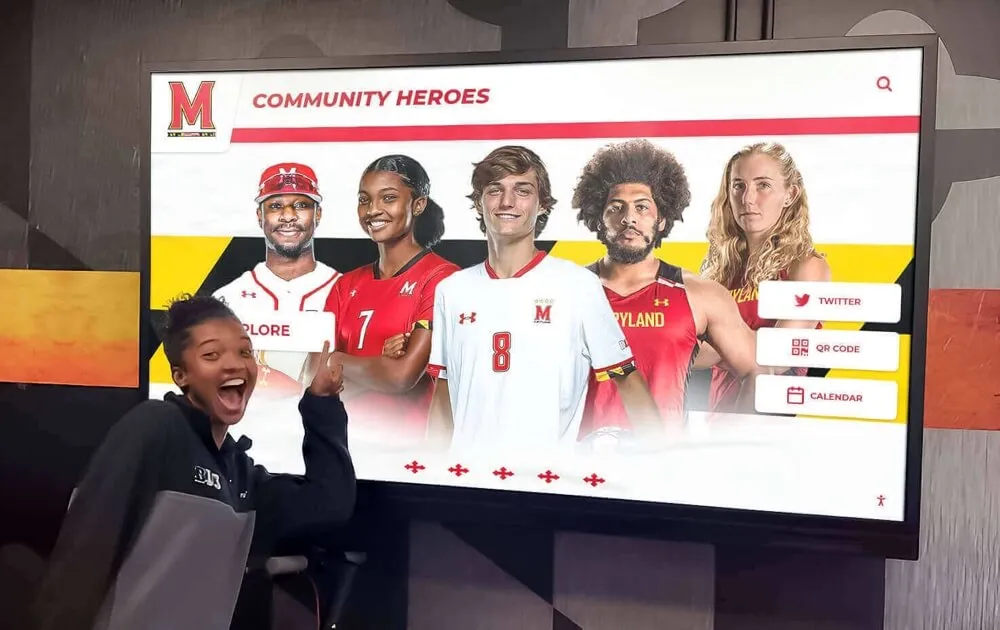
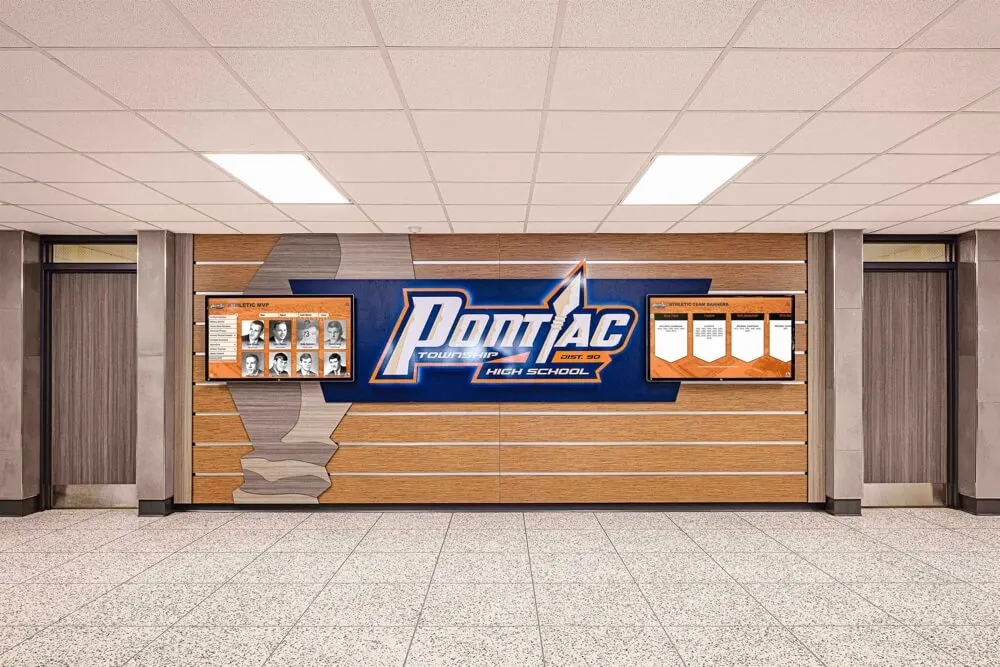
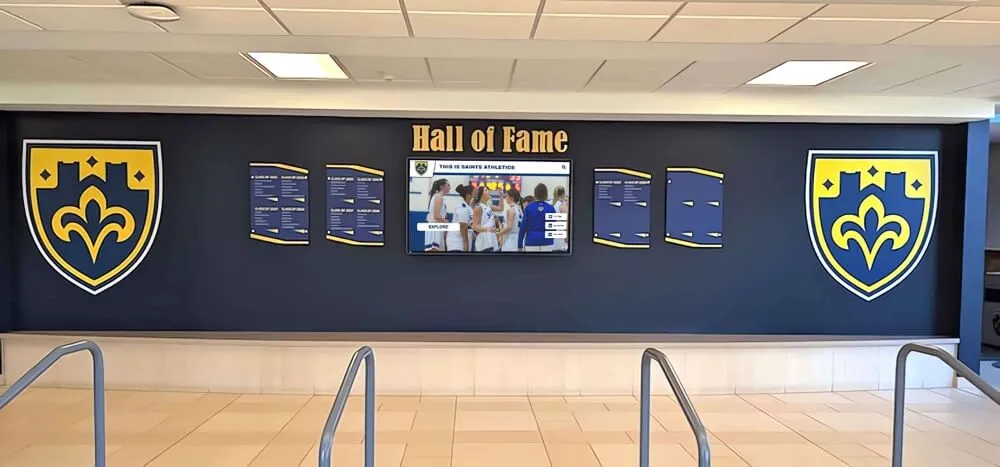
Modern [digital recognition systems](https://halloffame-online.com/blog/digital-hall-of-fame-guide/?utm_source=organic&utm_medium=seo&utm_campaign=100-youth-sports-awards-ideas&utm_content=digitalwarming&utm_term=seo) enable comprehensive documentation of diverse award categories and achievement types
Statistical and Milestone Awards (Ideas 56-70)
Statistical awards provide objective recognition based on measurable performance, creating clear achievement targets that motivate athletes throughout seasons.
Leading Statistical Categories
56. Leading Scorer/Top Points Recognizes the athlete with the highest scoring total across team sports. This straightforward statistical award celebrates offensive production.
57. Most Assists Leader Honors athletes who created the most scoring opportunities for teammates, celebrating unselfish play and playmaking ability.
58. Rebound Leader Basketball-specific recognition for athletes who controlled the boards, acknowledging an essential but sometimes underappreciated contribution.
59. Stolen Base Leader Baseball/softball recognition for speed and base-running intelligence, celebrating athletes who created offensive opportunities beyond hitting.
60. Batting Average Champion Statistical recognition for the most consistent hitter, celebrating contact skills and offensive consistency throughout the season.
61. Fastest Time/Best Time Swimming, track, or cross country recognition for athletes posting the best times in specific events or overall best performances.
62. Most Goals/Most Touchdowns Sport-specific recognition for athletes who scored most frequently, the most visible offensive achievement in many team sports.
63. Best Winning Percentage Individual sport recognition for athletes with the best competitive records in tennis, wrestling, or other head-to-head competition formats.
64. Most Aces/Most Strikeouts Volleyball or baseball/softball recognition for dominant serving or pitching performances measured objectively.
65. Best Save Percentage Goalkeeper recognition based on the percentage of shots saved, providing objective measure of performance quality.
66. Most Valuable Offensive Player (Statistical) Composite statistical award combining multiple offensive categories into overall offensive contribution measurement.
67. Most Valuable Defensive Player (Statistical) Composite statistical recognition aggregating defensive metrics like steals, blocks, tackles, or interceptions into overall defensive contribution.
68. Iron Person Minutes Award Recognizes athletes who played the most minutes or innings, celebrating durability, consistency, and coach trust in crucial playing time.
69. Best Plus-Minus Rating Statistical recognition for athletes whose presence on the field/court most positively influenced team performance measured by point differential when playing.
70. Triple-Double or Rare Achievement Award Recognizes rare statistical accomplishments like basketball triple-doubles, baseball cycles, or soccer hat tricks—exceptional single-game performances.
Fun and Creative Awards (Ideas 71-80)
Creative awards add personality and fun to recognition ceremonies while celebrating aspects of team culture and individual personalities that contribute to positive sports experiences.
Personality and Culture Recognition
71. Best Pregame Playlist/DJ Award Recognizes athletes who consistently provided the best music selections for team warmups or travel, celebrating contribution to team atmosphere.
72. Best Team Celebration/Best Celly Honors the athlete with the most memorable or entertaining goal celebrations, touchdown dances, or team celebration choreography.
73. Biggest Smile Award Celebrates the athlete who consistently maintained visible joy and enthusiasm for sports participation, reminding everyone that having fun matters.
74. Loudest Cheerleader Recognizes the athlete who provided the most vocal encouragement from the bench, celebrating active engagement regardless of playing time.
75. Best Dressed/Best Style Fun recognition for the athlete with the best fashion sense at team events, travel, or off-field appearances, celebrating personal expression and confidence.
76. Funniest Teammate Honors the athlete who kept everyone laughing, maintained morale through humor, and helped prevent excessive seriousness from undermining enjoyment.
77. Best Handshake/Best Celebration Routine Celebrates creative pregame handshakes, elaborate celebration routines, or entertaining team rituals that built culture and camaraderie.
78. Best Team Meal Host/Team Mom or Dad Recognizes families who provided exceptional hospitality, hosted team dinners, or created gathering spaces where team bonding occurred.
79. Best Carpool/Team Transportation Award Fun recognition for families who provided reliable transportation for teammates, celebrating practical contributions that enable participation.
80. Best Spectator/Super Fan Family Honors families who attended every competition, demonstrated exceptional team spirit, and supported the entire team, not just their own athlete.
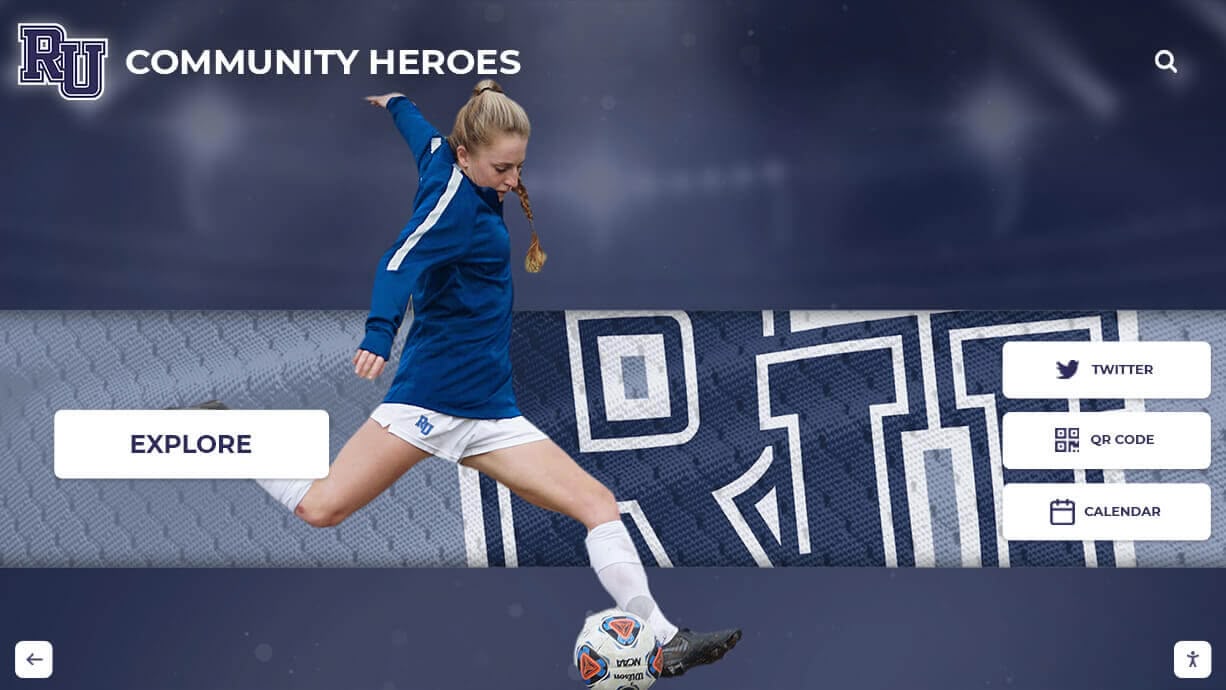
Creative recognition formats celebrate athletic participation in engaging, memorable ways that resonate with young athletes
Age-Specific and Development Awards (Ideas 81-90)
Age-appropriate recognition acknowledges that youth sports serve different developmental purposes at different ages, with awards designed for specific age groups and skill levels.
Progressive Development Recognition
81. Future Star Award (Youngest Age Groups) Recognizes exceptional potential in youngest athletes, celebrating early skill development while avoiding excessive pressure on developing players.
82. Best Fundamental Skills (Beginners) Honors athletes who demonstrated strongest grasp of fundamental techniques during early development stages when skill foundation matters most.
83. Most Eager Learner Celebrates young athletes who demonstrated exceptional enthusiasm for learning new skills, asking questions, and engaging actively in instructional time.
84. Best Progression Award Recognizes athletes who advanced through skill levels or competitive divisions during the season, celebrating development trajectories.
85. Advanced Skills Recognition Honors older youth athletes who mastered advanced techniques appropriate for their age group, acknowledging the depth of skill development.
86. Transition to Competition Award Recognizes athletes successfully transitioning from recreational to competitive levels, celebrating the commitment increase and skill development this transition requires.
87. Multi-Sport Athlete Recognition Celebrates athletes participating in multiple sports, reinforcing that specialization isn’t necessary and diverse athletic experiences benefit development.
88. First Year Competitive Success Honors athletes who demonstrated exceptional performance in their first competitive season, acknowledging the transition challenge from recreational play.
89. Veteran Leadership Award Recognizes older athletes who mentored younger players, demonstrated program loyalty through multiple seasons, and embodied sustained commitment.
90. Graduation Recognition Special recognition for athletes aging out of youth programs, celebrating their complete youth sports journey and preparing them for next athletic chapters.
Coach, Parent, and Volunteer Recognition (Ideas 91-100)
Comprehensive recognition programs celebrate the adults who make youth sports possible, acknowledging that programs depend on volunteer contributions and adult leadership.
Supporting Adult Recognition
91. Coach of the Year Recognizes outstanding coaching contributions measured by player development, competitive success, positive culture creation, and program impact beyond win-loss records.
92. Assistant Coach Excellence Award Honors assistant coaches whose contributions may receive less visibility but prove essential to program success and player development.
93. Most Dedicated Coach Award Celebrates coaches who demonstrated exceptional time commitment, often volunteering extensive hours beyond practices and competitions to support athletes and programs.
94. Best Parent Volunteer Recognizes parents who provided exceptional volunteer support organizing team activities, managing logistics, coordinating fundraising, or handling administrative tasks.
95. Team Manager/Team Parent Award Honors individuals who handled vital organizational details enabling coaches to focus on athletic development and ensuring smooth team operations.
96. Best Concession Stand Volunteer Celebrates individuals who staffed concession stands, providing essential fundraising support while creating positive spectator experiences.
97. Field/Facility Volunteer Recognition Honors individuals who maintained fields, cleaned facilities, set up equipment, or handled facility-related tasks that enabled safe, quality practice and competition environments.
98. Best Team Sponsor Recognizes businesses or individuals providing financial support that made participation possible, equipment purchases feasible, or competitive opportunities accessible.
99. Longest Serving Volunteer Celebrates individuals with sustained commitment across multiple years, acknowledging that program stability depends on consistent adult engagement.
100. Spirit of Youth Sports Award The highest volunteer honor, recognizing individuals who embody youth sports’ best values—prioritizing player development over winning, creating inclusive environments, and demonstrating that positive youth sports experiences create lasting benefits extending far beyond playing fields.
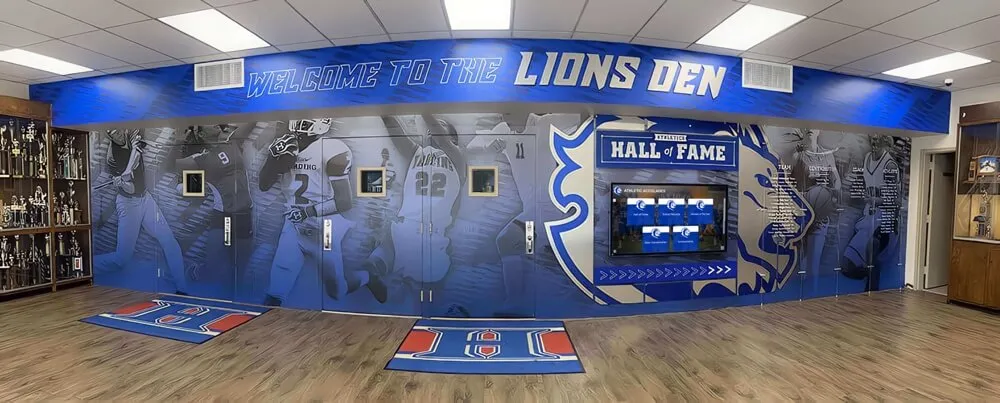
Comprehensive recognition systems honor players, coaches, volunteers, and families whose combined contributions create positive youth sports programs
Implementing Effective Youth Sports Award Programs
Understanding award categories represents only part of creating meaningful recognition programs. Effective implementation requires careful planning around award selection, ceremony design, and sustainable recognition approaches.
Award Selection and Criteria Development
Creating Clear Award Definitions Each award category should have clear definitions and criteria helping athletes, families, and coaches understand what each recognition honors. Vague award descriptions lead to confusion about selection processes and potential perception of favoritism. Written criteria ensure consistent, fair recognition decisions.
For statistical awards, establish measurement methods before seasons begin. For subjective awards like sportsmanship or leadership, consider including multiple evaluators (head coach, assistant coaches, team voting) to ensure fairness and buy-in from team members.
Balancing Objective and Subjective Recognition Strong award programs combine objective statistical recognition (scoring leaders, best times, winning percentages) with subjective character-based awards (sportsmanship, leadership, team spirit). This balance ensures athletes with different strengths receive recognition opportunities while teaching that both competitive achievement and character matter.
Ensuring Inclusive Recognition Opportunities Design award structures ensuring every athlete has realistic chances for recognition. If only 2-3 awards exist, most athletes never experience being honored. Programs with 10-15 award categories create many more recognition opportunities while celebrating diverse contributions. Consider inclusive recognition approaches that celebrate participation alongside achievement.
Participation awards remain appropriate for youngest age groups (typically under 8-10 years old) where skill differences are less pronounced and participation itself deserves celebration. As athletes mature, shift toward achievement-based recognition while maintaining enough award categories that recognition remains accessible to many athletes rather than only elite performers.
Recognition Ceremony Best Practices
Timing and Format Considerations End-of-season recognition ceremonies typically occur 1-2 weeks after seasons conclude, allowing time for thoughtful award deliberation while maintaining season momentum and excitement. Consider combining recognition with team celebrations, meals, or gatherings that create festive atmospheres rather than formal, somber presentations.
For younger age groups, keep ceremonies relatively brief (45-60 minutes) maintaining attention while ensuring every athlete receives individual recognition. Older competitive teams may support longer, more elaborate ceremonies if content remains engaging and well-paced.
Making Recognition Moments Meaningful Avoid simply reading names and handing out awards. Create meaningful moments by:
- Explaining specifically why each recipient earned recognition with concrete examples
- Sharing stories or memorable moments illustrating honoree contributions
- Involving teammates in recognition through applause, speeches, or award presentations
- Providing context about award history or previous recipients when applicable
- Allowing brief honoree speeches for major awards if age-appropriate
Physical Award Considerations Award budgets vary dramatically across youth sports programs. Expensive crystal trophies aren’t necessary for meaningful recognition, but physical awards should reflect the honor being bestowed. Options include:
- Traditional trophies sized appropriately for award importance
- Medals or medallions providing affordable recognition across many categories
- Certificates or plaques offering formal recognition at lower cost points
- Custom awards reflecting team identity (painted balls, engraved equipment)
- Combination approaches using trophies for major awards and certificates for others
Documentation and Preservation Photograph award ceremonies and recipients, preserving memories families treasure while creating historical records of season accomplishments. Consider establishing digital archives documenting award winners across seasons, building program tradition while enabling current athletes to see recognition history.
Modern Digital Recognition Approaches
Traditional physical awards remain valuable, but modern technology enables youth sports programs to extend recognition reach, enhance engagement, and preserve achievements in accessible formats that complement physical trophies and medals.
Benefits of Digital Youth Sports Recognition
Unlimited Recognition Capacity Physical trophy cases quickly fill, and budget constraints limit the number of physical awards programs can provide. Digital recognition platforms enable unlimited recognition capacity, celebrating every achievement regardless of physical space or budget limitations.
Youth programs can recognize every athlete across every achievement category without choosing between deserving individuals or restricting awards to only top performers. This comprehensive recognition creates more positive experiences for more athletes and families.
Multimedia Recognition Experiences Digital platforms enable recognition beyond names and dates, incorporating:
- Action photos showcasing athletes performing skills they’re recognized for
- Video highlights of exceptional performances or memorable moments
- Complete statistics documenting achievement throughout seasons
- Personal statements or reflections from athletes about their experiences
- Coach comments explaining specific contributions and development
These rich multimedia profiles create more engaging, meaningful recognition than physical awards alone can provide, especially for digital-native young athletes accustomed to digital content experiences.
Accessible and Shareable Recognition Physical awards typically remain in recipients’ homes, visible only to household members. Digital recognition extends reach dramatically, enabling:
- Athletes sharing achievements with extended family, friends, and social networks
- Grandparents and distant relatives accessing recognition regardless of geographic distance
- Permanent archives preserving recognition long after physical awards are lost or damaged
- Mobile access allowing athletes to revisit recognition anytime, anywhere
- Social media integration amplifying recognition reach and celebration
Sustainable Recognition Solutions Digital platforms provide sustainable long-term solutions as programs grow and evolve. Adding new seasons, teams, or award categories doesn’t require physical expansion or increased storage. Recognition databases grow infinitely without space constraints while remaining fully searchable and accessible regardless of volume.
Programs can implement comprehensive digital recognition systems that document complete organizational history, creating living archives connecting current athletes to program traditions and predecessor accomplishments.
Implementing Digital Recognition for Youth Sports
Turnkey Platform Solutions Youth sports organizations without technical resources can implement digital recognition through turnkey platforms designed specifically for athletic awards and achievement documentation. Solutions like Rocket Alumni Solutions provide:
- Pre-built templates designed for sports recognition content
- Intuitive content management enabling easy updates without technical expertise
- Mobile-responsive interfaces ensuring accessibility across devices
- Unlimited storage capacity for photos, videos, and achievement documentation
- Ongoing platform updates and customer support
These purpose-built platforms enable youth programs to implement professional recognition systems without requiring custom development, technical staff, or substantial technology investments.
Integration with Physical Awards Digital recognition works best as complement to physical awards rather than replacement. Effective approaches combine:
- Physical trophies and medals presented at recognition ceremonies
- Digital profiles documenting achievements in depth with multimedia content
- QR codes on physical awards linking to comprehensive digital recognition
- Social media sharing of digital profiles amplifying recognition reach
- Printed certificates including digital access information
This hybrid approach delivers both tangible awards families value and digital recognition extending reach and engagement beyond physical objects.
Content Strategy for Youth Sports Recognition Effective digital youth sports recognition requires systematic content development:
- Document every award presentation with photos and descriptions
- Collect action photos throughout seasons for recognition profiles
- Gather athlete biographical information and personal statements
- Record brief video interviews with award recipients when possible
- Compile complete season statistics for major individual awards
- Archive historical recognition creating tradition and context
Regular content additions throughout seasons and immediate post-season updates ensure recognition remains current and engaging rather than becoming static historical archives disconnected from active programs.
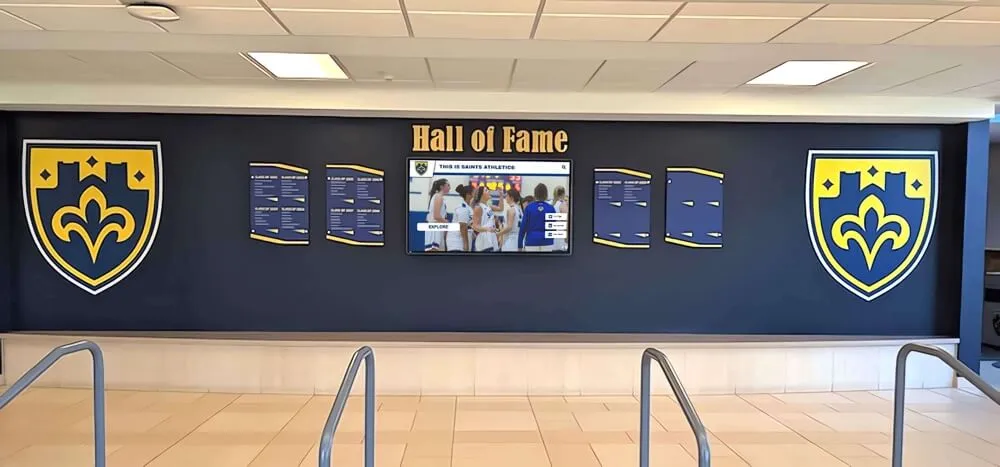
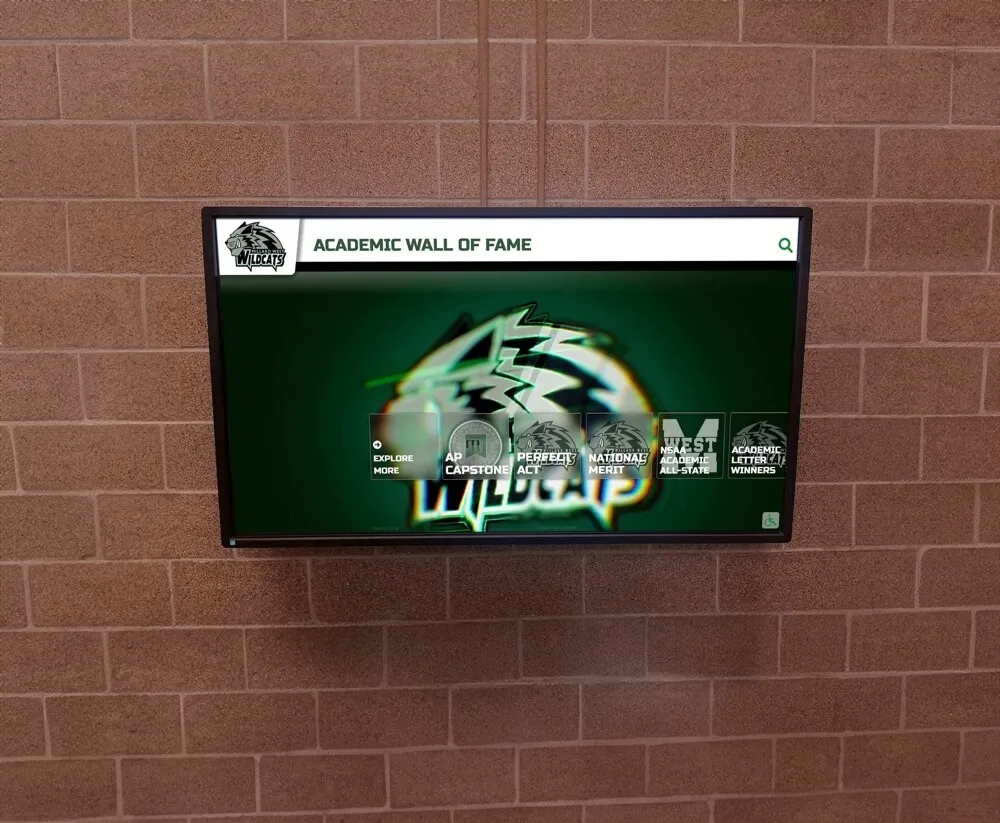
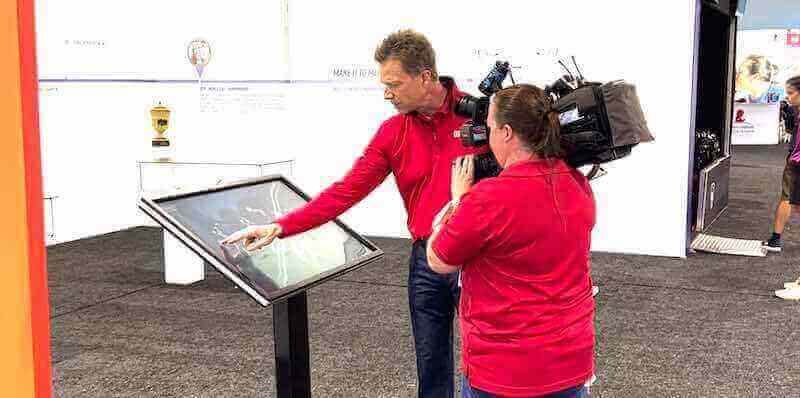
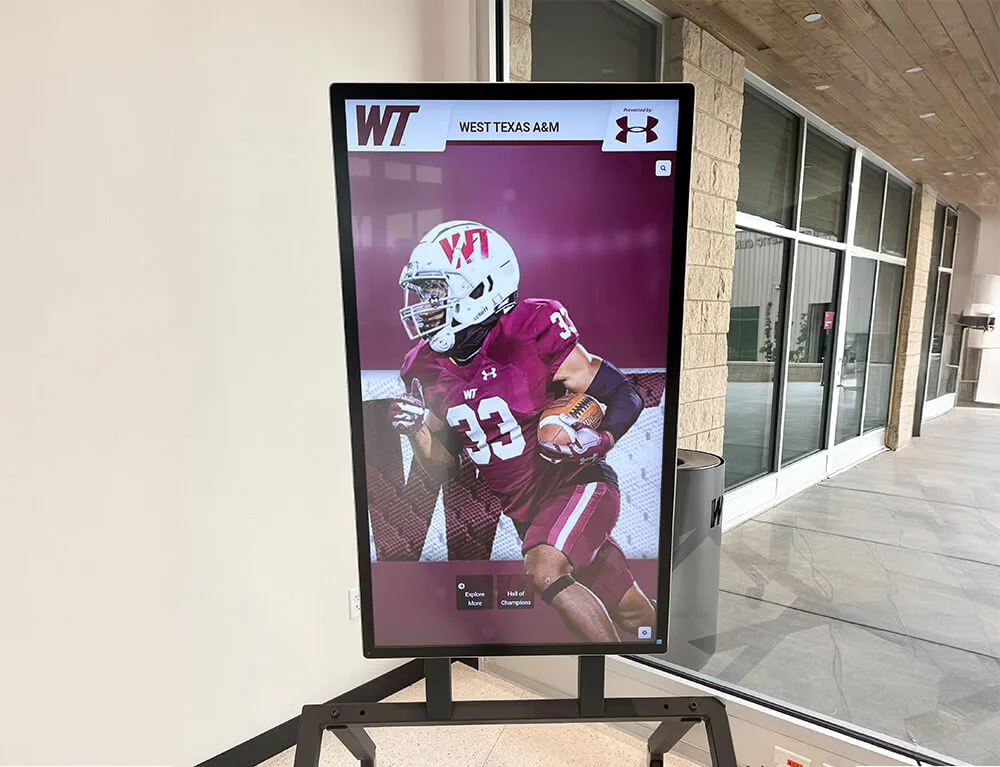
Modern recognition installations combine traditional commemorative elements with [digital technology](https://digitalyearbook.org/blog/best-ways-showcase-athletic-achievement-awards-digitally/?utm_source=organic&utm_medium=seo&utm_campaign=100-youth-sports-awards-ideas&utm_content=digitalwarming&utm_term=seo) creating engaging exploration experiences
Budget-Friendly Recognition Strategies
Youth sports programs operate on limited budgets, often relying on volunteer leadership and modest registration fees. Effective recognition doesn’t require substantial financial resources when programs prioritize creativity and thoughtfulness over expensive awards.
Low-Cost Recognition Approaches
Creative Physical Recognition Meaningful physical recognition doesn’t require expensive trophies:
- Painted balls or equipment signed by teammates and coaches
- Custom certificates designed and printed in-house
- Repurposed materials transformed into unique awards (painted wood, decorated bases)
- Team-made awards created by athletes with craft supplies
- Personalized items reflecting individual recipient interests or achievements
These creative approaches often mean more to young athletes than generic trophies because personalization and thoughtfulness trump material value.
Recognition Through Public Acknowledgment Recognition ceremonies don’t require physical awards. Powerful recognition occurs through:
- Verbal recognition with specific achievement descriptions and examples
- Public social media posts celebrating individual accomplishments
- Recognition during games or competitions via announcer shout-outs
- Team newsletters or communications highlighting award recipients
- Posted recognition boards in public spaces where athletes gather
Young athletes value public acknowledgment and celebration as much as physical objects, particularly when recognition includes specific achievement descriptions rather than generic praise.
Digital-First Recognition Programs Organizations with extremely limited budgets can implement digital recognition as primary award method:
- Free or low-cost websites documenting award recipients and achievements
- Social media platforms serving as recognition archives
- Google Sites or similar free tools creating searchable recognition databases
- Photo galleries with captions describing awards and accomplishments
- Email recognition announcements to athlete families and extended networks
While physical awards remain valuable, digital recognition provides budget-friendly alternatives ensuring every athlete receives meaningful acknowledgment regardless of financial constraints.
Grant and Fundraising for Recognition Programs
Organizations seeking to enhance recognition programs beyond limited budgets can pursue:
- Youth sports grants from local foundations and community organizations
- Corporate sponsorships for award programs in exchange for recognition
- Fundraising events specifically supporting award and recognition initiatives
- Parent donations or end-of-season collections funding awards
- In-kind donations from businesses providing awards at reduced cost or no charge
Many communities have resources available to support youth sports recognition programs when organizations actively seek funding and explain the developmental value of meaningful athlete recognition.
Age-Appropriate Recognition Considerations
Effective youth sports awards differ substantially across age groups, with recognition approaches that work well for high school athletes potentially inappropriate for elementary-age children.
Recognition for Elementary-Age Athletes (Ages 5-10)
Participation-Based Recognition Youngest athletes benefit from recognition emphasizing participation, effort, and enjoyment rather than competitive achievement. At ages where skill differences reflect primarily developmental timelines rather than work ethic or talent, participation awards remain appropriate.
Every child on teams should receive recognition celebrating their season, with differences between athletes minimized. This approach reinforces that sports participation itself matters while avoiding excessive competition when children are still developing basic skills and learning fundamental concepts.
Fun and Encouraging Award Categories Recognition for young children should emphasize positive behaviors and personal development:
- Best friend to teammates
- Most helpful at practice
- Best listener
- Most improved skills
- Best smiler
- Most enthusiastic player
- Best practice attendance
These categories create recognition opportunities for every child while teaching values that support long-term development and continued participation.
Recognition for Middle School Athletes (Ages 11-13)
Transitioning to Achievement Recognition Middle school represents transitional ages where competitive differentiation becomes more appropriate as skill differences increasingly reflect work ethic and dedication rather than just developmental timelines.
Award programs can begin incorporating performance-based recognition while maintaining substantial character-based categories ensuring diverse athletes receive recognition. This balanced approach acknowledges competitive realities while reinforcing that character and effort matter alongside results.
Team Culture Awards Middle school years represent critical periods for identity development and peer relationships. Recognition emphasizing positive teammate behaviors reinforces cultural values:
- Best teammate awards
- Leadership recognition for positive influence
- Sportsmanship honors
- Character awards celebrating integrity and respect
These awards teach that success involves more than individual performance while helping early adolescents develop social skills and emotional intelligence through structured recognition.
Recognition for High School Age Athletes (Ages 14-18)
Comprehensive Achievement Recognition Older youth athletes benefit from sophisticated recognition programs balancing competitive achievement with character, combining objective statistical awards with subjective honors for leadership, sportsmanship, and intangible contributions.
High school age programs can implement adult-level award structures with MVP awards, position-specific recognition, statistical leaders, and specialized categories reflecting program values and emphasis areas.
College Recruitment Considerations Recognition programs for competitive high school age athletes should consider college recruitment implications. Documented achievement through formal awards supports recruiting by:
- Providing objective evidence of achievement for recruiting profiles
- Creating shareable content for social media and recruiting communications
- Demonstrating program quality and competitive standards
- Building athlete resumes highlighting accomplishments and recognition
Digital documentation of awards and achievements proves particularly valuable for recruitment, enabling athletes to share comprehensive recognition with college coaches regardless of geographic distance.
Creating Traditions Around Youth Sports Awards
The most impactful youth sports award programs become traditions athletes anticipate, remember, and eventually return to celebrate as alumni with their own children.
Building Award Legacy and Tradition
Named Awards Honoring Program Legends Consider naming major awards after distinguished alumni, longtime coaches, or significant program figures. This creates special meaning while teaching current athletes about program history and connecting present achievements to past excellence.
The “Coach Johnson Sportsmanship Award” or “Sarah Martinez MVP Award” carries more weight than generic titles while building program tradition and institutional memory.
Historical Context in Award Presentations When presenting awards, reference previous recipients when possible, creating context about award significance and building tradition connecting past and present. This teaches young athletes they participate in something larger than individual seasons while creating pride in program history.
Alumni Involvement in Recognition Invite former athletes to participate in award presentations, share reflections about their experiences, or announce specific awards. This alumni involvement creates powerful connections between current athletes and program traditions while demonstrating that youth sports create lasting relationships extending beyond playing years.
Annual Recognition Events Consistent, anticipated recognition events become program traditions families plan around and athletes look forward to throughout seasons. Whether team banquets, all-sports award nights, or outdoor celebrations, establishing regular recognition traditions creates culture and strengthens program identity.
Conclusion
Youth sports awards serve essential functions beyond simply recognizing competitive achievement. Thoughtfully designed recognition programs teach young athletes about goal-setting, celebrate diverse contributions, reinforce positive values, create lasting memories, and demonstrate that dedication and effort receive acknowledgment regardless of natural talent levels.
The 100 awards ideas presented throughout this guide provide frameworks for creating comprehensive recognition spanning competitive achievement, character development, position-specific contributions, statistical excellence, leadership, and the countless ways young athletes contribute to positive team experiences. Effective programs select categories matching their specific sports, age groups, competitive levels, and organizational values rather than attempting to implement all categories simultaneously.
Modern youth sports recognition increasingly combines traditional physical awards with digital platforms that extend reach, preserve achievements permanently, and create engaging multimedia recognition experiences resonating with today’s young athletes and families. Solutions like Rocket Alumni Solutions enable youth programs to implement professional recognition systems celebrating every athlete comprehensively while building program traditions connecting current participants to organizational history and future excellence.
The most successful youth sports award programs share common characteristics: clear criteria ensuring fair recognition, diverse categories creating many recognition opportunities, age-appropriate design matching developmental stages, meaningful presentation creating memorable experiences, and sustainable approaches enabling consistent recognition across seasons and years. When programs prioritize thoughtful recognition design over simply distributing generic trophies, awards become powerful tools supporting positive youth development and creating the warm, connected communities where young people thrive.
Ready to transform your youth sports recognition program and celebrate young athletes comprehensively? Explore how digital recognition platforms create engaging experiences honoring athletic achievement while preserving memories families treasure across generations.